Fort Pikit
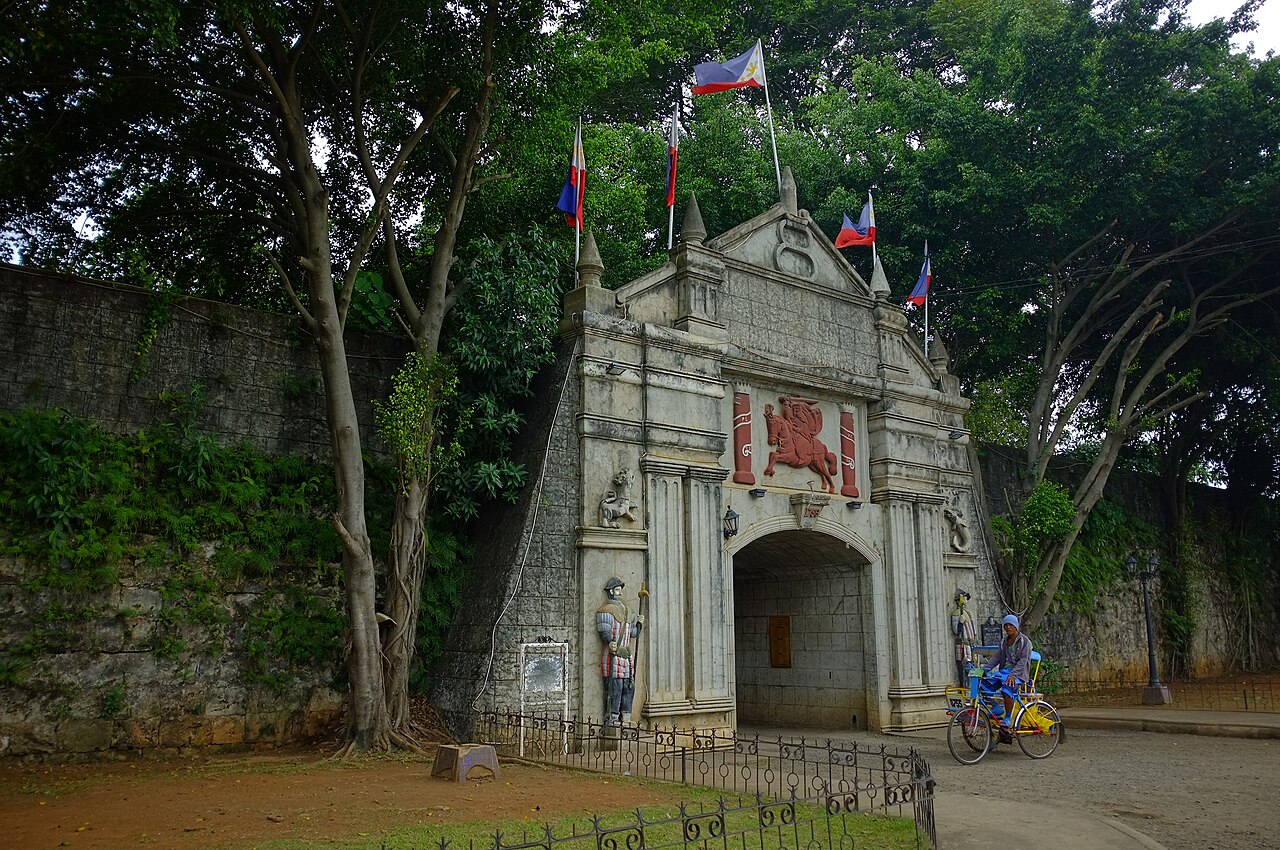
Fort Pikit is a notable example of a Spanish colonial era bastioned fortress located in the municipality of Pikit, Cotabato, Philippines. Constructed in the 19th century, this stone fortification was part of Spain's military efforts to consolidate control over the southern Philippine islands during a period of resistance and unrest. It stands on a strategic hill behind the Municipal Hall of Pikit, overlooking the National Highway, which underscores its historical role in regional defense and surveillance.
Architectural design and features
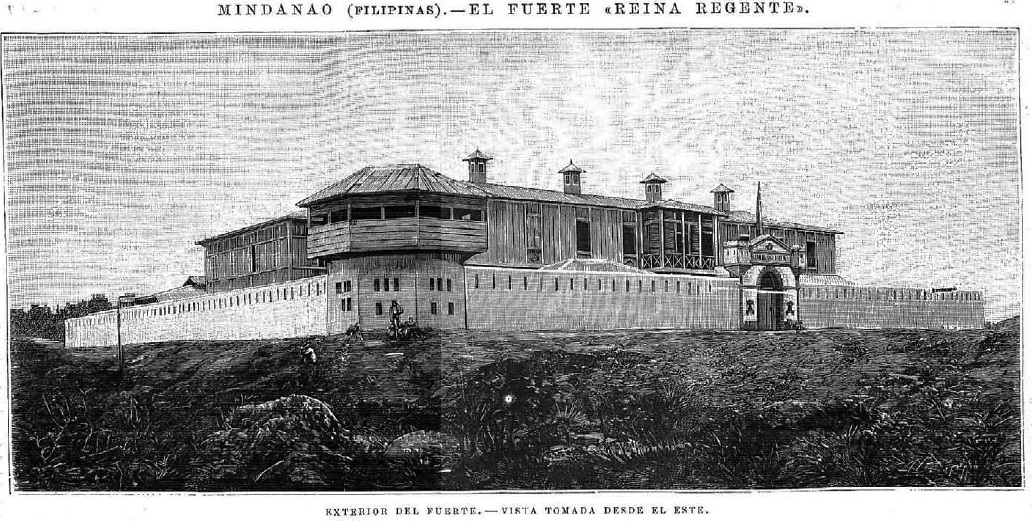
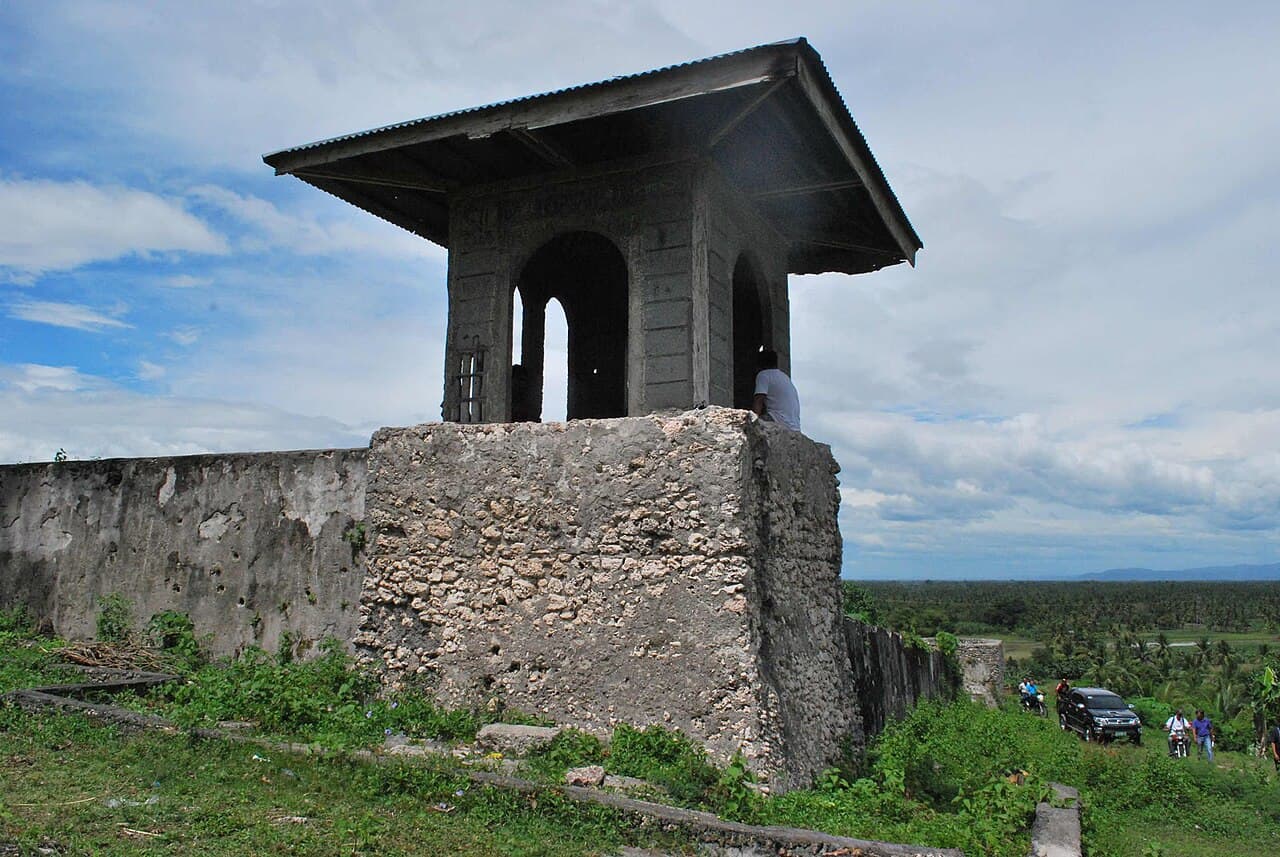
The fort is characterized by its bastioned fortress design, a style commonly employed by Spanish military engineers in colonial territories to provide overlapping fields of fire and robust defense against attackers. The structure consists primarily of two artillery towers positioned at opposing corners, each equipped with artillery batteries. These towers were designed to cover the approaches to the fort and surrounding areas, maximizing the defensive capability against both indigenous uprisings and external threats.
The fortress is enclosed by a substantial rubble stone wall, measuring approximately 38 meters (125 feet) on each side. This wall provided a formidable barrier against assault, constructed using locally sourced stone materials bonded with lime mortar. The thickness and height of the walls were intended to withstand cannon fire and small arms attacks common during the period.
Internal layout and capacity
Inside the fortification, the layout was planned to accommodate a garrison consisting of a military officer, 60 infantrymen, and 6 artillerymen. This reflects the Spanish military organization and the importance placed on maintaining a ready and well-armed force in the region. The internal space would have included barracks, storage for munitions, and provisions necessary for sustaining the garrison during prolonged periods of conflict or siege.
Historical context and significance
Fort Pikit was constructed during a time when Spanish colonial authorities were engaged in efforts to suppress local resistance and secure their hold over Mindanao and other southern islands. The fortress served both as a military stronghold and a symbol of Spanish authority in Cotabato. Its position on a hill provided a commanding view of the surrounding landscape, allowing early warning of approaching forces and control over key transportation routes.
The fort's construction reflects the broader Spanish military strategy in the Philippines during the late colonial period, which involved building fortified structures to protect settlements and assert dominance over indigenous groups. Fort Pikit is one of several such forts built in Mindanao, illustrating the challenges faced by the Spanish in extending their colonial reach in this region.
Preservation and current status
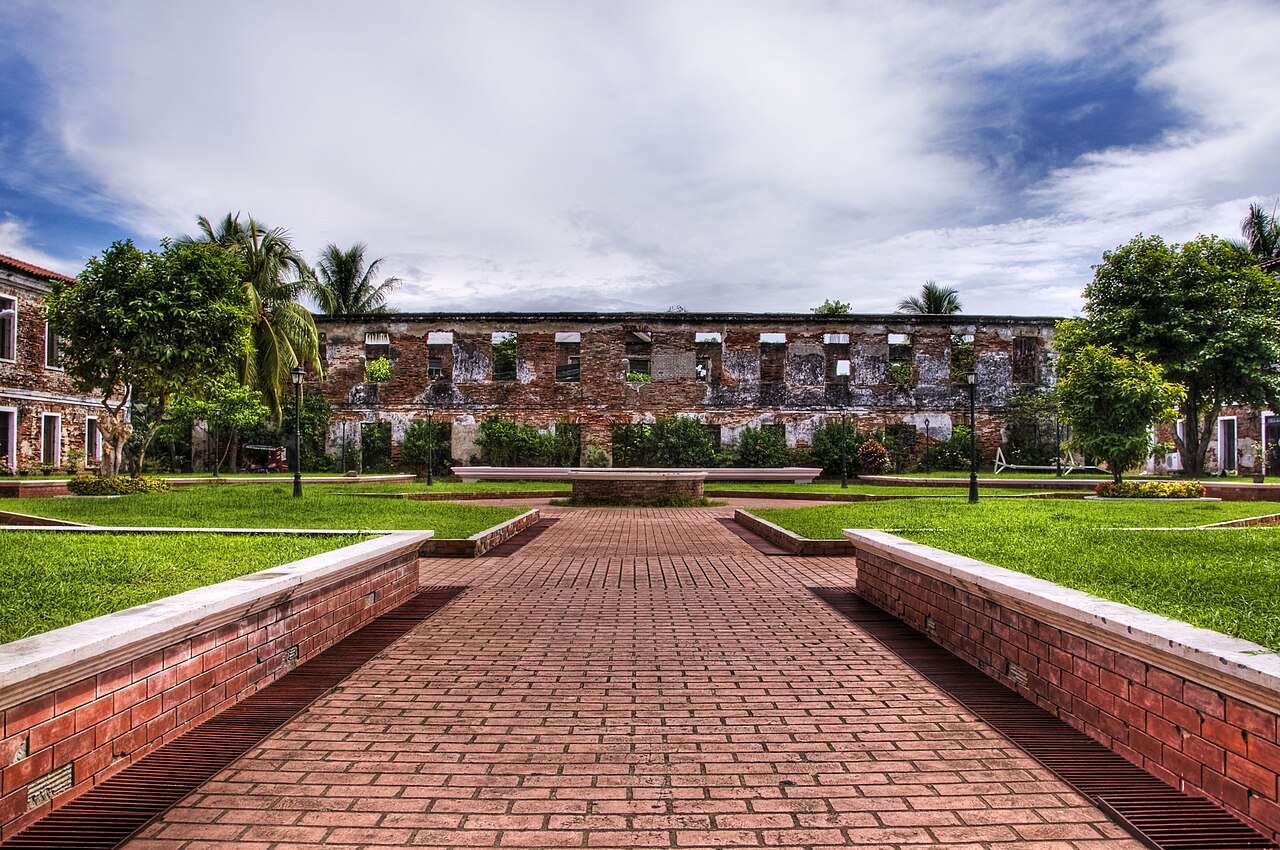
Today, Fort Pikit remains a significant cultural and historical landmark in Cotabato. Its well-preserved stone walls and towers offer valuable insights into Spanish military architecture in the Philippines. The fort's location behind the Municipal Hall makes it accessible to visitors interested in the colonial history of Mindanao and the architectural heritage of the period.
While the fort has undergone some conservation efforts, it retains much of its original structure and form, allowing for study and appreciation of its design and historical role. It stands as a testament to the complex colonial history of the Philippines and the military technologies employed during the 19th century.
Visiting Fort Pikit
Visitors to Fort Pikit can explore the remains of the fortress and gain an understanding of its strategic importance. The site offers opportunities for educational tours and cultural appreciation. Its proximity to the National Highway and the municipal center makes it an accessible destination for those interested in Philippine colonial history and military architecture.
Frequently asked questions (FAQ)
- What is Fort Pikit and where is it located?
- Fort Pikit is a 19th-century Spanish colonial bastioned fortress located in Pikit, Cotabato, Philippines, known for its strategic hilltop position.
- What are the main architectural features of Fort Pikit?
- The fort features two artillery towers, a 38-meter rubble stone wall, and a layout designed to house a garrison of infantry and artillerymen.
- Can visitors access Fort Pikit today?
- Yes, Fort Pikit is accessible to visitors and is situated behind the Municipal Hall of Pikit, making it easy to visit for those interested in history and architecture.
- Why was Fort Pikit built?
- It was built by the Spanish colonial government to secure control over southern Mindanao and to defend against local resistance and external threats during the 19th century.
- What is the current condition of Fort Pikit?
- Fort Pikit is well preserved, retaining much of its original stone walls and towers, allowing visitors to appreciate its historical and architectural significance.
Photo gallery

Photo by National Historical Commission of the Philippines•Public domain
Information
Loading map...
Visitor reviews
No reviews yet. Been here? Write the first review and help other travelers!
Write the first reviewVisited this castle? Share your experience
Your review helps other travelers and adds first-hand knowledge to our encyclopedia.