Fort Phil Kearny
Fort Phil Kearny was a significant military outpost established by the United States Army in the late 1860s during the period of westward expansion and conflicts with Native American tribes. Located in present-day northeastern Wyoming along the historic Bozeman Trail, the fort played a crucial role in protecting settlers and travelers moving through the region.
Construction and design
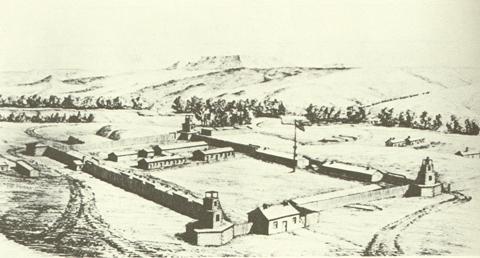
The construction of Fort Phil Kearny began on July 13, 1866, under the supervision of Colonel Henry B. Carrington, who commanded the 2nd Battalion, 18th Infantry, and was the Mountain District commander. The fort was built by Companies A, C, E, and H of the battalion. As a 19th-century bastioned fortress, its design incorporated defensive features typical of military forts of the era, including earthen walls and bastions intended to provide overlapping fields of fire against potential attackers.
Strategic importance and military role
Fort Phil Kearny was strategically positioned to guard the Bozeman Trail, a key route connecting the Oregon Trail to the gold fields of Montana. This location made it a focal point in the conflicts known as Red Cloud's War (1866–1868), where Native American tribes, particularly the Lakota Sioux, Northern Cheyenne, and Arapaho, resisted the incursion of settlers and soldiers into their hunting grounds.
Red cloud's war and sieges
The fort endured several attacks and sieges during Red Cloud's War. Notably, the Fetterman Fight in December 1866 was a significant defeat for the U.S. Army, where Captain William J. Fetterman and his men were ambushed and killed by Native American forces. The fort's defenses and garrison were tested repeatedly during this period, highlighting the challenges of frontier military campaigns.
Architecture and layout
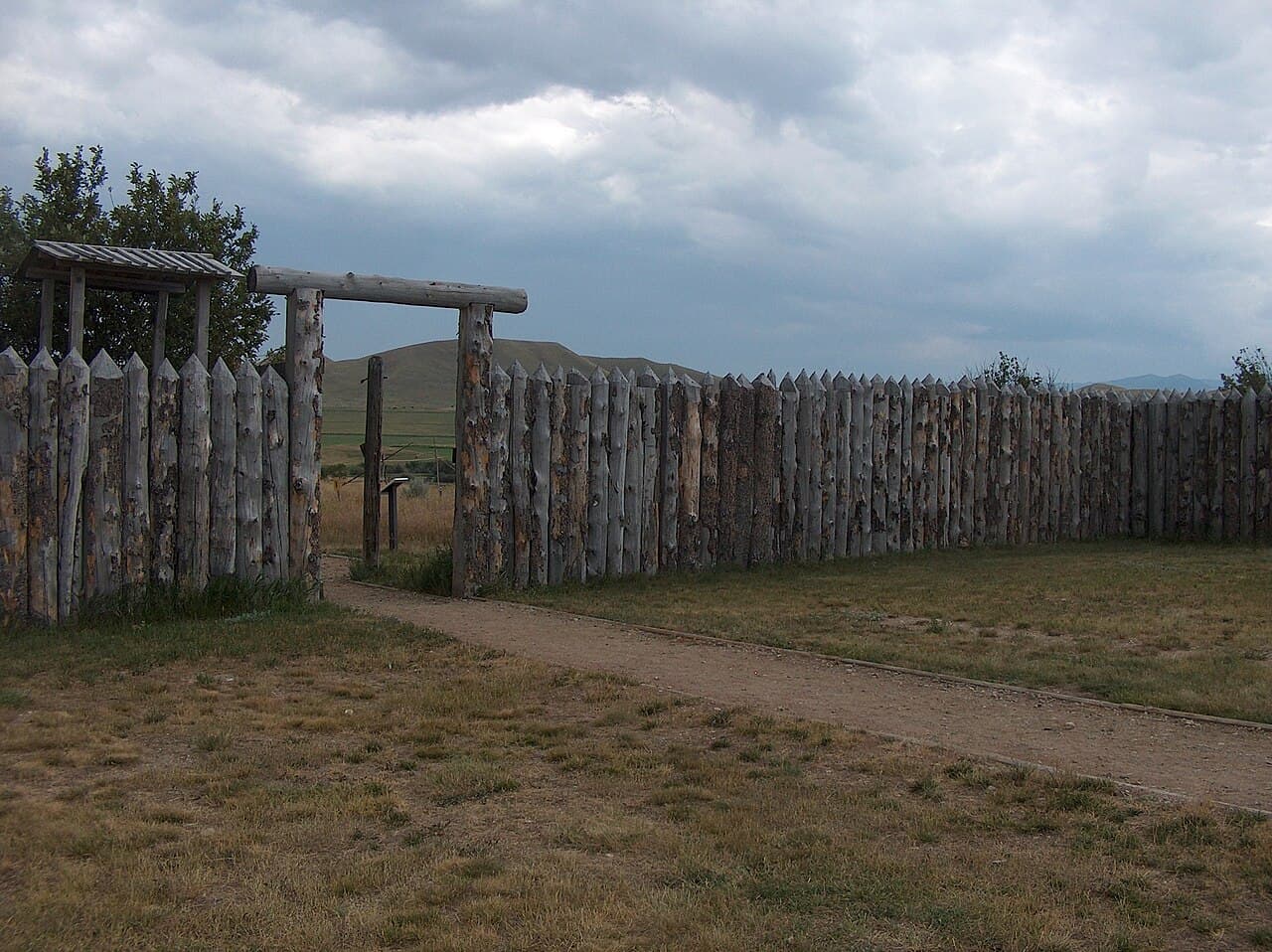
While primarily a military installation rather than a traditional castle, Fort Phil Kearny featured key architectural elements designed for defense and sustainability. These included thick wooden palisades, earthworks, bastions for artillery placement, and internal buildings such as barracks, officer quarters, a hospital, and storage facilities. The layout was compact to facilitate defense and communication within the fort.
Legacy and preservation
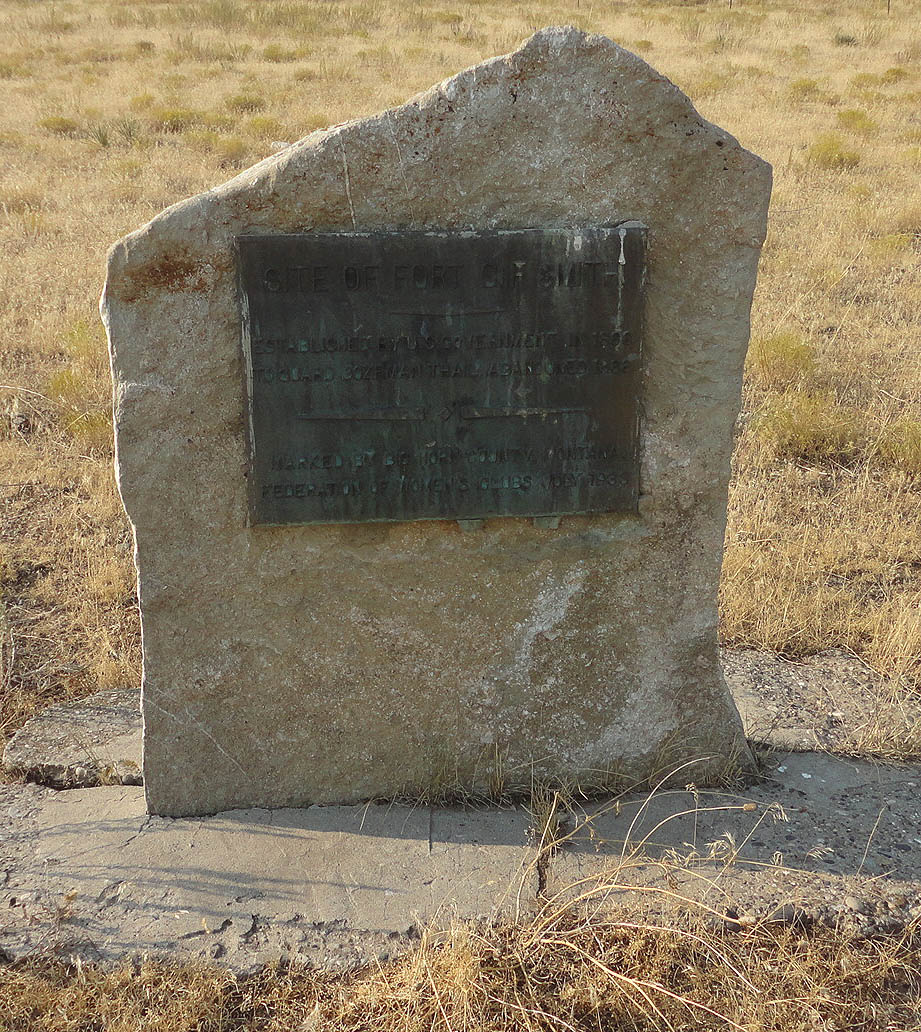
Fort Phil Kearny was abandoned by the U.S. Army following the Treaty of Fort Laramie in 1868, which ended Red Cloud's War and led to the closure of forts along the Bozeman Trail. Today, the site is preserved as a historic landmark and archaeological site, providing insight into the turbulent period of American westward expansion and military history. Visitors can explore the remnants of the fort's earthworks and learn about its role in the Indian Wars through interpretive displays and guided tours.
Cultural significance
The fort represents a critical chapter in the history of the American frontier, illustrating the military strategies used to control key transportation routes and the resistance of Native American tribes to U.S. expansion. It serves as a reminder of the complex and often violent interactions that shaped the development of the western United States.
Visiting fort phil kearny
Fort Phil Kearny is accessible to the public as a state historic site. Visitors can walk the grounds, view reconstructed features, and participate in educational programs. The site is open seasonally, with specific hours varying, and typically offers free or low-cost admission to encourage public engagement with this important historical location.
Frequently asked questions (FAQ)
- What is the historical significance of Fort Phil Kearny?
- Fort Phil Kearny, established in 1866, played a crucial role during the Indian Wars, serving as a military outpost for the United States Army. It was part of the Bozeman Trail, which was vital for westward expansion and the transportation of goods. The fort is remembered for its strategic importance and the battles that took place nearby, particularly the Fetterman Fight.
- When was Fort Phil Kearny constructed?
- Construction of Fort Phil Kearny began in 1866 and was completed in 1867. The fort was built to protect travelers along the Bozeman Trail and to maintain peace with local Native American tribes. Its establishment marked a significant moment in the westward expansion of the United States.
- Can I visit Fort Phil Kearny today?
- Yes, Fort Phil Kearny is open to visitors seeking to explore its rich history and heritage. The site features several reconstructed buildings and informative exhibits that provide insights into its past. Be sure to check the official website for any current health guidelines or restrictions before your visit.
- What are the opening hours for Fort Phil Kearny?
- Fort Phil Kearny is typically open from 8 AM to 5 PM during the summer months and has limited hours in the winter. However, these hours can change based on the season or special events, so it's advisable to visit their official website for the most current information. Planning ahead will ensure you make the most of your visit.
- Is it possible to access Fort Phil Kearny with public transportation?
- Public transportation options to Fort Phil Kearny are limited, as the site is located in a rural area. It is recommended to visit by car for the best convenience and to fully explore the surrounding areas. Consider carpooling or checking local shuttle services that may operate seasonally.
- What are the ticket prices for visiting Fort Phil Kearny?
- Admission to Fort Phil Kearny is typically free, making it accessible for all visitors interested in history. Donations are appreciated to help maintain the site and its educational programs. Always check the official website for the latest information regarding any special events or programs that may have associated fees.
- When is the best time to visit Fort Phil Kearny?
- The best time to visit Fort Phil Kearny is during the late spring through early fall when the weather is pleasant and the site is fully operational. Summer months offer additional activities and events, enhancing the visitor experience. However, visiting in the fall can also provide beautiful scenery and fewer crowds.
- What nearby attractions should I consider when visiting Fort Phil Kearny?
- While visiting Fort Phil Kearny, you can explore other historical sites in the area, such as the nearby Fetterman Massacre Site and the scenic landscapes of the Bighorn Mountains. The town of Buffalo also offers quaint shops and dining options. Planning a full day of exploration will enrich your experience of this fascinating region.
Photo gallery

Information
Loading map...
Visitor reviews
No reviews yet. Been here? Write the first review and help other travelers!
Write the first reviewVisited this castle? Share your experience
Your review helps other travelers and adds first-hand knowledge to our encyclopedia.