Fort C. F. Smith
Fort C. F. Smith was a strategic bastioned fortress established by the United States Army in the southern part of the Montana Territory on August 12, 1866. It was constructed during the turbulent period of the 19th century amid Red Cloud's War, a conflict arising from tensions between the U.S. government and the Oglala Lakota (Sioux) over control of the Powder River country and the protection of the Bozeman Trail. The trail, a key route to the Montana gold fields, was viewed by the Sioux as a violation of the 1851 Treaty of Fort Laramie, which had guaranteed their territorial rights.
Historical context and military purpose
Fort C. F. Smith was one of five forts ordered by Colonel Henry B. Carrington to secure the Bozeman Trail against Native American attacks. The fort's establishment was a direct response to increasing hostilities and aimed to assert U.S. control over the contested region. Its location in the Powder River country was strategically chosen for defense and supply line protection.
Architectural design and fortifications
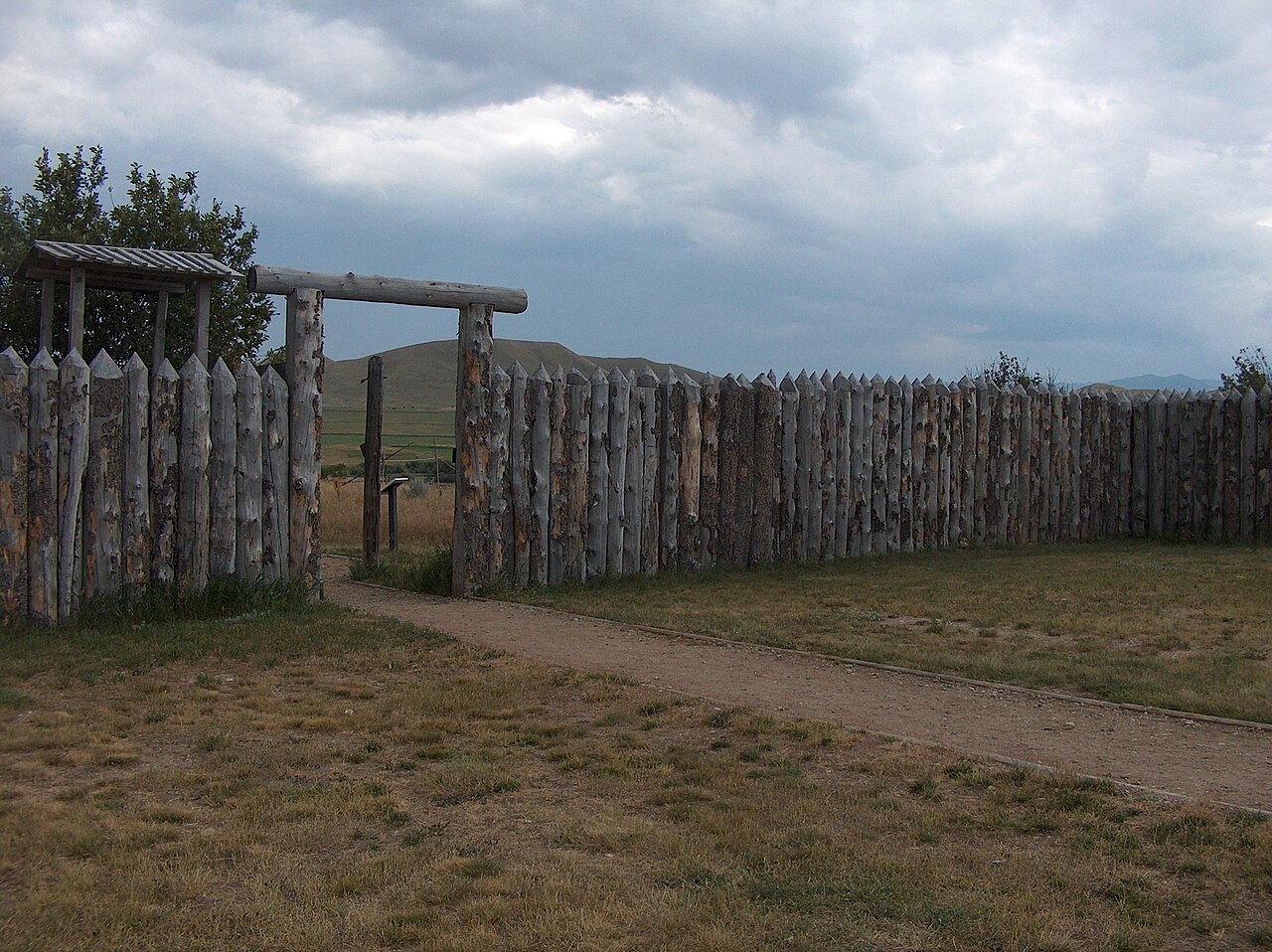
The fort exemplified typical bastioned fortress design principles of the 19th century, incorporating angled bastions projecting from the main walls to provide overlapping fields of fire and eliminate blind spots. This design enhanced defensive capabilities against potential sieges and raids. The fort's layout included earthworks and timber palisades, with bastions positioned at key corners. Inside, the fort housed barracks, officer quarters, storage facilities, and artillery placements to support its garrison.
Construction materials and techniques
Built primarily from locally sourced timber and earth, the fort's walls were reinforced with packed earthworks to absorb artillery fire. The bastions were constructed to allow defenders to cover all approaches with musketry and cannon fire. The use of earth and timber was typical of frontier military architecture, balancing defensive needs with the availability of materials.
Operational history and abandonment
Despite its robust design, Fort C. F. Smith was operational for only two years. The fort was a focal point during Red Cloud's War, witnessing frequent skirmishes and attacks. The conflict ended with the 1868 Treaty of Fort Laramie, which forced the U.S. Army to abandon the Bozeman Trail forts, including Fort C. F. Smith. Following the withdrawal, the fort was deliberately burned by the returning Sioux under the leadership of Red Cloud as a symbolic act of reclaiming their territory.
Legacy and archaeological significance
Today, Fort C. F. Smith remains an archaeological site of historical importance, offering insights into 19th-century frontier military architecture and the complex interactions between the U.S. government and Native American tribes. Excavations have revealed the fort's layout and construction methods, contributing to a better understanding of the military strategies employed during this period of American westward expansion.
Preservation efforts
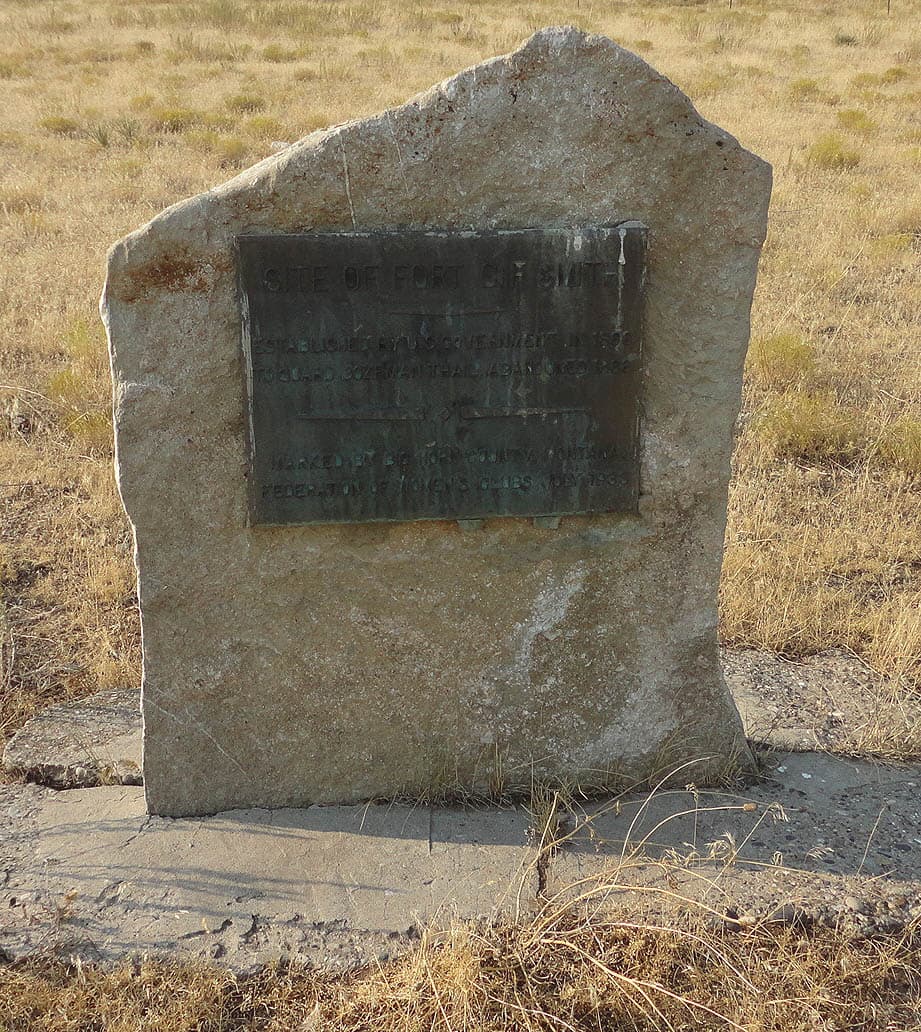
Although no standing structures remain, preservation efforts focus on protecting the site from erosion and development. Interpretive signage and markers help visitors appreciate the fort's role in the broader context of the Indian Wars and U.S. territorial expansion.
Visiting Fort C. F. Smith
The site is accessible to the public, though it lacks extensive visitor facilities. Those interested in military history and Native American heritage find the location significant. Visitors are encouraged to respect the site's cultural importance and natural surroundings.
Frequently asked questions (FAQ)
- What is the historical significance of Fort C. F. Smith?
- Fort C. F. Smith was built during the American Civil War as part of the defenses for Washington, D.C. It played a crucial role in protecting the nation’s capital and is a testament to military architecture of the era. Today, it serves as a reminder of the strategic importance of the area during the conflict.
- When was Fort C. F. Smith constructed?
- Construction of Fort C. F. Smith began in 1861 and was completed in 1863. It was one of several forts built around Washington, D.C. to bolster the city's defenses during the Civil War. The fort's strategic location provided a commanding view of the surrounding area.
- Can I visit Fort C. F. Smith?
- Yes, Fort C. F. Smith is open to the public and welcomes visitors interested in history and military architecture. You can explore the grounds and learn about its significance through informative displays. Guided tours may also be available on certain days.
- What are the opening hours for Fort C. F. Smith?
- Fort C. F. Smith is typically open to visitors from 9 AM to 5 PM daily, but it is advisable to check the official website for any seasonal changes or special events. Holiday hours may vary, so plan your visit accordingly. The park offers ample time for exploration and learning.
- Is Fort C. F. Smith accessible for individuals with disabilities?
- Yes, Fort C. F. Smith is designed to be accessible for visitors with disabilities. There are paved paths and facilities to ensure everyone can enjoy the historical site. If you have specific accessibility needs, consider contacting the staff in advance for any additional accommodations.
- What is the best time to visit Fort C. F. Smith?
- The best time to visit Fort C. F. Smith is during the spring and fall when the weather is mild and comfortable for outdoor activities. These seasons also offer beautiful scenery with blooming flowers or fall foliage. Summer can be hot, while winter may bring snow, which could limit access.
- Are there any nearby attractions to Fort C. F. Smith?
- Yes, there are several nearby attractions, including the Arlington National Cemetery and the Potomac River waterfront. Visitors can also explore the historic sites and museums in nearby Alexandria, Virginia. Combining your visit to Fort C. F. Smith with these attractions makes for a rich historical experience.
- What are the ticket prices for Fort C. F. Smith?
- Admission to Fort C. F. Smith is typically free, allowing visitors to explore the grounds without any cost. Some special events or guided tours may have a nominal fee, so it's best to check the official website for the latest information. This makes it an affordable option for history enthusiasts and families alike.
Photo gallery

Information
Loading map...
Visitor reviews
No reviews yet. Been here? Write the first review and help other travelers!
Write the first reviewVisited this castle? Share your experience
Your review helps other travelers and adds first-hand knowledge to our encyclopedia.