Fort of Santo António de Belixe
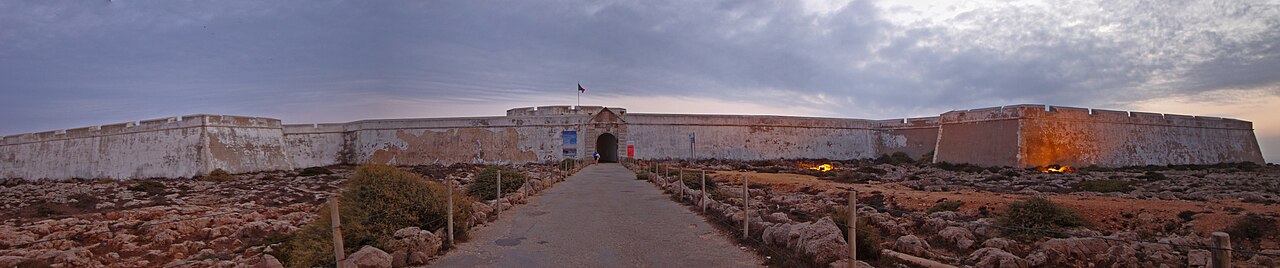
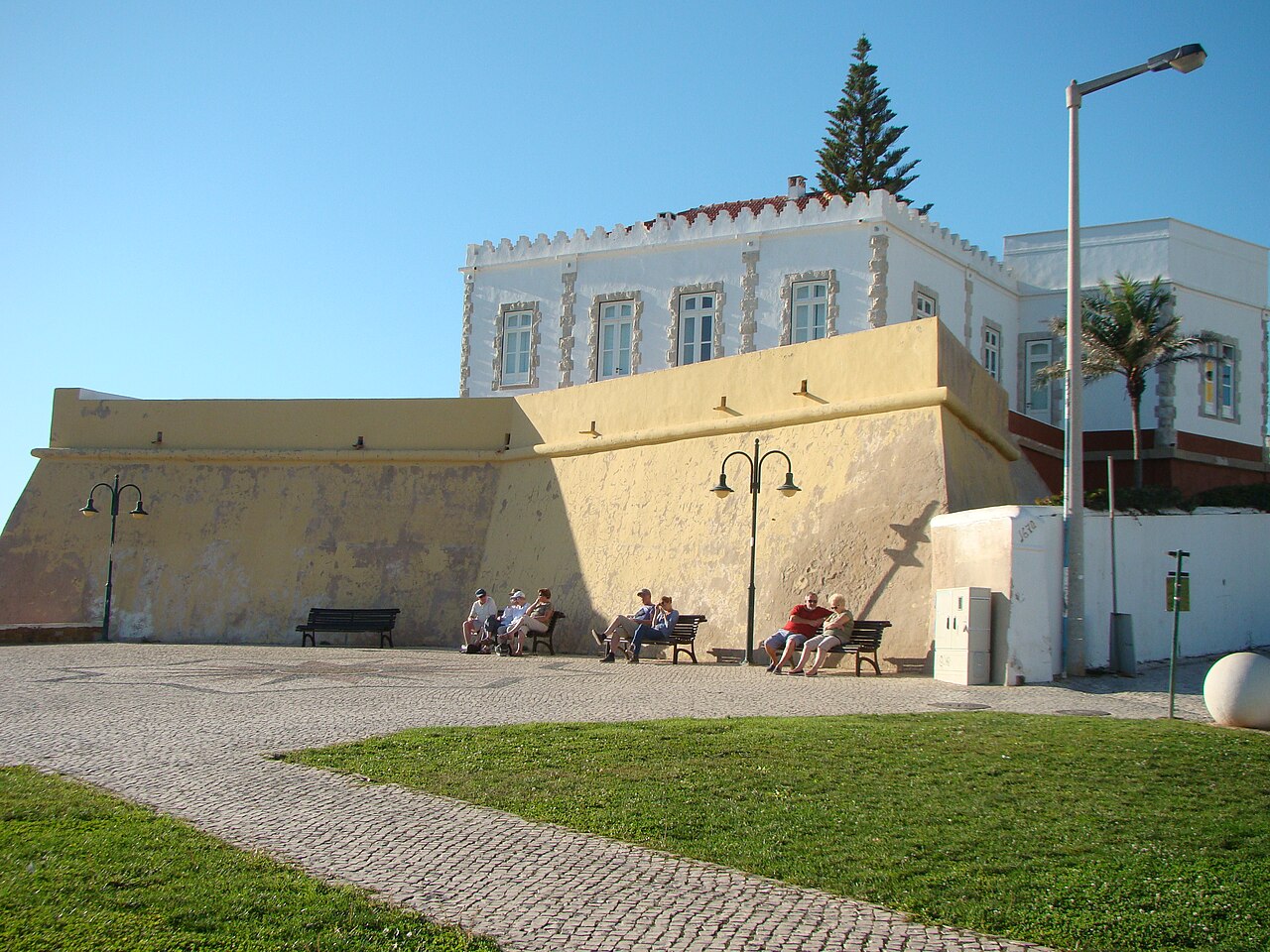
The Fort of Santo António de Belixe, also known as the Fortress of Beliche (Fortaleza de Belixe), is a prominent bastioned fortress situated on the dramatic cliffs of Cape St. Vincent in the parish of Sagres, within the municipality of Vila do Bispo, in the Faro District of Portugal. This fortification occupies a strategic position overlooking the Atlantic Ocean, historically serving as a critical defensive point protecting the southwestern coast of the Iberian Peninsula.
The exact origins of the fort are somewhat unclear, but it is documented to have existed by the 16th century. The structure as it stands today was largely developed during the 17th century, reflecting the Renaissance military architectural principles that were prevalent during that period. Its design incorporates characteristic elements of the bastioned fortress style, which was developed to counter the increasing effectiveness of artillery in siege warfare.
Strategic location and historical context
The fort's location on Cape St. Vincent made it a vital military installation for controlling maritime traffic along the southwestern coast of Portugal and guarding against potential naval incursions from hostile powers. The cape itself has been a significant landmark for navigation since ancient times, and the fort helped secure this critical maritime route.
During the Renaissance period, Portugal was a major maritime power, and coastal defenses like the Fort of Santo António de Belixe were essential to protect the country’s interests and its extensive overseas territories. The fort was part of a broader network of fortifications established along the Portuguese coast to provide early warning and defense against pirates, privateers, and enemy fleets.
Architectural features and design
The fort exemplifies the bastioned fortress design, characterized by angular bastions projecting outward from the main walls. These bastions allowed defenders to cover adjacent walls with overlapping fields of fire, minimizing blind spots and enhancing the fort's defensive capabilities against artillery and infantry assaults.
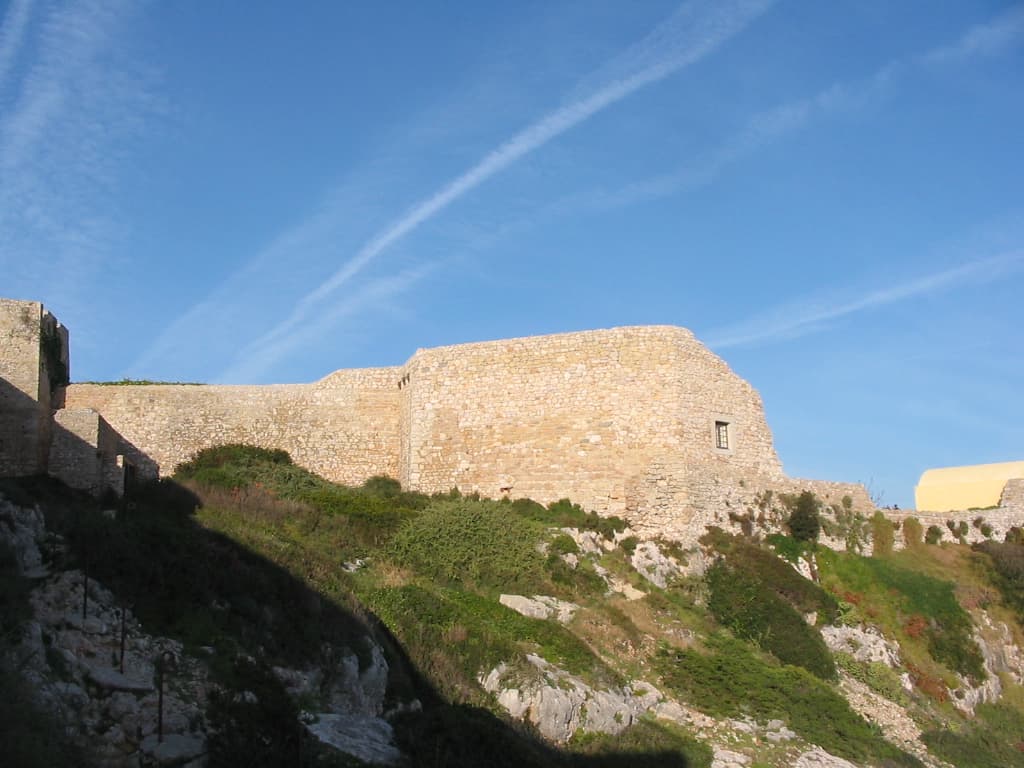
The walls of the fort are constructed with robust stone masonry, designed to absorb and deflect cannon fire. The fortress includes several bastions, curtain walls, and a central courtyard, typical of 17th-century military architecture. The entrance is fortified and often accessed via a drawbridge or a narrow passage to impede attackers.
Defensive elements
Key defensive components include thick ramparts, embrasures for cannons, and strategically placed watchtowers that provide extensive views of the surrounding sea and coastline. The layout facilitates the deployment of artillery to cover all approaches, making it difficult for enemy ships to approach undetected or unchallenged.
Interior structures
Within the fort, there are remnants of barracks, storage rooms for ammunition and supplies, and command quarters. These internal buildings supported the garrison stationed at the fort and were designed to sustain prolonged sieges if necessary.
The fort through time
Over the centuries, the Fort of Santo António de Belixe underwent various modifications and repairs to adapt to evolving military technologies and threats. Despite its age, the fort remains a well-preserved example of Renaissance bastioned military architecture in Portugal.
In modern times, the fort has lost its military function but stands as a cultural and historical monument. It attracts visitors interested in military history, architecture, and the breathtaking natural scenery of Cape St. Vincent. Its position on the cliffs offers panoramic views of the Atlantic Ocean and the rugged coastline, making it a popular destination for tourists and photographers.
Visiting the fort
The Fort of Santo António de Belixe is accessible to the public, allowing visitors to explore its ramparts, bastions, and interior spaces. The site provides educational information about its history and architectural significance, enhancing the visitor experience.
Nearby attractions include the Sagres Fortress and the Cape St. Vincent lighthouse, both of which contribute to the area's rich historical and maritime heritage.
Frequently asked questions (FAQ)
- How do I get to the Fort of Santo António de Belixe?
- The Fort of Santo António de Belixe is located in Vila do Bispo, Portugal, and can be accessed by car or public transportation. If driving, take the N125 road and follow signs to Vila do Bispo. There is parking available near the fort for visitors.
- What is the historical significance of the Fort of Santo António de Belixe?
- The Fort of Santo António de Belixe was built in the 17th century to protect the coastline from pirate attacks and invasions. It played a crucial role in the defense of the Algarve region during its time. Today, it stands as a historical monument, reflecting the military architecture of its era.
- When was the Fort of Santo António de Belixe constructed?
- The construction of the Fort of Santo António de Belixe began in 1632 and was completed in the following years. It was strategically built on a cliff to oversee the waters of the Atlantic Ocean. The fort has undergone several restorations to preserve its structure.
- Why is the Fort of Santo António de Belixe a popular attraction?
- The fort is popular not only for its historical significance but also for its breathtaking views of the ocean and rugged cliffs. It provides a wonderful opportunity for photography and enjoying nature. Additionally, its proximity to beautiful beaches makes it a great stop for tourists.
- Is it possible to enter the Fort of Santo António de Belixe?
- Yes, visitors can enter the fort and explore its grounds. However, access to certain areas may be limited due to restoration efforts or safety regulations. It's advisable to check in advance for any specific visitor guidelines.
- What are the opening hours of the Fort of Santo António de Belixe?
- The Fort of Santo António de Belixe typically opens to visitors from 9 AM to 6 PM daily, but hours may vary seasonally. It's recommended to verify the current opening times on the official website or local tourist information before your visit. This ensures you have the latest information for planning your trip.
- What is the best time to visit the Fort of Santo António de Belixe?
- The best time to visit is during the spring and fall months when the weather is mild and pleasant. Summer can be quite hot and crowded, while winter may present challenges due to rain. Visiting during off-peak seasons allows for a more enjoyable experience with fewer crowds.
- Are there any nearby attractions to visit after the Fort of Santo António de Belixe?
- Yes, after visiting the fort, you can explore several nearby attractions, including beautiful beaches like Praia do Amado and Praia da Arrifana. The area is also rich in natural parks, hiking trails, and charming villages. This makes it easy to plan a full day of exploration in the stunning Algarve region.
- What are the ticket prices for the Fort of Santo António de Belixe?
- Entry to the Fort of Santo António de Belixe is usually free of charge, making it an accessible destination for all visitors. However, special events or guided tours may have associated fees. It's advisable to check for any updates on pricing before your visit.
Photo gallery

Information
Loading map...
Visitor reviews
No reviews yet. Been here? Write the first review and help other travelers!
Write the first reviewVisited this castle? Share your experience
Your review helps other travelers and adds first-hand knowledge to our encyclopedia.