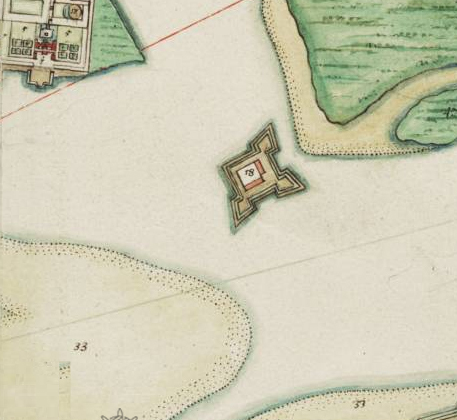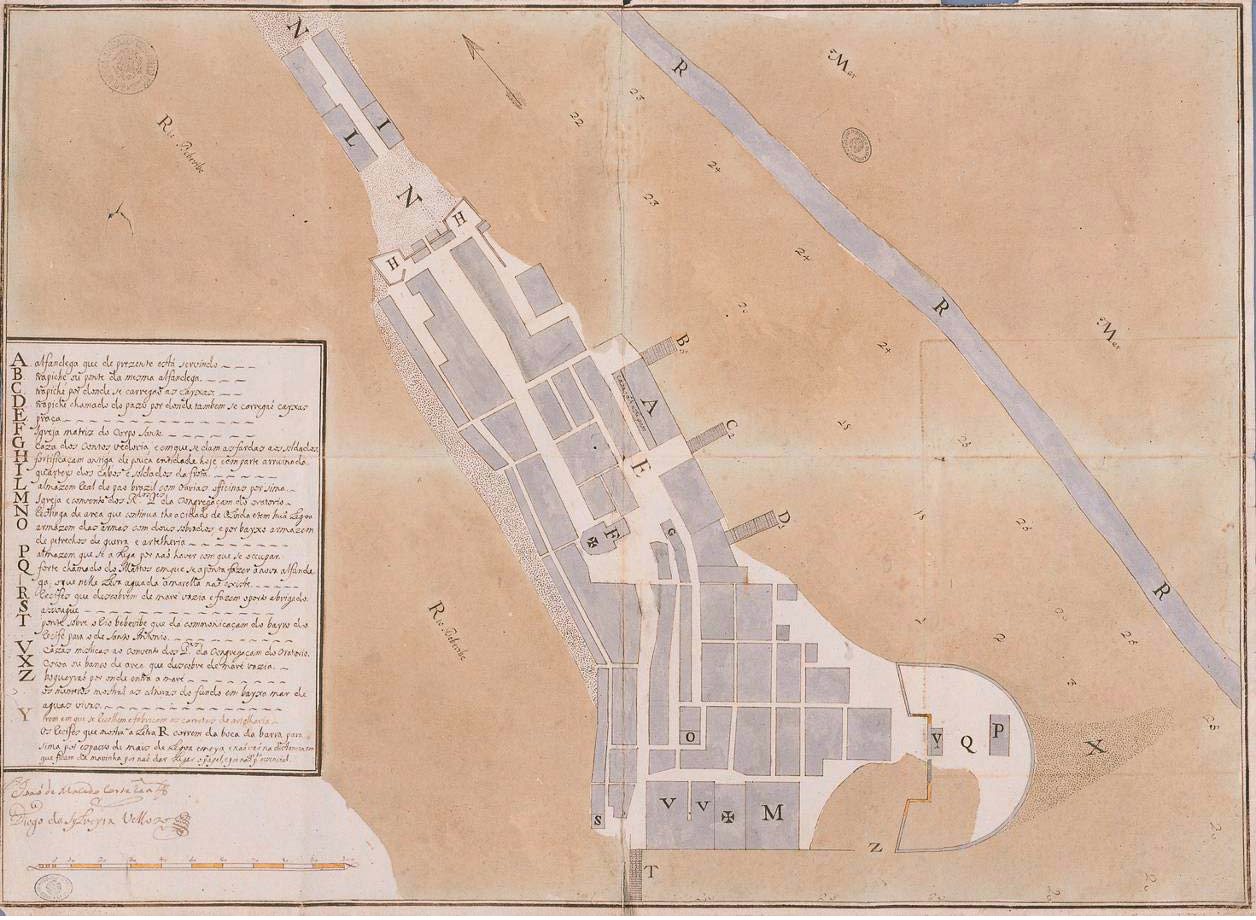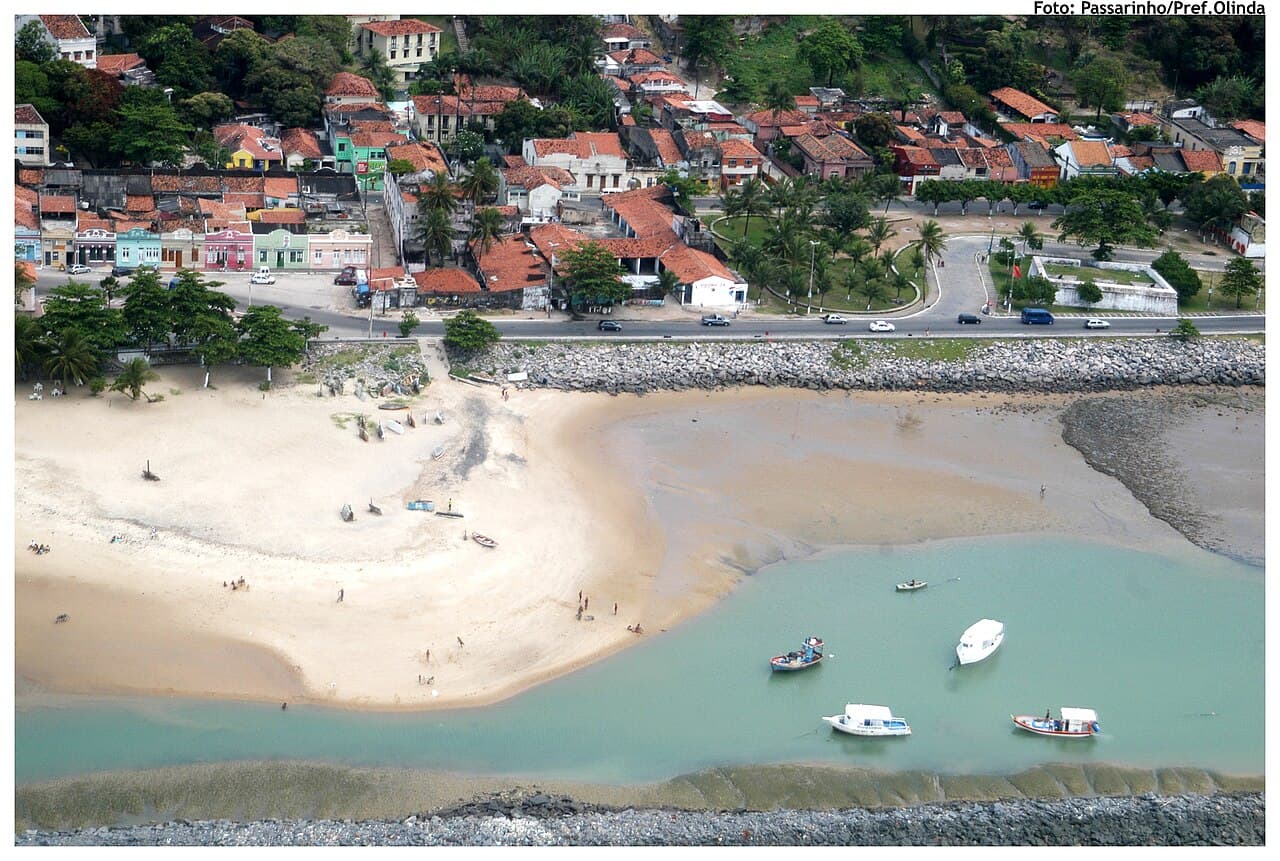
The Fort of Saint Francis is a notable example of a bastioned fortress located in Brazil, reflecting the strategic military architecture developed during the colonial period. This fortress was constructed to defend the coastline against naval threats and to secure the territory from foreign invasions and pirate attacks. Its design incorporates the characteristic angular bastions that allowed defenders to cover adjacent walls with crossfire, a hallmark of bastioned fortifications.
Historical context and strategic importance
Built during the colonial era, the Fort of Saint Francis served as a critical military installation for Portuguese colonial forces. The fortress's location along the Brazilian coast was chosen for its strategic vantage point, enabling control over maritime routes and protection of nearby settlements. Its construction aligns with the widespread adoption of bastioned fort designs in the 16th and 17th centuries, which were influenced by advances in artillery and siege warfare.
Architectural features and design
The fortress exemplifies the bastioned fortress style, characterized by its star-shaped layout with projecting bastions at the corners. These bastions provided overlapping fields of fire, minimizing blind spots and enhancing defensive capabilities. The walls are typically thick and angled to better deflect cannon fire. The fort likely included a moat or ditch surrounding the walls to hinder enemy approach, along with a main gate fortified with defensive structures such as a ravelin or drawbridge.
Inside, the fort would have contained barracks, storage facilities for ammunition and supplies, and command quarters. The design reflects the practical needs of sustained defense and garrison life, with provisions for both military operations and daily living.
Construction period and style
While the exact construction date of the Fort of Saint Francis is not precisely documented, its architectural style and defensive features suggest it was built during the post-medieval period, likely between the 16th and 18th centuries. The fortress's design is consistent with the baroque military architectural principles that were prevalent in colonial fortifications, emphasizing robust, angular bastions and thick defensive walls.
Current condition and cultural significance
The Fort of Saint Francis remains a significant cultural and historical landmark in Brazil. Its preservation status varies, with some sections potentially well-preserved or restored to maintain structural integrity and historical authenticity. The fortress offers valuable insights into colonial military engineering and Brazil's coastal defense history.
Today, the site may serve as a tourist attraction, educational resource, and symbol of Brazil's colonial past. Visitors can explore its architectural features, learn about the military strategies employed, and appreciate the fortress's role in shaping regional history.
Visiting information and accessibility
Details about public access, visiting hours, and ticket prices for the Fort of Saint Francis are not widely documented. Potential visitors are advised to check with local tourism offices or heritage organizations for the most current information. The site may offer guided tours or informational exhibits to enhance the visitor experience.
Frequently asked questions (FAQ)
- What is the historical significance of the Fort of Saint Francis?
- The Fort of Saint Francis played a crucial role in protecting Brazil's coastline during the colonial period, serving as a bastioned fortress that defended against naval attacks and foreign invasions.
- What architectural style characterizes the Fort of Saint Francis?
- The fortress is designed in the baroque military architectural style, featuring angular bastions and thick walls typical of bastioned fortresses built between the 16th and 18th centuries.
- Is the Fort of Saint Francis open to visitors?
- Visiting information is limited, so it is recommended to contact local tourism authorities for current details about access, opening hours, and guided tours.
- What defensive features does the Fort of Saint Francis have?
- The fort includes star-shaped bastions allowing crossfire coverage, thick angled walls to deflect cannon fire, and likely a moat or ditch to prevent enemy approach.
- When was the Fort of Saint Francis likely constructed?
- The construction likely dates back to the post-medieval period, between the 16th and 18th centuries, aligning with the colonial era of Brazil and the baroque military architectural movement.
Photo gallery

Information
Loading map...
Visitor reviews
No reviews yet. Been here? Write the first review and help other travelers!
Write the first reviewVisited this castle? Share your experience
Your review helps other travelers and adds first-hand knowledge to our encyclopedia.