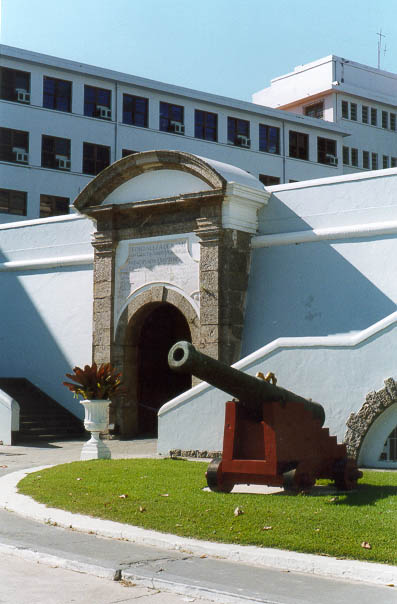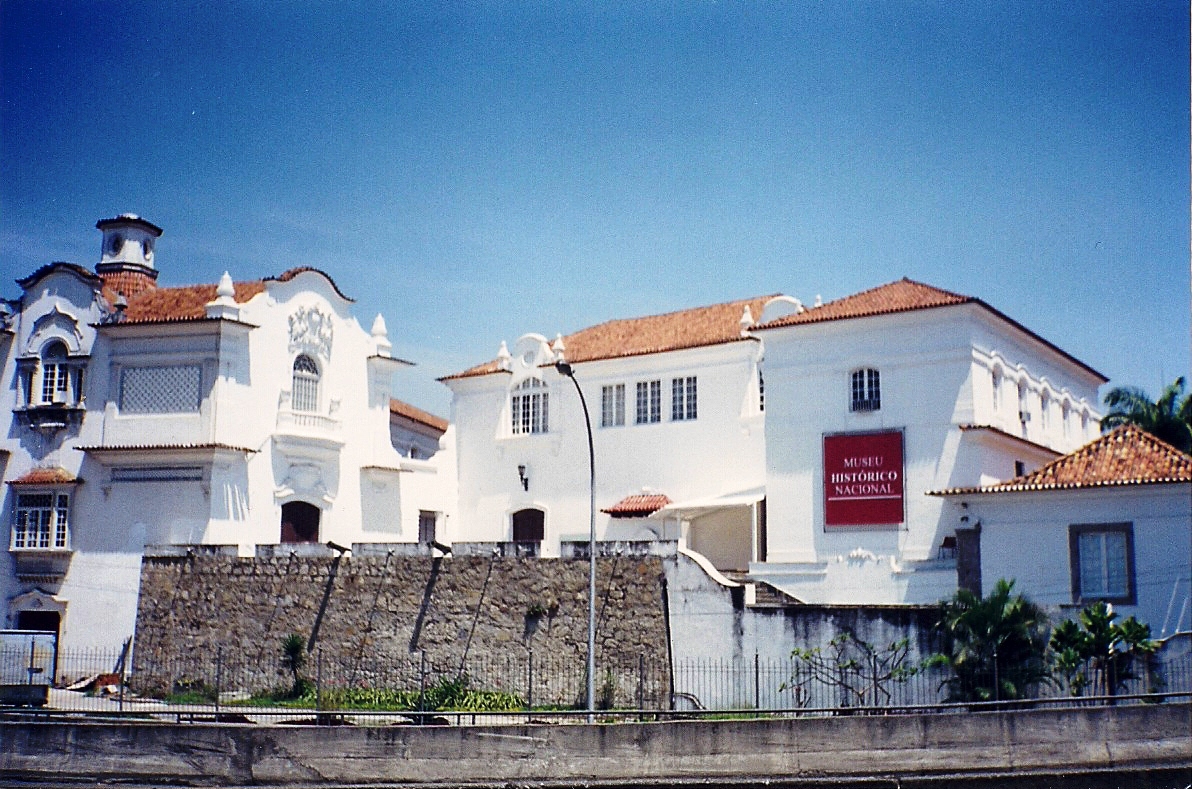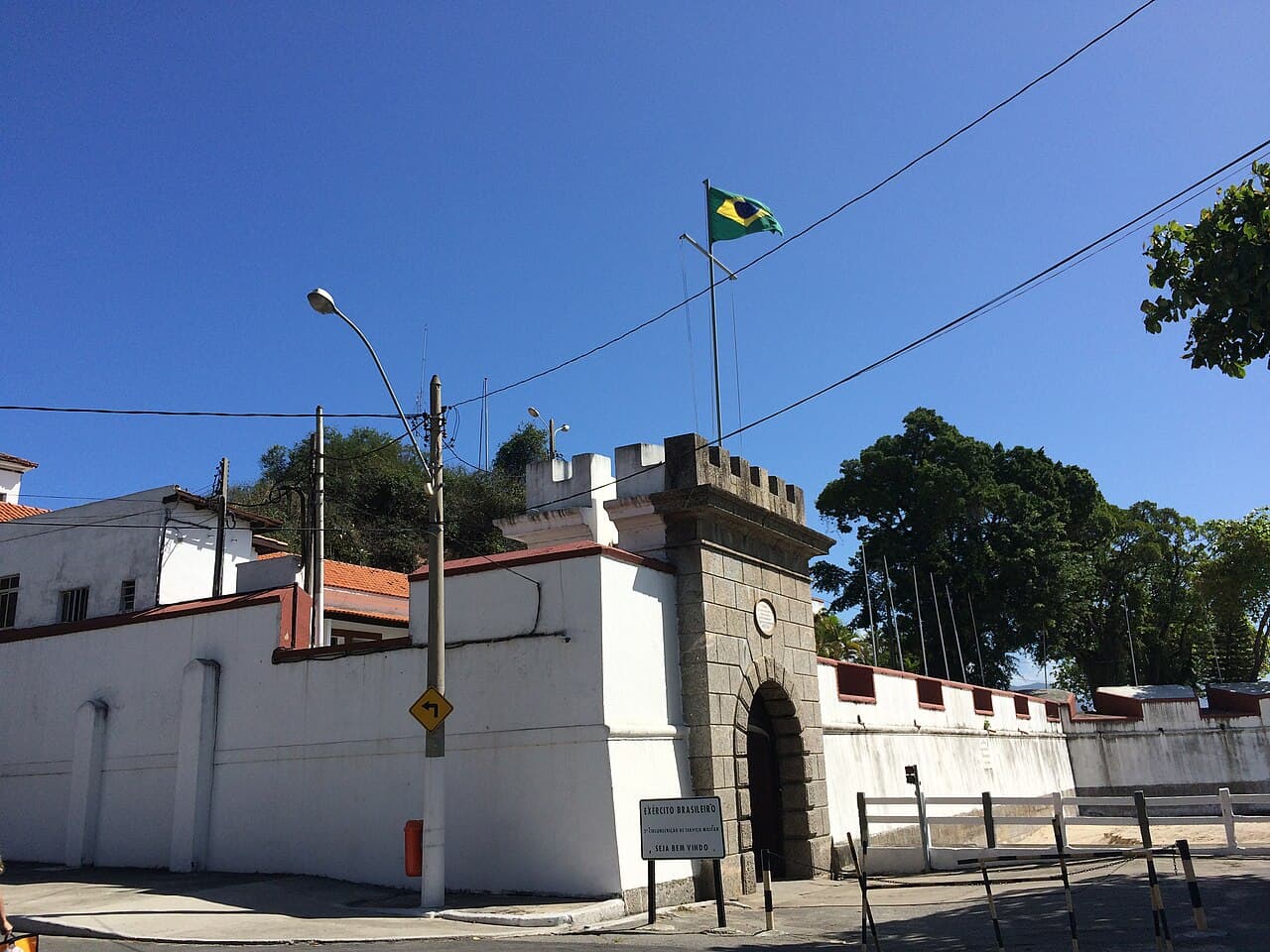
Fort of Gragoatá, also known as Forte de São Domingos de Gragoatá, is a historic bastioned fortress situated in Niterói, Rio de Janeiro, Brazil. This fort represents an important example of colonial military architecture in Brazil, reflecting the strategic military efforts during the Portuguese colonial period to defend the Guanabara Bay and the city of Rio de Janeiro from naval threats.
Historical context and significance
Constructed in the 17th century, the Fort of Gragoatá played a critical role in the defense system of the Guanabara Bay. During this period, the Portuguese crown invested heavily in fortifications to protect its valuable colonial possessions from European rivals and pirates. The fort was part of a network of coastal defenses designed to secure the bay's entrance and safeguard the city of Rio de Janeiro, which was a major colonial capital and port.
The fort's location in Niterói, directly across from Rio de Janeiro, allowed it to control naval access effectively. Its presence complemented other forts in the area, creating overlapping fields of fire and enhancing the overall defense strategy. The fort's role extended beyond military defense, as it also served as a symbol of Portuguese authority in the region.
Architectural features and design
The Fort of Gragoatá is classified as a bastioned fortress, a style that became prominent in the early modern period. This design incorporates angled bastions projecting from the main walls, allowing defenders to cover adjacent walls with cannon and musket fire, eliminating blind spots. The bastioned system was a significant advancement over medieval castle designs, adapting fortifications to the era of gunpowder artillery.
The fort is constructed primarily from stone and masonry, materials chosen for their durability against cannon fire and the harsh coastal environment. Its walls are thick and sloped to better deflect incoming projectiles. The fortress includes several bastions arranged to provide comprehensive coverage of the bay entrance and surrounding approaches.
Within the fort, there are various military structures such as barracks, powder magazines, and artillery platforms. These facilities supported the garrison stationed at the fort, enabling sustained defense during sieges or naval engagements. The layout reflects the practical needs of a coastal fortress, balancing defensive strength with operational functionality.
Preservation and current status
Today, the Fort of Gragoatá is well preserved and serves as a cultural and historical landmark in Niterói. It is accessible to visitors interested in Brazil's colonial history and military architecture. The fort's preservation allows for the study and appreciation of early modern fortification techniques and the colonial history of the region.
Efforts have been made to maintain the structural integrity of the fort and to provide interpretive information for visitors. The site occasionally hosts cultural events and educational programs that highlight its historical significance.
Visiting information
The fort is open to the public, offering a glimpse into Brazil's colonial military past. Visitors can explore the bastions, walls, and internal structures while enjoying views of Guanabara Bay and the city of Rio de Janeiro across the water. The site is an important destination for those interested in military history, architecture, and Brazilian heritage.
While specific visiting hours and ticket prices may vary, the fort is generally accessible during daytime hours. It is advisable to check local resources for the most current visitor information before planning a trip.
Frequently asked questions (FAQ)
- What is the historical significance of the Fort of Gragoatá?
- The Fort of Gragoatá, built in the 18th century, played a crucial role in Brazil's coastal defense during colonial times. It served as a strategic military outpost to protect the Bay of Guanabara from foreign invasions, showcasing the importance of Niterói in Brazil's naval history.
- When was the Fort of Gragoatá constructed?
- Construction of the Fort of Gragoatá began in 1730 and was completed in 1740. This fortification was part of a broader strategy to enhance Brazil’s military capabilities during the colonial era, reflecting the architectural trends of the time.
- Can I visit the Fort of Gragoatá?
- Yes, visitors are welcome to explore the Fort of Gragoatá. It offers guided tours that provide insights into its history and architecture, making it an enriching experience for those interested in Brazilian heritage.
- What are the opening hours for the Fort of Gragoatá?
- The Fort of Gragoatá is typically open to visitors from Tuesday to Sunday, from 10 AM to 5 PM. It is advisable to check the official website or contact them for any updates or changes in the schedule.
- Is it possible to access the Fort of Gragoatá by public transport?
- Yes, the Fort of Gragoatá is accessible via public transport. Buses and local taxis frequently service the area, making it easy for visitors to reach the fort without needing a personal vehicle.
- What are the ticket prices for visiting the Fort of Gragoatá?
- Admission to the Fort of Gragoatá is usually free, but there may be a small fee for guided tours. It's best to check their official website for the most current pricing and any special events that may have different rates.
- When is the best time to visit the Fort of Gragoatá?
- The best time to visit the Fort of Gragoatá is during the dry season, from May to September, when the weather is more pleasant for outdoor activities. Early mornings or late afternoons also offer stunning views of the surrounding landscape.
- Are there any nearby attractions to the Fort of Gragoatá?
- Yes, the Fort of Gragoatá is in close proximity to several attractions, including the famous Parque da Cidade and the stunning views from the Niterói Contemporary Art Museum. Visitors can easily explore these sites as part of their trip.
- What architectural features can I expect to see at the Fort of Gragoatá?
- The Fort of Gragoatá boasts classic colonial military architecture, with thick stone walls and bastions that reflect its defensive purpose. Visitors can admire the intricate details and historical design elements that have withstood the test of time.
Photo gallery

Information
Loading map...
Visitor reviews
No reviews yet. Been here? Write the first review and help other travelers!
Write the first reviewVisited this castle? Share your experience
Your review helps other travelers and adds first-hand knowledge to our encyclopedia.