Fort of Santiago
Historical background and strategic importance
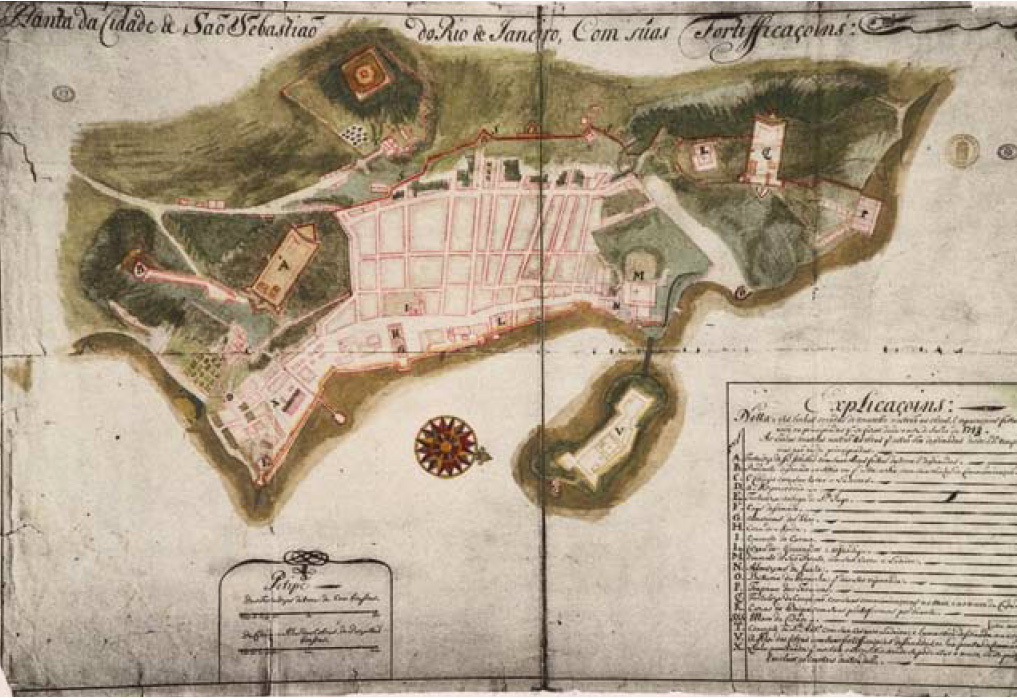
Built during the period when European powers were expanding their overseas territories, the Fort of Santiago was established to secure the coastline of Brazil against potential invasions and pirate incursions. Although the exact date of construction is uncertain, it aligns with the broader wave of fortifications erected in Brazil from the 16th to 18th centuries, reflecting the post-medieval evolution of military architecture. The fortress was part of a network of coastal defenses that safeguarded important ports and settlements along the Atlantic coast.
Architectural features of a bastioned fortress
Design and layout
The fort's layout follows the principles of bastioned fortification, characterized by a polygonal shape with protruding bastions at the corners. This design allowed defenders to cover adjacent walls with cannon and musket fire, eliminating blind spots and enhancing the fort's defensive capabilities. The walls were typically constructed of thick masonry to withstand artillery bombardment.
Defensive structures
In addition to the bastions, the fortress included features such as curtains walls, a dry moat or ditch surrounding the perimeter, and a glacis—a gently sloping embankment designed to expose attackers to defensive fire. The entrance was often protected by a gatehouse with additional defensive measures like ravelins or outworks.
Role in Brazilian colonial history
The Fort of Santiago was integral to the defense of the region during periods of conflict between colonial powers, including skirmishes involving the Portuguese, Dutch, and French. Its strategic position allowed control over maritime access and contributed to the security of nearby settlements and trade routes. Over time, the fort witnessed various modifications reflecting changes in military technology and strategic needs.
Current condition and heritage status
Today, the Fort of Santiago stands as a testament to Brazil's colonial past and military heritage. Its preservation varies, with some sections well-maintained and others showing signs of wear due to exposure and historical events. The site is recognized for its cultural significance and attracts visitors interested in military architecture and Brazilian history.
Visiting information and accessibility
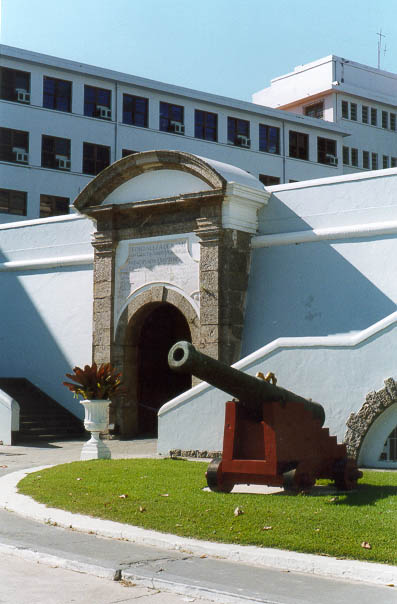
Visitors to the Fort of Santiago can explore its bastions, walls, and internal courtyards, gaining insight into the defensive strategies employed during the colonial era. The fortress often hosts guided tours and educational programs that highlight its architectural features and historical context. Accessibility and opening hours may vary depending on local management and conservation efforts.
Frequently asked questions (FAQ)
- What is the historical significance of Fort of Santiago in Brazil?
- Fort of Santiago served as a key coastal defense during Brazil's colonial period, protecting against naval attacks and pirate incursions. It played a strategic role in securing maritime routes and nearby settlements.
- What architectural features define a bastioned fortress like Fort of Santiago?
- Bastioned fortresses feature angled bastions at corners, thick masonry walls, dry moats, and outworks such as ravelins. These elements provide overlapping fields of fire and strong defense against artillery.
- Can visitors tour the Fort of Santiago?
- Yes, visitors can explore the fort's bastions, walls, and courtyards. Guided tours and educational programs are often available to explain its historical and architectural significance.
Photo gallery

Photo by Carlos Luis M C da Cruz•Public domain
Information
Loading map...
Visitor reviews
No reviews yet. Been here? Write the first review and help other travelers!
Write the first reviewVisited this castle? Share your experience
Your review helps other travelers and adds first-hand knowledge to our encyclopedia.