Fort Mose
Fort Mose, originally known as Gracia Real de Santa Teresa de Mose (Royal Grace of Saint Teresa of Mose), stands as a significant historical site in St. Augustine, Florida. Established in 1738 under the direction of Manuel de Montiano, the governor of Spanish Florida, it was the first legally sanctioned free black settlement in the territory that would eventually become the United States. This fortification was more than a military installation; it was a symbol of freedom and refuge for escaped enslaved Africans seeking sanctuary under Spanish rule.
Historical significance and foundation
The creation of Fort Mose was a strategic and humanitarian effort by the Spanish Crown. It served as a northern defense outpost for the Spanish colony of Florida and a haven for fugitive slaves from the British colonies to the north. The Spanish policy offered freedom to enslaved people who escaped from British plantations and converted to Catholicism, thereby undermining British colonial power and bolstering Spanish defenses.
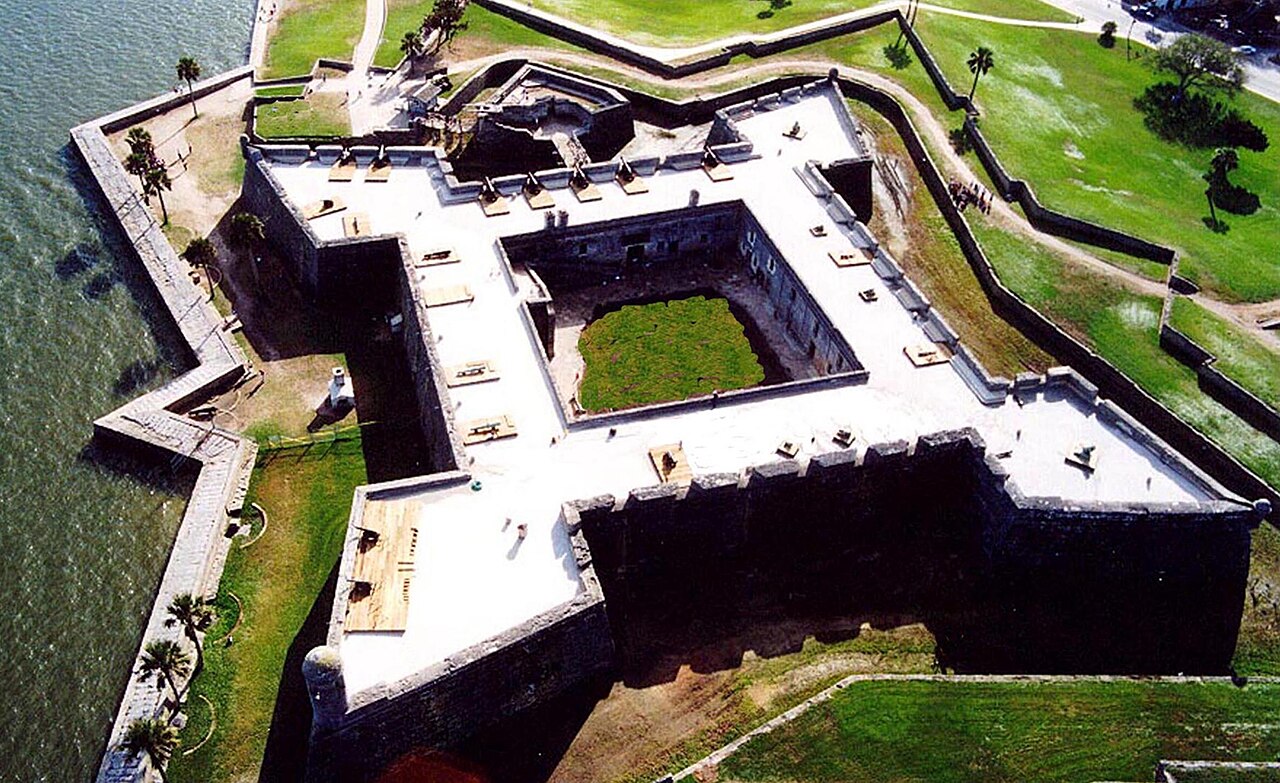
The original fort was constructed as a bastioned fortress, a style typical of Spanish military architecture designed to withstand artillery attacks. It was situated near the northern boundary of Spanish Florida, close to the British colony of South Carolina, making it a critical point of defense and a beacon of hope for those seeking freedom.
Military conflicts and reconstruction
Fort Mose played a pivotal role during the War of Jenkins' Ear and the associated Battle of Bloody Mose in 1740. During this conflict, British forces attempted to capture the fort but were repelled by a combined force of Spanish soldiers and free black militia. Despite this victory, the original fort was briefly abandoned following the battle due to strategic considerations and damage sustained.
In 1752, the fort was rebuilt at a nearby location and reoccupied by free Africans until 1763, when Spain ceded Florida to Britain. The second fort's site was uncovered during an archaeological excavation in 1986, providing valuable insights into the layout and life within the settlement.
Archaeological discoveries and preservation
The rediscovery of Fort Mose’s second fort site has been instrumental in preserving this unique chapter of American and African diaspora history. The 24-acre archaeological site is now protected as part of the Fort Mose Historic State Park, administered in conjunction with the Anastasia State Recreation Area.
The park features a visitors' center, a small museum, and a historically accurate replica of the 1738 fort, built to educate the public about the fort’s significance and the lives of its inhabitants. The replica was completed and opened to the public in May 2025, following funding from the Florida African American Cultural and Historical Grants Program and community support through events such as jazz concerts.
Architectural features and layout
The original fort’s design followed the principles of a bastioned fortress, characterized by angular bastions projecting outward from the main walls, allowing defenders to cover adjacent walls with gunfire and reduce blind spots. This design was common in Spanish colonial military architecture of the 18th century.
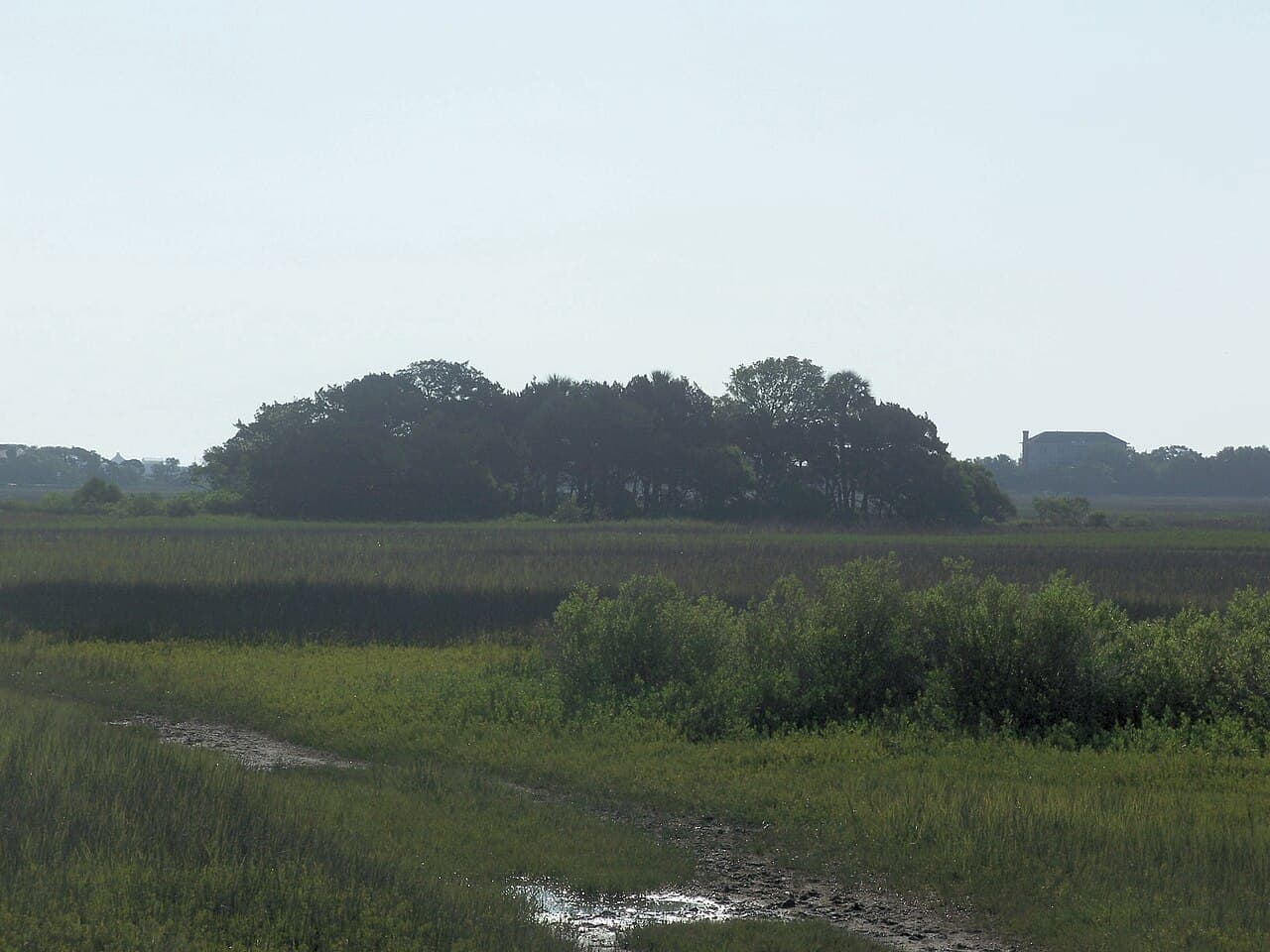
The fort’s location on the edge of a salt marsh provided natural defense barriers and access to waterways, essential for supply and communication. The reconstructed fort reflects these features, offering visitors a tangible connection to the strategic military engineering of the period.
Fort Mose today: cultural heritage and public engagement
Today, Fort Mose Historic State Park serves as a cultural and educational landmark, highlighting the fort’s role in African American history and colonial military strategy. It is recognized as the premier site on the Florida Black Heritage Trail, attracting visitors interested in history, archaeology, and heritage tourism.
The site also hosts outdoor concerts and community events, including blues and jazz performances, which celebrate the cultural legacy of the African American community connected to Fort Mose.
In 1994, Fort Mose was designated a U.S. National Historic Landmark, affirming its importance as a symbol of freedom and resilience. Its preservation and interpretation continue to provide valuable lessons on the complexities of colonial history, race, and identity in early America.
Frequently asked questions (FAQ)
- What is Fort Mose?
- Fort Mose is a historic site located in St. Augustine, Florida, recognized as the first free African settlement in the United States. Established in 1738, it served as a refuge for enslaved Africans who escaped from the British colonies, making it a significant landmark in American history.
- When was Fort Mose established?
- Fort Mose was established in 1738 by the Spanish government as a military outpost and settlement for free Africans. It played a crucial role in the defense of St. Augustine against British forces and represents an important chapter in the story of freedom and resilience.
- What are the opening hours of Fort Mose?
- Fort Mose is open to visitors from 9 AM to 5 PM, Tuesday through Saturday. It is advisable to check their official website for any seasonal changes or special holiday hours before planning your visit.
- Can I visit Fort Mose without a ticket?
- Yes, visiting Fort Mose is free of charge, allowing everyone to explore this important historical site without any entrance fees. However, donations are appreciated to help maintain the site and its educational programs.
- Is Fort Mose accessible for individuals with disabilities?
- Yes, Fort Mose is committed to providing accessibility for all visitors. The pathways and facilities are designed to accommodate individuals with mobility challenges, ensuring everyone can enjoy the historical significance of the site.
- What is the best time to visit Fort Mose?
- The best time to visit Fort Mose is during the cooler months, from November to March, when the weather is more pleasant for outdoor exploration. Additionally, visiting during weekdays can help you avoid larger crowds and enhance your experience.
- What nearby attractions can I visit while at Fort Mose?
- While visiting Fort Mose, you can explore other nearby attractions such as the Castillo de San Marcos, the St. Augustine Lighthouse, and the historic downtown area of St. Augustine. These sites provide a rich context to the history of the region and offer a full day of exploration.
- What architectural features can I expect at Fort Mose?
- Fort Mose features reconstructed earthworks and interpretive displays that reflect its historical significance as a military fortification. Visitors can see the layout of the fort and learn about the architecture of the time, which was designed for both defense and habitation.
- Are there any guided tours available at Fort Mose?
- Yes, Fort Mose offers guided tours which provide in-depth information about its history and significance. These tours are led by knowledgeable staff and are a great way to enhance your understanding of this unique site.
Photo gallery

Information
Loading map...
Visitor reviews
No reviews yet. Been here? Write the first review and help other travelers!
Write the first reviewVisited this castle? Share your experience
Your review helps other travelers and adds first-hand knowledge to our encyclopedia.