Fort Lytton
Fort Lytton is a significant 19th-century bastioned fortress located in the suburb of Lytton in Brisbane, Queensland, Australia. Constructed between 1880 and 1882, it served as a key coastal defense installation designed to protect the strategic mouth of the Brisbane River and the city of Brisbane from naval attacks. The fort's design reflects the military engineering principles of the late 19th century, incorporating bastioned walls and moats typical of coastal fortifications built to defend against the evolving threat of naval artillery.
Historical context and strategic importance
During the late 19th century, the growing importance of Brisbane as a commercial and military hub in Queensland necessitated robust coastal defenses. Fort Lytton was constructed as part of a broader network of fortifications to guard against potential naval incursions, particularly from foreign powers. Its location at the mouth of the Brisbane River allowed it to control access to the river and safeguard the city and its port facilities. The fort was operational from its completion in the early 1880s until 1965, spanning significant periods including the Federation of Australia, both World Wars, and the early Cold War era.
Architectural features and layout
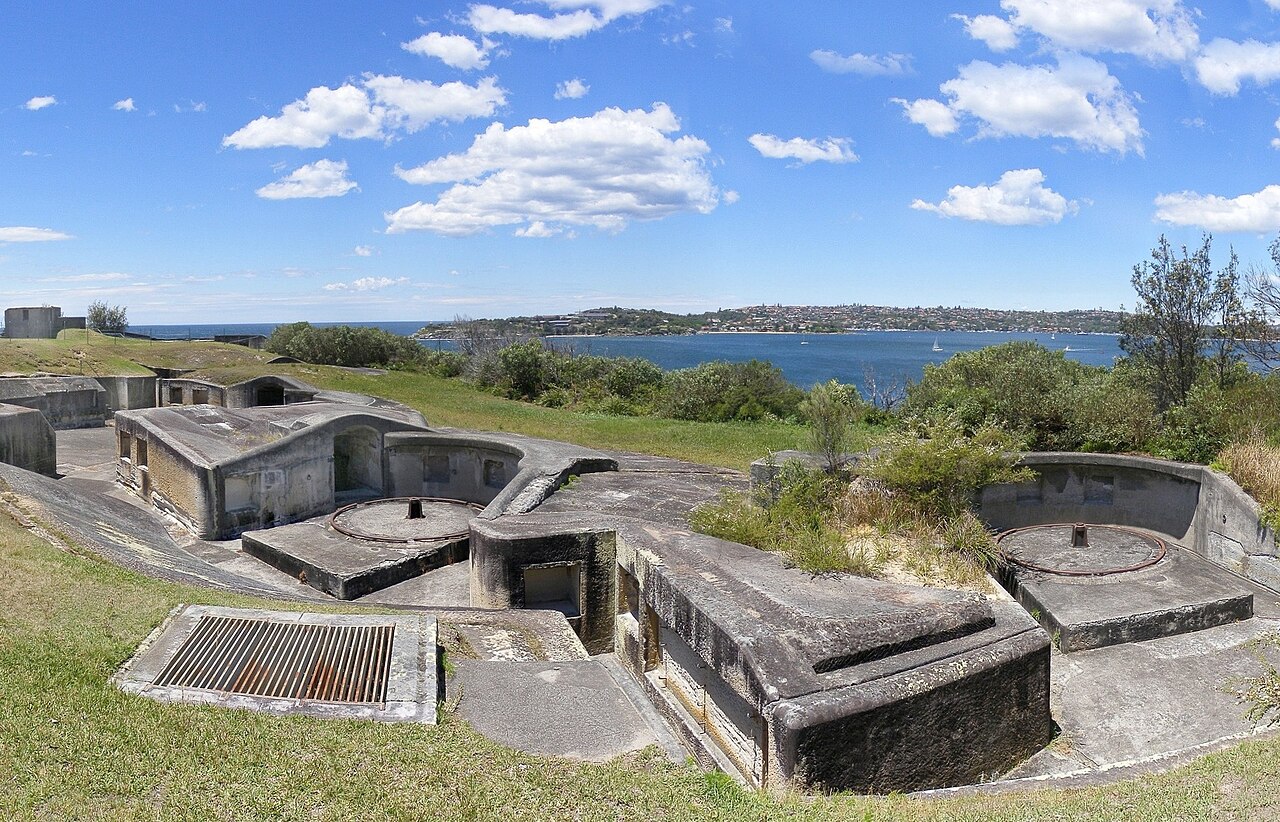
The fort is an example of a bastioned fortress with a distinctive pentagonal shape surrounded by earthwork ramparts and a defensive moat. The walls were constructed using local bricks and earth to absorb and deflect artillery fire. The moat added an additional layer of defense against infantry assault. Inside the fort, there were batteries equipped with heavy artillery guns positioned to cover the river approach and surrounding coastline.
Defensive structures
The fort's design includes four bastions at the corners of the pentagon, allowing overlapping fields of fire and eliminating blind spots. The main gate was heavily fortified, with a drawbridge spanning the moat. Within the walls, there were magazines for ammunition storage, casemates for gun crews, and officers' quarters. The fort also featured underground tunnels and bombproof shelters to protect personnel during bombardments.
Artillery and armaments
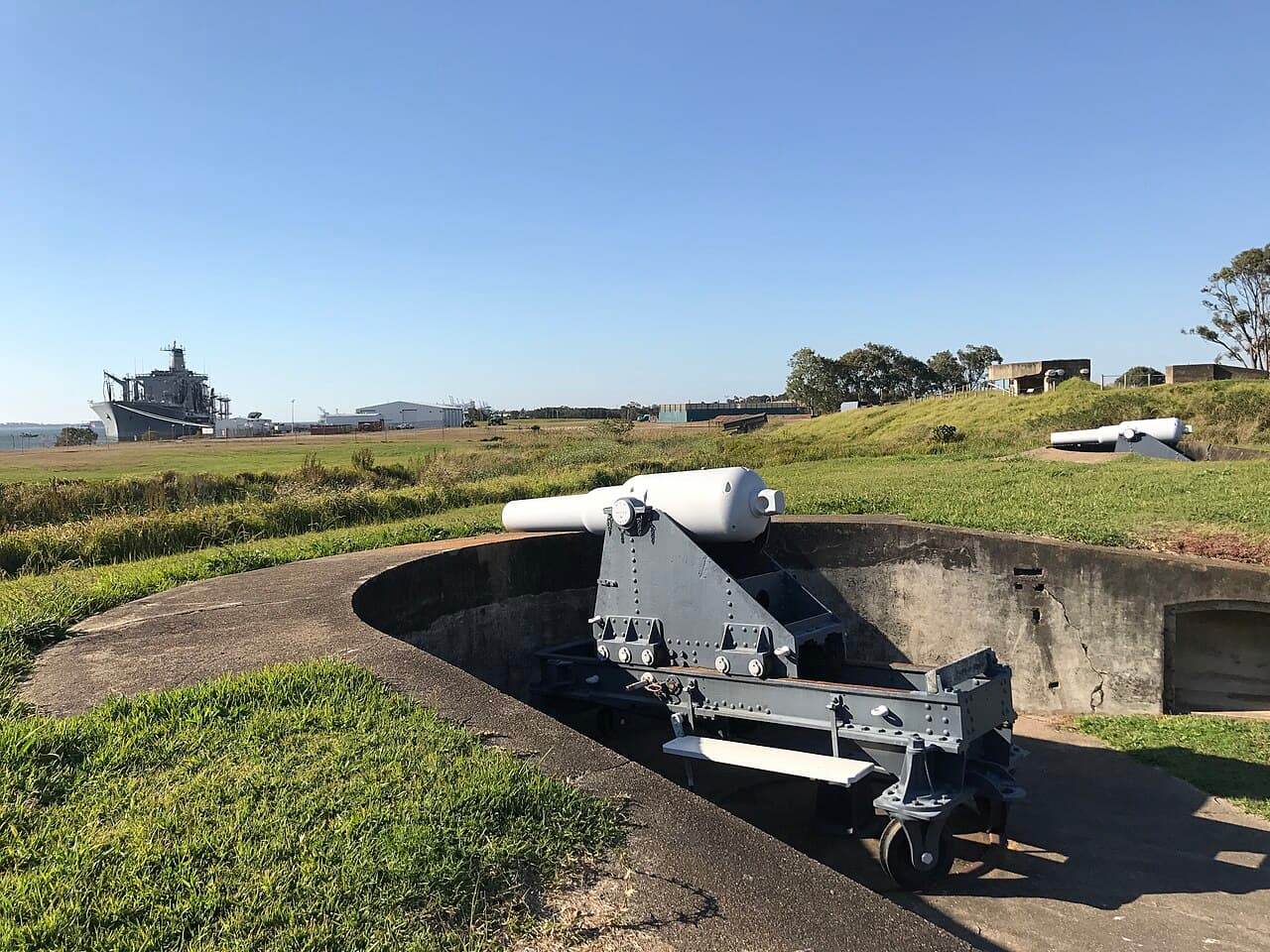
Fort Lytton was originally armed with large coastal artillery pieces, including rifled muzzle-loading guns and later breech-loading guns, capable of engaging enemy ships at long range. Over time, the armaments were updated to keep pace with advances in military technology. The fort's guns were positioned to cover the river entrance and adjacent coastal areas, providing a formidable deterrent to hostile naval forces.
Operational history and military significance
Throughout its operational life, Fort Lytton played a critical role in Queensland's coastal defense strategy. Although it never saw direct combat, the fort's presence was a significant factor in deterring potential attacks during periods of international tension. During World War I and World War II, the fort was maintained and upgraded to meet contemporary defense needs. Its strategic location and robust construction made it a key military asset until changes in warfare and defense technology rendered such fixed coastal fortifications less critical.
Preservation and public access
After its decommissioning in 1965, Fort Lytton was preserved as a heritage site and incorporated into Fort Lytton National Park. The park covers approximately one square mile (2.6 km²) of the original military base surrounding the fort. Today, the fort is well preserved and serves as an important cultural and historical landmark. It is open to the public on most Sundays and public holidays, with guided tours provided by the Fort Lytton Historical Association, a volunteer organization dedicated to maintaining and interpreting the site.
Visitor experience
Visitors to Fort Lytton can explore the bastioned walls, moat, and interior structures such as the magazines and casemates. The guided tours offer detailed insights into the fort's construction, armaments, and role in Queensland's military history. The national park also features walking trails and picnic areas, allowing visitors to appreciate the site's natural setting alongside its historical significance.
Legacy and cultural significance
Fort Lytton stands as a rare example of a 19th-century coastal bastioned fortress in Australia, reflecting the military engineering and strategic concerns of its era. Its preservation offers valuable insights into Queensland's colonial defense efforts and the evolution of coastal fortifications. The site contributes to understanding Australia's broader military heritage and the changing nature of coastal defense from the late 19th century through the mid-20th century.
Frequently asked questions (FAQ)
- How do I visit Fort Lytton?
- Fort Lytton is open to the public on most Sundays and public holidays. Guided tours are available through the Fort Lytton Historical Association, a volunteer group that provides detailed insights into the site's history and architecture.
- What is the historical significance of Fort Lytton?
- Fort Lytton was built between 1880 and 1882 as a coastal defense fortress to protect Brisbane from naval attacks. It remained operational until 1965 and played a key role in Queensland's military defense strategy during both World Wars.
- Can I explore the interior of Fort Lytton?
- Yes, visitors can explore the bastioned walls, moat, magazines, and casemates. Guided tours explain the fort's features and military history, offering a comprehensive experience of the site.
- Is Fort Lytton accessible for families and children?
- Fort Lytton National Park offers walking trails and picnic areas suitable for families. The guided tours are educational and engaging for visitors of all ages, making it a family-friendly destination.
- When is the best time to visit Fort Lytton?
- The fort is open on most Sundays and public holidays, which are the best times to visit. The Queensland climate allows for year-round visits, but spring and autumn offer milder weather for exploring the outdoor areas.
Photo gallery

Information
Opening hours
Most Sundays and public holidays
Current owner
State museum
Loading map...
Visitor reviews
No reviews yet. Been here? Write the first review and help other travelers!
Write the first reviewVisited this castle? Share your experience
Your review helps other travelers and adds first-hand knowledge to our encyclopedia.