Fort Scratchley — Australia castle

Fort Scratchley

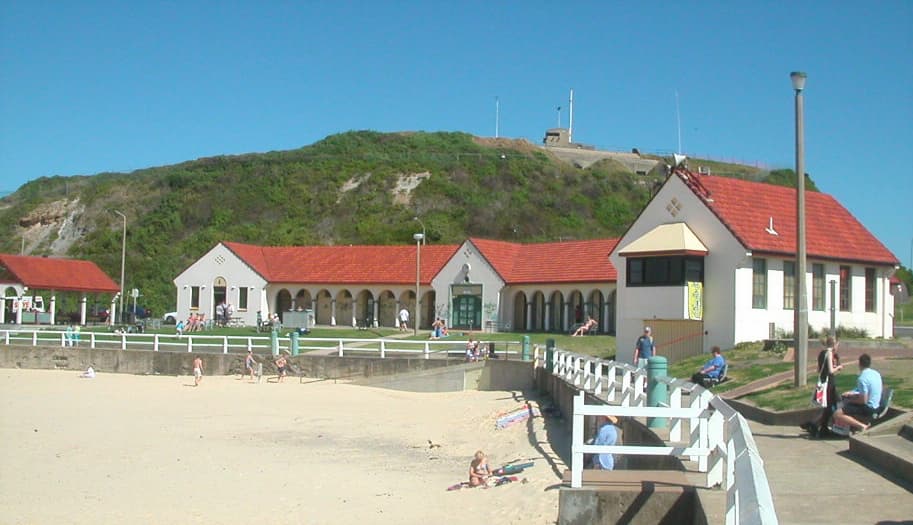
Fort Scratchley: historic coastal defence fortress in Newcastle, Australia
Newcastle, New South Wales, Australia
Modern (19th–20th c.)
Well Preserved

Fort Scratchley stands as a significant 19th-century bastioned fortress located in Newcastle East, a suburb of Newcastle, New South Wales, Australia. Constructed in 1882, the fort was designed as a coastal defence installation to protect the strategic port city of Newcastle from potential naval attacks, particularly from Russian forces during a period of geopolitical tension in the late 19th century.

Historical context and strategic importance

During the late 1800s, Australia faced growing concerns about its coastal security. Newcastle, as a vital coal-exporting port, was a key target for any hostile naval force. Fort Scratchley was built under British colonial direction, incorporating the latest military engineering principles of the time to provide a strong defensive position overlooking the coastline and harbor approaches.

The fort's location on a headland gave it a commanding view of the ocean, allowing early detection of enemy ships. Its primary role was to deter or repel any seaborne invasion, securing Newcastle's industrial and shipping infrastructure.

Architectural design and features

Fort Scratchley exemplifies the bastioned fortress design, a style characterized by angular bastions projecting outward from the main walls, allowing defensive fire along the walls and eliminating blind spots. This design was a development from earlier medieval fortifications, adapted to withstand artillery bombardment and improve defensive coverage.

The fort's construction utilized robust masonry and earthworks, with thick walls designed to absorb shell impacts. Key features include:

  • Gun emplacements positioned to cover the harbor entrance and adjacent coastline.
  • Underground tunnels and magazines for safe storage of ammunition and protected movement of troops.
  • Observation posts and command centers for coordinating defense and monitoring maritime activity.
  • Casemates and barracks to house soldiers and provide shelter during bombardments.

Military use and engagements

Although built in the 19th century, Fort Scratchley saw its only active combat during World War II. On 8 June 1942, the fort's guns engaged Japanese naval vessels during the shelling of Newcastle, marking the first time the fort fired in anger. This event was part of a larger campaign of Japanese attacks on the Australian east coast, aimed at disrupting industrial and military capabilities.

The fort continued to serve as a military installation until 1972, when the Australian Army ceased operations there. Its role had evolved over time, reflecting changes in military technology and strategic priorities.

Preservation and current status

Today, Fort Scratchley is preserved as a museum and heritage site, open to the public for tours and educational programs. Visitors can explore the well-maintained bastioned walls, gun emplacements, and underground tunnels, gaining insight into Australia's coastal defense history.

The site also hosts historical reenactments and commemorative events, highlighting its importance in Australia's military heritage. Its preservation offers a tangible connection to the country's efforts to secure its shores during periods of international conflict.

Architectural significance and legacy

Fort Scratchley represents a transitional period in military architecture, bridging traditional bastioned fort designs with adaptations for modern artillery warfare. Its survival and restoration provide valuable examples of 19th-century military engineering adapted for Australian coastal defense needs.

The fort's combination of strategic siting, robust construction, and historical engagement make it a noteworthy site for understanding Australia's military past and the evolution of fortress design.

Frequently asked questions (FAQ)

When was Fort Scratchley built and for what purpose?
Fort Scratchley was built in 1882 as a coastal defence installation to protect Newcastle, Australia, from possible naval attacks, particularly from Russia.
Can visitors tour Fort Scratchley today?
Yes, Fort Scratchley operates as a museum open to the public, offering guided tours of its bastioned walls, gun emplacements, and underground tunnels.
Did Fort Scratchley ever see combat?
Fort Scratchley fired in combat only once during World War II, on 8 June 1942, when it engaged Japanese ships during the shelling of Newcastle.
What architectural style characterizes Fort Scratchley?
Fort Scratchley is designed as a bastioned fortress, featuring angular bastions and thick masonry walls typical of 19th-century coastal defence forts.
Is Fort Scratchley accessible year-round?
The fort is generally open daily with varying seasonal hours; visitors should check the official website for current opening times and ticket prices.

Photo gallery

Fort Scratchley
Click to view

Photo by Flickr user Lyndi&Jason : https://www.flickr.com/photos/citnaj•CC BY-SA 2.0

1 photo • Click any image to view in full screen

Information

Bastioned Fortress

Address

Nobbys Rd, Newcastle East NSW 2300, Australia

Loading map...

Visitor reviews

No reviews yet. Been here? Write the first review and help other travelers!

Write the first review

Visited this castle? Share your experience

Your review helps other travelers and adds first-hand knowledge to our encyclopedia.
Write a review

(5/5)

0/2000 characters

Your review will be visible after admin approval

Nearby castles

111.1 km
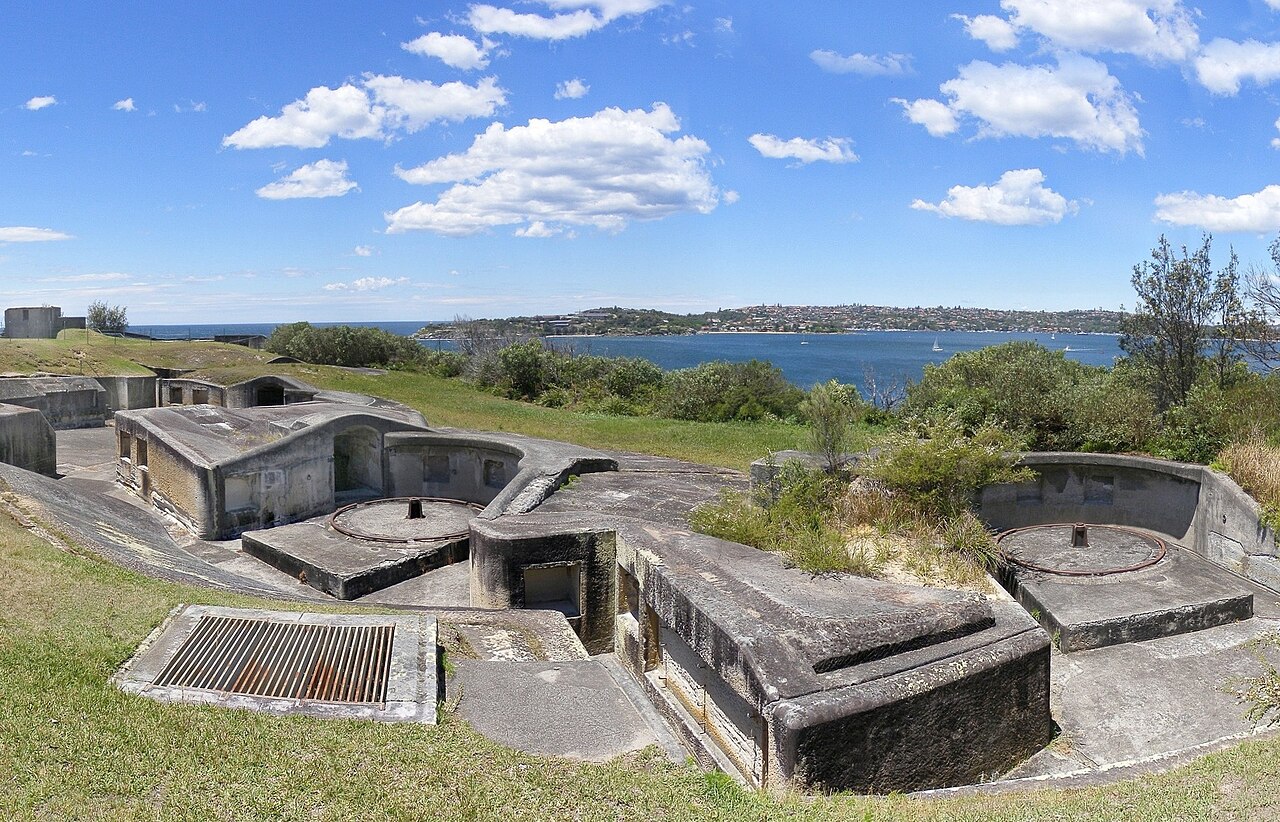
Middle Head Fortifications — Australia castle

Middle Head Fortifications

Mosman, Australia

Middle Head Fortifications are a significant heritage-listed military complex located in Middle Head, Mosman, within the New South Wales region of Australia. These fortifications form an integral part of the historic Sydney Harbour defences, constructed to protect the vital harbour from naval attacks. The site is also known as the Middle Head Military Fortifications or simply The Old Fort. Its strategic position on the headland provided commanding views over the harbour entrance, making it a critical component in Australia's coastal defence network during the late 19th and early 20th centuries. The fortifications comprise several key elements: the Outer Middle Head Battery situated at the end of Old Fort Road, the Inner Middle Head Battery located at the end of Governors Road, and the Obelisk Batteries, which can be accessed via a path from the corner of Middle Head Road and Chowder Bay Road. These batteries were designed to house heavy artillery pieces, including large-caliber coastal guns, to deter and defend against enemy ships attempting to enter Sydney Harbour. Historical context and military significance The construction of the Middle Head Fortifications began in the late 19th century, during a period when the Australian colonies were fortifying their coastlines in response to growing concerns about potential naval threats from foreign powers. The fortifications were part of a broader system of defences around Sydney Harbour, which included other fortresses such as Georges Head and Bradleys Head. Middle Head's location was chosen for its elevated terrain and commanding views, allowing defenders to monitor and control maritime traffic effectively. The fortifications played a defensive role during both World War I and World War II, although their active military use diminished after the mid-20th century as advances in naval technology and changes in military strategy rendered coastal artillery less critical. Architectural features and design The fortifications at Middle Head are classified as a bastioned fortress, a style characterized by angular bastions projecting from the walls to provide defensive enfilading fire. The complex includes extensive stone and concrete gun emplacements, underground tunnels, magazines for storing ammunition, and observation posts. The Outer Middle Head Battery was equipped with heavy coastal artillery, including disappearing guns mounted on concrete platforms designed to retract after firing to protect the crew. The Inner Middle Head Battery served as a secondary line of defence with smaller caliber guns and supporting facilities. The Obelisk Batteries are notable for their distinctive stone obelisks that served as range-finding markers for the artillery. The fortress complex also includes remnants of barracks, command posts, and other military infrastructure necessary to support the garrison stationed there. The defensive walls and earthworks demonstrate the military engineering techniques of the period, combining natural terrain with man-made fortifications to maximize defensive capabilities. Preservation and public access Today, the Middle Head Fortifications are managed by the Department of Planning and Environment and are open to the public as a historic site and recreational area. The site is recognized on the New South Wales State Heritage Register since 2 April 1999, reflecting its cultural and historical importance. Visitors can explore the remains of the batteries, tunnels, and gun emplacements, gaining insight into Australia's military history and coastal defence strategies. The site also offers scenic walking trails with panoramic views of Sydney Harbour, making it a popular destination for both history enthusiasts and nature lovers. Legacy and cultural significance The Middle Head Fortifications stand as a testament to Australia's efforts to defend its shores during a period of imperial rivalry and global conflict. They illustrate the evolution of military architecture from traditional bastioned designs to more modern coastal artillery installations. The preservation of this site allows contemporary audiences to engage with Australia's colonial and military heritage, providing educational opportunities and fostering appreciation for the strategic importance of Sydney Harbour throughout history.

Post-Renaissance (17th–18th c.)
Details
115.6 km
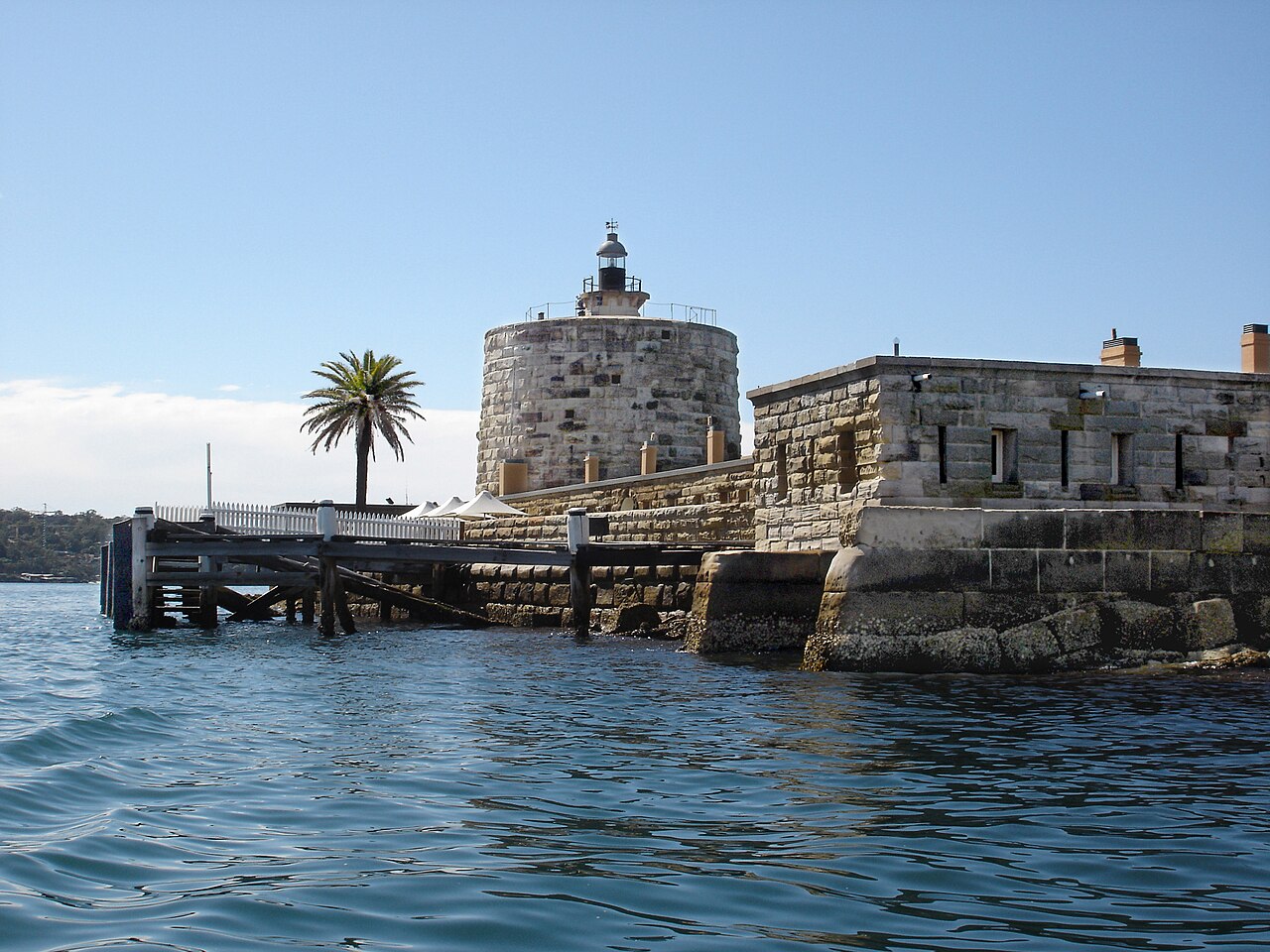
Fort Denison — Australia castle

Fort Denison

Sydney, Australia

Fort Denison is a prominent bastioned fortress located on a small island in Sydney Harbour, New South Wales, Australia. The fortress occupies an island situated northeast of the Royal Botanic Garden and approximately 1 kilometre east of the iconic Sydney Opera House. Known historically by the indigenous Eora people as Mattewanye or Muddawahnyuh, and later referred to as Pinchgut Island, the site has a layered history as both a penal settlement and a military defensive facility.The island's strategic position in Sydney Harbour made it an ideal location for fortification to protect the city from naval threats. The original construction of Fort Denison began in the mid-19th century, between 1840 and 1862, under the design direction of Colonel George Barney, a key military engineer of the time. The construction was carried out by builder William Randle. The fortress was built during the post-Renaissance period, reflecting military architectural principles suited to the evolving technology of artillery and coastal defense.Architectural features and military designFort Denison is classified as a bastioned fortress, a style characterized by angular bastions that allowed defenders to cover adjacent walls with cannon fire, eliminating blind spots. The fortress features thick sandstone walls quarried locally, designed to withstand bombardment from enemy ships. The island itself is surrounded by a defensive wall and includes a moat-like channel, enhancing its defensive capabilities.One of the fortress's most distinctive features is its Martello tower, a circular stone tower typical of coastal defenses in the 19th century. This tower was equipped with heavy artillery and served as the primary defensive stronghold on the island. The tower's compact, robust design was intended to resist naval bombardment and provide a secure platform for the fortress's guns.Additional facilities and later modificationsBesides its military function, Fort Denison also housed a penal settlement during its early years, serving as a place of incarceration for convicts. Over time, the fortress's role shifted towards navigation and communication support, incorporating facilities such as a time gun used for maritime time signals, navigational aids, and a tide gauge to monitor harbour conditions.These adaptations reflect the fortress's evolving function from a purely military installation to a multifaceted maritime facility. The site today includes remnants of these installations, which contribute to its historical significance.Historical context and significanceFort Denison was constructed in response to perceived threats from foreign naval powers during the 19th century, particularly concerns about Russian expansion in the Pacific. Its construction was part of a broader effort to fortify Sydney Harbour, which was a critical port and naval base for the British colony of New South Wales.The island's use as a penal site also connects it to Australia's colonial history of convict transportation and imprisonment. The fortress was never directly engaged in battle, but it played an important deterrent role in the defence of Sydney.Current status and public accessToday, Fort Denison is part of the Sydney Harbour National Park and is managed by the Office of Environment & Heritage. It is recognized as a heritage-listed site on the New South Wales State Heritage Register since April 2, 1999, and was previously listed on the now-defunct Register of the National Estate in 1978.The fortress is well preserved and serves as a popular tourist destination, offering guided tours that explore its military architecture, history, and panoramic views of Sydney Harbour. It also functions as a nature reserve and event venue, integrating cultural heritage with public recreation.Visiting Fort DenisonVisitors can reach Fort Denison by ferry from Circular Quay, with tours providing detailed insights into the fortress's history and features. The site includes interpretive signage and exhibits explaining its military and penal past as well as its role in maritime navigation.Fort Denison remains a unique example of a bastioned fortress adapted to an island setting, reflecting the military engineering and colonial history of Australia in the 19th century.

Post-Renaissance (17th–18th c.)
Details
116.3 km
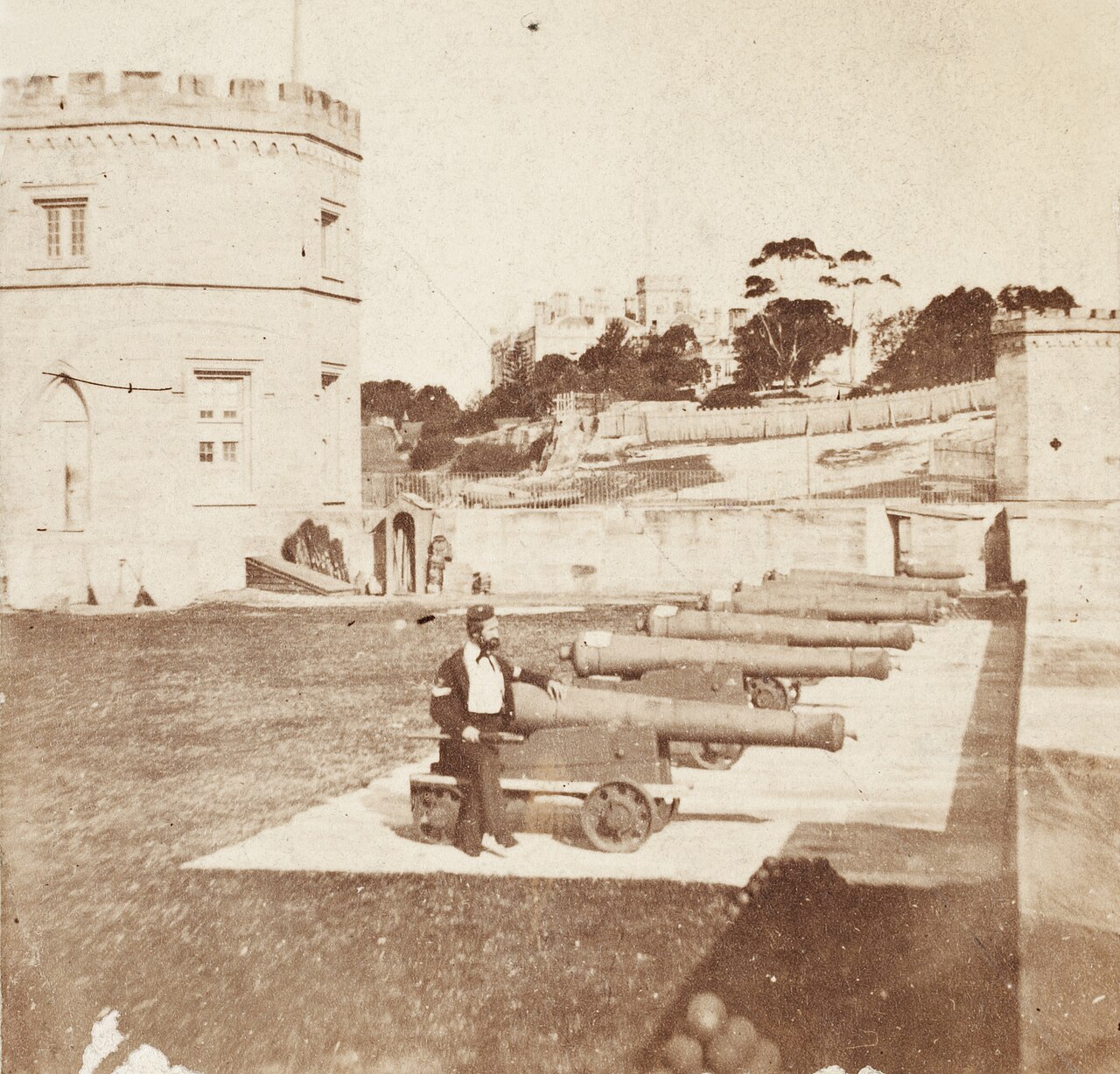
Fort Macquarie — Australia castle

Fort Macquarie

Sydney, Australia

Fort Macquarie was a significant bastioned fortress constructed in the 19th century at Bennelong Point in Sydney, New South Wales, Australia. This fortification was built in 1817, replacing an earlier fortification from 1798, and served as a key defensive structure guarding the entrance to Sydney Harbour. It was designed as a square castellated battlement fort, featuring bastions at each corner to provide overlapping fields of fire, a common defensive architectural feature of the period. Architectural design and features The design of Fort Macquarie reflected the bastioned fortress style, which was prevalent in military architecture from the Renaissance through to the 19th century. The fort's stone walls were thick and robust, intended to withstand naval bombardment and protect the city from potential seaborne attacks. Its castellated battlements gave it a medieval appearance, with crenellations allowing defenders to fire while being shielded. The fort included gun emplacements on its ramparts, capable of mounting several cannons to command the approaches to Sydney Harbour. The bastions allowed enfilading fire along the walls, enhancing the fort's defensive capabilities. Inside, the fort contained barracks and for storing gunpowder and ammunition, as well as facilities for the garrison stationed there. Historical context and significance Originally, a smaller fortification was established at Bennelong Point in 1798, shortly after the founding of the Sydney colony. However, as threats to the colony grew, particularly from foreign naval powers, the need for a more substantial defensive structure led to the construction of Fort Macquarie in 1817. It played a crucial role in the defense of Sydney during the 19th century, although it never saw active combat. Fort Macquarie was part of a broader network of coastal defenses built to protect Sydney Harbour and the growing city. Its location at Bennelong Point was strategic, commanding views over the water and controlling access to the harbor's inner areas. Demolition and legacy In the early 20th century, Sydney's urban development and changing transportation needs led to the fort's demolition in 1901. The site was cleared to construct the Fort Macquarie Tram Depot, reflecting the shift from military to civilian infrastructure. The tram depot itself was later demolished, and the iconic Sydney Opera House was built on the same site, becoming one of the world's most recognizable landmarks. Although Fort Macquarie no longer exists, its historical importance as part of Sydney's early colonial defense system is recognized. The fort represents an era of military architecture adapted to the unique needs of a growing colonial port city in the 19th century. Cultural and heritage significance Today, the legacy of Fort Macquarie is preserved through historical records, maps, and archaeological studies. It holds a place in Sydney's heritage as an example of early colonial fortifications and their role in shaping the city's development. The site at Bennelong Point continues to be a focal point of Sydney's cultural landscape, linking the city's past military history with its present as a global cultural destination.

Modern (19th–20th c.)
Details