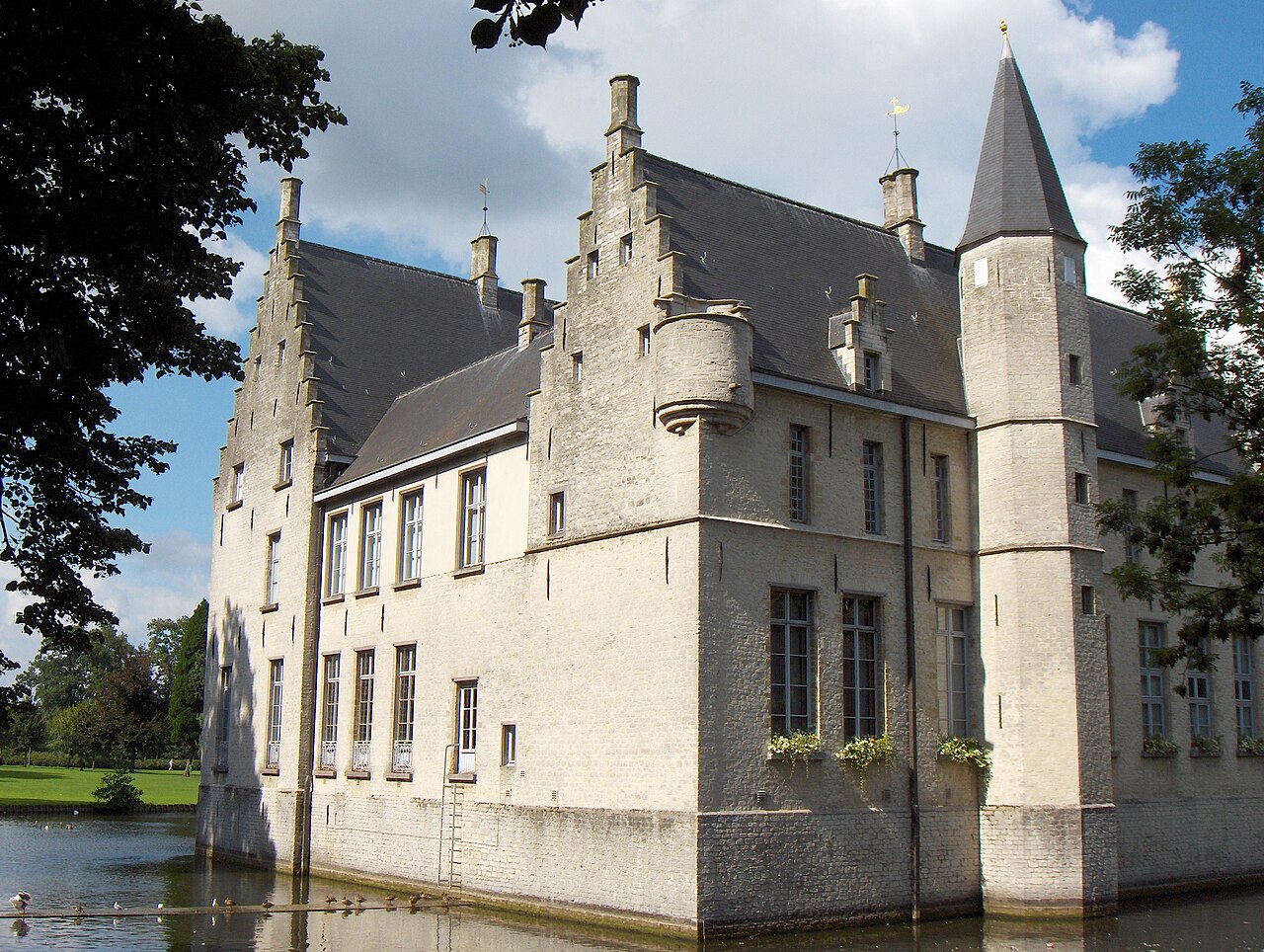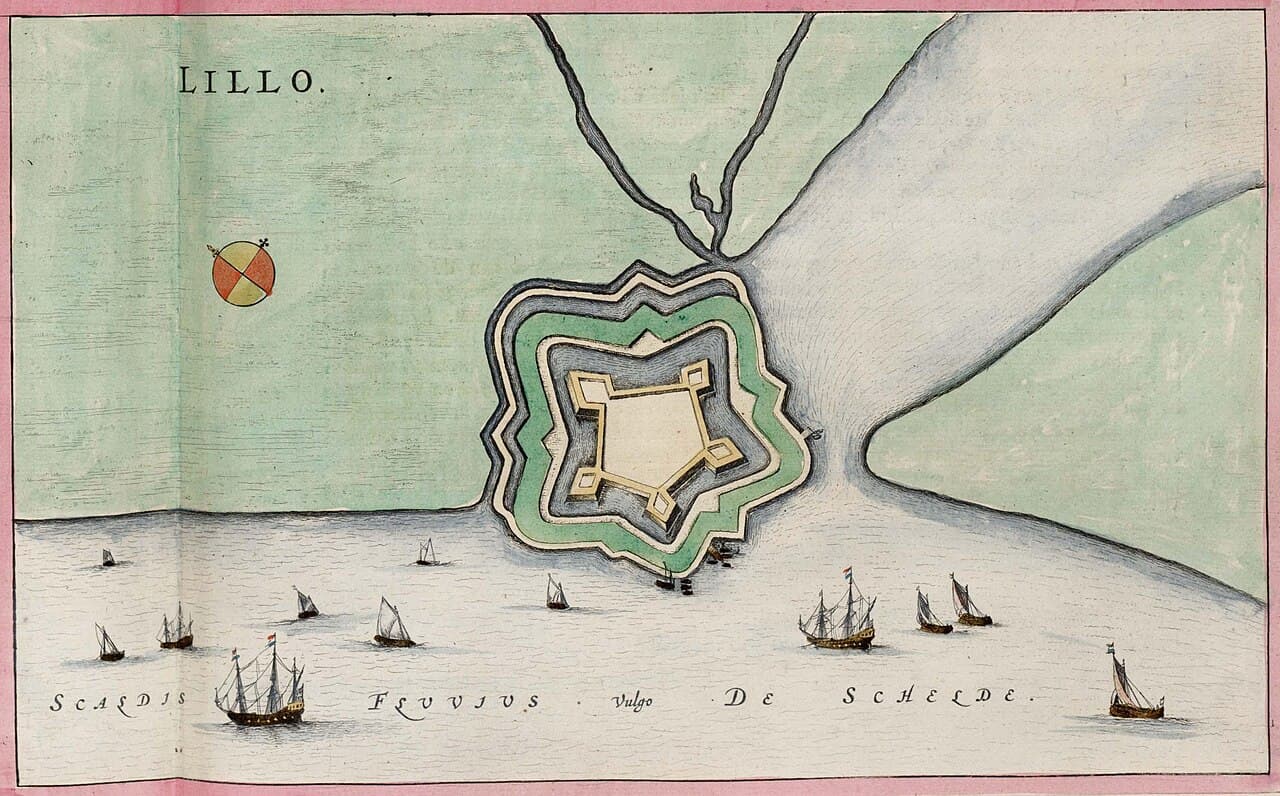
Fort Lillo
Fort Lillo is a Renaissance bastioned fortress located on the right bank of the Schelde River, forming an integral part of the Antwerp Defence Line in Belgium. Constructed in the 16th century, this fortification was built to protect the vital port city of Antwerp from naval threats and invasions during a period of intense military and political upheaval in Europe.
Historical context and strategic importance
The 16th century was a time marked by the rise of artillery and gunpowder warfare, which necessitated new forms of fortifications. Fort Lillo was designed as a bastioned fortress, a style that emerged during the Renaissance to counter the destructive power of cannon fire. Its location on the Schelde River was crucial, as it controlled access to Antwerp, one of the most important commercial and naval hubs in the region.
The fort was part of a larger network of defenses, including other forts and batteries, which together formed a defensive ring around Antwerp. This network was essential for securing the city against attacks from both sea and land, particularly during the turbulent periods of the Eighty Years' War and subsequent conflicts.
Architectural features and design
Fort Lillo exemplifies the characteristics of a bastioned fortress with angular bastions projecting outwards from the main walls. These bastions allowed defenders to cover adjacent walls with overlapping fields of fire, eliminating blind spots and enhancing the fort's defensive capabilities.
The fortress was constructed using robust masonry, designed to withstand artillery bombardment. It featured thick walls, a moat, and earthworks that absorbed the impact of cannonballs. The layout included barracks, powder magazines, and command posts, all arranged to support prolonged defense and garrison life.
Over time, the fort underwent modifications to adapt to advances in military technology and changing strategic needs. Despite these changes, much of the original Renaissance design remains visible, showcasing the engineering ingenuity of the period.
Role in military history and decline
Throughout its active use, Fort Lillo played a significant role in the defense of Antwerp. It was involved in various military engagements, serving as a deterrent and a stronghold against enemy forces. However, with the evolution of warfare and the expansion of the industrial port of Antwerp, the fort's military significance diminished.
Eventually, the area around Fort Lillo became enveloped by the expanding industrial port, isolating the fortress from urban development. This industrial encroachment led to the fort being largely abandoned as a military installation.
Current condition and cultural significance
Today, Fort Lillo stands as a partially preserved historical monument surrounded by the industrial landscape of Antwerp's port. Its preservation offers valuable insights into Renaissance military architecture and the history of fortifications along the Schelde River.
The site attracts visitors interested in military history and architecture, though access may be limited due to its location within an active industrial zone. Efforts to maintain and protect the fort ensure its legacy as a testament to the region's strategic past.
Visiting Fort Lillo
Visitors to Fort Lillo can explore the remaining structures and appreciate the design of a Renaissance bastioned fortress. The fort's proximity to Antwerp makes it accessible for those interested in combining cultural heritage with the modern industrial backdrop of one of Europe's largest ports.
Guided tours and informational displays help contextualize the fort's historical role and architectural features. Visitors are encouraged to check access conditions and opening hours in advance due to the site's unique location.
Frequently asked questions (FAQ)
- How do I get to Fort Lillo?
- Fort Lillo is located in Belgium, near the city of Antwerp. You can reach it by public transport, including trains and buses, or by car, with parking available nearby. The castle is well-signposted, making it easy to find.
- What is the historical significance of Fort Lillo?
- Fort Lillo was built in the 17th century as part of the defense system of Antwerp, designed to protect against naval attacks. It played a crucial role in the military history of Belgium and reflects the architectural style of its time. Today, it serves as a reminder of the region's strategic importance during various conflicts.
- When was Fort Lillo constructed?
- Fort Lillo was constructed between 1600 and 1625, during a period of intense military fortification in Belgium. It was part of a larger network of defenses meant to secure Antwerp from enemy forces. The fort's construction was a response to the geopolitical climate of the time.
- Can I visit Fort Lillo?
- Yes, Fort Lillo is open to visitors, and you can explore its historical grounds and architecture. Guided tours are available, providing insights into the fort's history and significance. It's advisable to check the visiting schedule ahead of time.
- Why is Fort Lillo considered an architectural landmark?
- Fort Lillo is considered an architectural landmark due to its well-preserved military architecture, which showcases the designs of the 17th-century fortifications. Its strategic layout, coupled with the use of local materials, highlights the ingenuity of military engineering of that era. The fort's unique structure attracts history enthusiasts and architecture lovers alike.
- Is it possible to access Fort Lillo for people with disabilities?
- Accessibility at Fort Lillo may be limited due to the historical nature of the site and its original architecture. However, efforts have been made to accommodate visitors with disabilities. It is recommended to contact the site in advance to inquire about specific accessibility options.
- What are the opening hours of Fort Lillo?
- Fort Lillo typically opens to visitors from 10 AM to 5 PM, but hours may vary depending on the season or special events. It’s best to check the official website or contact the fort directly for the most current information on opening hours. Planning your visit during weekdays can help avoid crowds.
- What are the ticket prices for visiting Fort Lillo?
- Ticket prices for Fort Lillo are generally affordable, with discounts available for students and seniors. Children under a certain age may enter for free. Always check the official site for the latest pricing information and any special promotions.
- What nearby attractions can I visit while at Fort Lillo?
- While visiting Fort Lillo, you can explore nearby attractions such as the city of Antwerp, known for its vibrant culture and stunning architecture. Other nearby sites include the Scheldt River and various museums that showcase the region's rich history. This makes Fort Lillo a great starting point for a day of exploration.
Photo gallery

Photo by Unknown authorUnknown author•Public domain
Information
Loading map...
Visitor reviews
No reviews yet. Been here? Write the first review and help other travelers!
Write the first reviewVisited this castle? Share your experience
Your review helps other travelers and adds first-hand knowledge to our encyclopedia.