Fort Laramie
Fort Laramie is a significant historical military site located in the United States, originally established in the early 19th century. It served as a key bastioned fortress during the period of American westward expansion, playing a crucial role in the protection and control of the frontier. The fort was strategically positioned near the confluence of the Laramie and North Platte Rivers in present-day Wyoming, making it a vital hub for trade, military operations, and interactions with Native American tribes.
Historical significance and foundation
The origins of Fort Laramie trace back to the 1830s when it began as a private fur trading post known as Fort William. It was soon acquired and expanded by the American Fur Company, evolving into a prominent trading hub. By the 1840s, the U.S. Army recognized the strategic importance of the site and took control, transforming it into a military fortification to secure the Oregon Trail and other migration routes.
Throughout the mid-19th century, Fort Laramie became a critical military post overseeing the safety of settlers and travelers moving westward. It was the site of numerous treaties and negotiations with various Native American tribes, including the Lakota, Cheyenne, and Arapaho. The fort's presence was central to the U.S. government's efforts to manage relations and conflicts on the frontier.
Architectural features and fortifications
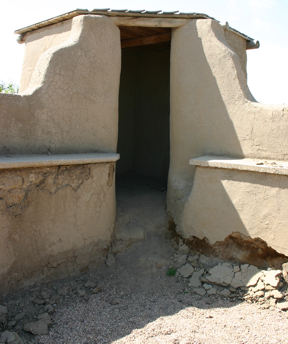
Designed as a bastioned fortress, Fort Laramie incorporated defensive elements typical of military architecture in the 19th century. The fort featured thick adobe and wooden walls arranged in a rectangular layout with bastions at the corners, allowing for overlapping fields of fire to defend against potential attacks. The bastions were equipped with artillery placements, and the fort was surrounded by a palisade fence and earthworks for added protection.
The internal layout included barracks, officers' quarters, a guardhouse, stables, workshops, and a parade ground. The buildings were primarily constructed from locally sourced materials such as adobe bricks and timber, reflecting the practical needs and resource availability of the frontier environment. The fort's design balanced defensive capability with the functional requirements of a military garrison and trading post.
Role in westward expansion and military campaigns
Fort Laramie was a pivotal military installation during the Indian Wars and the broader context of American westward expansion. It served as a staging ground for U.S. Army campaigns against Native American tribes resisting encroachment on their lands. The fort also provided protection for emigrants traveling along the Oregon, California, and Mormon Trails.
Notably, the fort was involved in the Treaty of Fort Laramie in 1851 and again in 1868, which attempted to establish peace and define territorial boundaries between the U.S. government and Native American nations. Despite these treaties, conflicts persisted, and the fort remained a center for military operations and negotiations throughout the latter half of the 19th century.
Preservation and current status
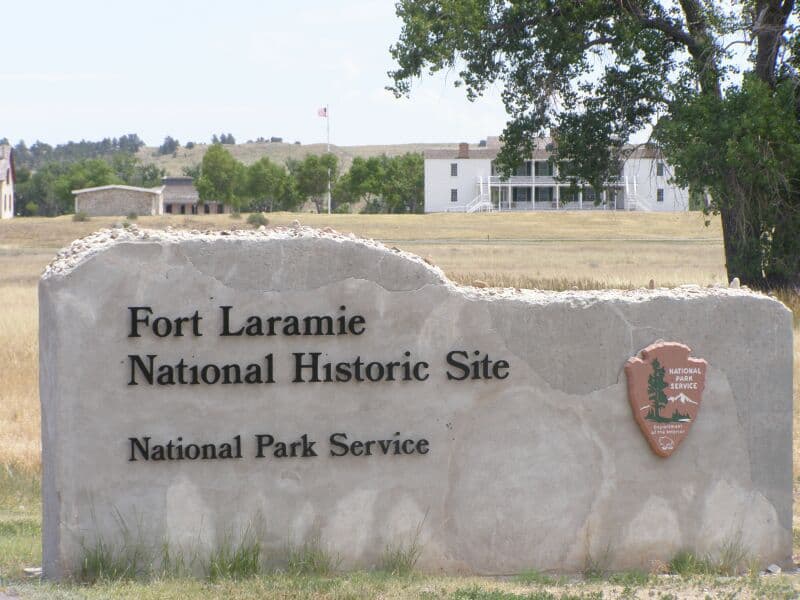
Today, Fort Laramie is preserved as a National Historic Site managed by the National Park Service. The fort's structures are partially restored, allowing visitors to explore the original layout and buildings that convey the historical atmosphere of the 19th-century frontier military post. Interpretive programs and exhibits provide insight into the fort's military, cultural, and social history.
The site is accessible to the public and serves as an educational resource illustrating the complexities of American expansion, military strategy, and Native American relations during a transformative period in U.S. history.
Visiting Fort Laramie
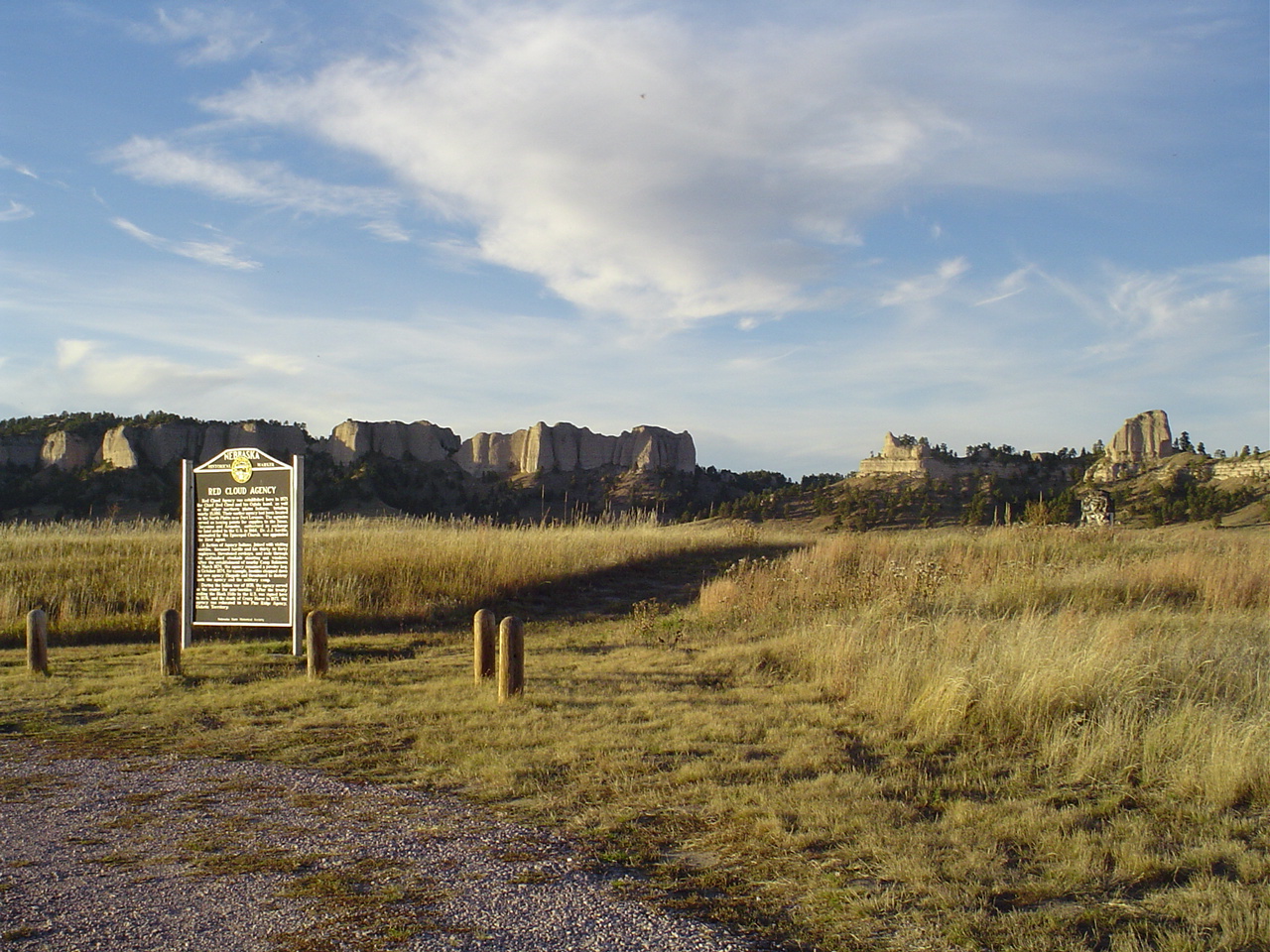
Visitors to Fort Laramie can walk through the preserved bastions, barracks, and parade grounds. The site offers guided tours, reenactments, and educational materials that highlight the fort's architectural features and historical significance. The surrounding landscape provides context for the fort's strategic location along historic migration routes.
Open seasonally, the fort welcomes tourists interested in military history, frontier life, and the American West. Facilities include a visitor center with exhibits and a bookstore.
Frequently asked questions (FAQ)
- When was Fort Laramie established?
- Fort Laramie was established in the early 1830s as a fur trading post before becoming a military fort in the 1840s.
- What is the architectural style of Fort Laramie?
- Fort Laramie is designed as a bastioned fortress with adobe and wooden walls, typical of 19th-century military architecture.
- Can I visit Fort Laramie year-round?
- Fort Laramie is open seasonally, generally from spring through fall, with visiting hours around 9:00 to 17:00.
- Is there an admission fee to enter Fort Laramie?
- Admission to Fort Laramie National Historic Site is free to the public.
- What historical events took place at Fort Laramie?
- Fort Laramie was central to treaties with Native American tribes and served as a military base during the Indian Wars and westward expansion.
Photo gallery

Information
Opening hours
Seasonal, typically 9:00-17:00
Ticket prices
Free
Current owner
National Park Service
Loading map...
Visitor reviews
No reviews yet. Been here? Write the first review and help other travelers!
Write the first reviewVisited this castle? Share your experience
Your review helps other travelers and adds first-hand knowledge to our encyclopedia.