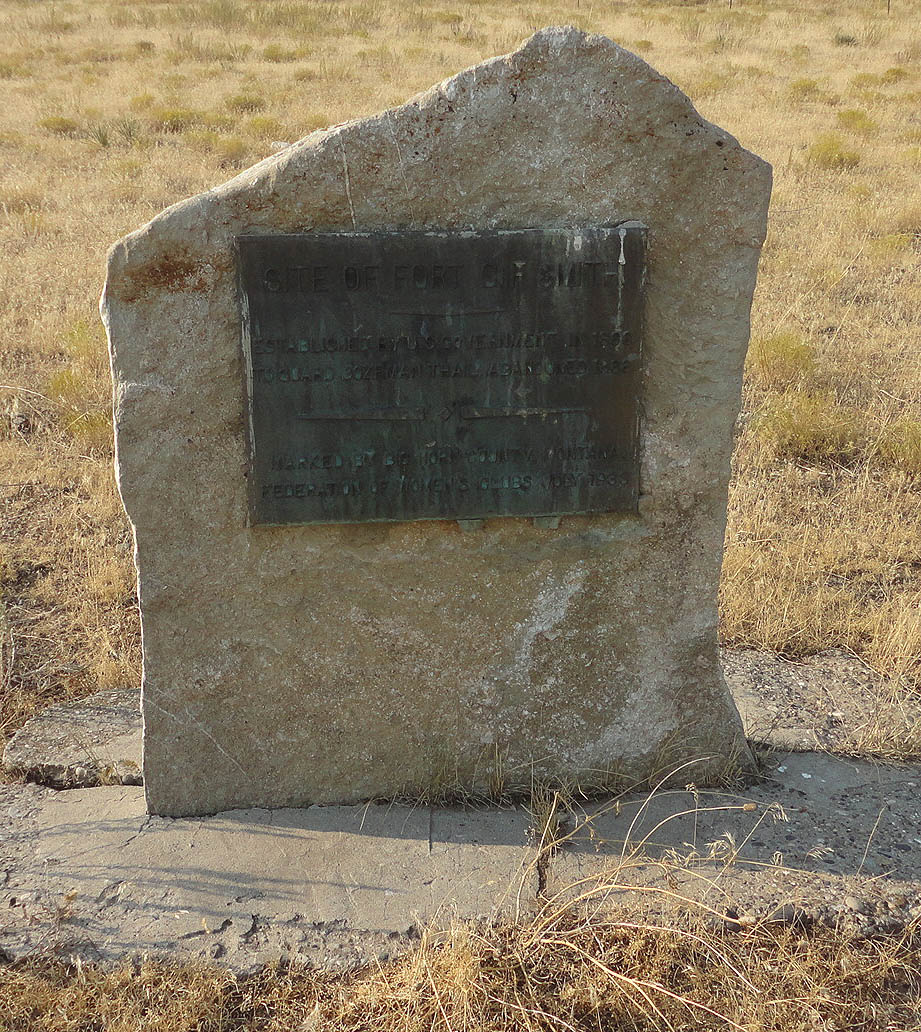
Fort Keogh
Fort Keogh is a historic military post located on the southern bank of the Yellowstone River near the western edge of Miles City, Montana. Established in August 1876 by Colonel Nelson A. Miles following the Battle of the Little Bighorn, the fort played a critical role in the United States Army's efforts to control and monitor the movements of the Cheyenne and Sioux tribes during the turbulent post-Civil War western expansion period. Originally named the Tongue River Cantonment, the military installation was relocated one mile west in 1878 and renamed Fort Keogh in honor of Captain Myles Keogh, an officer killed at the Little Bighorn battle.
Historical context and military significance
Fort Keogh was established as a strategic base to prevent Native American groups involved in the Little Bighorn conflict from escaping northward to Canada. The fort became the headquarters of the newly formed District of the Yellowstone in 1877, a sub-unit of the Department of Dakota, under the command of Colonel Miles. This district was responsible for military operations across a vast and often hostile frontier region. Fort Keogh's establishment marked a significant development in the U.S. Army's campaign to assert federal control over the Northern Plains and facilitate settlement and railroad expansion.
Architecture and fortifications
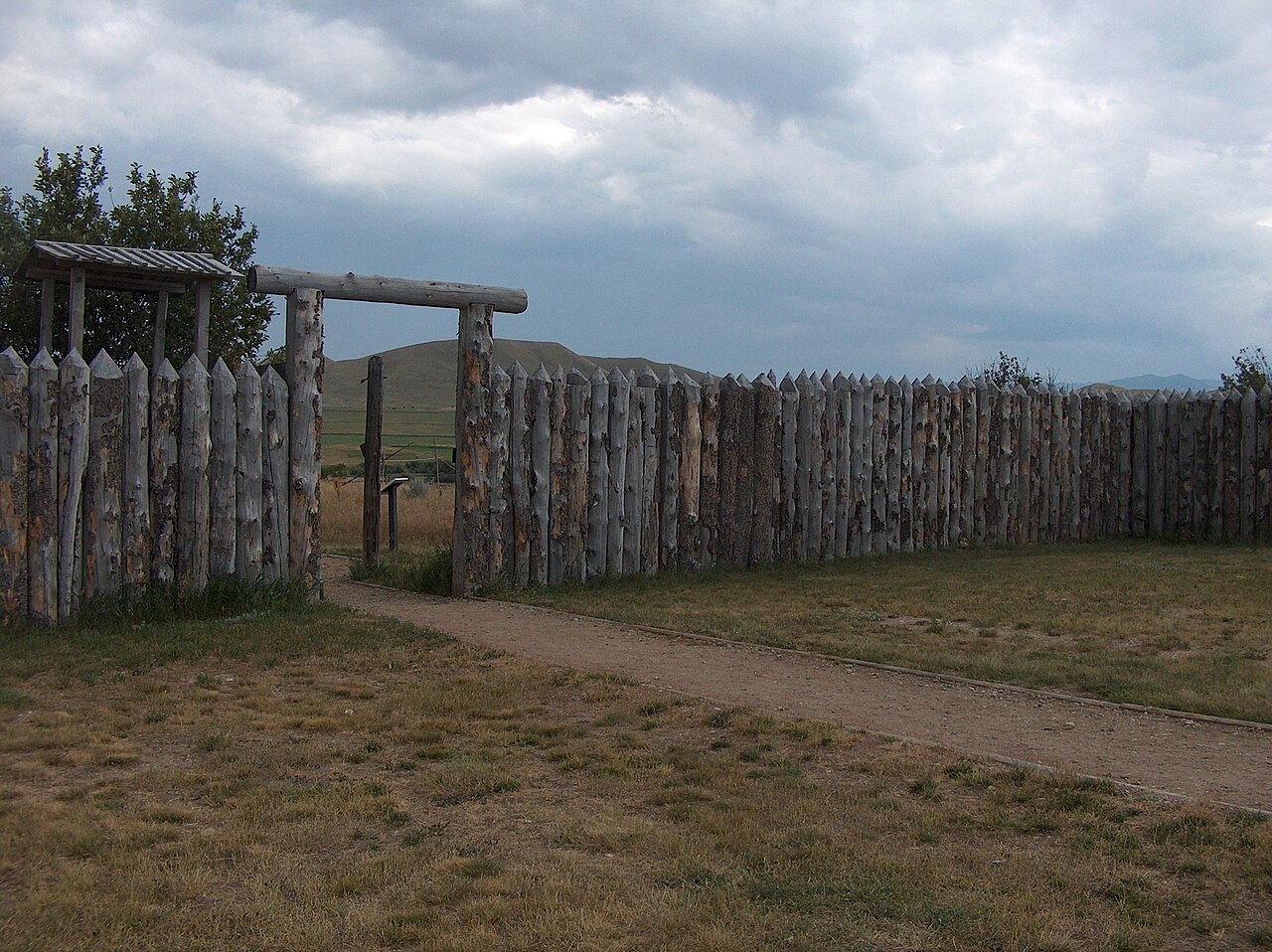
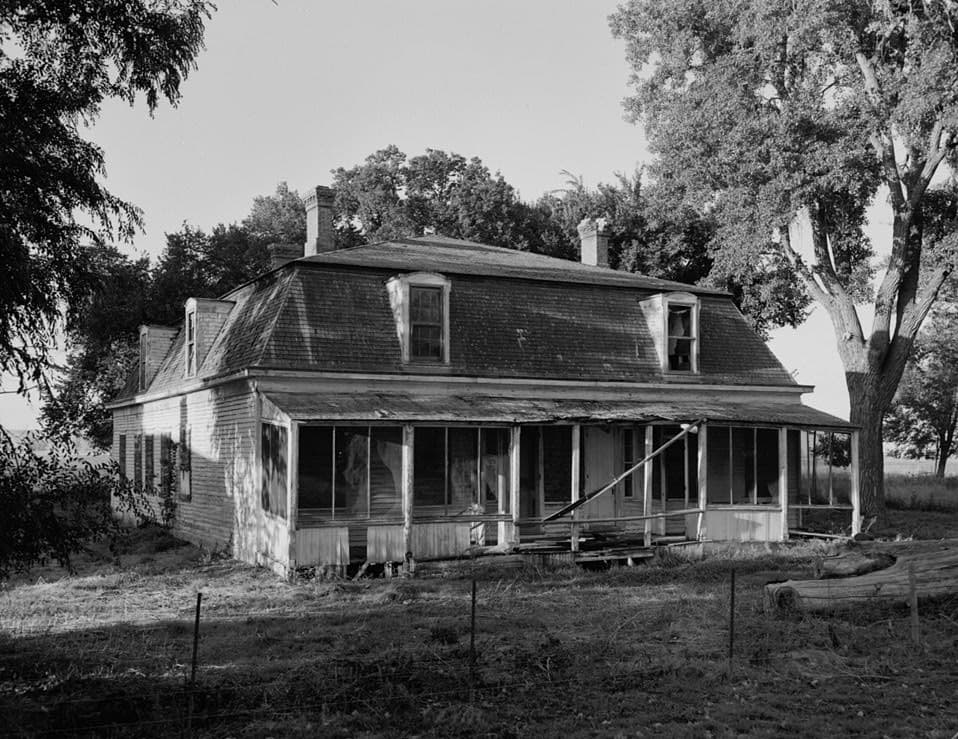
Unlike medieval castles, Fort Keogh was designed as a bastioned fortress typical of 19th-century military architecture, emphasizing practical defense against potential Native American attacks and later, lawlessness in the frontier. The fort's layout included defensive earthworks, bastions, and positioned to cover the perimeter. Buildings within the fort were primarily constructed of wood and stone, arranged around a central parade ground. The design reflected the military engineering principles of the time, focusing on functionality and rapid construction rather than ornate style.
Role in the development of Miles City
The presence of Fort Keogh stimulated economic and social development in the region. Traders and suppliers established businesses near the fort to serve the soldiers, including liquor vendors and general stores, which contributed to the founding and growth of Miles City. The fort effectively became the nucleus around which the civilian town developed, linking military and civilian frontier life.
Transition to research and preservation
After its military use declined, Fort Keogh was repurposed as a United States Department of Agriculture livestock and range research station. This transition reflects the changing priorities in the region from military control to agricultural development and scientific study of rangelands and livestock management. The site is recognized on the National Register of Historic Places, preserving its legacy as a key historical landmark in Montana's frontier history.
Visiting Fort Keogh today
While Fort Keogh no longer functions as a military base, its historical significance and preserved structures attract visitors interested in American West history and military heritage. The site offers insight into late 19th-century military architecture and the complex interactions between the U.S. Army and Native American tribes during a pivotal era of westward expansion.
Frequently asked questions (FAQ)
- How do I get to Fort Keogh?
- Fort Keogh is located just outside of Miles City, Montana. Visitors can access the fort by taking Interstate 94 to Exit 138 and following the signs to the fort area, which is easily reachable by car.
- What is the historical significance of Fort Keogh?
- Fort Keogh was established in 1877 and played a vital role in the Indian Wars, serving as a military outpost. It is named after Captain Myles Keogh, who died at the Battle of Little Bighorn, and today, it stands as a testament to the military history of the American West.
- When was Fort Keogh built?
- Fort Keogh was constructed in 1877 and was active until it was officially closed in 1947. The fort's long history reflects the changing military needs of the United States during its operational years.
- Can I visit Fort Keogh?
- Yes, Fort Keogh is open to the public for visitors interested in exploring its historical significance. Visitors should check for any special events or tours that may enhance their experience during their visit.
- Why is Fort Keogh important for architectural studies?
- Fort Keogh features several well-preserved historical buildings that showcase military architecture from the late 19th century. The layout and construction techniques used in the fort provide valuable insights into historical military life and architecture.
- Is it possible to access Fort Keogh year-round?
- Yes, Fort Keogh is accessible throughout the year, although some facilities may have limited hours during the winter months. It's always best to check for specific visiting hours and any seasonal events before planning your trip.
- What are the best times to visit Fort Keogh?
- The best time to visit Fort Keogh is during the spring and fall when the weather is mild and comfortable for outdoor exploration. Summer can be quite hot, while winter temperatures may deter some visitors.
- Are there any nearby attractions to Fort Keogh?
- Yes, visitors can explore the nearby Miles City, which offers local museums, art galleries, and the historic downtown area. Additionally, the Yellowstone River provides opportunities for fishing and recreation.
- What are the ticket prices for visiting Fort Keogh?
- Visiting Fort Keogh is generally free, but some special events or guided tours may have a nominal fee. It's advisable to check the official website or contact the visitor center for the most current information on any applicable charges.
- What are the opening hours for Fort Keogh?
- Fort Keogh typically opens its gates from 8 AM to 5 PM, but hours may vary depending on the season or special events. Visitors should confirm the hours of operation in advance to ensure a smooth visit.
Photo gallery

Photo by Casey Barthelmess•Public domain
Information
Loading map...
Visitor reviews
No reviews yet. Been here? Write the first review and help other travelers!
Write the first reviewVisited this castle? Share your experience
Your review helps other travelers and adds first-hand knowledge to our encyclopedia.