Fort Jay
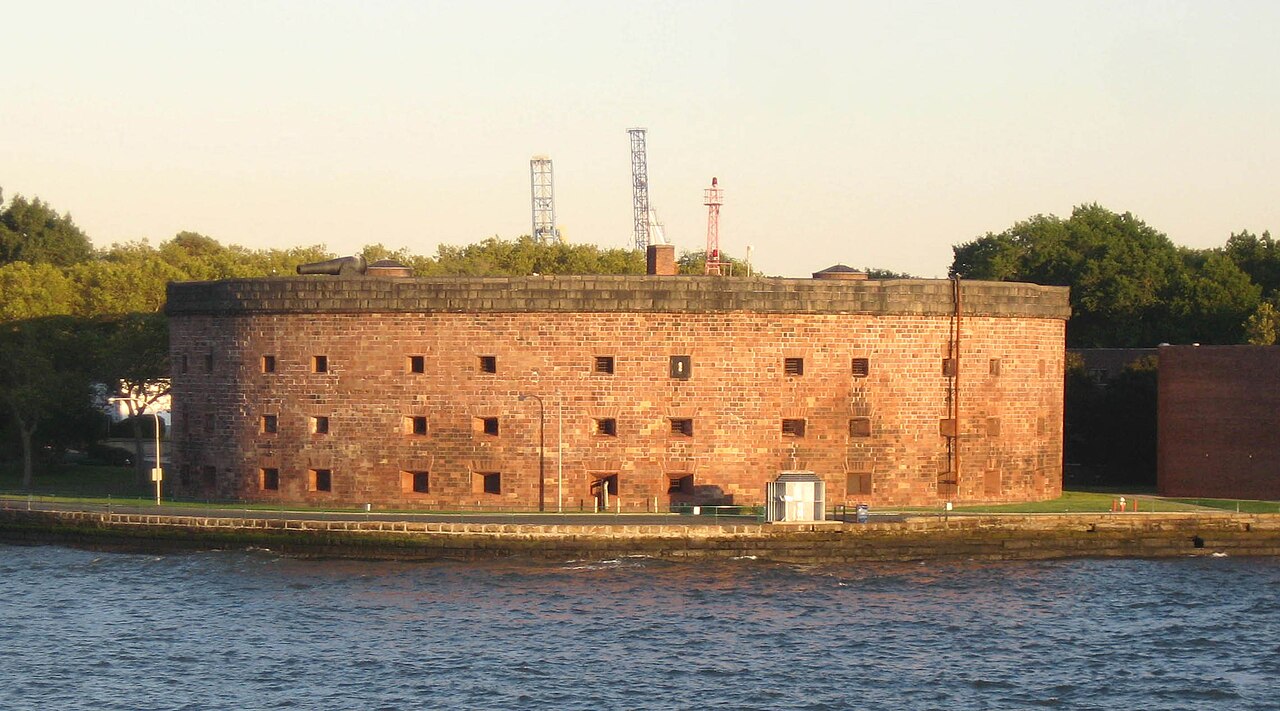
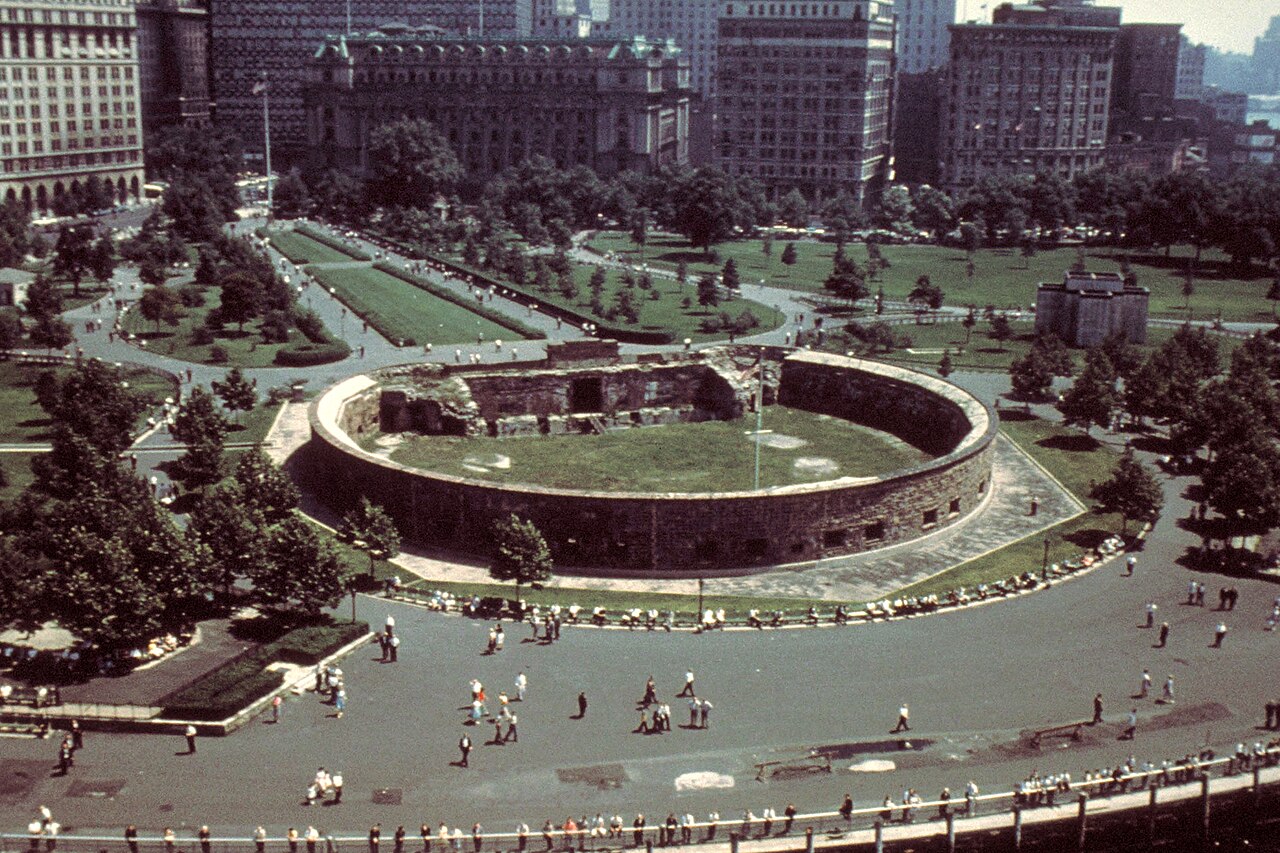
Fort Jay stands as a prominent example of a coastal bastion fort constructed in the late 18th century to protect one of the most strategic maritime gateways in the United States. Located on Governors Island in New York Harbor, this fortification played a crucial role in the defense of Upper New York Bay and the city of New York itself. Built initially in 1794, during the post-Renaissance period of military architecture, Fort Jay reflects the evolving needs and technologies of coastal defense in the early years of the American republic.
The fort was originally designed to guard the harbor entrance against naval threats, embodying the principles of bastioned fort design, which featured angled walls and protruding bastions to maximize defensive coverage and reduce blind spots. Its position on Governors Island allowed it to work in concert with other nearby fortifications, creating a layered defense system that was instrumental during periods of conflict, most notably the War of 1812.
Historical significance and military role
Fort Jay was initially known simply as a coastal fortification but was renamed Fort Columbus from 1806 to 1904, presumably in honor of the explorer Christopher Columbus. This renaming reflected the fort's growing importance as the primary United States Army post defending New York City. As the largest military installation on Governors Island, Fort Columbus was central to the military strategy that protected the city and its vital harbor.
The fort's strategic value was underscored during the War of 1812, when the British navy sought to disrupt American commerce and military operations. The robust coastal defenses, including Fort Columbus, discouraged British naval forces from attempting a direct assault on New York Harbor. Instead, the British targeted other locations such as the Great Lakes region, the Chesapeake Bay—where they famously burned Washington, DC—and the Gulf of Mexico near New Orleans.
Architectural features and design
Fort Jay exemplifies the bastioned fort design characteristic of late 18th-century military architecture. Its layout includes a roughly star-shaped configuration with bastions projecting at angles to provide overlapping fields of fire. The fort's walls were constructed using durable masonry and earthworks designed to absorb and deflect artillery fire.
The fort's defensive structures include ramparts, bastions, and moats, which together created formidable obstacles for any attacking force. The interior of the fort housed barracks, officers' quarters, magazines for storing ammunition, and parade grounds. These facilities supported the garrison stationed at the fort and ensured readiness for defense.
Renovations and changes over time
Throughout its history, Fort Jay underwent several modifications to adapt to changing military technologies and strategic needs. The fort's original 18th-century structures were expanded and reinforced in the 19th century, particularly as artillery technology advanced. Despite these updates, the fort retained much of its original bastioned form, preserving its historical character.
Post-military use and preservation
Following its active military use, Fort Jay and Governors Island transitioned to new roles. The fort was decommissioned as a military post in the 20th century, and the island has since been redeveloped for public use and historical preservation. Fort Jay is currently open to visitors during the summer months, offering a glimpse into the military history of New York Harbor.
Efforts to stabilize and preserve Fort Jay are ongoing, managed by the City of New York in partnership with the Trust for Governors Island. These initiatives aim to maintain the fort's structural integrity while enhancing its accessibility and educational value for the public. The fort's preservation contributes to a broader understanding of America's coastal defense heritage and the evolution of military architecture.
Visiting Fort Jay today
Visitors to Fort Jay can explore its well-preserved bastioned walls, historic buildings, and scenic views of New York Harbor. The fort's location on Governors Island makes it accessible by ferry from Manhattan and Brooklyn, providing an engaging historical experience combined with recreational opportunities on the island.
Seasonal tours and interpretive programs help contextualize the fort's significance, highlighting its role in American military history and its architectural features. These programs are designed to educate visitors about the strategic importance of coastal forts and the lives of the soldiers who served there.
Frequently asked questions (FAQ)
- How do I get to Fort Jay on Governors Island?
- Fort Jay is accessible by ferry from Manhattan and Brooklyn. Ferries operate seasonally, primarily during the summer months, providing convenient transportation to Governors Island.
- What is the historical significance of Fort Jay?
- Fort Jay was a key coastal defense fortification built in 1794 to protect New York Harbor. It played a vital role during the War of 1812 by deterring British naval attacks on the city.
- When was Fort Jay renamed Fort Columbus?
- The fort was renamed Fort Columbus from 1806 to 1904, reflecting its importance as the primary U.S. Army post defending New York City.
- Can I visit Fort Jay year-round?
- Fort Jay is open to the public on a seasonal basis, typically during the summer months, as part of Governors Island's public access and preservation efforts.
- What architectural features define Fort Jay?
- Fort Jay features a bastioned star-shaped design with ramparts, bastions, and moats typical of late 18th-century coastal fortifications, designed to maximize defensive coverage.
Information
Opening hours
Summer seasonal
Current owner
Trust for Governors Island
Loading map...
Visitor reviews
No reviews yet. Been here? Write the first review and help other travelers!
Write the first reviewVisited this castle? Share your experience
Your review helps other travelers and adds first-hand knowledge to our encyclopedia.