Fort Ino
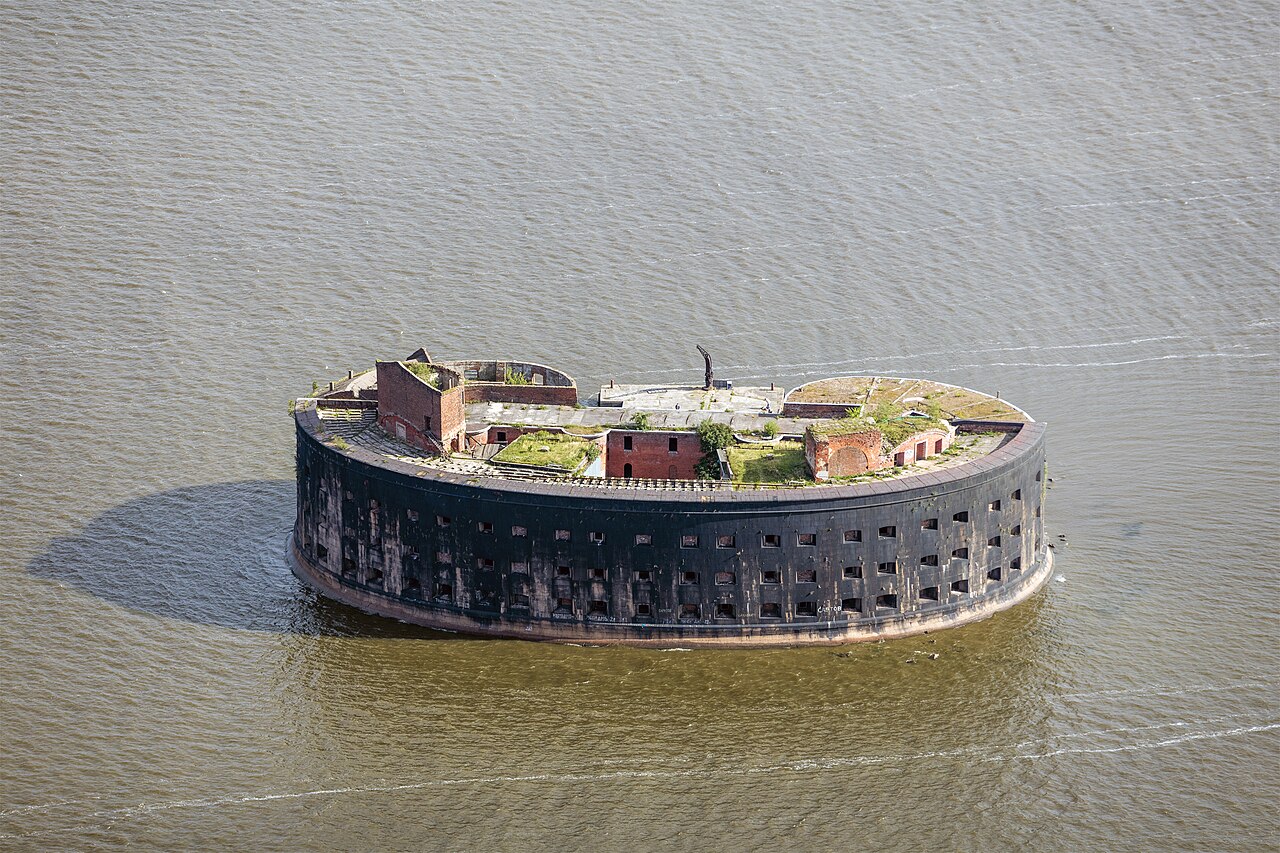
Fort Ino, also known as Fort Nikolaevsky, is a coastal bastioned fortress constructed in the early 20th century on the northern shore of Neva Bay in the Gulf of Finland. This fortification was part of a strategic defensive network designed to protect the approaches to the important city of Saint Petersburg (then Petrograd) from naval threats. Located near the present-day settlement of Privetninskoye (formerly Ino until 1946) in the Vyborgsky District of Leningrad Oblast, Fort Ino stands opposite the Krasnaya Gorka fort on the southern shore, together forming a crossfire defense system controlling the bay.
Historical context and strategic importance
The construction of Fort Ino began in the early 1900s as part of the Russian Empire's efforts to strengthen its coastal defenses during a period of growing naval tensions in the Baltic region. Its primary role was to serve as a bastioned fortress guarding the northern maritime approaches to the Gulf of Finland, a critical access point to the capital. The fort was designed to work in conjunction with other fortifications, including Krasnaya Gorka, to create overlapping fields of artillery fire, deterring enemy ships from advancing toward Saint Petersburg.
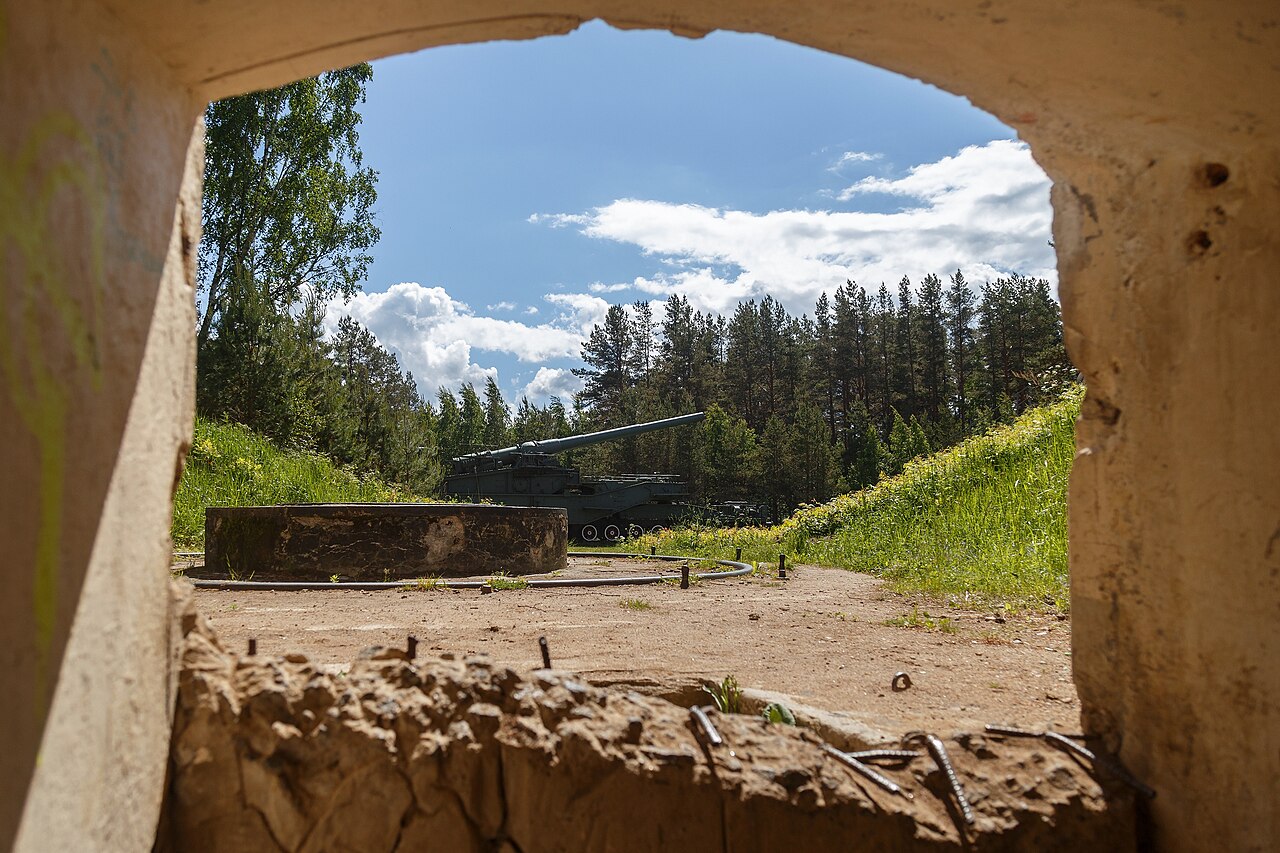
During the Russo-Japanese War and the World War I era, Fort Ino was equipped with heavy coastal artillery pieces and reinforced with modern military engineering techniques of the time. Although it saw limited combat action, the fortress was a significant element of the defensive strategy of the region.
Architectural features and layout
Fort Ino is classified as a bastioned fortress, a style characterized by angular bastions projecting outward from the main walls to provide defensive coverage of adjacent walls and approaches. This design allowed defenders to cover all sides of the fort with overlapping fields of fire, minimizing blind spots.
The fortress includes multiple artillery batteries positioned to command the bay, extensive underground tunnels connecting various parts of the complex, and fortified gun emplacements. The underground passages were designed to protect personnel and munitions from enemy bombardment and allowed for secure movement within the fortification.
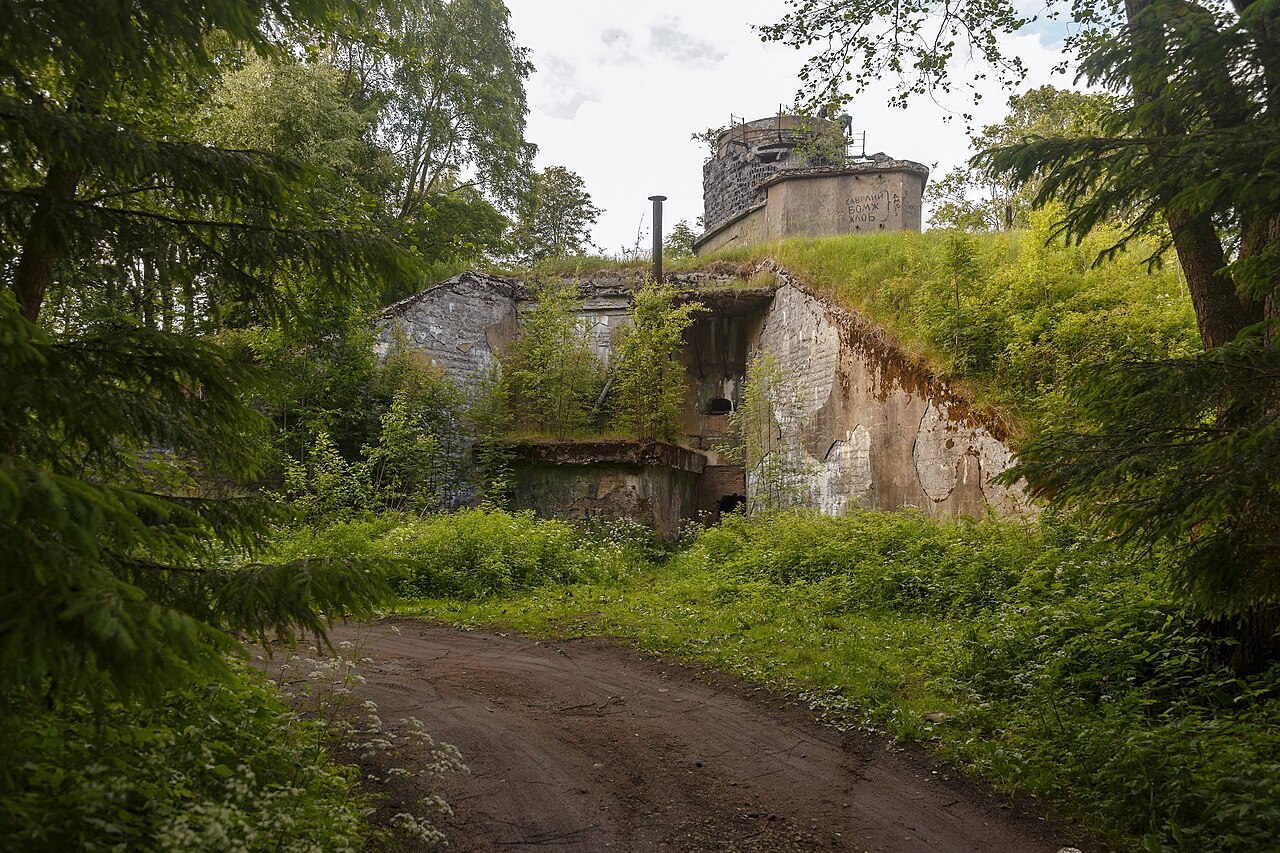
The walls and structures were built using reinforced concrete and steel, reflecting the contemporary military construction technologies of the early 20th century. The fortress also featured observation posts and command bunkers to coordinate its defensive operations.
Later history and current condition
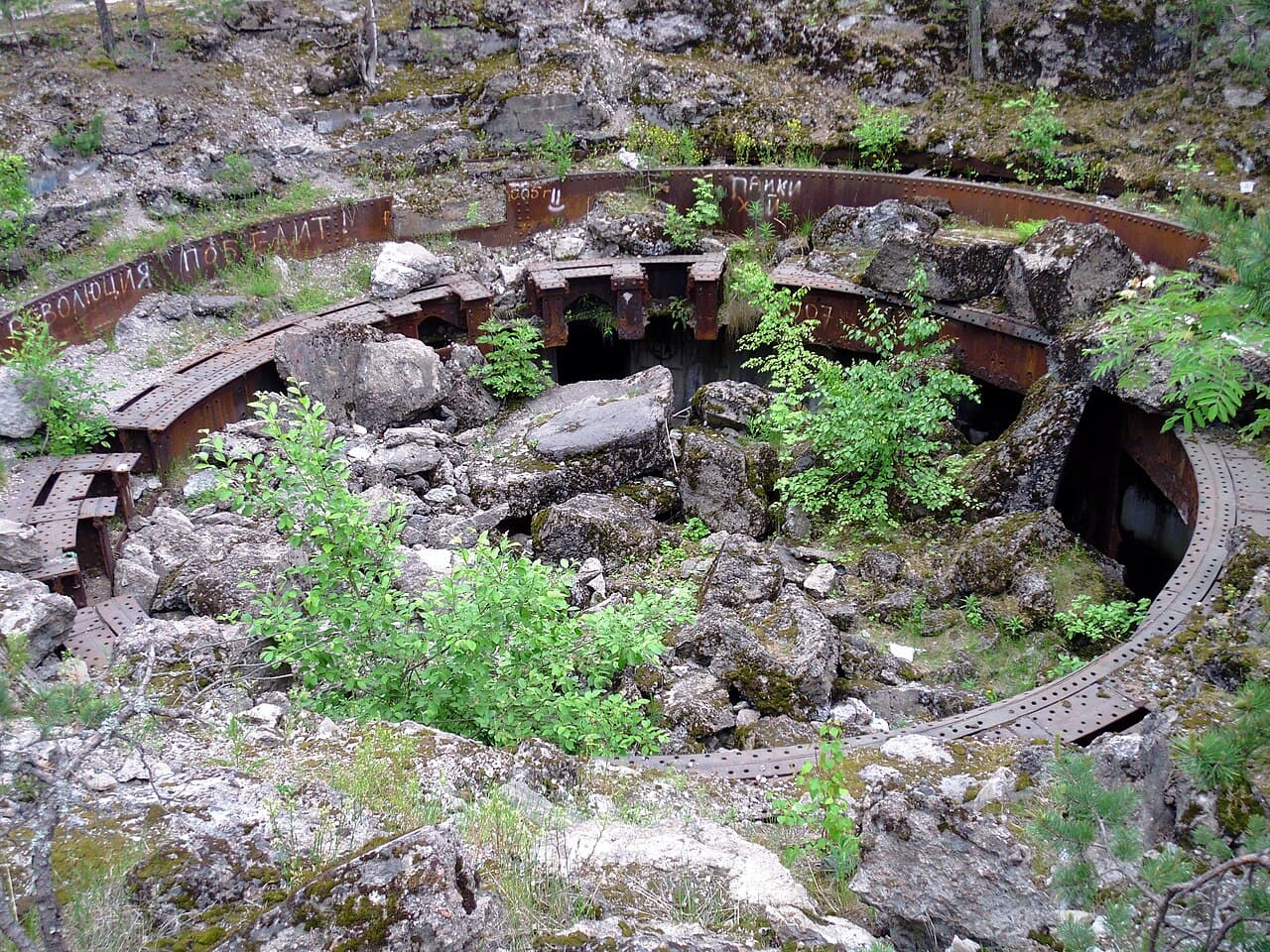
Following the upheavals of the Russian Revolution and the subsequent wars, Fort Ino gradually lost its military significance. After World War II, the fort was abandoned and fell into a state of disrepair. Today, it remains under Russian control but is largely in ruins, with many of its structures partially preserved.
The extensive system of tunnels is a notable feature that intrigues visitors and historians alike. While the fortress is abandoned, parts of it are accessible to the public, offering a glimpse into early 20th-century military architecture and coastal defense strategies.
Visiting Fort Ino
Fort Ino is located near Privetninskoye in the Leningrad Oblast region, accessible by local roads. Visitors interested in military history and coastal fortifications often explore the ruins, including the tunnels, though caution is advised due to the deteriorated condition of some structures. The site provides a tangible connection to Russia's coastal defense heritage and the turbulent history of the Baltic region during the 20th century.
Preservation and cultural significance
Despite its ruined state, Fort Ino is recognized for its cultural and historical value. It represents a period of transition in military architecture, bridging traditional bastioned designs with modern concrete fortifications. The fortress is a subject of interest for historians, architects, and enthusiasts of military heritage, highlighting the strategic importance of the Gulf of Finland in Russian defense planning.
Frequently asked questions (FAQ)
- What is the historical significance of Fort Ino?
- Fort Ino is a notable example of Russian military architecture, built in the 17th century. It played a crucial role in the defense strategy against invasions, reflecting the military practices of the time and showcasing the evolution of fortification techniques in Russia.
- When was Fort Ino constructed?
- Fort Ino was constructed in the early 17th century, specifically between 1650 and 1660. It served as a strategic military outpost during a turbulent period in Russian history, marking its importance in regional defense.
- What are the opening hours of Fort Ino?
- Fort Ino is open to visitors from 10 AM to 6 PM daily, with extended hours during the summer months. It's advisable to check the official website for any seasonal changes or special events that might affect visiting hours.
- Can I take guided tours of Fort Ino?
- Yes, guided tours are available at Fort Ino, providing an in-depth look at its history and architecture. Tours are led by knowledgeable guides who can answer questions and share fascinating stories about the castle and its significance.
- Is Fort Ino accessible for visitors with disabilities?
- Fort Ino is committed to accessibility, with efforts made to accommodate visitors with disabilities. However, some areas may be challenging due to the castle's historical structure, so it's best to contact the site in advance for specific information on accessibility options.
- What is the best time to visit Fort Ino?
- The best time to visit Fort Ino is during the late spring to early autumn months, from May to September. This period offers pleasant weather for exploring the castle and enjoying the surrounding scenic landscapes.
- Are there any nearby attractions to visit along with Fort Ino?
- Yes, visitors can explore several nearby attractions, including the beautiful nature reserves and parks that offer hiking trails and wildlife viewing. Additionally, local museums and cultural sites can enhance your experience of the region's rich history.
- How much do tickets to Fort Ino cost?
- Tickets to Fort Ino are reasonably priced, with discounts available for students, seniors, and groups. It's recommended to purchase tickets in advance, especially during peak tourist seasons, to avoid long wait times.

Information
Loading map...
Visitor reviews
No reviews yet. Been here? Write the first review and help other travelers!
Write the first reviewVisited this castle? Share your experience
Your review helps other travelers and adds first-hand knowledge to our encyclopedia.