Fort Independence
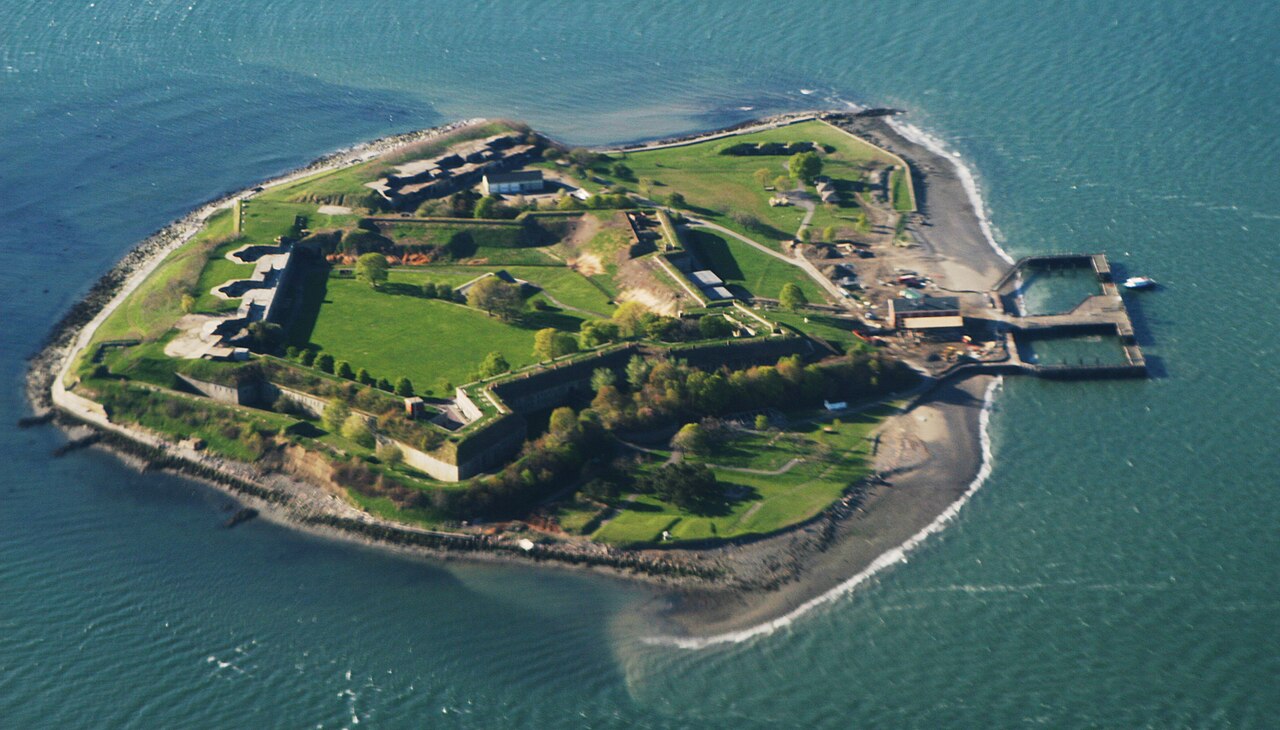
Fort Independence is a prominent granite bastion fort located on Castle Island in Boston, Massachusetts. It stands as one of the oldest continuously fortified sites of English origin in the United States, serving as a critical defensive structure guarding the harbor for nearly four centuries. The fort's strategic position allowed it to control access to Boston Harbor and protect the city from naval threats.
Early fortifications and colonial origins
The site originally hosted a rudimentary fortification known as "The Castle," established in 1634 during the early colonial period. This initial structure was a simple wooden fortification intended to defend the settlement against potential attacks by sea. Over the next several decades, the fort was rebuilt twice, reflecting the evolving military needs and increasing tensions in the region.
By around 1692, the wooden fortifications were replaced with a more substantial stone structure named Castle William. This fortification marked a significant upgrade in defensive capabilities, featuring stone walls and bastions designed to withstand artillery bombardment. Castle William played a key role during the colonial period as a British military installation.
Role in the american revolution and renaming
During the American Revolution, the British abandoned Castle William as the conflict escalated. The fort was subsequently taken over by American forces, who renamed it first Fort Adams and later Fort Independence. The renaming symbolized the new American sovereignty and the fort's continued importance as a defensive stronghold.
19th-century reconstruction and architectural features
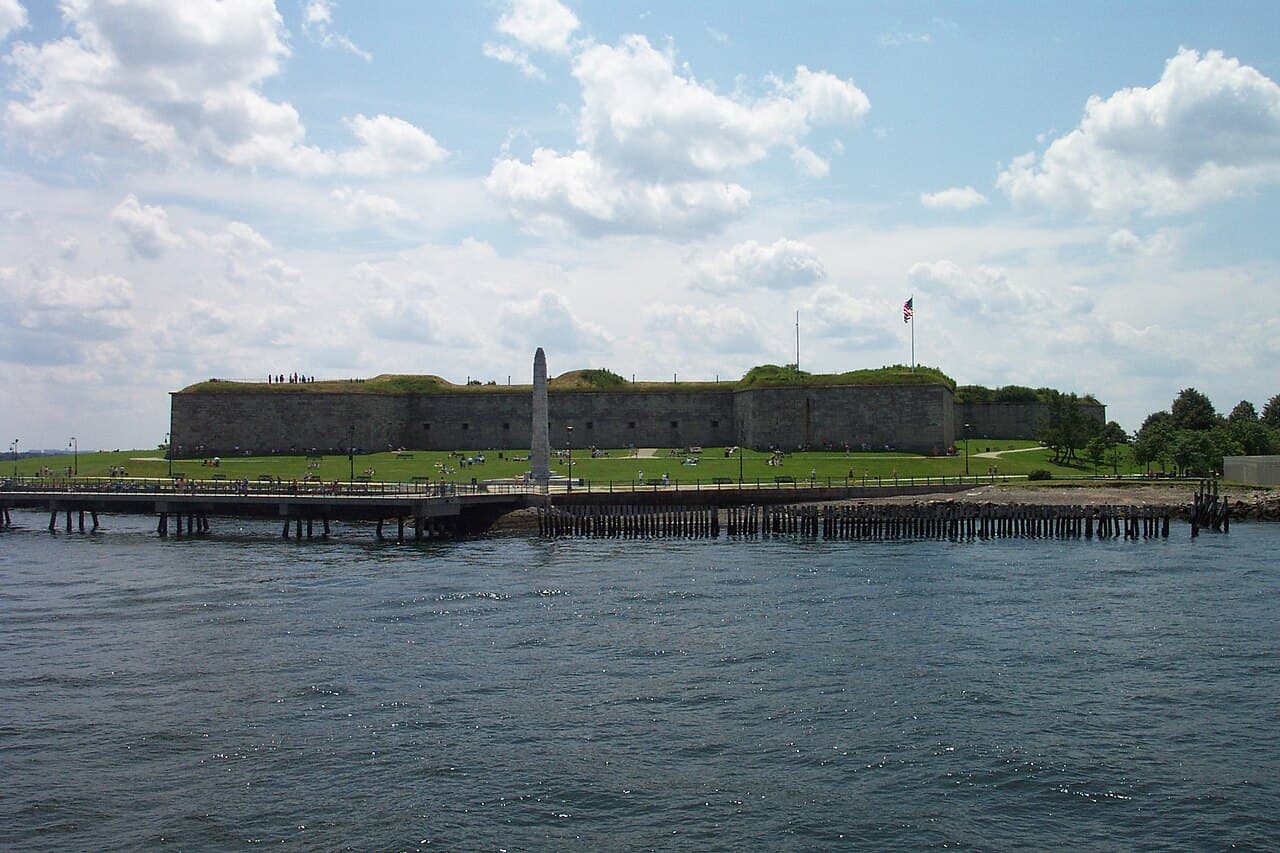
The current granite fortification visible today was constructed between 1833 and 1851. This extensive rebuilding project transformed Fort Independence into a classic bastioned fortress designed in accordance with military engineering principles of the time. The fort features thick granite walls, multiple bastions projecting outward to provide overlapping fields of fire, and a dry moat that enhanced its defensibility.
The design reflects the influence of European bastioned fortifications adapted for coastal defense. The fort's walls are punctuated by embrasures for cannon placements, and the interior includes barracks, powder magazines, and command facilities. This configuration allowed the garrison to repel naval attacks and protect Boston Harbor effectively.
Military use and preservation
Fort Independence remained an active military installation through the 19th century and into the early 20th century, although its strategic importance declined with advances in military technology. It was used for harbor defense during the War of 1812 and the Civil War, and later served as a training and ceremonial site.
Today, Fort Independence is preserved as a state park and historic site. It is open to the public for tours and educational programs, allowing visitors to explore its bastions, walls, and historic structures. The fort occasionally hosts ceremonial cannon salutes, maintaining its military heritage. It was listed on the National Register of Historic Places in 1970, recognizing its cultural and historical significance.
Architectural significance and legacy
As a bastioned fortress built primarily of granite, Fort Independence exemplifies coastal fortification design from the Renaissance period adapted to American needs. Its layered construction history—from a 17th-century wooden fort to a 19th-century granite bastion—illustrates the evolution of military architecture in response to changing technologies and threats.
The fort's preservation offers insight into colonial and early American military strategies, as well as the craftsmanship involved in large-scale stone fortifications. Its prominent location on Castle Island continues to make it a landmark of Boston's maritime defense history.
Frequently asked questions (FAQ)
- What is the historical significance of Fort Independence?
- Fort Independence, built in the late 19th century, played a crucial role in protecting Boston Harbor during the American Revolutionary War and the War of 1812. It stands as a symbol of the city's military history and has been designated a National Historic Landmark. The fort's strategic location showcases the importance of Boston in America's coastal defense.
- When was Fort Independence constructed?
- Construction of Fort Independence began in 1833 and was completed by 1851. It was built to replace older fortifications and to adapt to advancements in military technology. The fort was named in honor of the United States' independence from British rule.
- Can I visit Fort Independence?
- Yes, Fort Independence is open to the public, and visitors can explore its historic grounds and learn about its significance. Guided tours are often available, especially during the summer months, providing a comprehensive overview of the fort's history and architecture. Be sure to check the official website for the latest visiting hours and tour schedules.
- What are the opening hours of Fort Independence?
- Fort Independence typically opens for visitors from late spring through early fall, with specific hours varying by day. During peak season, it is usually open from 10 AM to 4 PM on weekends. For exact opening hours and any seasonal changes, it’s best to consult the official Fort Independence website prior to your visit.
- Is Fort Independence accessible for visitors with disabilities?
- Yes, Fort Independence is committed to accessibility and provides accommodations for visitors with disabilities. While some areas may have limited access due to the historic nature of the site, staff are available to assist and provide information on accessible routes. It's recommended to contact the fort in advance for specific accessibility options.
- What is the best time to visit Fort Independence?
- The best time to visit Fort Independence is during the summer months, from June to September, when the weather is pleasant and the fort offers a range of guided tours and events. Additionally, visiting during these months allows you to enjoy the surrounding parks and waterfront. However, spring and fall can also be beautiful times to explore the site with fewer crowds.
- Are there any nearby attractions to Fort Independence?
- Yes, Fort Independence is located near several attractions, including Castle Island, a popular park offering walking paths and picnic areas. The nearby Boston Harborwalk provides stunning waterfront views and connects to various other historic sites and attractions in the area. Visitors can easily spend a full day exploring the rich history and natural beauty surrounding the fort.
- What are the ticket prices for visiting Fort Independence?
- Admission to Fort Independence is typically free, but donations are welcomed to support maintenance and educational programs. Special events or guided tours may have associated fees, so it’s advisable to check the official website for any updates on pricing for specific activities. This makes it an affordable option for families and history enthusiasts alike.
Photo gallery

Information
Address
Castle Island, Boston, MA
Loading map...
Visitor reviews
No reviews yet. Been here? Write the first review and help other travelers!
Write the first reviewVisited this castle? Share your experience
Your review helps other travelers and adds first-hand knowledge to our encyclopedia.