Fort Hubberstone
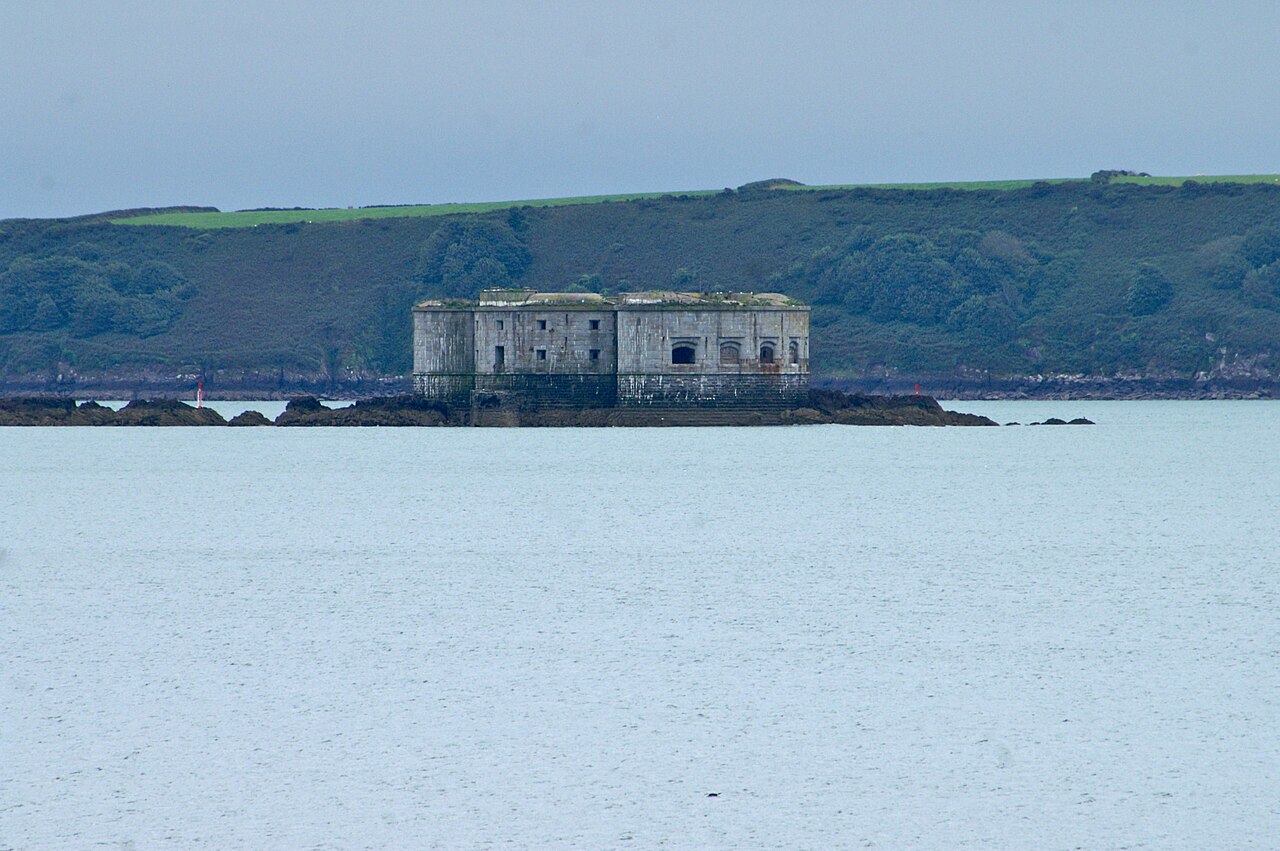
Fort Hubberstone is a significant example of Victorian military architecture located on the west side of Milford Haven in the United Kingdom. Constructed between 1860 and 1863 as part of the inner line of defence following the recommendations of the Royal Commission on the Defence of the United Kingdom, it played a critical role in safeguarding the strategic naval facilities at Pembroke Dock. This fort was designed to work in tandem with Popton Fort on the opposite shore, creating an interlocking field of fire that formed the last defensive barrier before enemy forces could reach the Royal Naval dockyard.
Strategic importance and historical context
The mid-19th century was a period of heightened tension and military innovation, prompting the British government to strengthen coastal defences against potential French invasion threats. Fort Hubberstone was part of a broader network of fortifications known as the Palmerston Forts, named after Prime Minister Lord Palmerston, who championed their construction. These forts were built to counter advances in artillery technology and naval power, ensuring that key naval installations remained secure.
Architectural design and features
Layout and structure
Fort Hubberstone is a D-shaped fortification prominently situated overlooking the water, designed to maximize defensive coverage. The fort features a large battery with eleven guns housed in casemates, which are fortified gun emplacements providing protection for artillery and crews. Above these, an open battery accommodates eight additional guns, and a further nine guns are positioned in an open flank battery, allowing for a wide range of defensive firepower.
Protective elements
A key architectural innovation of Fort Hubberstone is its bomb-proof roof, constructed to shield the barracks and other internal buildings from mortar projectiles. This roof was a response to the increasing use of explosive shells in siege warfare. The fort’s landward side is defended by a deep ditch, creating a formidable obstacle to any attacking force attempting to breach the fort from inland. On the seaward side, a counter-scarp gallery provides additional defensive fire coverage, allowing defenders to target enemies attempting to approach from the water.
Support facilities
Behind the gun batteries lies a large barracks complex, designed to accommodate the garrison responsible for manning the fort. The barracks were built with durability and protection in mind, reflecting the military priorities of the era.
Operational history
After its completion in 1863, Fort Hubberstone served as a key defensive position through the late 19th and early 20th centuries. However, following the Haldane Reforms after World War I, which reorganized the British Army and its defensive strategies, the fort was abandoned as an active military site. A 1919 proposal to repurpose the fort as social housing was considered but ultimately not implemented.
During World War II, the fort saw renewed use, serving as an air raid shelter and an army camp for American military personnel stationed in the area. This reuse highlights the adaptability of the fort's robust construction and strategic location.
Current condition and preservation challenges
Today, Fort Hubberstone is in a state of disrepair. Despite its historical significance, the fort is not open to the public and has suffered from neglect over the decades. The site is owned by the Milford Haven Port Authority, which has explored various restoration plans, though none have come to fruition. The fort has also been the site of accidents involving trespassers, underscoring safety concerns related to its deteriorated condition.
Architectural and cultural significance
Fort Hubberstone stands as a well-preserved example of Victorian coastal defence architecture, illustrating the military engineering responses to evolving artillery technology in the 19th century. Its combination of casemated batteries, bomb-proof roofing, and strategic positioning reflects the defensive priorities of the era. The fort’s history, from its original defensive role through its World War II reuse, provides insight into the changing nature of military strategy and coastal defence in the United Kingdom.
While currently inaccessible, Fort Hubberstone remains a significant heritage site within the Milford Haven area, representing the legacy of the Palmerston Forts and the broader history of British coastal defences.
Frequently asked questions (FAQ)
- What is the historical significance of Fort Hubberstone?
- Fort Hubberstone was built between 1860 and 1863 as part of the Royal Commission's recommendations to defend Milford Haven and the Royal Naval dockyard at Pembroke Dock. It formed a key part of the Palmerston Forts network, protecting against potential naval threats during the Victorian era.
- Can I visit Fort Hubberstone today?
- Currently, Fort Hubberstone is not open to the public due to its poor condition and safety concerns. It is owned by the Milford Haven Port Authority, which has not yet opened the site for tourism or restoration visits.
- What are the main architectural features of Fort Hubberstone?
- The fort features a D-shaped layout with eleven casemated guns, an open battery with eight guns, and a flank battery with nine guns. It has a bomb-proof roof protecting the barracks and is defended by a deep ditch and a counter-scarp gallery.
- How was Fort Hubberstone used during World War II?
- During World War II, Fort Hubberstone was repurposed as an air raid shelter and housed American military personnel, demonstrating its continued military utility despite its original 19th-century construction.
- Why was Fort Hubberstone abandoned after World War I?
- The fort was abandoned following the Haldane Reforms, which reorganized British military defences and rendered many coastal forts obsolete. A plan to convert it into social housing in 1919 was never realized.
Information
Current owner
Milford Haven Port Authority
Loading map...
Visitor reviews
No reviews yet. Been here? Write the first review and help other travelers!
Write the first reviewVisited this castle? Share your experience
Your review helps other travelers and adds first-hand knowledge to our encyclopedia.