Fort Glanville
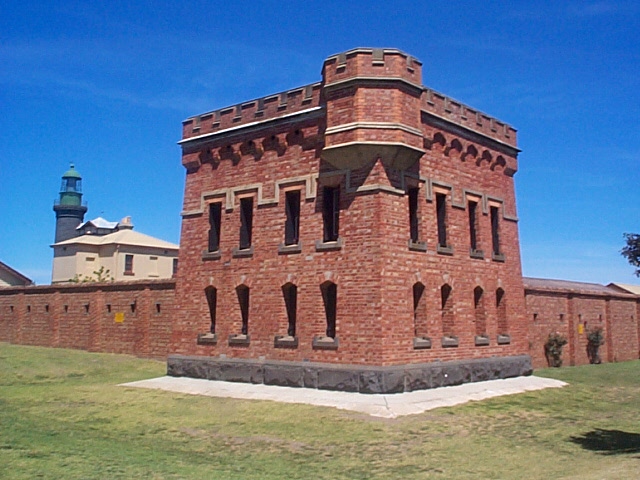
Fort Glanville Conservation Park is a significant heritage site located in Semaphore Park, a coastal suburb of Adelaide, South Australia. This historic site features a functional 19th-century bastioned fortress that stands as one of the most complete and well-preserved colonial fortifications in Australia. Originally constructed to protect the strategic Port River and Semaphore anchorage from naval threats, the fort reflects the military engineering and colonial defense priorities of the late 19th century.
Historical context and strategic importance
After decades of debate over South Australia's coastal defense, construction of Fort Glanville began in 1878 under the direction of Governor Major General Sir William Jervois and Lieutenant Colonel Peter Scratchley. Both men were instrumental in shaping early Australian colonial military fortifications. The fort was officially opened in October 1880 and completed by 1882. It represented the first colonial fortification in South Australia, designed to counter the threat of naval attack on the port facilities and shipping lanes.
Fort Glanville's defensive role was to guard Semaphore's anchorage and the entrance to the Port River. However, shifting maritime routes and changes to the Port River's navigability led to Fort Largs becoming more strategically important by 1890. Consequently, Fort Glanville's military significance diminished towards the end of the 19th century.
Architectural design and armament
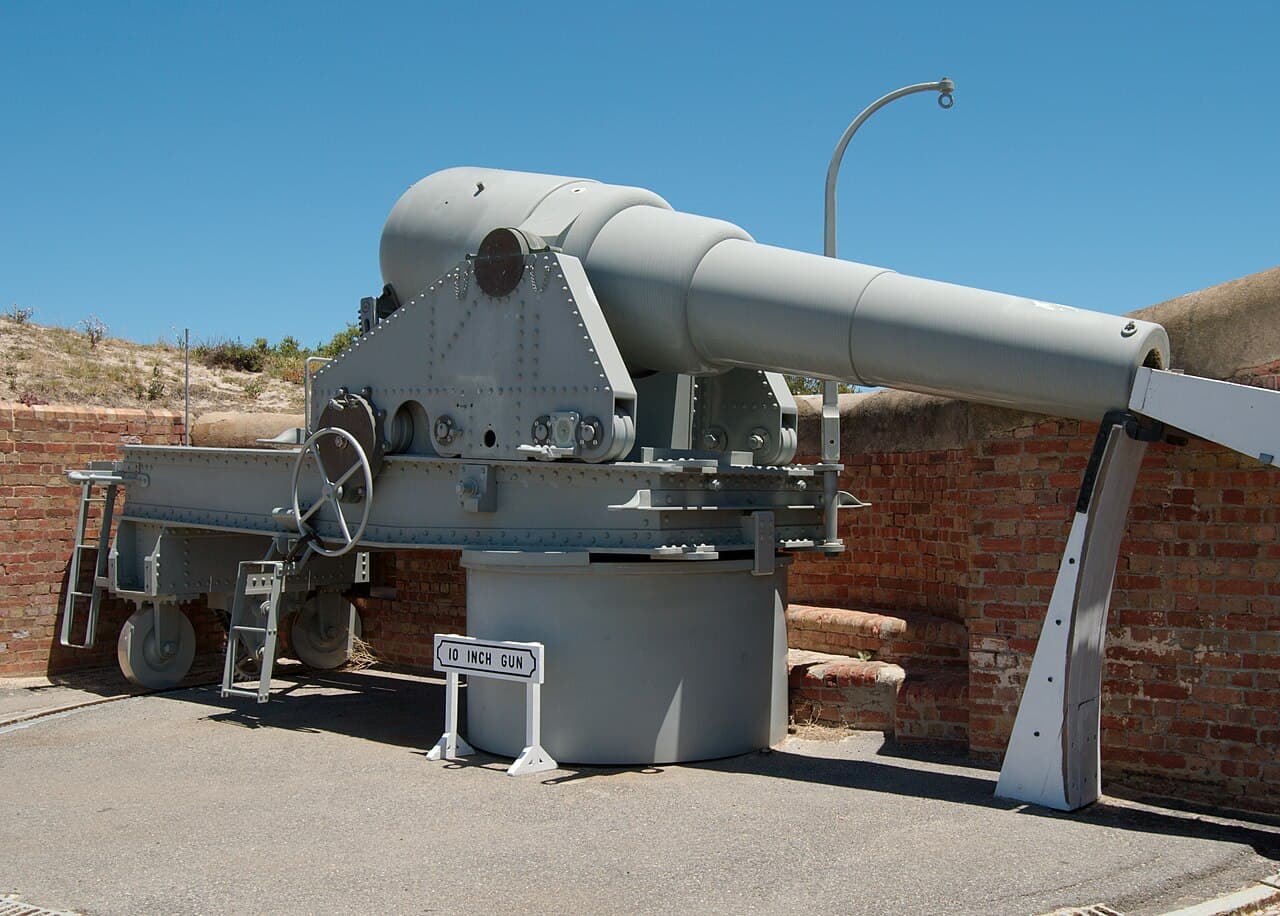
The fort is a lunette-shaped defensible battery, a design that allowed it to be supported by land forces for self-defense. Its construction incorporated advanced military technology of the time, including powerful artillery pieces. The main armament consisted of two rifled muzzle-loading (RML) 10-inch 20-ton guns, supplemented by two RML 64-pounder 64 cwt guns. These weapons are notable for their rarity and unique configuration, with Fort Glanville retaining its original 19th-century cannons. Remarkably, three of these historic guns have been restored to working condition, allowing visitors to witness live demonstrations.
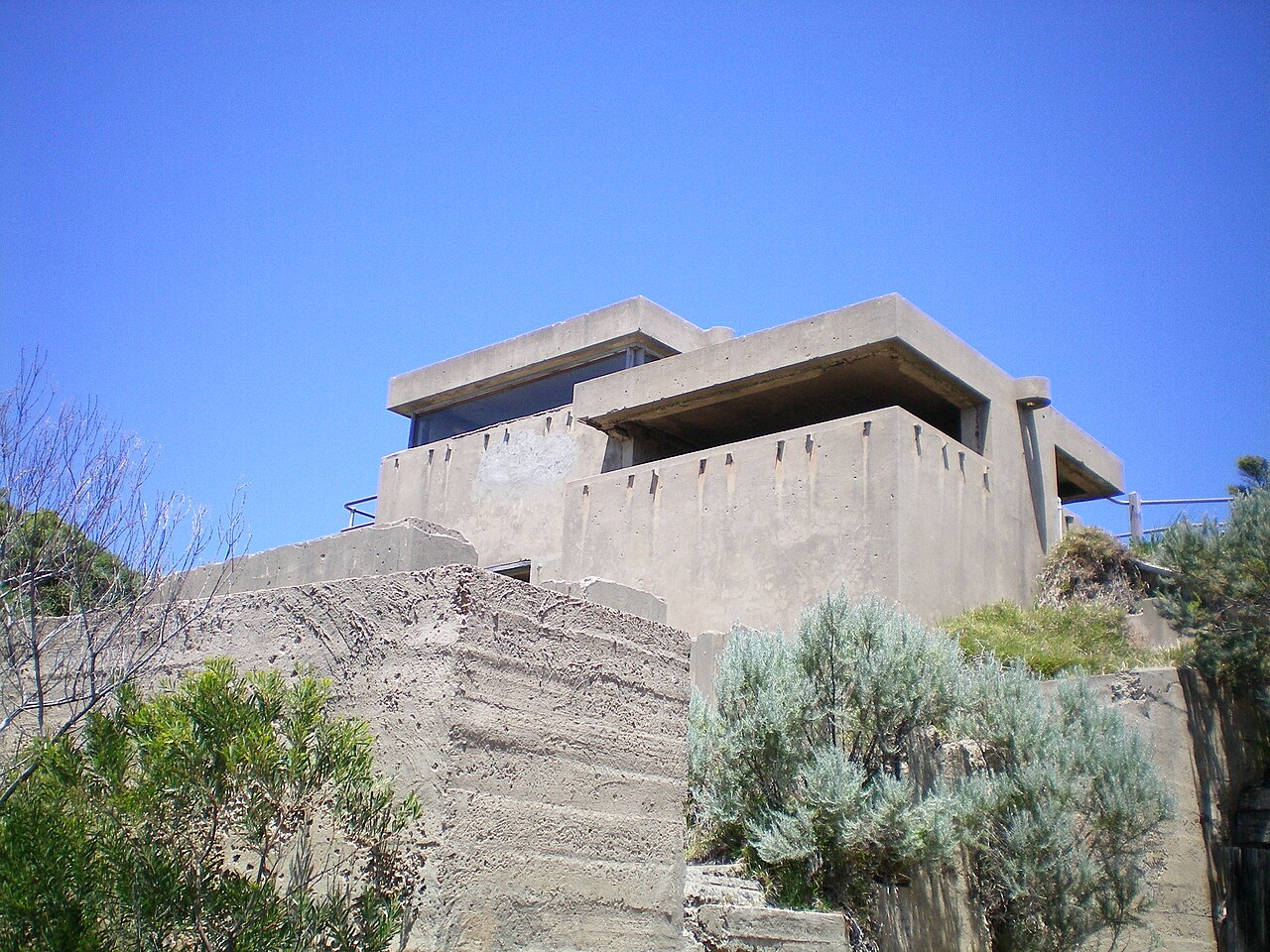
The fort's walls, bastions, and gun emplacements were constructed using robust masonry techniques typical of the period. The design allowed for effective fields of fire and protection against naval bombardment. Defensive features included thick walls, strategic embrasures for artillery, and a layout optimized for both offense and defense.
Military use and later history
Although Fort Glanville was largely unused for defensive purposes after 1890, it saw brief military use during both World War I and World War II. However, it was not employed in its original role of coastal defense during these conflicts. Throughout much of the 20th century, the site was repurposed for various civilian uses, including accommodation, a caravan park, and a boy scout campsite.
In 1951, the fort and surrounding land came under state government control and was declared a conservation park. It is now managed by the Department for Environment and Water (DEW), which preserves the site's historical integrity and promotes public education about its heritage. The conservation park covers approximately 5 hectares (12 acres), with the northern half occupied by the fort and the southern half used as a caravan park.
Preservation and public engagement
The Fort Glanville Historical Association operates the park under license and organizes regular open days that recreate the fort's historical military operations. These events feature military drills and the firing of period weapons, providing visitors with an immersive experience of 19th-century coastal defense. The association, alongside park staff and volunteers, has worked diligently to maintain the fort in close to its original condition.
Fort Glanville is considered the most complete 19th-century fortification in Australia and one of the few worldwide to remain in such an original state. Its preservation offers valuable insights into colonial military architecture and technology.
Visitor experience and attractions
Visitors to Fort Glanville can explore the well-preserved bastions, gun emplacements, walls, and internal structures. The site offers a tangible connection to Australia's colonial defense history. Additionally, the Semaphore and Fort Glanville Tourist Railway connects the fort to the nearby Semaphore jetty. This narrow-gauge (457 mm / 18 in) passenger steam train is operated by volunteers from the National Railway Museum and adds a unique historical transport experience to the visit.
The park's combination of military heritage, preserved artillery, and engaging public programs makes it a valuable cultural and educational resource. It attracts history enthusiasts, families, and tourists interested in Australia's colonial past and military architecture.
Frequently asked questions (FAQ)
- When was Fort Glanville built and by whom?
- Fort Glanville was constructed between 1878 and 1882 under the guidance of Governor Major General Sir William Jervois and Lieutenant Colonel Peter Scratchley, key figures in Australian colonial defense.
- What is the architectural style and design of Fort Glanville?
- Fort Glanville is a bastioned fortress with a lunette-shaped defensible battery design, featuring thick masonry walls and strategic gun emplacements typical of late 19th-century military architecture.
- Can visitors see the original cannons at Fort Glanville?
- Yes, the fort retains its original 19th-century rifled muzzle-loading cannons, with three restored to working condition, which are demonstrated during special open days by the Fort Glanville Historical Association.
- Is Fort Glanville still used for military purposes?
- No, Fort Glanville is no longer used for military defense. It serves as a conservation park and heritage site managed by the Department for Environment and Water.
- What are the visiting hours and ticket prices for Fort Glanville?
- Visiting hours and ticket prices vary depending on events and open days. It is best to check with the Fort Glanville Historical Association or the Department for Environment and Water for current information.
Photo gallery

Information
Current owner
Department for Environment and Water
Loading map...
Visitor reviews
No reviews yet. Been here? Write the first review and help other travelers!
Write the first reviewVisited this castle? Share your experience
Your review helps other travelers and adds first-hand knowledge to our encyclopedia.