Fort Fredensborg
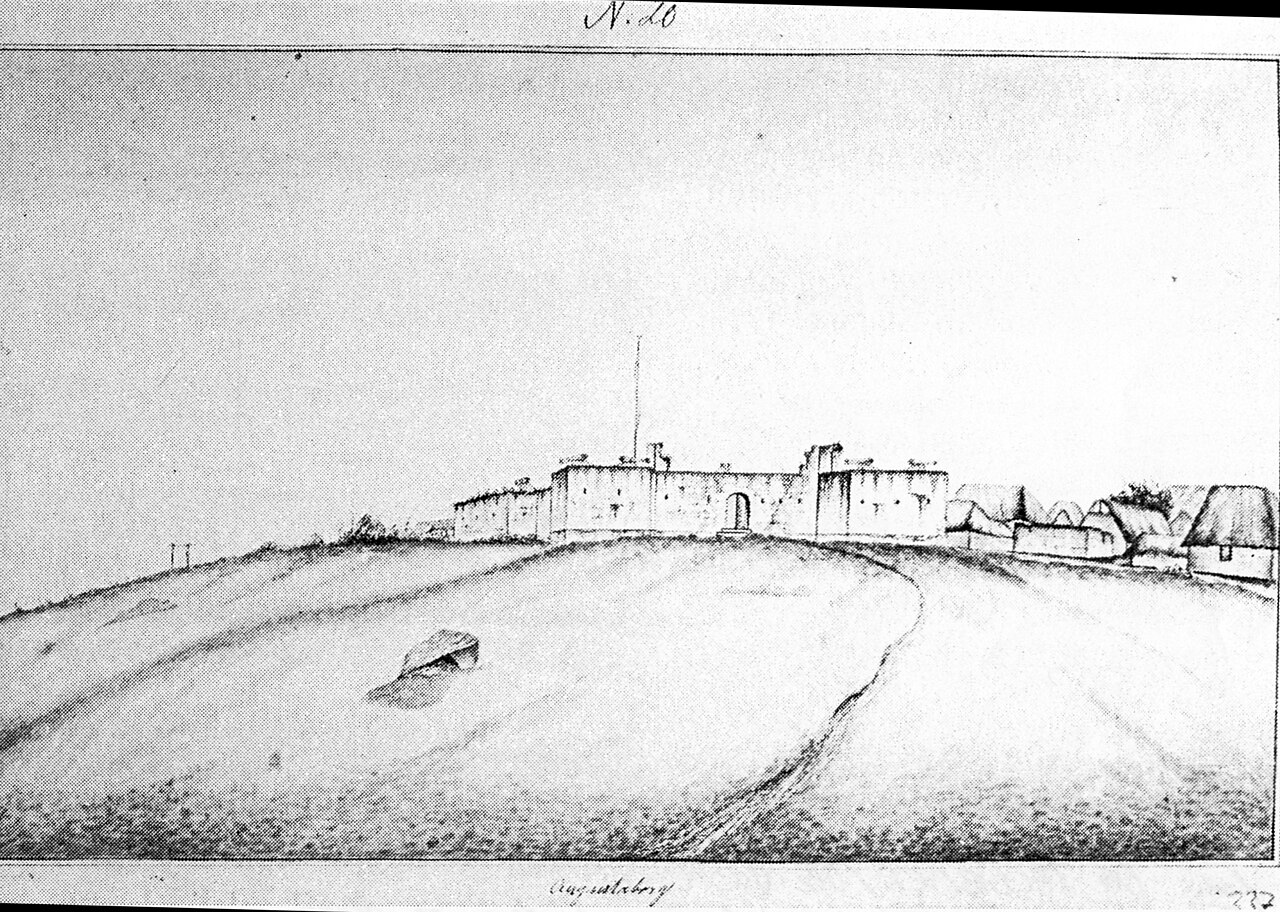
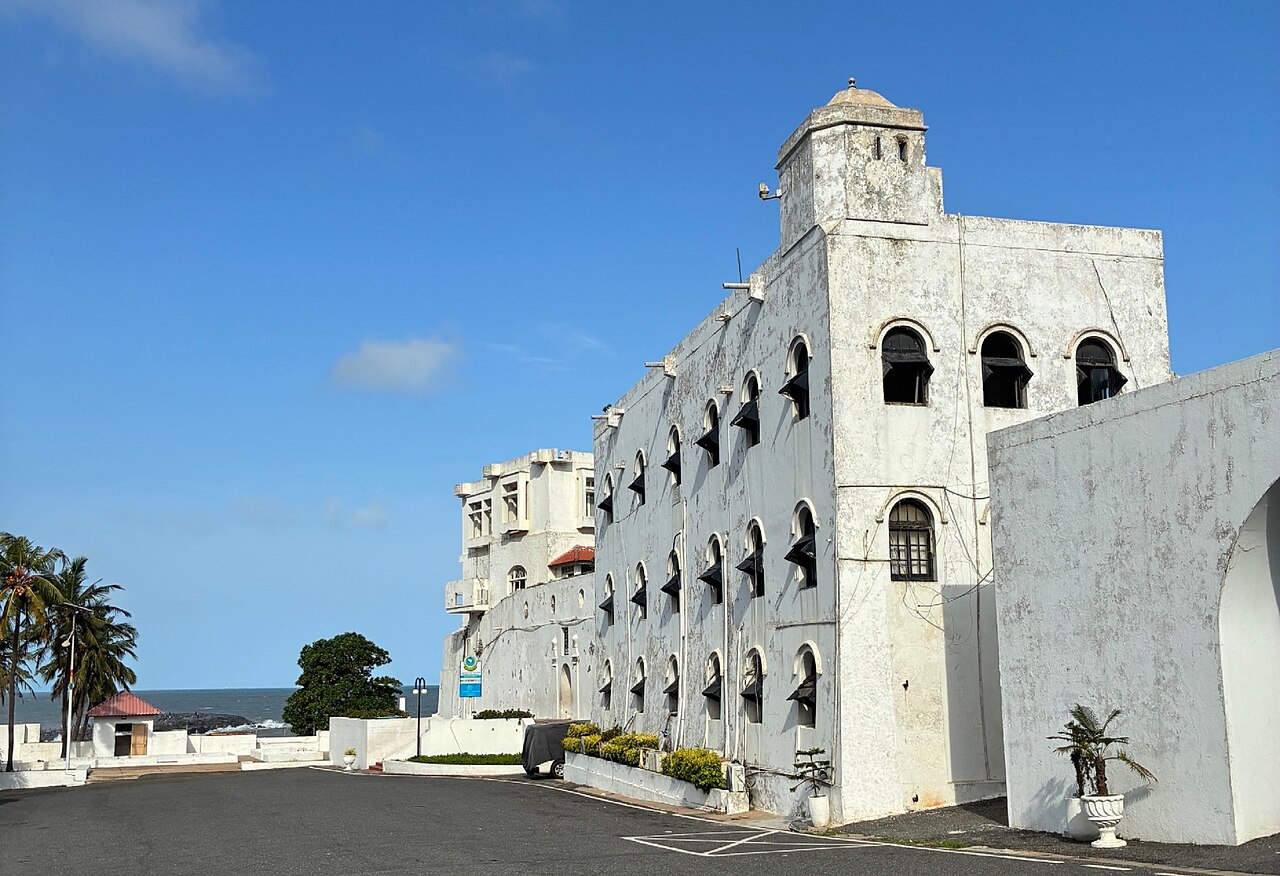
Fort Fredensborg is a significant bastioned fortress located on the coast of the Gulf of Guinea in the Greater Accra Region of Ghana, specifically in the town of Old Ningo. Constructed in 1734 during the 18th century, it represents a key example of post-Renaissance military architecture designed by European powers to control trade and territorial interests along the West African coast.
Historical context and significance
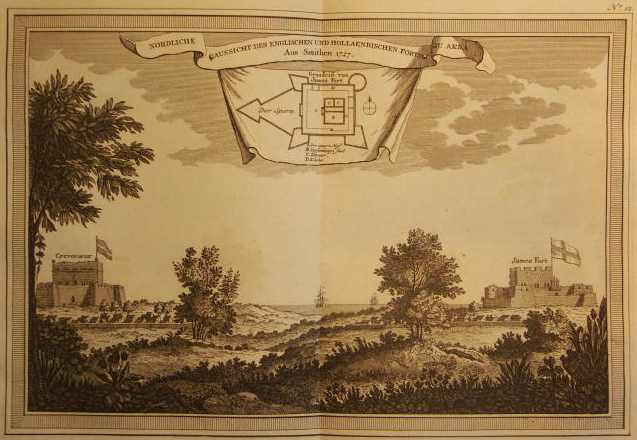
Fort Fredensborg was built by the Danish as part of their network of forts and castles along the Gold Coast, serving both commercial and military purposes. The fort's primary function was to facilitate and control the trade of goods, including gold and slaves, during the height of the Atlantic slave trade. Its strategic position along the coast allowed the Danish to monitor maritime traffic and protect their trading interests from rival European powers.
The fort's history is deeply intertwined with the European colonial presence in West Africa and the complex dynamics of the transatlantic slave trade. It stands as a grim reminder of the human suffering caused by this trade and the colonial exploitation of African resources and peoples.
Architectural features and design
Fort Fredensborg exemplifies the bastioned fortress style typical of the post-Renaissance period, characterized by angular bastions designed to provide defensive coverage against cannon fire and infantry assaults. The fort's walls are constructed from stone and mortar, forming a robust enclosure with bastions at the corners for enhanced defense.
The design includes key military architectural elements such as thick curtain walls, a central courtyard, and facilities for storing arms and provisions. The bastions allowed defenders to cover adjacent walls with overlapping fields of fire, a hallmark of European military engineering of the time.
Inside the fort, there were living quarters, administrative offices, and holding cells used during the slave trade era. The layout reflects the dual purpose of the fort as both a commercial trading post and a military stronghold.
Preservation and current status
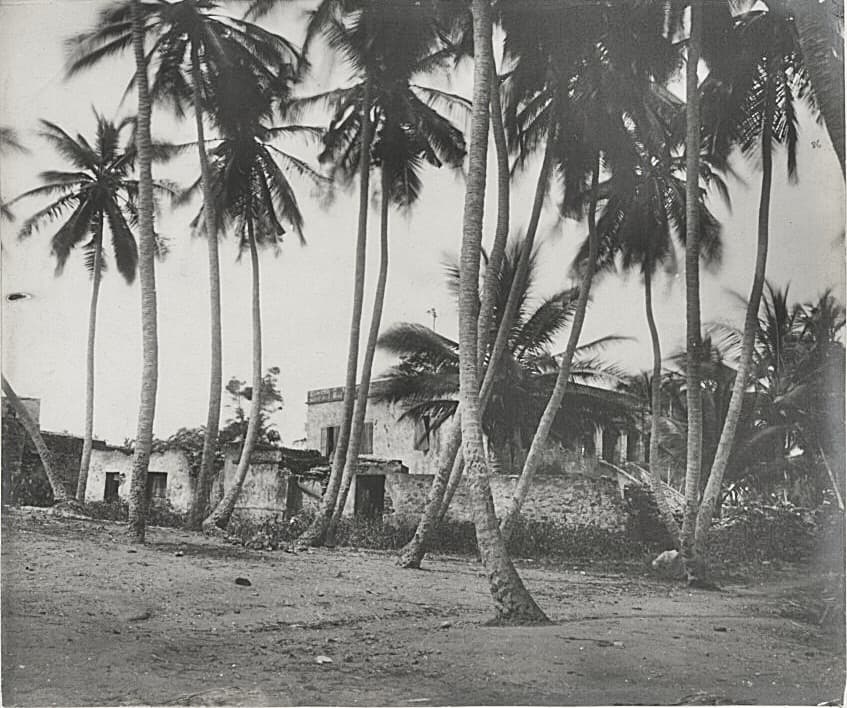
Today, Fort Fredensborg is recognized as a cultural heritage site and was inscribed on the UNESCO World Heritage List in 1979, along with other forts and castles in Ghana, for its testimony to the Atlantic slave trade and European colonial influence. The fort remains partially preserved, with some sections in ruins due to the effects of time and weathering, while others have been stabilized or restored to maintain structural integrity.
Visitors to Fort Fredensborg can explore the remnants of the bastioned walls and gain insight into the fort's historical role. Interpretative materials and guided tours help contextualize the site within the broader history of the Gold Coast and the transatlantic slave trade.
Legacy and cultural importance
Fort Fredensborg is a powerful symbol of Ghana's complex history, reflecting the intersections of African societies with European colonial powers. It serves as a site of memory and education about the atrocities of the slave trade and the resilience of African communities.
The fort contributes to the collective heritage of the region, attracting scholars, tourists, and descendants of those affected by the slave trade. Its preservation fosters awareness of this difficult history and promotes dialogue on cultural identity and historical justice.
Frequently asked questions (FAQ)
- How do I get to Fort Fredensborg?
- Fort Fredensborg is located in Old Ningo, Ghana, and can be accessed via public transport or private vehicle. The nearest major city is Accra, which is approximately an hour's drive away. Local taxis and buses frequently run to Ningo from Accra, making it convenient for visitors.
- What is the historical significance of Fort Fredensborg?
- Fort Fredensborg is one of the notable forts built by the Danes during the 18th century. It served as a trading post for the Danish West India Company and played a crucial role in the transatlantic trade, particularly in slaves and goods. The fort's architecture and history reflect the colonial influences of that era.
- When was Fort Fredensborg built?
- Construction of Fort Fredensborg began in 1752 and was completed in 1753. It was named in honor of Frederick V of Denmark and served as a strategic military outpost for nearly a century. The fort's establishment marked a significant moment in the expansion of European influence in West Africa.
- Can I take photographs inside Fort Fredensborg?
- Yes, photography is allowed inside Fort Fredensborg, but visitors are encouraged to be respectful and avoid using flash in sensitive areas. Capturing the fort's stunning architecture and surrounding scenery can enhance your visit. Just be mindful of other visitors and the historical nature of the site.
- Why is Fort Fredensborg considered an important tourist site?
- Fort Fredensborg is considered an important tourist site due to its rich history and unique architectural features. It offers visitors insight into the colonial past of Ghana and the impact of European trade on the region. The fort is also a beautiful location for exploring the coastal landscape and learning about local culture.
- Is it possible to tour Fort Fredensborg?
- Yes, guided tours of Fort Fredensborg are available for visitors. These tours provide in-depth information about the fort's history, architecture, and significance. It is advisable to book a tour in advance, especially during peak tourist seasons.
- What are the opening hours of Fort Fredensborg?
- Fort Fredensborg is open to visitors from 9:00 AM to 5:00 PM, Monday through Sunday. However, it is recommended to check for any changes in hours or special events that may affect accessibility. Arriving early can help you avoid crowds and enjoy a more personal experience.
- What are the ticket prices for visiting Fort Fredensborg?
- The entry fee for Fort Fredensborg is relatively affordable, with tickets priced at approximately 10 GHS for adults and 5 GHS for children. Group discounts may be available, so it’s worth inquiring if you are visiting with a larger party. Ticket purchases can usually be made on-site.
- What is the best time to visit Fort Fredensborg?
- The best time to visit Fort Fredensborg is during the dry season, which runs from November to March. During these months, the weather is generally more pleasant, making for a comfortable exploration of the fort and its surroundings. Additionally, this period coincides with various local festivals, enhancing the cultural experience.
- Are there any nearby attractions to Fort Fredensborg?
- Yes, there are several nearby attractions worth visiting, including the beautiful beaches of Ningo and the vibrant local markets. Additionally, the town of Ningo offers a glimpse into the local culture and traditions. Exploring these sites can enrich your experience and provide a fuller understanding of the region.
Photo gallery

Information
Loading map...
Visitor reviews
No reviews yet. Been here? Write the first review and help other travelers!
Write the first reviewVisited this castle? Share your experience
Your review helps other travelers and adds first-hand knowledge to our encyclopedia.