Fort Erie
Fort Erie, also known as the Fort Erie National Historic Site of Canada, is a significant 18th-century bastioned fortress located on the southern edge of the Town of Fort Erie, Ontario. It sits directly across the Niagara River from Buffalo, New York, United States. The fort was the first British fort constructed in the region following the Seven Years' War, known in the American colonies as the French and Indian War. This war ended with the Treaty of Paris in 1763, which transferred control of French territories east of the Mississippi River, including all of New France, to Great Britain.
Historical context and strategic importance
The construction of Fort Erie was part of a broader British strategy to secure their newly acquired territories in North America. The fort's location on the Niagara River was crucial for controlling access between Lake Erie and Lake Ontario, as well as monitoring the border between British Canada and the United States. This position made Fort Erie a key military installation during several conflicts, including the War of 1812.
Architectural features and design
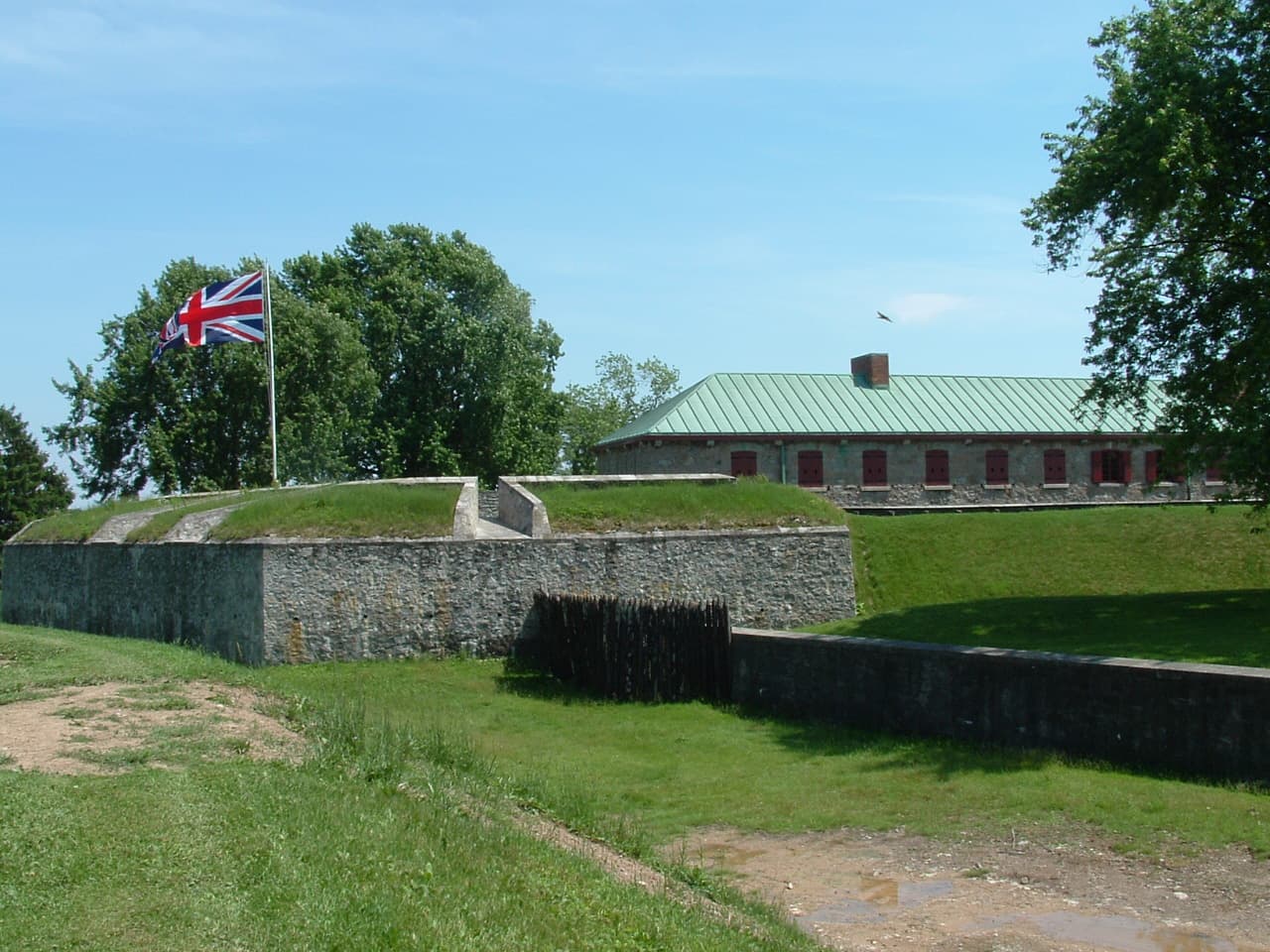
Fort Erie is classified as a bastioned fortress, a style of fortification that became prominent in the post-Renaissance period. Bastioned fortresses are characterized by angular bastions projecting from the curtain walls, designed to provide overlapping fields of fire and eliminate blind spots around the fort's perimeter. This design was intended to withstand artillery attacks and improve defensive capabilities.
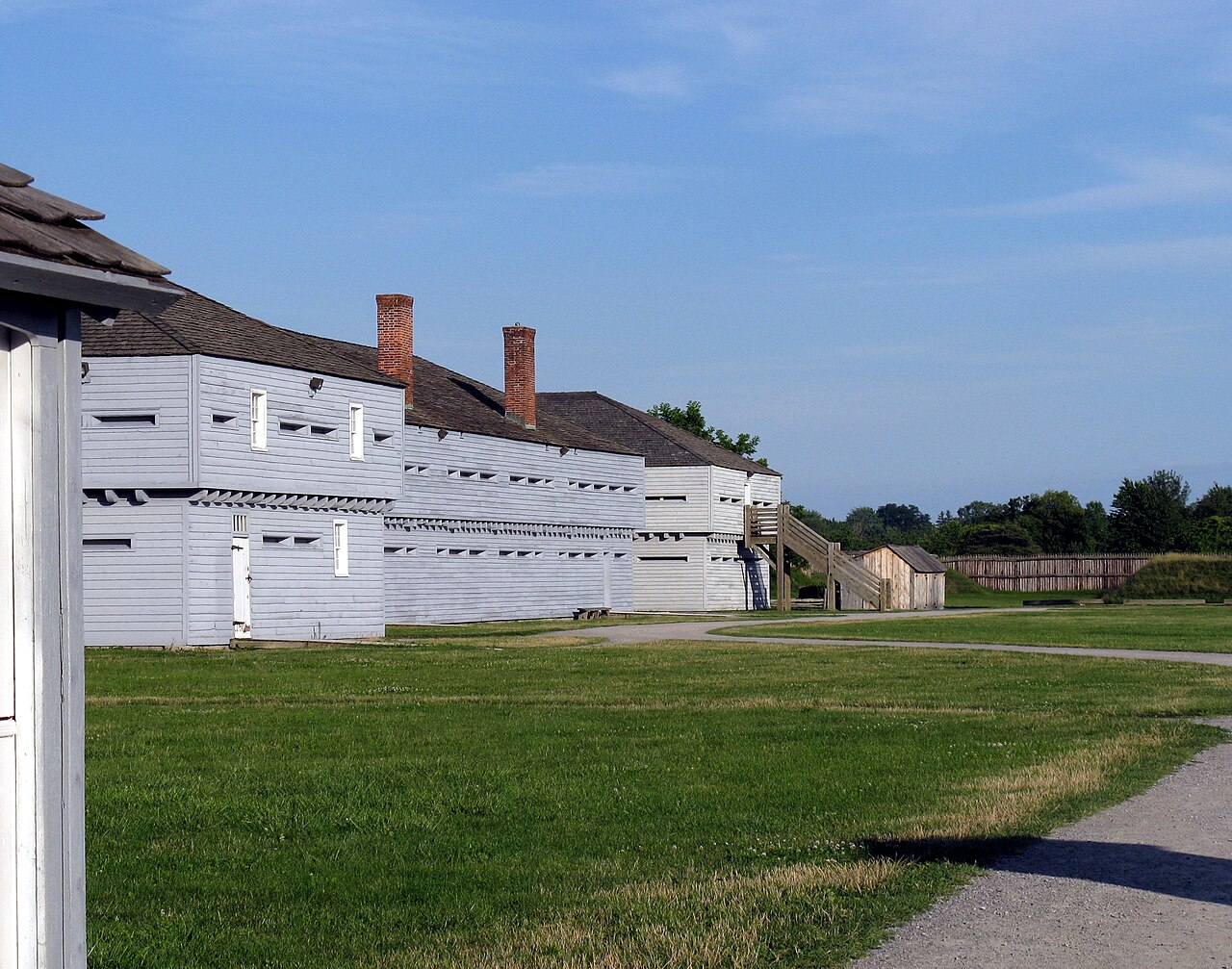
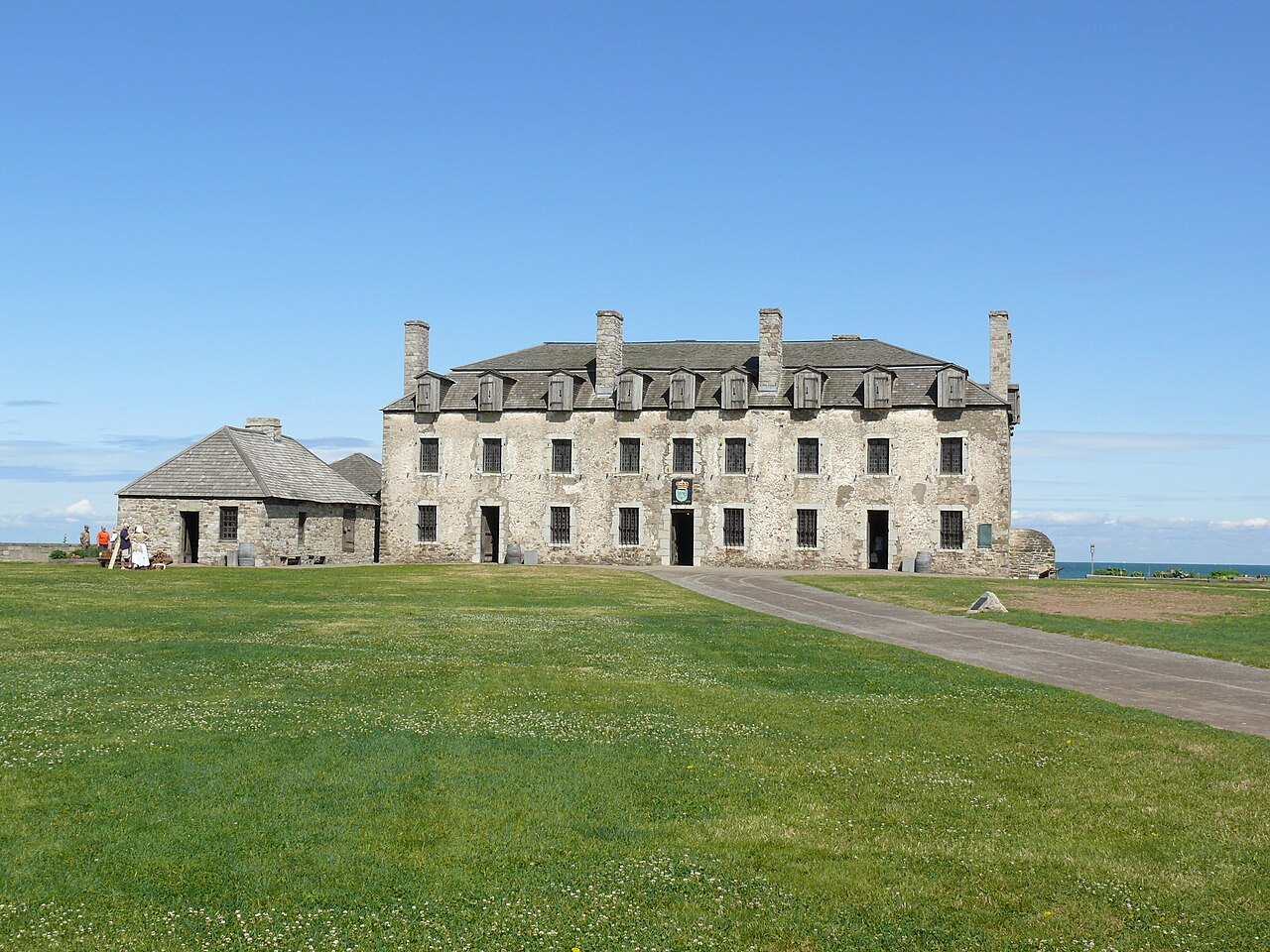
The fort was originally constructed with earthworks and timber but was later reinforced with stone and brick. Its layout includes a series of bastions connected by curtain walls, a dry moat, and internal buildings such as barracks, magazines, and officers’ quarters. The fortifications reflect the military engineering principles of the 18th century, adapted to the North American frontier environment.
Role in the War of 1812
Fort Erie played a pivotal role during the War of 1812 between the United States and Great Britain. It was the site of several significant battles and sieges. In 1814, American forces captured the fort and held it during a prolonged siege by British troops. The fort's defenses and strategic position made it a focal point of military operations in the Niagara region. The conflict left the fort heavily damaged, but it remained an important symbol of the military history of the area.
Preservation and current status
Today, the fort and its surrounding battlefield are owned and managed by the Niagara Parks Commission, an agency of the Ontario provincial government. The site is a designated National Historic Site of Canada and is open to the public for tours and educational programs. Visitors can explore the reconstructed bastions, walls, and internal structures, gaining insight into 18th and early 19th-century military architecture and history.
The fort's preservation allows for an understanding of colonial military strategy, frontier defense, and the turbulent history of British-American relations in the Niagara region. Interpretive signage, guided tours, and reenactments contribute to the educational value of the site.
Visitor information and cultural significance
Fort Erie is a prominent cultural landmark in Ontario, attracting history enthusiasts and tourists interested in military architecture and Canadian heritage. The site hosts events commemorating its historical significance, including reenactments of battles and educational workshops. Its proximity to Buffalo, New York, also makes it accessible to international visitors.
The fort's role in shaping the border region and its preservation as a historic site underscore its importance in Canadian history. It provides a tangible connection to the colonial past and the military conflicts that shaped North America.
Frequently asked questions (FAQ)
- How do I get to Fort Erie?
- Fort Erie is easily accessible by car and is located just off the Queen Elizabeth Way (QEW) highway. Public transport options are limited, so driving is recommended. There is ample parking available near the castle for visitors.
- What is the historical significance of Fort Erie?
- Fort Erie played a crucial role during the War of 1812, serving as a strategic military outpost. It witnessed several key battles and was pivotal in the defense of Upper Canada. Today, it stands as a testament to the region's military history and heritage.
- When was Fort Erie built?
- Fort Erie was originally constructed in 1764, though it underwent significant renovations and reconstructions during the early 19th century. Its most notable structure was built in 1812, reflecting military architecture of that era. The fort has since been preserved as a historical site.
- Can I take a guided tour of Fort Erie?
- Yes, guided tours are available for visitors and provide an in-depth look at the fort's history and architecture. Tours typically run throughout the day and are led by knowledgeable staff who can answer any questions. It's advisable to check the schedule in advance to ensure availability.
- Why is Fort Erie an important architectural site?
- Fort Erie showcases unique military architecture that reflects the designs and construction techniques of the early 19th century. The fort's layout and buildings are integral to understanding the military strategies of the time. Its preservation allows visitors to appreciate the historical significance of such structures.
- Is it possible to visit Fort Erie year-round?
- Fort Erie is open for visits year-round, but hours may vary depending on the season. The summer months generally offer more extended hours and additional programming. It's best to check the official website for current hours and any seasonal changes before planning your visit.
- What are the ticket prices for Fort Erie?
- Ticket prices for Fort Erie are generally affordable, with discounts available for students and seniors. Children under a certain age may enter for free. Prices can vary depending on special events or guided tours, so it's a good idea to check for the latest information before your visit.
- What is the best time to visit Fort Erie?
- The best time to visit Fort Erie is during the warmer months, from late spring to early fall, when the weather is pleasant and outdoor activities are at their peak. Special events and reenactments are often held during this time, enhancing the visitor experience. However, visiting during the off-season can provide a quieter, more reflective atmosphere.
- Are there any nearby attractions to Fort Erie?
- Yes, Fort Erie is located near several attractions, including the Niagara River and the scenic Niagara Falls, which are just a short drive away. Other nearby sites include local parks and historical landmarks, making it a great starting point for a day of exploration. Many visitors enjoy combining their trip to Fort Erie with a visit to these famous sites.
Photo gallery

Photo by Ernest Mettendorf•Public domain
Information
Loading map...
Visitor reviews
No reviews yet. Been here? Write the first review and help other travelers!
Write the first reviewVisited this castle? Share your experience
Your review helps other travelers and adds first-hand knowledge to our encyclopedia.