Fort de Flémalle
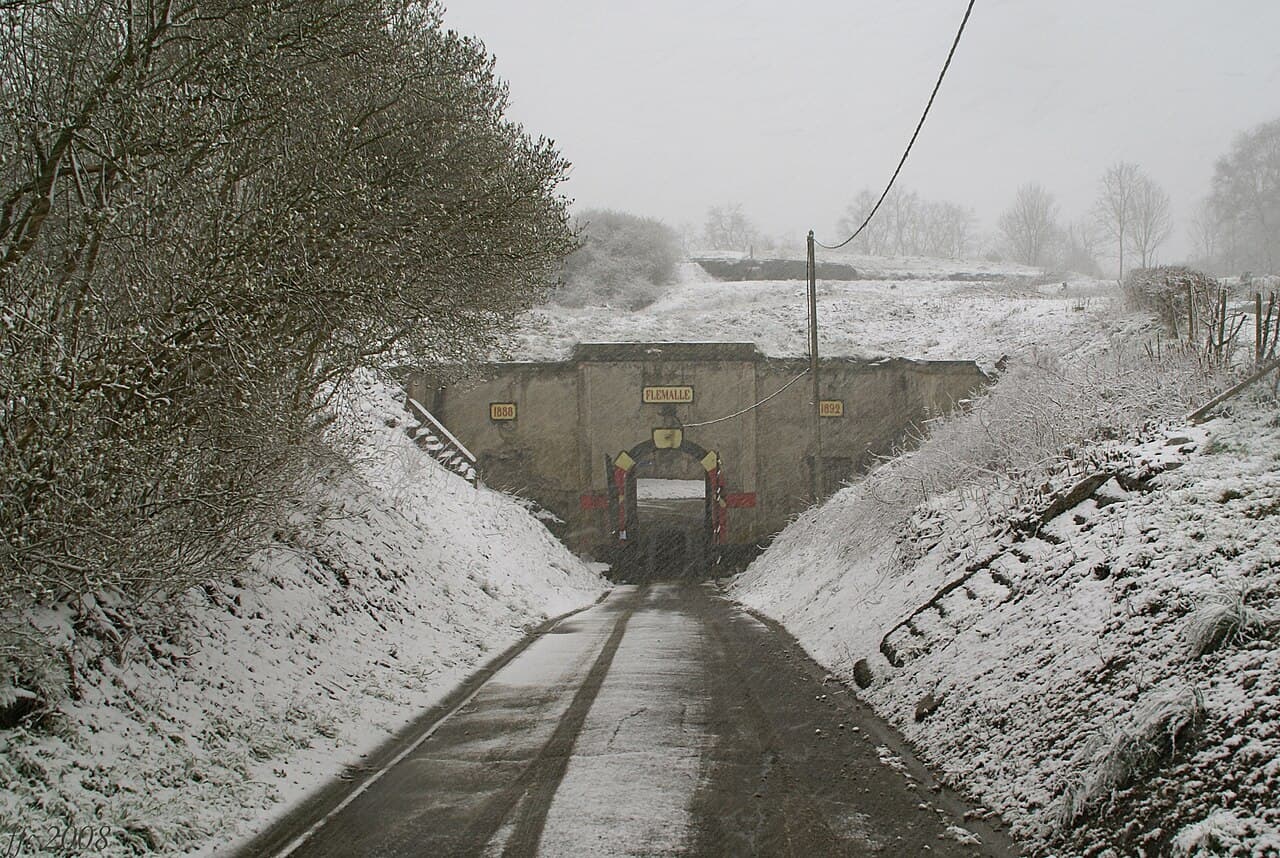
Fort de Flémalle is a significant example of late 19th-century military architecture located near Liège, Belgium. Constructed between 1881 and 1884, it was part of the larger Fortified Position of Liège, a strategic defensive ring of twelve forts designed to protect the city and serve as a key element in Belgium's National Redoubt. The fort was designed by the renowned military engineer General Henri Alexis Brialmont, whose innovative use of materials and defensive concepts marked a departure from traditional fortifications of the era.
Design and construction
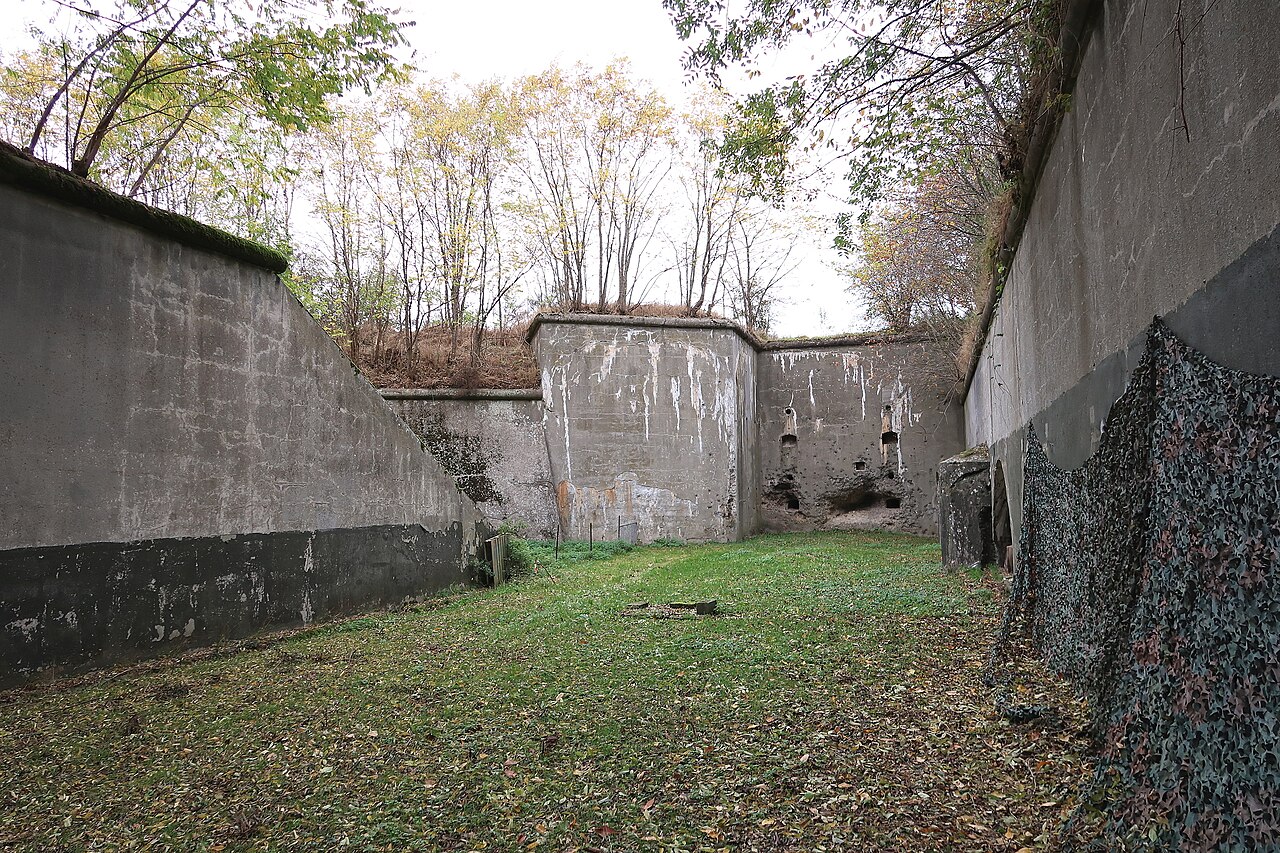
The Fort de Flémalle was constructed exclusively using unreinforced concrete, a pioneering choice at the time that contrasted sharply with the masonry forts built by contemporaries such as Raymond Adolphe Séré de Rivières in France. This material choice was intended to provide greater resistance to artillery bombardment, reflecting the evolving nature of military technology in the late 19th century. The fort's layout follows the principles of a bastioned fortress, featuring angular bastions designed to provide overlapping fields of fire and reduce blind spots.
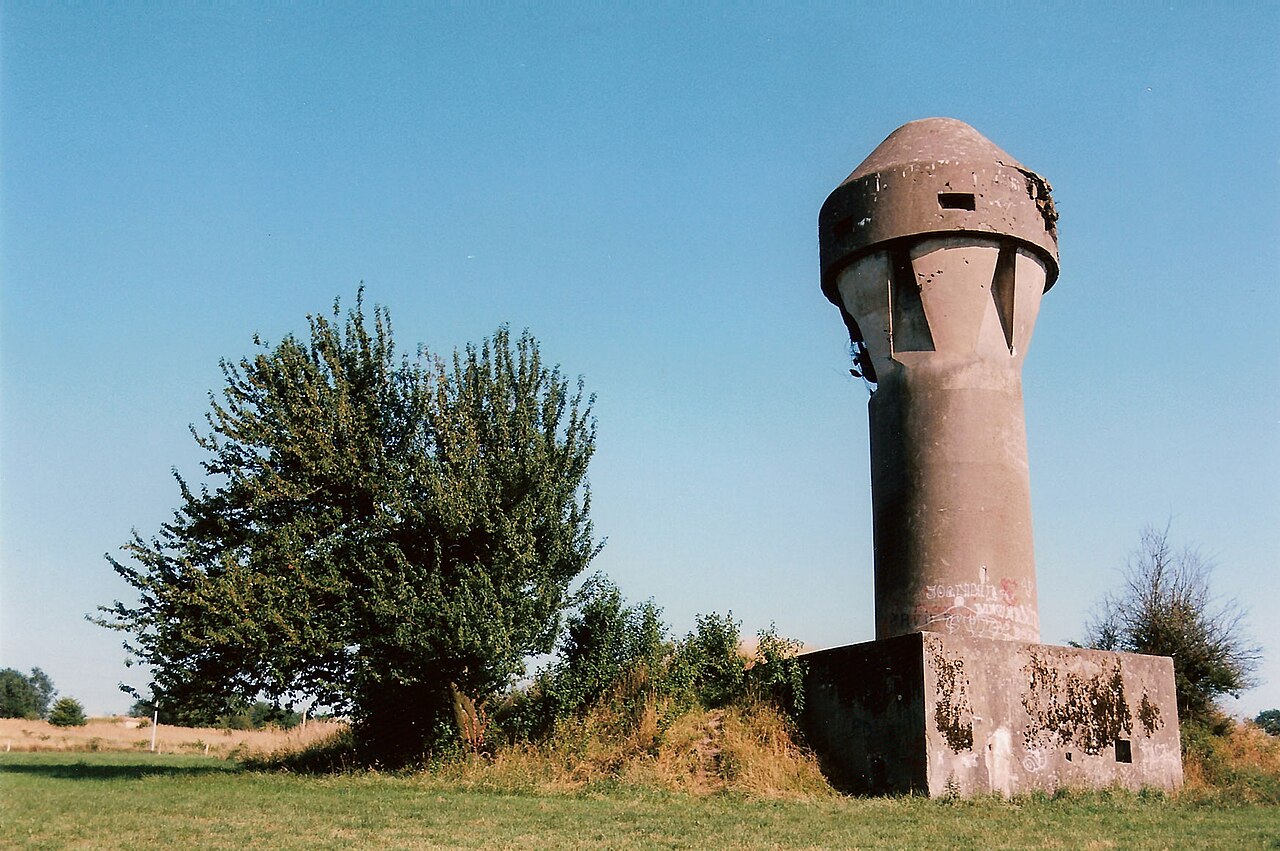
The fort's defensive structures include thick concrete walls, a deep surrounding ditch, and a series of armored gun turrets that housed heavy artillery pieces. The design incorporated living quarters, ammunition magazines, and essential support facilities within the protective envelope of the fort, ensuring that the garrison could sustain prolonged sieges.
Role in the World Wars
Fort de Flémalle played a critical role during the Battle of Liège in World War I. It endured heavy bombardment from German artillery, which tested the fort's innovative concrete construction. Despite the intense attacks, the fort's defenses delayed the German advance, contributing to the overall resistance of the Belgian forces during the early stages of the war.
During World War II, the fort was again involved in military operations, although by this time advances in warfare had rendered fixed fortifications less effective. Nevertheless, the fort's strategic location near Liège meant it was a point of defense and observation during the conflict.
Architectural features
The fort's architecture exemplifies the modern military engineering of its time. Its use of unreinforced concrete was groundbreaking, allowing for a compact and robust structure capable of absorbing artillery impacts better than traditional stone or brick. The bastioned layout provided comprehensive defensive coverage, while the inclusion of armored turrets allowed for flexible and protected artillery deployment.
Inside, the fort contained a network of tunnels and chambers designed for operational efficiency and protection of personnel. The living quarters were modest but functional, reflecting the fort's primary purpose as a military installation rather than a residence.
Preservation and current status
Today, Fort de Flémalle is preserved as a museum, offering visitors insight into late 19th and early 20th-century military fortifications. Its well-preserved condition allows for exploration of its defensive structures and provides educational opportunities regarding the evolution of military architecture and the history of the World Wars in Belgium.
The museum highlights the fort's construction techniques, its role in the defense of Liège, and the broader context of Belgium's military strategy during a turbulent period in European history. Visitors can explore the concrete walls, gun turrets, and underground chambers, gaining a tangible connection to the past.
Significance in military history
Fort de Flémalle represents a transitional phase in fortress design, bridging traditional masonry fortifications and the modern use of concrete and steel. Its endurance during the Battle of Liège demonstrated the potential and limitations of early concrete fortifications against heavy artillery. The fort's design influenced subsequent military engineering and remains a valuable case study in the evolution of defensive architecture.
Frequently asked questions (FAQ)
- What are the visiting hours for Fort de Flémalle?
- Fort de Flémalle is typically open to visitors from 10:00 to 17:00, Wednesday through Sunday. It is advisable to check the official website for seasonal variations and special events.
- How do I get to Fort de Flémalle from Liège city center?
- The fort is located just a few kilometers from Liège city center and can be reached by local bus or car. Public transportation options are available and parking is provided on site.
- What is the significance of Fort de Flémalle in military history?
- Fort de Flémalle is notable for its use of unreinforced concrete and its role in delaying the German advance during the Battle of Liège in World War I. It exemplifies late 19th-century fortress design and military engineering innovations.
- Can visitors explore the interior of the fort?
- Yes, the fort is preserved as a museum with accessible interior areas including gun turrets, living quarters, and underground tunnels. Guided tours are often available to enhance the visitor experience.
- Is Fort de Flémalle wheelchair accessible?
- Due to its historic structure and underground passages, full wheelchair accessibility is limited. Visitors with mobility concerns are advised to contact the museum in advance for specific accessibility information.
Photo gallery

Information
Current owner
Museum authority
Loading map...
Visitor reviews
No reviews yet. Been here? Write the first review and help other travelers!
Write the first reviewVisited this castle? Share your experience
Your review helps other travelers and adds first-hand knowledge to our encyclopedia.