Fort de Boncelles
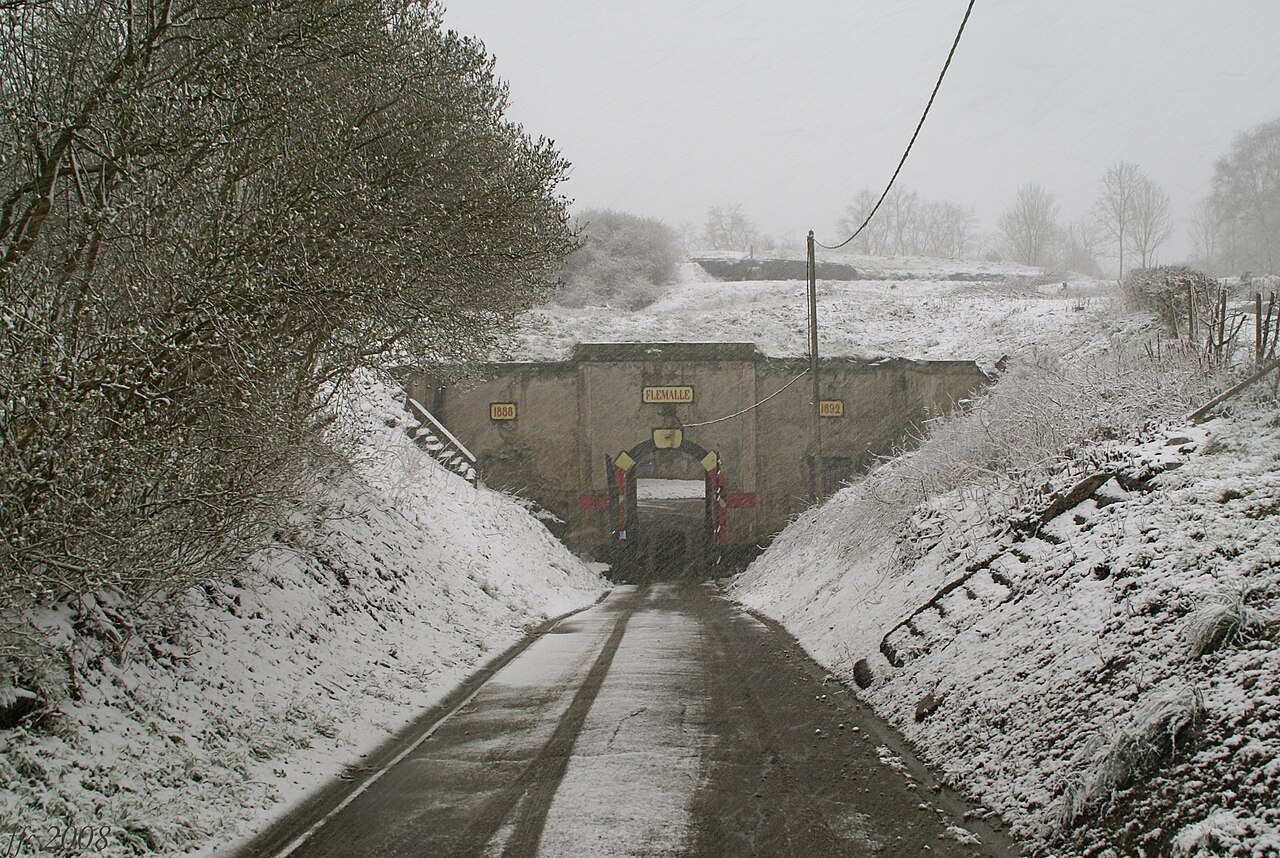
The Fort de Boncelles is a significant example of late 19th-century military architecture located near Liège, Belgium. Constructed between 1881 and 1884, it is one of the twelve forts forming the Fortified Position of Liège, a key component of Belgium's National Redoubt. Designed by General Henri Alexis Brialmont, the fort represents a pioneering use of unreinforced concrete in fortress construction, distinguishing it from contemporary French forts by Raymond Adolphe Séré de Rivières, which primarily used masonry. This innovative material choice marked a shift in military engineering during the Modern period.
Architectural design and construction
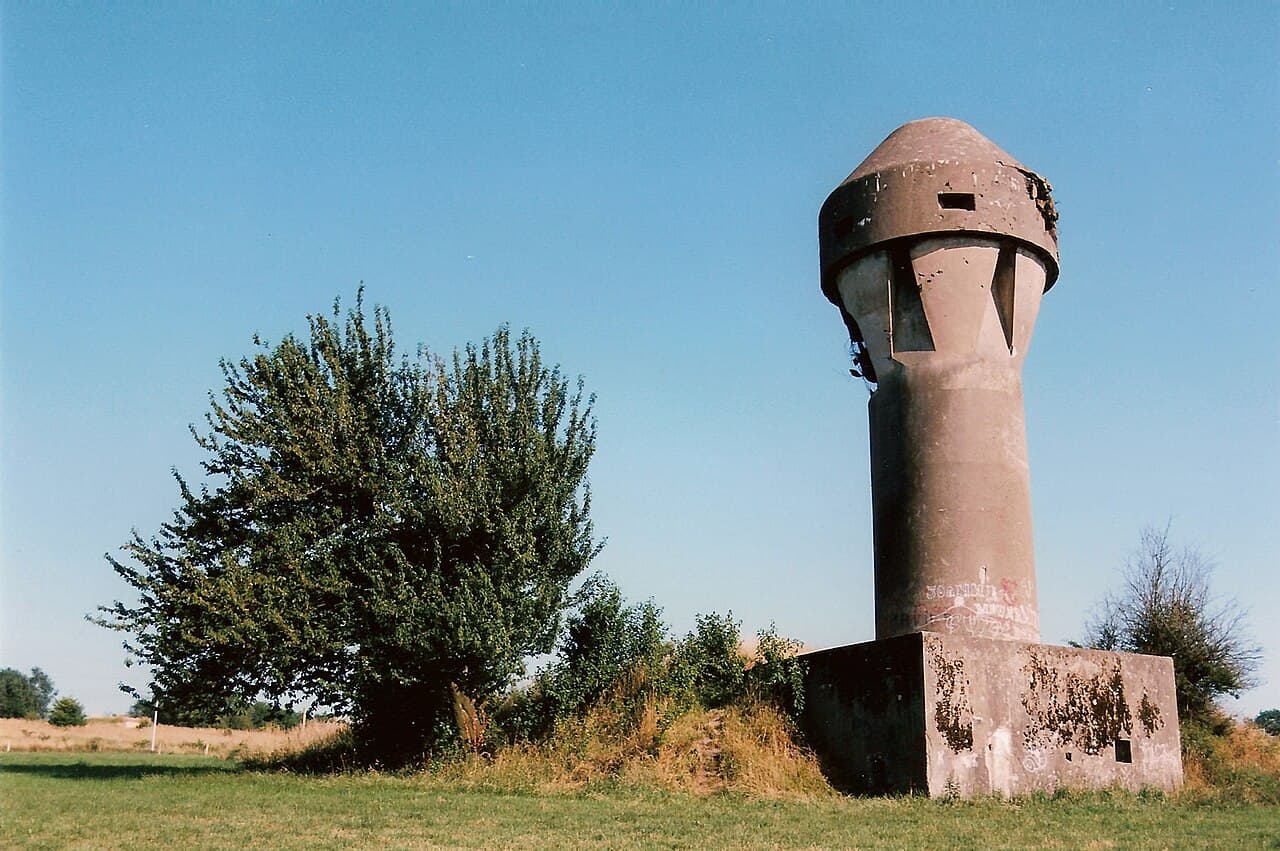
The bastioned fortress layout of Fort de Boncelles reflects the military doctrines of the late 19th century, emphasizing layered defense and artillery coverage. The fort features a central massif housing the main armament, surrounded by a deep ditch and protected by concrete walls designed to absorb heavy bombardment. Its design includes multiple gun turrets, caponiers for ditch defense, and well-planned casemates for troop accommodation and artillery placement. The use of unreinforced concrete allowed for rapid construction and enhanced resistance to explosive shells compared to traditional masonry.
Historical significance and military engagements
During the Battle of Liège in August 1914, Fort de Boncelles was subjected to intense bombardment by German heavy artillery, including the famous Big Bertha howitzers. Despite its robust construction, the fort suffered significant damage and was eventually forced to surrender, marking one of the earliest engagements of World War I. The fort's resistance, however, delayed German advances and demonstrated the strategic importance of the Liège forts.
In the interwar period, the fort underwent modernization efforts in the 1930s to improve its defenses against evolving artillery technology and the threat of mechanized warfare. These upgrades included reinforced concrete additions, improved ventilation, and updated armaments.
Fort de Boncelles saw action again during the Battle of Belgium in 1940, when German forces launched a rapid invasion. The fort was captured after fierce fighting, reflecting the changing nature of warfare and the limitations of static fortifications against modern combined arms tactics.
Current condition and preservation
Today, Fort de Boncelles stands as an abandoned and partly buried relic of Belgium's military past. Encroached upon by urban development, the fort is surrounded by housing and is not generally accessible to the public. Its partially preserved structures provide valuable insights into 19th and early 20th-century fortress design and the evolution of military engineering.
The legacy of fort de boncelles
Fort de Boncelles exemplifies the transition from traditional masonry fortifications to modern concrete military architecture. It highlights the strategic importance of the Liège forts in Belgium's defense strategy during two world wars. The fort's history reflects broader themes in European military history, including the impact of technological innovation on fortress design and the challenges faced by static defenses in rapidly changing warfare environments.
Frequently asked questions (FAQ)
- How do I get to Fort de Boncelles?
- Fort de Boncelles is conveniently located in Liège, Belgium, and can be reached by car or public transport. If you're driving, ample parking is available nearby. For public transport, check local bus routes that serve the area.
- What is the historical significance of Fort de Boncelles?
- Fort de Boncelles was built in the 19th century as part of the defensive fortifications of Liège. It played a crucial role during various conflicts, particularly during World War I and World War II. Today, it stands as a testament to Belgium's military history and architectural evolution.
- When was Fort de Boncelles constructed?
- The construction of Fort de Boncelles began in 1888 and was completed in 1892. It was part of a series of forts built to protect the city of Liège from potential invasions. The fort's design reflects the military architecture of the period.
- Can I visit Fort de Boncelles?
- Yes, Fort de Boncelles is open to visitors, allowing you to explore its historic grounds and learn about its significance. Guided tours are available, providing insights into its history and architecture. Be sure to check the schedule for any special events or tours.
- Why is Fort de Boncelles an important architectural site?
- Fort de Boncelles is recognized for its unique military architecture, which showcases the design principles of the late 19th century. Its well-preserved structures and fortifications offer a glimpse into the past military strategies of Belgium. The fort's design also reflects the technological advances of its time.
- Is it possible to host events at Fort de Boncelles?
- Yes, Fort de Boncelles can be rented for various events, including weddings, corporate gatherings, and educational programs. The historical ambiance provides a unique backdrop for any occasion. For more details on availability and pricing, it's best to contact the management directly.
- What are the opening hours for Fort de Boncelles?
- Fort de Boncelles typically opens to the public from 10 AM to 6 PM, but hours may vary by season or for special events. It's advisable to check the official website or contact the fort ahead of your visit for the most accurate information. This ensures you can plan your visit accordingly.
- What are the ticket prices for visiting Fort de Boncelles?
- Ticket prices for Fort de Boncelles are generally affordable, with discounts available for students and seniors. Admission fees help maintain the site and support its educational programs. For the latest pricing information, visit the official website or inquire at the entrance.
- What nearby attractions should I visit while at Fort de Boncelles?
- While visiting Fort de Boncelles, you can explore other historical sites in Liège, such as the La Boverie Museum and the Palace of the Prince-Bishops. The area also boasts beautiful parks and local eateries that enhance your visit. Plan a day to fully enjoy the rich culture and history of Liège.
Photo gallery

Information
Loading map...
Visitor reviews
No reviews yet. Been here? Write the first review and help other travelers!
Write the first reviewVisited this castle? Share your experience
Your review helps other travelers and adds first-hand knowledge to our encyclopedia.