Fort Charlotte (Mobile)
Fort Charlotte, located in Mobile, Alabama, is a historic 18th-century bastioned fortress that reflects the colonial military architecture of the post-Renaissance period. Originally constructed during the era of European colonial competition in North America, the fort served as a strategic defensive structure to protect the vital port city of Mobile, which was a key point of control for French and later Spanish colonial powers.
Historical background and colonial significance
The site of Fort Charlotte was initially occupied by a French fortification known as Fort Condé, built in the early 18th century under French colonial rule. After the British took control of the region following the Treaty of Paris in 1763, the fort was renamed Fort Charlotte in honor of Queen Charlotte, the wife of King George III. The fort's history is marked by its changing sovereignty, passing from French to British and then to Spanish hands, reflecting the complex colonial dynamics of the Gulf Coast region.
During the Spanish period, the fort was rebuilt and strengthened to serve as a bastioned fortress, a style characterized by angular bastions designed to provide overlapping fields of fire and improved defense against artillery attacks. This adaptation was crucial in maintaining control over Mobile and its surrounding waterways, which were essential for trade and military movements.
Architectural features and design
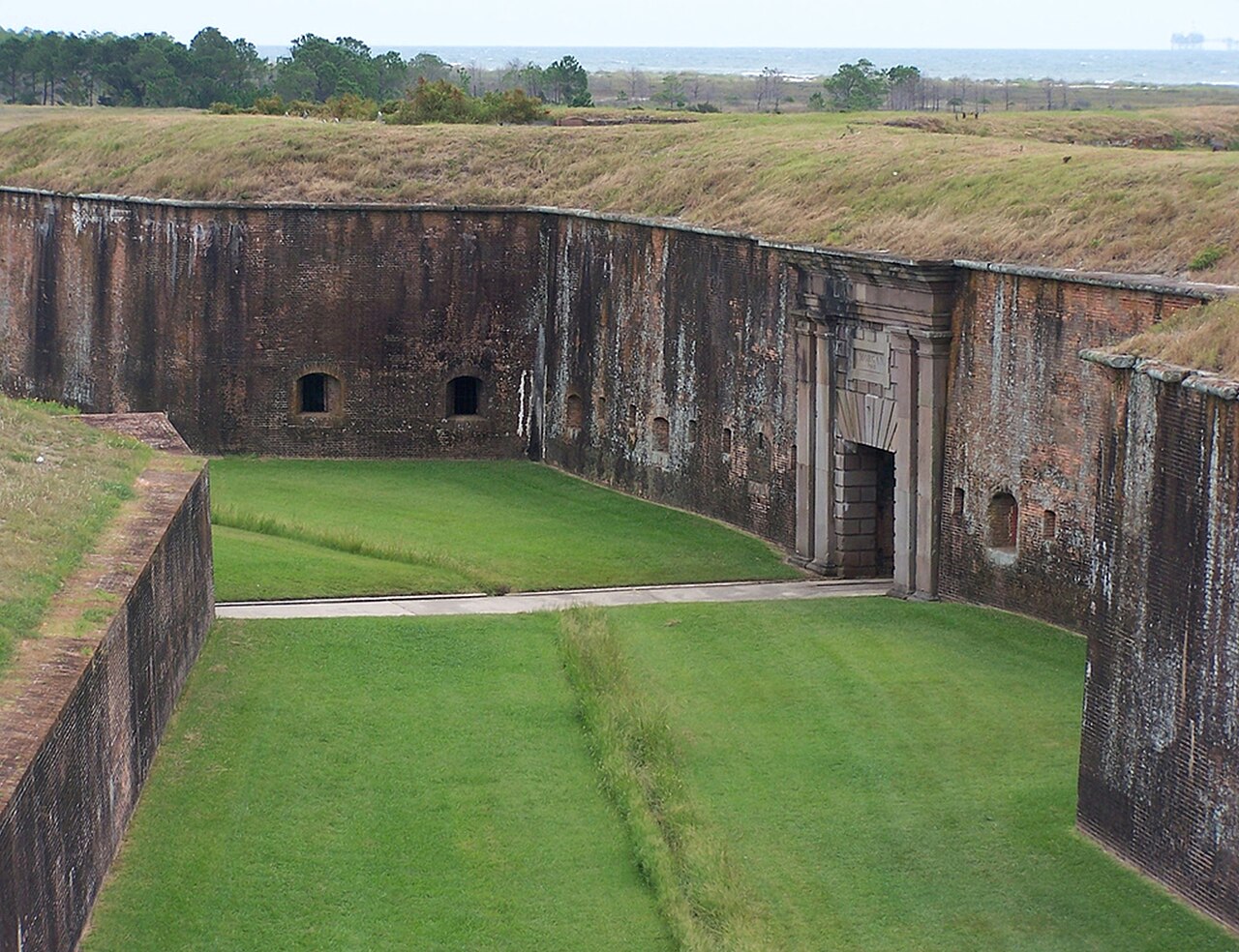
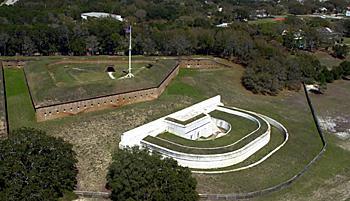
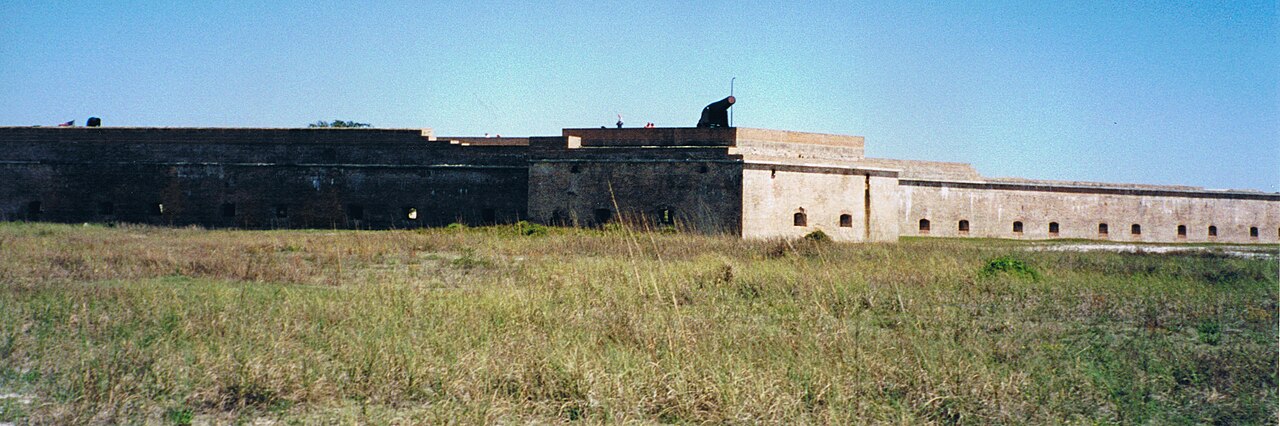
Fort Charlotte exemplifies the bastioned fortress style typical of the post-Renaissance military architecture influenced by the principles of the Italian engineer Vauban. The fort's design includes star-shaped bastions that project outward from the curtain walls, allowing defenders to cover adjacent walls with gunfire and minimize blind spots. The walls were constructed from brick and earthworks, materials chosen for their resilience against cannon fire.
The fort's layout includes a central parade ground surrounded by barracks, powder magazines, and other military buildings. Defensive features such as moats, ravelins, and glacis were incorporated to enhance protection. The entrance was fortified with a gatehouse and drawbridge, controlling access to the interior.
Reconstruction and preservation
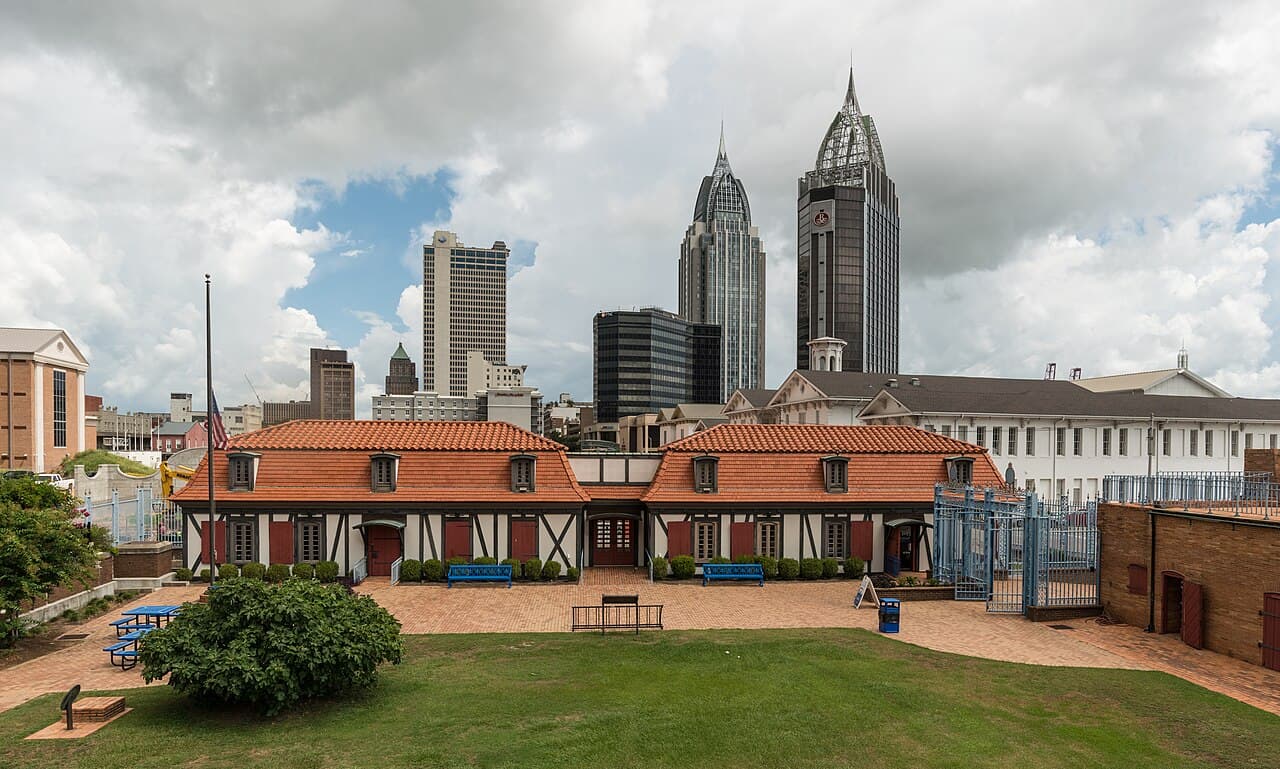
Today, Fort Charlotte is partially reconstructed, with efforts made to restore key sections of the fort to their historical appearance. Preservation initiatives aim to educate visitors about the fort's role in colonial history and its architectural significance. The site serves as a cultural landmark and a reminder of the European powers' influence on the development of the Gulf Coast.
Fort Charlotte's role in military history
Throughout its active use, Fort Charlotte played a critical role in various military conflicts and territorial disputes. It was a defensive stronghold during the American Revolutionary War and later during the War of 1812. The fort's strategic position on the Mobile River allowed control over navigation routes and protection against naval threats.
Although the fort eventually lost military importance with advances in warfare technology and changes in political control, its historical legacy remains significant. The fort's architecture provides insight into 18th-century military engineering and colonial defense strategies in North America.
Visiting Fort Charlotte today
Visitors to Fort Charlotte can explore the reconstructed bastions and walk along the fort's walls to experience the scale and design of this historic military installation. Informational displays and guided tours provide context about the fort's construction, its role in regional history, and the lives of the soldiers who were stationed there.
The fort is located near downtown Mobile, making it accessible to tourists interested in American colonial history and military architecture. It stands as a preserved site that connects present-day visitors with the complex colonial past of the Gulf Coast.
Frequently asked questions (FAQ)
- What is the historical significance of Fort Charlotte in Mobile?
- Fort Charlotte served as a strategic defensive bastioned fortress in Mobile, Alabama, during the 18th century, reflecting French, British, and Spanish colonial control over the region.
- Can visitors explore Fort Charlotte today?
- Yes, Fort Charlotte is partially reconstructed and open to visitors who can explore its bastions, walls, and learn about its colonial military history through tours and informational displays.
- What architectural style characterizes Fort Charlotte?
- Fort Charlotte is designed as a bastioned fortress typical of post-Renaissance military architecture, featuring star-shaped bastions and earthwork defenses influenced by Vauban's principles.

Information
Loading map...
Visitor reviews
No reviews yet. Been here? Write the first review and help other travelers!
Write the first reviewVisited this castle? Share your experience
Your review helps other travelers and adds first-hand knowledge to our encyclopedia.