Fort bij Hinderdam
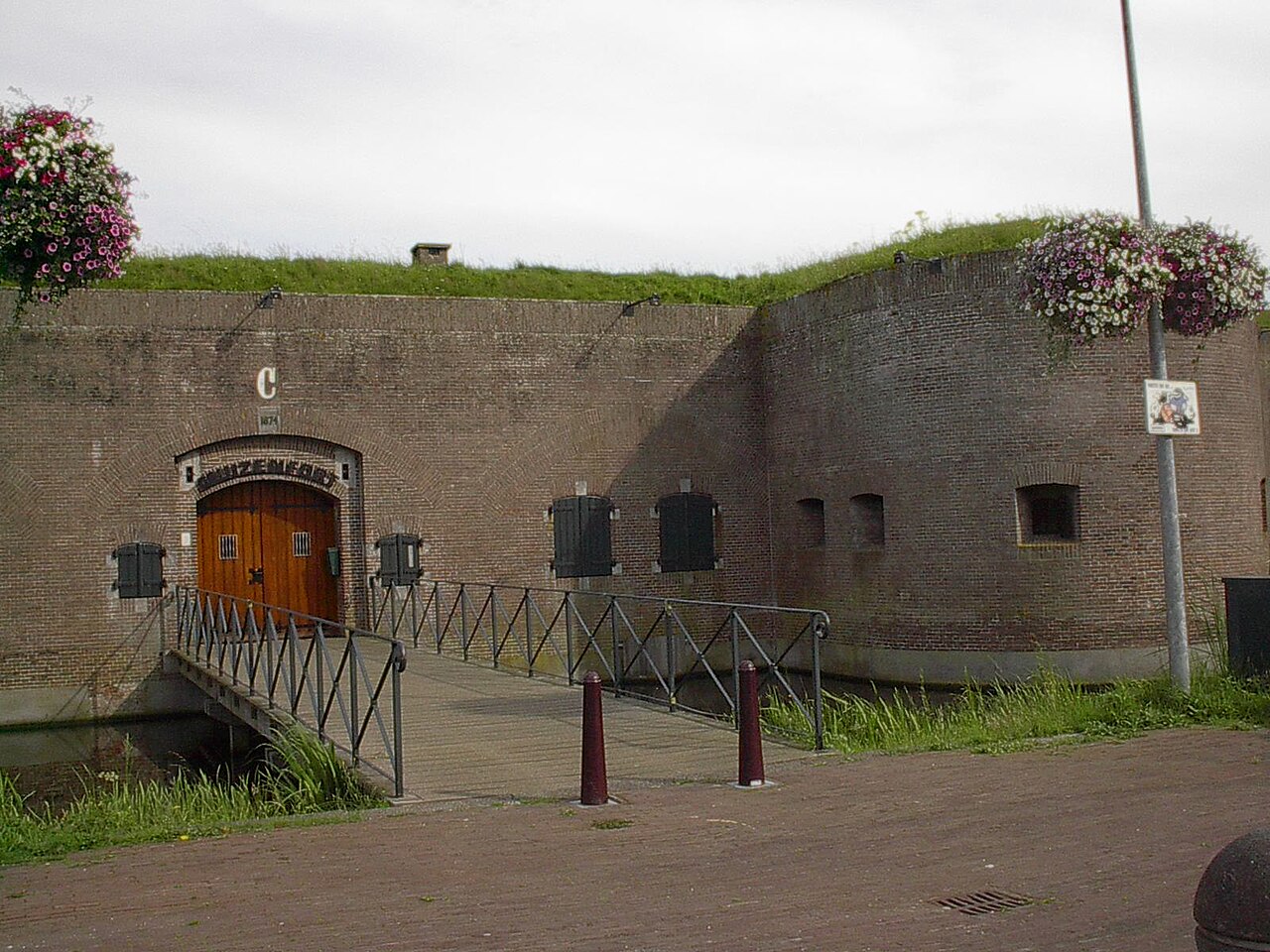
Fort bij Hinderdam is a notable example of a bastioned fortress located in the Netherlands. It was constructed as part of the country's extensive defensive network designed to protect strategic waterways and urban centers during the 19th century. This fortification reflects the military architectural innovations of its time, emphasizing the use of bastions to provide overlapping fields of fire and improved defensive capabilities against artillery assaults.
Historical context and strategic importance
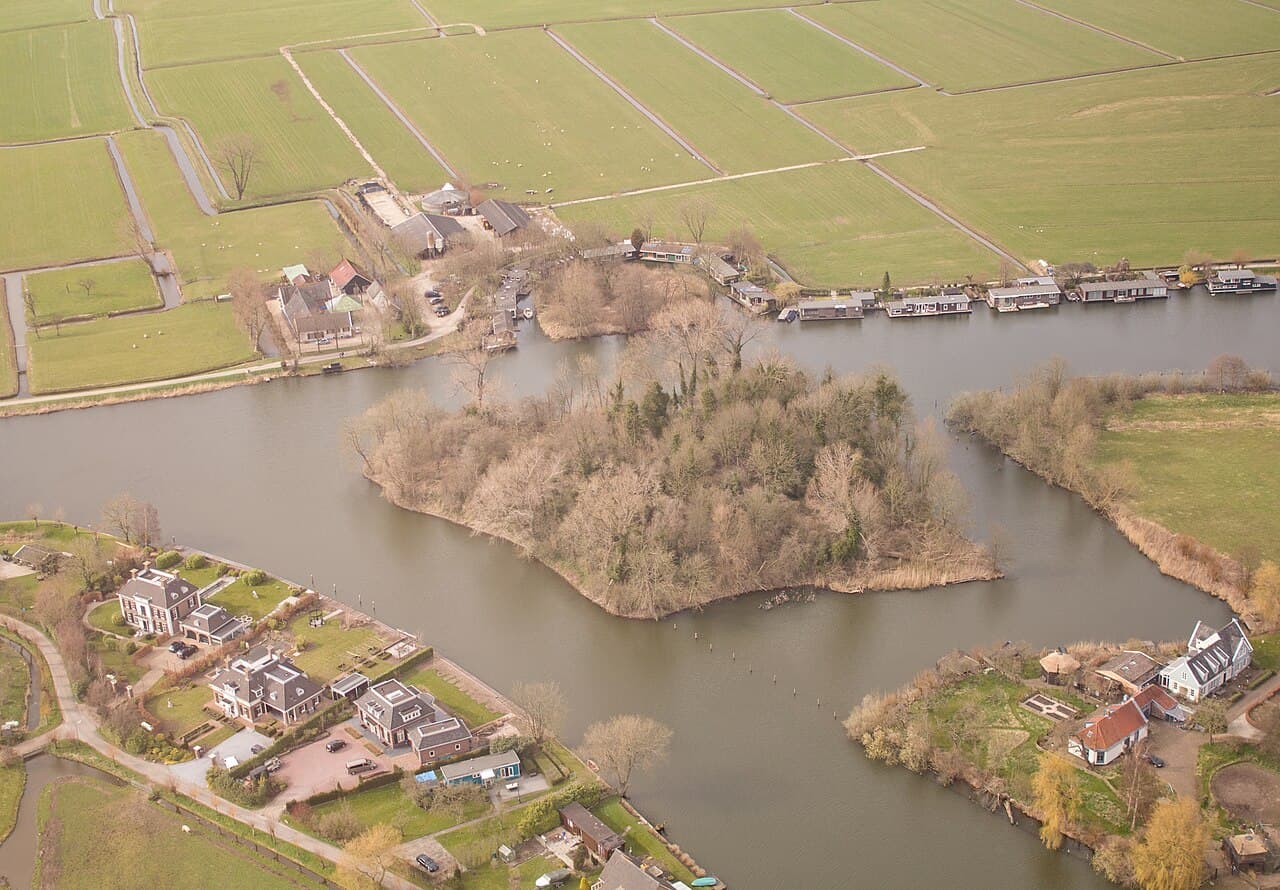
The fort was built during a period when the Netherlands was focused on strengthening its national defense through a series of forts and fortifications. The location of Fort bij Hinderdam was chosen to control access along key water routes and to serve as a defensive stronghold within the broader network of Dutch fortifications. It played a role in the defense strategy that aimed to protect the economic and political heartlands from potential invasions.
Architectural design and features
Designed as a bastioned fortress, Fort bij Hinderdam features the characteristic angular bastions projecting from the main walls, allowing defenders to cover adjacent walls with gunfire and eliminate blind spots. The fortress layout includes thick earthworks and masonry walls designed to absorb and deflect artillery fire. The fort’s design incorporates a moat and a series of defensive ditches, enhancing its protection against siege tactics.
Bastions and defensive structures
The bastions at Fort bij Hinderdam are symmetrically arranged to maximize defensive coverage. These structures are connected by curtain walls, creating a fortified perimeter. The fort’s entrance is typically protected by a gate complex with additional defensive measures such as ravelins or outworks to delay attackers.
Internal facilities and garrison accommodations
Inside the fort, there were barracks and storage facilities to support the garrison stationed there. These included ammunition magazines, living quarters, and command posts. The internal layout was designed to sustain the fort’s defenders during prolonged sieges, with provisions for food, water, and medical care.
Preservation and current status
Today, Fort bij Hinderdam is recognized for its historical and architectural significance as part of the Netherlands’ military heritage. While the fort’s condition varies, efforts have been made to preserve its structural integrity and to maintain it as a cultural landmark. It serves as a point of interest for visitors interested in military history and fortification architecture.
Visiting Fort bij Hinderdam
Visitors to Fort bij Hinderdam can explore the remains of the bastioned fortress and gain insight into 19th-century military engineering. The site offers a glimpse into the strategic defense systems of the Netherlands and the architectural responses to evolving warfare technologies during that era.
Frequently asked questions (FAQ)
- What is the historical significance of Fort bij Hinderdam?
- Fort bij Hinderdam was built in the 19th century as part of the Netherlands' defensive network to protect strategic waterways and urban centers from invasion.
- What architectural features define a bastioned fortress like Fort bij Hinderdam?
- A bastioned fortress features angular bastions projecting from the walls, allowing defenders to cover adjacent walls with overlapping fields of fire, enhancing defense against artillery.
- Can visitors tour Fort bij Hinderdam?
- Yes, visitors can explore the site to learn about 19th-century military architecture and the Netherlands' historical defense systems, though facilities may be limited.
Photo gallery

Information
Loading map...
Visitor reviews
No reviews yet. Been here? Write the first review and help other travelers!
Write the first reviewVisited this castle? Share your experience
Your review helps other travelers and adds first-hand knowledge to our encyclopedia.