Fort Beekenburg
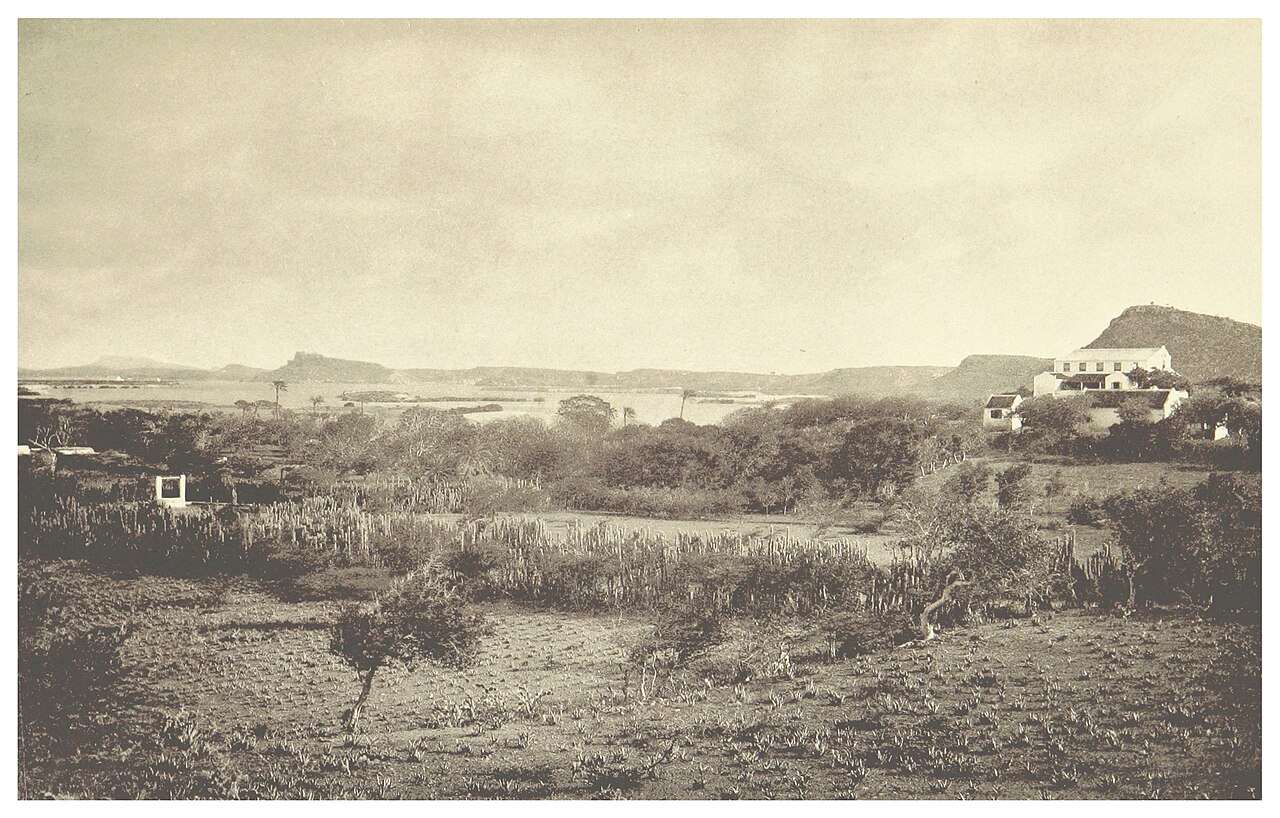
Fort Beekenburg is a historic coastal fortress located on a rocky promontory adjacent to Caracas Bay, east of the city of Willemstad on the Caribbean island of Curaçao. Constructed in 1703 under the orders of Governor Van Beek, the fort was strategically designed to defend the entrance to the bay and the nearby Spaanse Water lagoon, an important anchorage and harbor area.
The fort's most distinctive architectural feature is its round tower, built entirely from stone blocks that were quarried and fabricated in the Netherlands and shipped across the Atlantic as ballast. This unique construction method reflects the logistical challenges and maritime connections of the Dutch colonial empire during the post-Renaissance period. The robust masonry tower was designed to withstand naval bombardment and provide a commanding vantage point for artillery placement.
Architectural features and design
Fort Beekenburg exemplifies early 18th-century military architecture adapted to Caribbean coastal conditions. The fort's circular tower was surrounded by thick stone walls, enabling it to mount several heavy cannons. The design focused on maximizing defensive capability against seaborne threats, with limited provisions for accommodating large garrisons, reflecting its role as a specialized artillery battery rather than a full fortress complex.
The fort's position on a rocky outcrop gave it a natural elevation advantage, allowing its artillery to cover the approaches to the bay effectively. The use of imported stone masonry was unusual in the region, where coral stone and local materials were more common, underscoring the importance placed on durability and defense.
Historical military significance
Throughout the 18th century, Fort Beekenburg played a pivotal role in defending Curaçao from various naval threats, including English warships, French buccaneers, and pirates. Although the fort was often neglected during peacetime, it was regularly restored and rearmed when hostilities loomed. By 1800, its artillery complement included six eight-pounder and four twelve-pounder cannons, formidable firepower for controlling the bay's entrance.
Nearby, the now-lost Battery Uitkijk supplemented the fort's defenses with additional cannons, including twelve-pounder and eighteen-pounder guns. Together, these fortifications formed a defensive network critical to the island's security.
Conflicts and engagements
In 1800, during the British occupation of Curaçao, Fort Beekenburg was garrisoned by English marines from the corvette Nimrod. When the island reverted to Dutch control in 1803, the fort was reoccupied by Dutch forces. The fort's defenders successfully repelled multiple British attacks, including two attempts in 1805 led by Commodore Murray. The second assault involved a landing at Caracas Bay and a prolonged land battle, which the Dutch garrison won with reinforcements.
In 1807, the island fell again to the British. Notably, the fort's commander, Lieutenant Hendriks, refused to surrender, but his men overpowered him and opened the gates, leading to the fort's capture. Following subsequent political changes, Curaçao was returned to Dutch control, and the fort remained a military outpost until the mid-19th century, after which it was dismantled.
Later history and current status
From 1927 to 2005, Fort Beekenburg was inaccessible to the public because the surrounding area was owned and operated by an oil company. Since then, it has become freely accessible, allowing visitors to explore the fort and climb to the top of its tower. Its commanding position and well-preserved structure make it a favored historical site on Curaçao.
Nearby, visitors can also find an abandoned 19th-century building that once served as a quarantine hospital, adding to the area's historical interest. The fort's combination of maritime defense history, unique stone construction, and scenic location contribute to its significance as a cultural heritage site.
Visiting fort beekenburg
Today, Fort Beekenburg is open to the public without entrance fees. Visitors can explore the tower and enjoy panoramic views of Caracas Bay and the surrounding coastline. The site offers insight into the island's colonial military past and the strategic importance of Curaçao in Caribbean maritime history.
Frequently asked questions (FAQ)
- What is the historical significance of Fort Beekenburg?
- Fort Beekenburg was constructed in the 1700s to protect the entrance to the harbor of Willemstad from potential invasions. It played a crucial role in the defense strategy of the island during colonial times and is a testament to the military architecture of the era. Today, it stands as a symbol of Curaçao's rich history and cultural heritage.
- When was Fort Beekenburg built?
- Construction of Fort Beekenburg began in 1703 and was completed in 1704. It was strategically built to strengthen the defenses of Willemstad during a time when piracy and attacks were common in the Caribbean. The fort has since been preserved and is a popular historical site.
- Can I visit Fort Beekenburg?
- Yes, Fort Beekenburg is open to visitors, allowing you to explore its historic grounds and learn about its history. Guided tours are often available, providing insights into the fort's significance and architecture. Be sure to check the opening hours before your visit.
- What are the opening hours for Fort Beekenburg?
- Fort Beekenburg typically opens to visitors from 9 AM to 5 PM, but it is recommended to verify the hours before your visit as they may vary. Special hours may apply on holidays or during local events. Planning your visit during these times ensures you get the most out of your experience.
- Is it possible to access Fort Beekenburg with public transportation?
- Yes, Fort Beekenburg can be reached by public transportation, including local buses or taxis that service the area. If you prefer, renting a car is also a popular option for exploring the island at your own pace. Make sure to plan your route in advance for a smoother visit.
- What is the best time to visit Fort Beekenburg?
- The best time to visit Fort Beekenburg is during the dry season, which runs from January to April. This period offers pleasant weather and fewer chances of rain, making it ideal for outdoor exploration. Early mornings or late afternoons also provide cooler temperatures and stunning views.
- Are there any nearby attractions to visit after Fort Beekenburg?
- Yes, after visiting Fort Beekenburg, you can explore nearby attractions such as the beautiful beaches of Curaçao or the historic city center of Willemstad, a UNESCO World Heritage site. Other sites include the Kura Hulanda Museum and the Floating Market, both rich in local culture and history.
- What are the ticket prices for Fort Beekenburg?
- Entry to Fort Beekenburg is usually free or may have a nominal fee for guided tours. It's advisable to check the official website or local tourism information for the most current pricing and any special promotions. This ensures you have the most accurate information for your visit.
Information
Loading map...
Visitor reviews
No reviews yet. Been here? Write the first review and help other travelers!
Write the first reviewVisited this castle? Share your experience
Your review helps other travelers and adds first-hand knowledge to our encyclopedia.