Fiddaun Castle
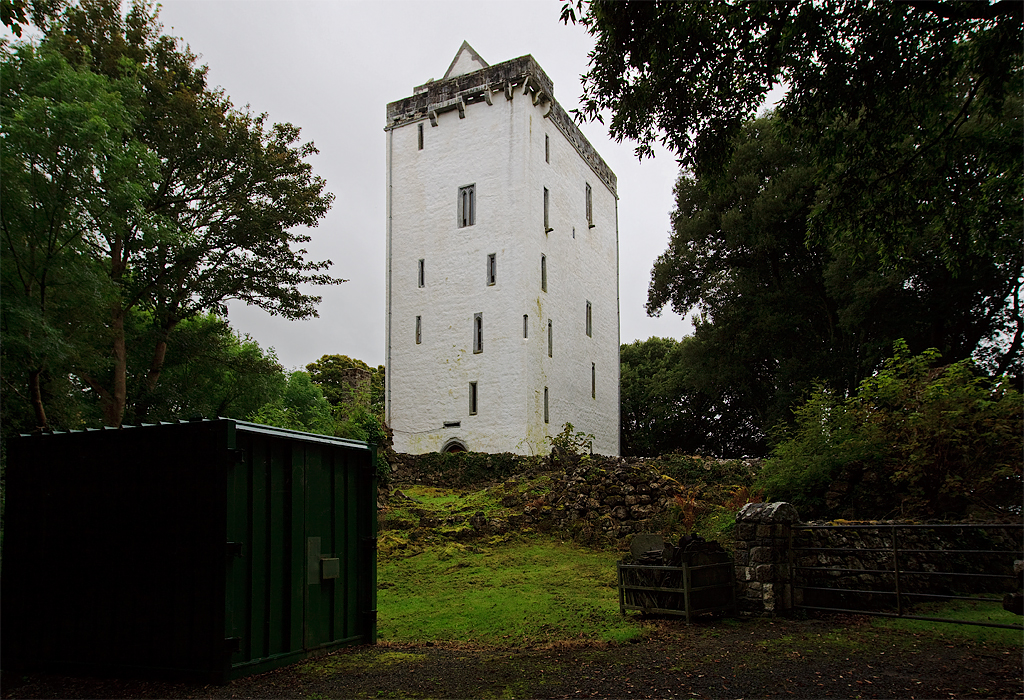
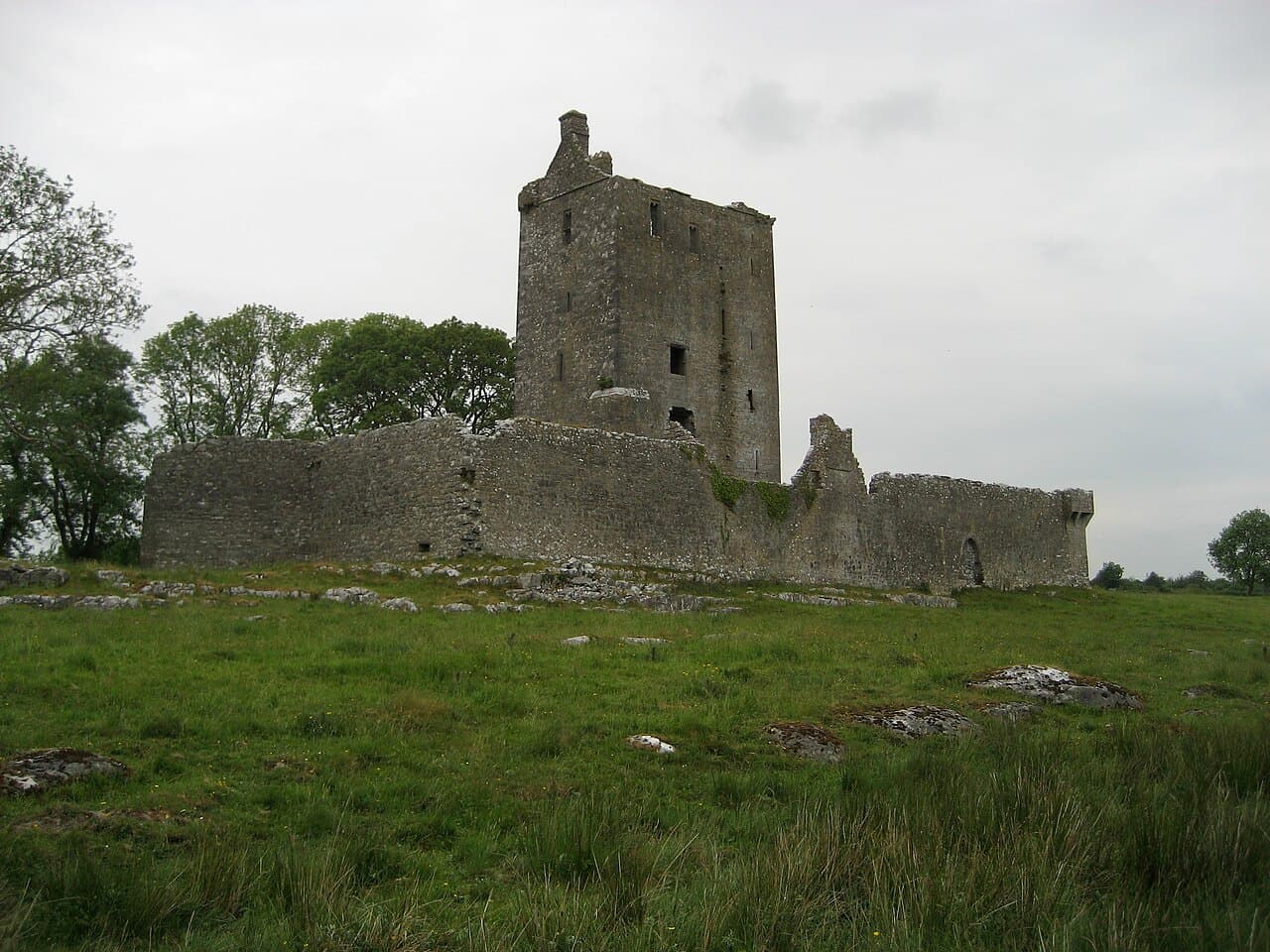
Fiddaun Castle is a prominent example of a 16th-century Renaissance tower house located near Tubber in County Galway, Ireland, close to the border with County Clare. This castle is recognized as a National Monument of Ireland, reflecting its historical and architectural significance. Tower houses like Fiddaun were common in Ireland during the late medieval and Renaissance periods, serving as fortified residences for local lords and gentry.
Historical context and significance
Constructed in the 16th century, Fiddaun Castle was built during a period marked by the transition from medieval fortifications to more comfortable and stylistically refined residences. The Renaissance influence is evident in its architectural details, although it retained many defensive features typical of Irish tower houses. This era in Ireland was characterized by frequent local conflicts and the need for defensible homes, which explains the castle's robust construction and strategic hilltop location.
The castle was likely commissioned by a prominent Gaelic family or Anglo-Irish lord, as many tower houses were built to assert control over land and demonstrate social status. Its proximity to the border of County Clare suggests it played a role in regional power dynamics during the turbulent periods of Irish history, including clan rivalries and English colonial expansion.
Architectural features and layout
Structure and design
Fiddaun Castle exemplifies the typical hill castle type, strategically positioned on elevated ground to maximize defensive advantage and visibility over the surrounding landscape. The castle is a classic tower house, a vertical stone structure several stories high, designed to combine residential and defensive functions.
The tower is rectangular in plan, with thick stone walls that provided protection against attacks. Narrow windows and arrow slits allowed defenders to observe and repel assailants while minimizing exposure. The entrance was often protected by a sturdy door and possibly a murder hole or defensive machicolations above.
Interior and defensive elements
Inside, Fiddaun Castle would have contained a great hall on one of the main floors, serving as the social and administrative center. Other floors housed private chambers, storage rooms, and possibly a kitchen area. Spiral staircases within the thick walls connected the different levels, designed to favor right-handed defenders.
Defensive features likely included battlements at the roof level, where guards could patrol and defend the castle. The tower house design allowed for a relatively small garrison to hold off attackers, relying on the strength of the stone walls and elevated position.
Preservation and current status
Today, Fiddaun Castle stands as a well-preserved example of an Irish Renaissance tower house, though it may show signs of weathering and partial ruin typical of structures from this period. Its designation as a National Monument ensures protection and recognition of its cultural heritage.
Visitors to the site can appreciate the castle's imposing silhouette on the hillside and explore its architectural details, which provide insight into the lifestyle and defensive needs of its original inhabitants. The castle's rural setting adds to its atmospheric appeal, offering views of the surrounding Irish countryside.
Fiddaun Castle in the context of Irish tower houses
Fiddaun Castle is part of a broader tradition of tower house construction across Ireland, which peaked between the 15th and 17th centuries. These structures served as fortified homes for the Irish gentry and were often symbols of local power and prestige.
Unlike larger castles with extensive curtain walls and baileys, tower houses like Fiddaun were more compact but no less formidable. Their design reflects a balance between domestic comfort and military utility, adapted to the social and political realities of Renaissance Ireland.
Architectural style and influences
The Renaissance period saw some introduction of stylistic elements such as decorative stonework and more refined window designs, which may be present at Fiddaun Castle. However, the overall style remains functional and robust, emphasizing defense.
Visiting information and cultural importance
As a National Monument, Fiddaun Castle is an important heritage site that offers educational opportunities for those interested in Irish history and medieval architecture. While access details can vary, the castle's location near Tubber makes it accessible for visitors exploring County Galway and the surrounding region.
The castle contributes to Ireland's rich tapestry of historical sites, attracting scholars, tourists, and locals alike who seek to understand the country's past through its built environment.
Frequently asked questions (FAQ)
- When was Fiddaun Castle built?
- Fiddaun Castle was constructed in the 16th century during the Renaissance period, reflecting the architectural styles and defensive needs of that era.
- What type of castle is Fiddaun Castle?
- Fiddaun Castle is a hill castle and a classic example of an Irish tower house, designed for both residence and defense.
- Where is Fiddaun Castle located?
- Fiddaun Castle is located near Tubber in County Galway, Ireland, close to the border with County Clare.
- Is Fiddaun Castle open to visitors?
- As a National Monument of Ireland, Fiddaun Castle is accessible to the public, though visiting hours and access may vary. It is advisable to check local sources before planning a visit.
- What are the key architectural features of Fiddaun Castle?
- Key features include thick stone walls, narrow windows and arrow slits, a rectangular tower house design, spiral staircases, and battlements for defense.
Photo gallery

Information
Loading map...
Visitor reviews
No reviews yet. Been here? Write the first review and help other travelers!
Write the first reviewVisited this castle? Share your experience
Your review helps other travelers and adds first-hand knowledge to our encyclopedia.