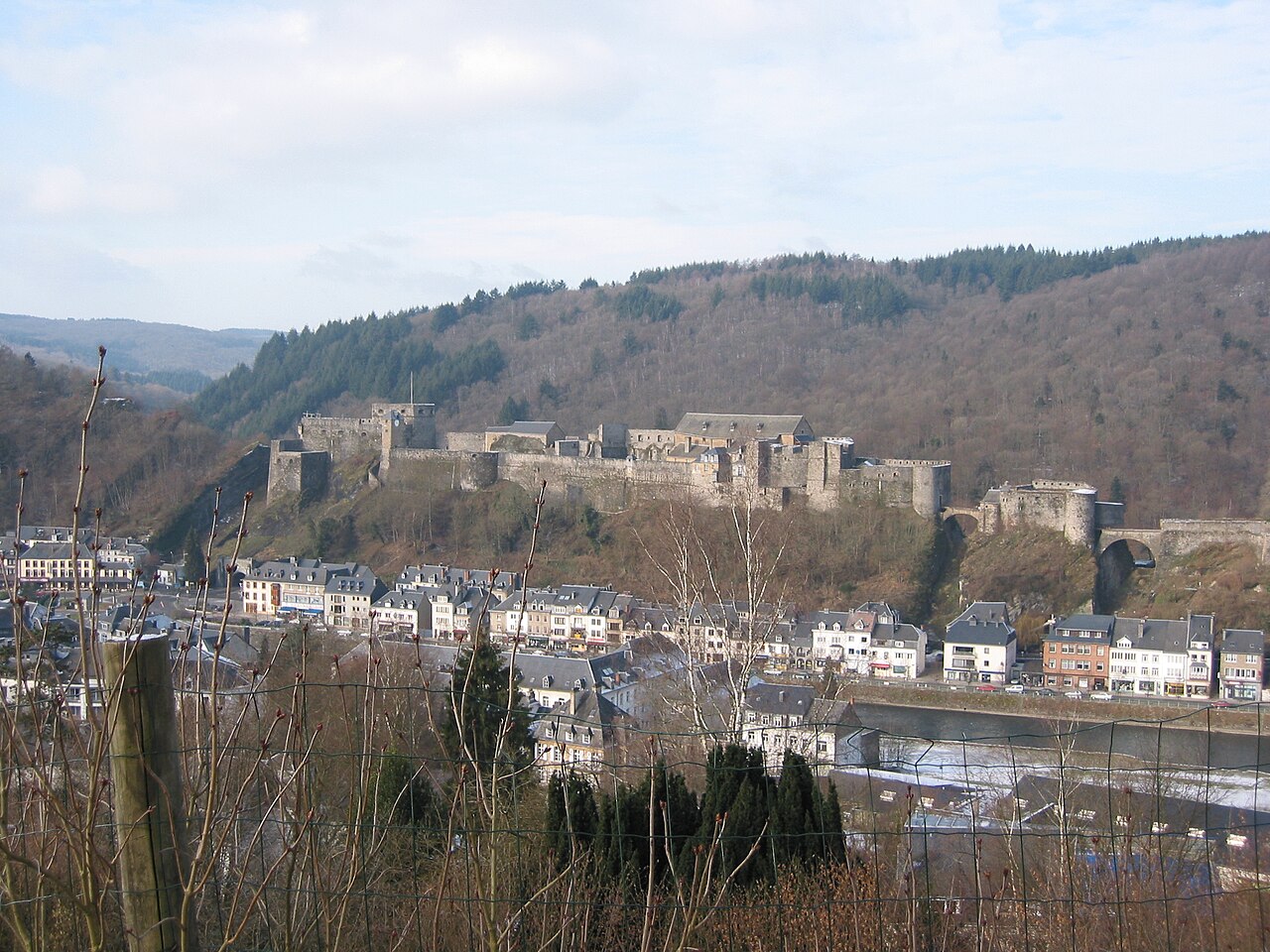
Fées Castle
Fées Castle, also known locally as Château des Fées (Castle of the Fairies), is an early medieval fortress ruin nestled in the woods south of the village of Bertrix, within the province of Luxembourg in the Wallonia region of Belgium. The castle's remains occupy a strategic position on a rocky promontory at the confluence of two valleys formed by the Semois river and the Munos stream. This natural setting provided a defensible location, with the castle's rear protected by a dry valley connecting the two watercourses.
Historical background and origins
Archaeological research has established that the site of Fées Castle dates back to Gallo-Roman times, specifically the 3rd to 4th century AD. It is believed to have been used by the Leti auxiliary troops, barbarian soldiers serving under the Roman Empire during the reign of Emperor Maximian. These troops likely occupied the site as a military outpost or fortification to control the surrounding region and protect Roman interests along the frontier.
The castle's location at the junction of two valleys would have been advantageous for monitoring movement along the waterways and nearby land routes. This early military use laid the foundation for the site's continued strategic importance in the following centuries.
Medieval development and architectural features
Fées Castle remained in use through the early medieval period, with occupation evidence extending until the 11th to 12th century. Excavations have uncovered traces of an entrance gate, curtain walls, a tower, and a dwelling structure. These elements suggest a fortified complex designed for defense and habitation.
The castle's walls were likely built from local stone, taking advantage of the rocky terrain to enhance its defensive capabilities. The tower would have served both as a lookout point and a last line of defense. The dwelling area indicates that the site was not solely military but also housed residents or a garrison.
Today, only low walls remain visible, with limited architectural detail surviving above ground. The ruins provide insight into early medieval fortification techniques, though much of the original structure has been lost to time.
Role in regional defense and later history
In the early 18th century, specifically in 1706, the site of Fées Castle was mentioned in an order issued by Louis XIV of France. It was listed among a network of 28 fortification sites along the Semois river intended to protect the border region. Other nearby castles included Montragut Castle and Liresse Castle.
This designation underscores the continued military significance of the location well beyond the medieval period, even though the castle itself was no longer in active use as a fortress.
Current condition and visitor experience
Today, Fées Castle exists as an archaeological site with only partial remains visible. The ruins are freely accessible to the public, offering visitors a chance to explore the natural surroundings and the historic landscape.
While the physical remains are modest, the site's wooded environment and scenic views of the valleys provide a tranquil setting for visitors interested in history and nature. The castle's location on a rocky promontory continues to highlight its original strategic importance.
Access and environment
The castle is situated on Rue des Munos in Belgium, south of Bertrix. The area is characterized by dense woodland and natural beauty, making it a peaceful destination for hikers and history enthusiasts alike.
There are no visitor facilities on site, and the ruins require careful exploration to appreciate the remaining architectural features. The site is best visited during dry weather for easier access.
Archaeological significance and research
Excavations at Fées Castle have contributed valuable information about early medieval fortifications in the region. The discovery of Roman-era artifacts and structural remains confirms the long history of occupation at this strategic location.
The site illustrates the transition from Roman military outposts to medieval castles, reflecting broader historical changes in fortification design and regional control during the early Middle Ages.
Continued archaeological study helps to contextualize Fées Castle within the network of defensive sites along the Semois river and its role in the shifting political landscape of Wallonia and the greater Luxembourg province.
Frequently asked questions (FAQ)
- How do I get to Fées Castle?
- Fées Castle is located in Bertrix, Belgium, and can be accessed by car or public transportation. If you're driving, there are parking facilities nearby, and for public transport, check local bus schedules for routes that stop close to the castle.
- What are the opening hours of Fées Castle?
- Fées Castle is open to visitors from 10 AM to 6 PM, Tuesday through Sunday. It is closed on Mondays, so plan your visit accordingly to enjoy the beautiful grounds and historic architecture.
- Is there an entrance fee for Fées Castle?
- Yes, there is an entrance fee to visit Fées Castle. Tickets are priced at €10 for adults and €5 for children aged 6 to 12, while children under 6 can enter for free.
- When was Fées Castle built?
- Fées Castle was originally constructed in the 12th century, showcasing a blend of medieval and Renaissance architecture. Over the centuries, it has undergone several renovations, which highlight its historical significance and beauty.
- Can I take guided tours of Fées Castle?
- Yes, guided tours are available at Fées Castle, providing visitors with in-depth knowledge about its history and architecture. It's recommended to book your tour in advance, especially during peak tourist seasons.
- Why is Fées Castle historically significant?
- Fées Castle is significant due to its rich history and its role in the regional power dynamics during the medieval period. The castle reflects the architectural evolution of the area and serves as a cultural landmark in Bertrix.
- What is the best time to visit Fées Castle?
- The best time to visit Fées Castle is during the spring and early autumn when the weather is pleasant and the gardens are in full bloom. Additionally, visiting during weekdays can help you avoid the crowds.
- Is Fées Castle accessible for visitors with disabilities?
- Fées Castle strives to be accessible to all visitors, with ramps and pathways designed to accommodate those with mobility challenges. However, it's advisable to contact the castle in advance to confirm specific accessibility options.
- What nearby attractions should I visit after Fées Castle?
- After visiting Fées Castle, you can explore the charming town of Bertrix or take a short drive to the scenic Ardennes region, known for its outdoor activities and stunning landscapes. The area also features various hiking trails and historical sites worth discovering.
Information
Address
Rue des Munos, Belgium
Loading map...
Visitor reviews
No reviews yet. Been here? Write the first review and help other travelers!
Write the first reviewVisited this castle? Share your experience
Your review helps other travelers and adds first-hand knowledge to our encyclopedia.