Erenstein Castle — Netherlands castle

Erenstein Castle

Erenstein Castle: a medieval hill castle in the Netherlands
High Medieval (11th–13th c.)
Well Preserved

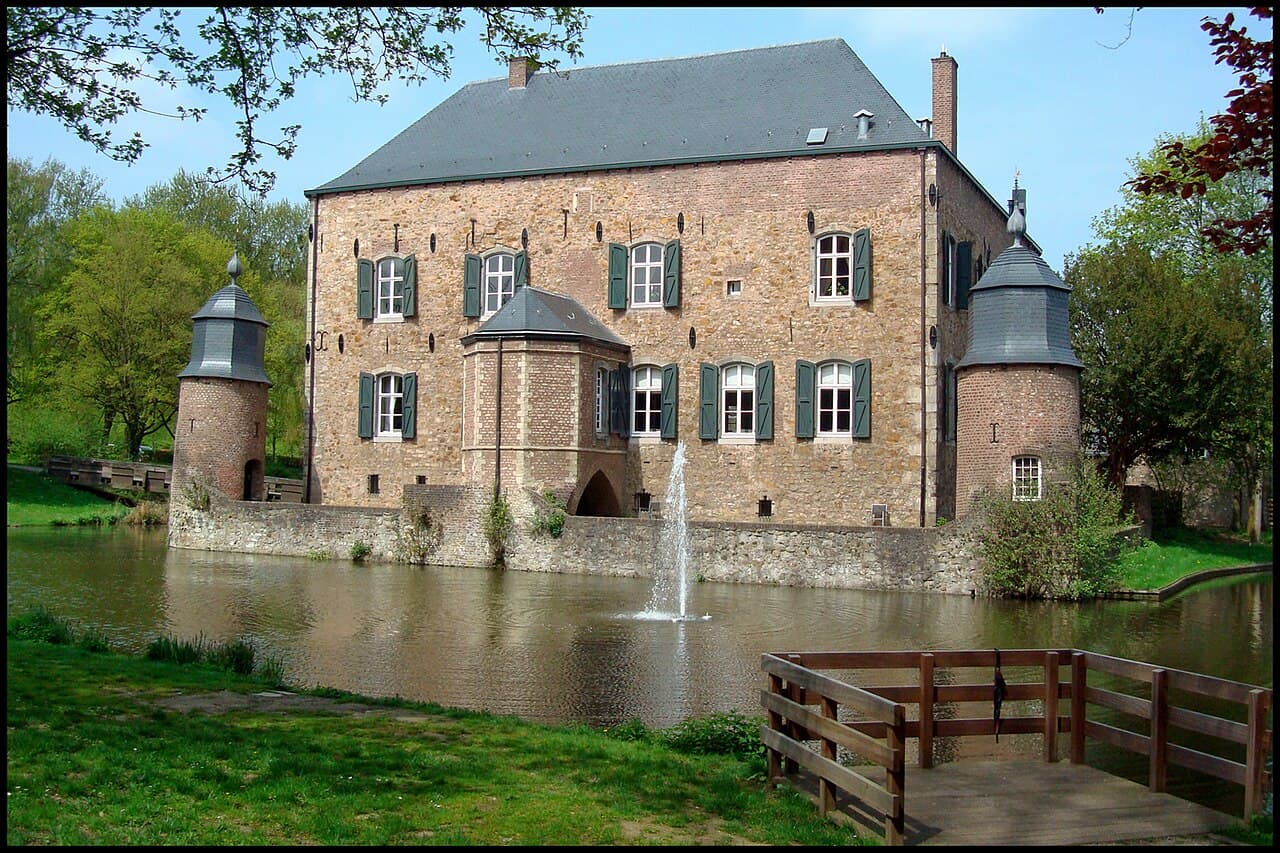
Erenstein Castle is a notable example of a high medieval hill castle located in the Netherlands. Constructed in the 13th century, this castle exemplifies the architectural and defensive strategies typical of the period. As a hill castle, it was strategically positioned on elevated terrain to maximize its defensive capabilities and control over the surrounding landscape.

Historical background and significance

The origins of Erenstein Castle trace back to the high medieval period, a time marked by frequent territorial conflicts and the consolidation of feudal power in Europe. The castle served as a fortified residence for local nobility, providing both protection and a symbol of authority. Its location in the Netherlands situates it within a region where medieval fortifications played a crucial role in defense against both external invasions and local disputes.

Throughout its history, Erenstein Castle witnessed various phases of occupation and modification, reflecting the evolving needs of its inhabitants and advances in military architecture. While specific historical events tied to Erenstein are less documented, its survival into the present day underscores its resilience and the importance of such structures in medieval society.

Architectural features and layout

The castle's design is characteristic of 13th-century hill castles, featuring a compact layout optimized for defense. Typically, such castles include a keep or donjon as the central stronghold, surrounded by curtain walls and defensive towers. Erenstein Castle likely incorporated these elements, with thick stone walls designed to withstand sieges and attacks.

The elevated position of the castle provided natural defense advantages, complemented by man-made fortifications. Defensive features may have included battlements, arrow slits, and a gatehouse controlling access. The castle's interior would have contained living quarters, storage rooms, and possibly a chapel, arranged around a central courtyard.

Preservation and current condition

Today, Erenstein Castle stands as a well-preserved example of medieval military architecture in the Netherlands. Its preservation allows visitors and scholars to study the construction techniques and defensive strategies of the high medieval period. The castle's condition reflects careful maintenance and restoration efforts aimed at safeguarding its historical integrity.

Visiting Erenstein Castle

Visitors to Erenstein Castle can explore its historic structures and appreciate the strategic design typical of hill castles. The castle offers insight into medieval life and feudal society in the region. While specific visitor amenities and opening hours vary, the castle remains an important cultural landmark and a destination for those interested in medieval history and architecture.

Architectural style and influences

The castle's architecture reflects the Romanesque and early Gothic influences prevalent in the 13th century. Its robust stone construction and defensive features align with the functional priorities of the era. Decorative elements, if present, would be modest, emphasizing strength over ornamentation.

Role in regional history

Erenstein Castle played a part in the broader network of fortifications across the Netherlands during the medieval period. It likely served as a local administrative center and a military stronghold, contributing to regional stability and control. Its endurance through centuries highlights its strategic and symbolic importance.

Frequently asked questions (FAQ)

How do I get to Erenstein Castle?
Erenstein Castle is conveniently located in the Netherlands, near the city of Kerkrade. You can reach the castle by car, with ample parking available, or by public transportation, including local buses that stop nearby.
What is the historical significance of Erenstein Castle?
Erenstein Castle dates back to the 14th century and is a remarkable example of medieval architecture in the region. It has served various purposes throughout its history, including as a noble residence and a military stronghold, reflecting the rich heritage of the area.
When was Erenstein Castle last renovated?
Erenstein Castle underwent significant renovations in the 20th century to restore its historical features and maintain its structural integrity. The most recent updates have focused on preserving the castle's charm while making it accessible to visitors.
Can I take guided tours of Erenstein Castle?
Yes, guided tours are available and offer an in-depth look at the castle's history and architecture. These tours are conducted by knowledgeable guides who share fascinating stories about the castle and its former inhabitants.
Why is Erenstein Castle a popular tourist destination?
Erenstein Castle is popular due to its stunning architecture, rich history, and beautiful surroundings. Visitors are drawn to its picturesque setting, which makes it an ideal spot for exploring the past and enjoying scenic views.
Is it possible to hold events at Erenstein Castle?
Yes, Erenstein Castle offers facilities for various events, including weddings and corporate gatherings. The castle's enchanting ambiance and historical significance make it a unique venue for special occasions.
What are the opening hours of Erenstein Castle?
Erenstein Castle is typically open to visitors from Tuesday to Sunday, with varying hours depending on the season. It is advisable to check the official website for the most current opening times before planning your visit.
What are the ticket prices for Erenstein Castle?
Ticket prices for Erenstein Castle vary based on age and group size, with discounts available for children and seniors. Visitors can purchase tickets online or at the entrance, and guided tours may have additional fees.
When is the best time to visit Erenstein Castle?
The best time to visit Erenstein Castle is during the spring and summer months when the weather is pleasant and the gardens are in full bloom. Special events and festivals often take place during this time, enhancing the visitor experience.
Are there any nearby attractions to Erenstein Castle?
Yes, there are several attractions near Erenstein Castle, including the beautiful gardens and parks, local museums, and historical sites. Visitors can also explore the surrounding countryside, which offers various outdoor activities and scenic trails.

Photo gallery

Erenstein Castle
Click to view

Photo by Marianne Cornelissen-Kuyt•CC BY-SA 4.0

1 photo • Click any image to view in full screen

Information

Hill Castle

Loading map...

Visitor reviews

No reviews yet. Been here? Write the first review and help other travelers!

Write the first review

Visited this castle? Share your experience

Your review helps other travelers and adds first-hand knowledge to our encyclopedia.
Write a review

(5/5)

0/2000 characters

Your review will be visible after admin approval

Nearby castles

2.1 km
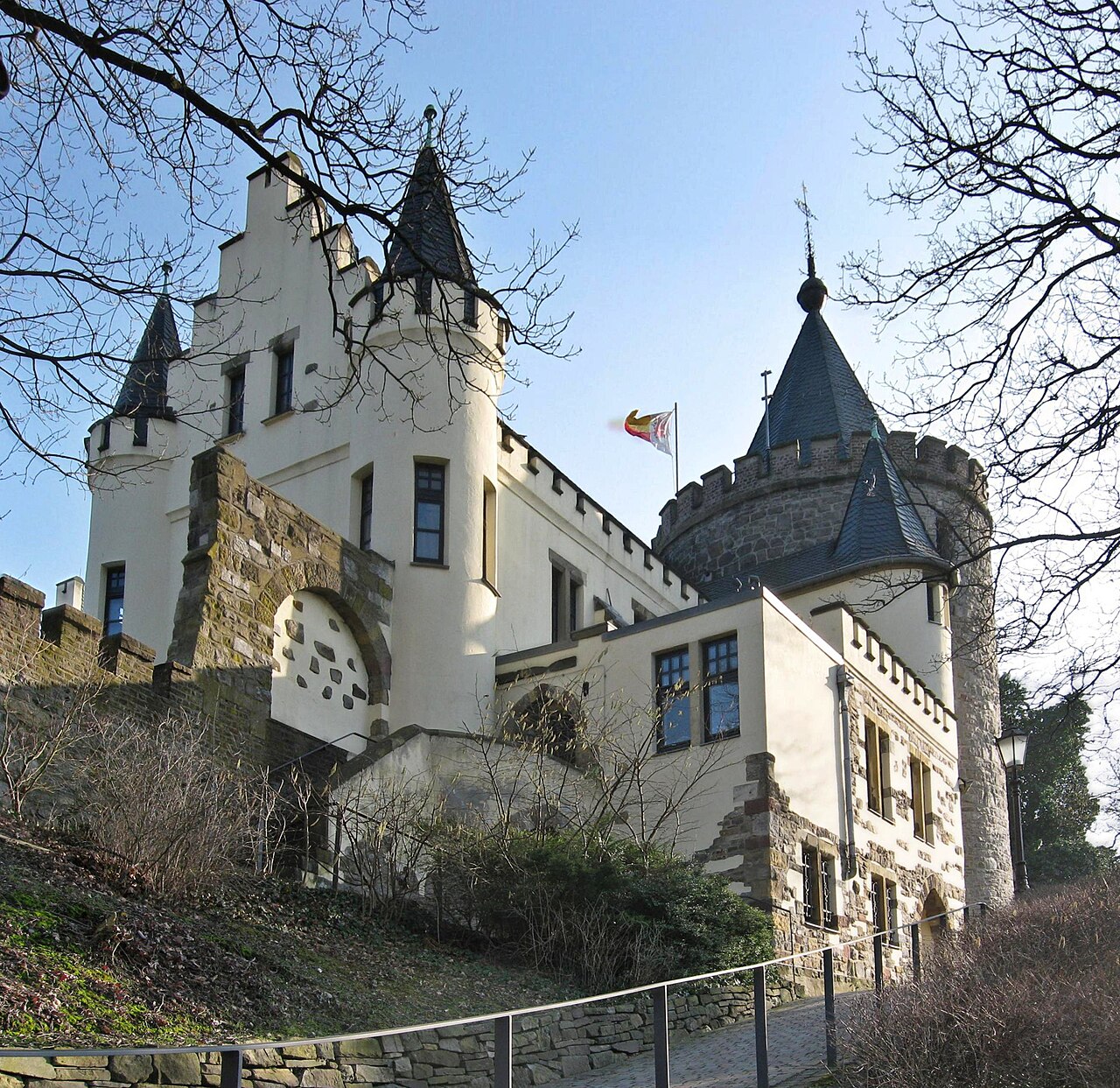
Strijthagen Castle — Netherlands castle

Strijthagen Castle

, Netherlands

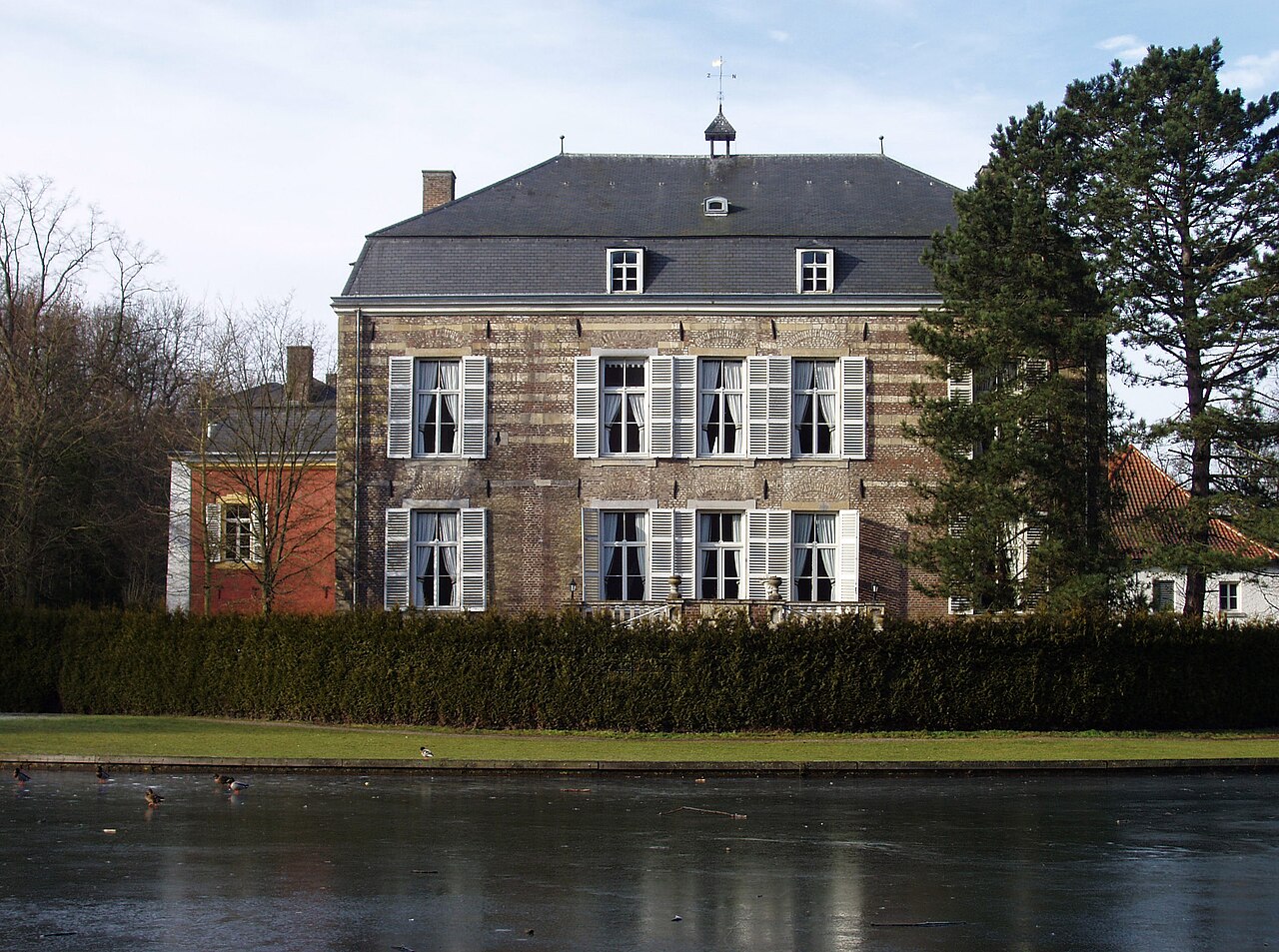
Strijthagen Castle is a notable example of an 18th-century hill castle located in the Netherlands. Built during the post-Renaissance period, it reflects the architectural transition from fortified medieval structures to more comfortable and stately residences. The castle's construction in the 18th century situates it within a time when many European castles were adapted or newly built to serve as country estates rather than purely defensive fortifications.Architectural features and layoutThe castle is characterized by its elevated position typical of hill castles, which historically provided strategic advantages such as enhanced visibility and natural defense. Although specific details about Strijthagen Castle's layout are limited, hill castles of this period often feature a central manor house surrounded by landscaped grounds rather than extensive defensive walls or moats common in earlier medieval castles.Strijthagen Castle likely exhibits architectural elements typical of post-Renaissance design, including symmetrical facades, classical proportions, and decorative details that prioritize aesthetic appeal over military utility. The use of brick and stone, common in Dutch architecture of the time, would contribute to the castle's sturdy yet refined appearance.Historical context and significanceConstructed in the 18th century, Strijthagen Castle represents the evolution of castle building in the Netherlands during a period when the need for fortification diminished due to changes in warfare and political stability. Castles like Strijthagen transitioned into country houses for nobility or wealthy landowners, serving as symbols of status and centers for managing agricultural estates.The Netherlands in the 18th century was marked by relative peace and prosperity, allowing for investment in such estates. Although Strijthagen Castle may not have played a prominent role in military history, it reflects the social and economic trends of its time.Preservation and current statusInformation on the current condition of Strijthagen Castle is limited, but as an 18th-century structure, it may be well preserved or restored to maintain its historical and architectural value. Castles from this period in the Netherlands are often maintained as private residences or heritage sites accessible to the public on occasion.Visiting and cultural importanceWhile specific details about public access to Strijthagen Castle are not readily available, castles of similar type and age in the Netherlands often host cultural events, tours, or serve as venues for private functions. Visitors interested in Dutch post-Renaissance architecture and the history of noble estates would find Strijthagen Castle relevant to their interests.

Post-Renaissance (17th–18th c.)
Details
2.5 km
Burg Rode — Germany castle

Burg Rode

Herzogenrath, Germany

Burg Rode is a historic hill castle prominently situated in the town of Herzogenrath, near the German-Dutch border, close to the city of Kerkrade in the Netherlands. This castle stands as a significant monument reflecting centuries of political, military, and economic history in the region. Originally constructed during the High Middle Ages, Burg Rode served as a strategic stronghold and toll collection point, controlling vital trade routes and borderlands. Early history and strategic importance The first documented mention of Burg Rode dates to 1104, recorded in the annals of the nearby Rolduc Abbey, where it was referred to as “Castrensis Viculis.” The castle was initially built by the Counts of Saffenberg to assert control over the surrounding border region and to regulate commerce along the ancient Via Belgica, a major Roman road that connected important cities such as Cologne, Heerlen, Maastricht, and Tongeren, extending to the coast at Boulogne-sur-Mer. The castle's location near the Wurm River was crucial, as the river formed a political and ecclesiastical boundary between the Diocese of Liège and the Archdiocese of Cologne. This positioning enabled Burg Rode to exert influence over both secular and religious territories. By the early medieval period, the Via Belgica route was redirected near Herzogenrath, further enhancing the castle's role in monitoring and taxing trade. Surviving records from the neighboring Duchy of Brabant indicate that toll revenues collected at Burg Rode were exceptionally high, exceeding 3,300 gold guilders annually, far surpassing other toll stations in the region. Medieval conflicts and ownership changes Throughout the 13th century, Burg Rode was embroiled in regional conflicts, most notably the Limburg succession war. In 1283, the Duchy of Brabant attempted to seize the castle due to its strategic value but failed to capture it at that time. After the decisive Battle of Worringen in 1288, Brabant emerged victorious, and the castle eventually came under Brabant control following the dissolution of the Duchy of Limburg. The town of Herzogenrath itself was first recorded in 1282 as “s’Hertogenrode,” meaning “the duke’s clearing,” reflecting its association with ducal authority. Ownership of Burg Rode passed through various noble families, including the Droste von Herzogenrath, who also held the nearby Alsdorf Castle. The earliest known knight linked to Burg Rode was Gottfried von Laufenberg in 1150. His successor, Harper von Laufenberg, served as castellan and steward during the early 13th and again in the early 14th centuries, highlighting the castle's continued importance as a noble residence and administrative center. Early modern period and political transitions In later centuries, Burg Rode's ownership shifted due to broader political changes in the region. It was temporarily leased to the Duchy of Jülich and later came under the control of the Habsburg Netherlands from 1544 until the French Revolutionary occupation in 1794. Following the Congress of Vienna in 1815, the castle was incorporated into the Kingdom of Prussia, which administratively separated it from nearby Kerkrade and the ecclesiastical estates of Rolduc Abbey. The modern border between Germany and the Netherlands runs close to the castle grounds, underscoring its longstanding role as a frontier fortress. Architectural evolution and restoration Burg Rode developed from a modest fortified settlement into a formidable castle through successive expansions beginning in the 12th century. These enhancements strengthened its defenses to meet the demands of military engagements and its function as a toll station. While detailed records of construction materials and techniques are limited, the castle's hilltop position and surviving structural elements reflect typical medieval fortification strategies, including defensive walls, gates, and battlements. In the 20th century, Burg Rode underwent significant restoration efforts aimed at preserving its medieval character while incorporating elements characteristic of early 20th-century historical revival architecture. Between 1913 and 1978, the castle served as the town hall for Herzogenrath, a role that helped maintain its structural integrity and public accessibility. Today, Burg Rode stands as a well-preserved example of a medieval hill castle that has adapted through centuries of political and social change. Its proximity to Rolduc Abbey highlights a historic connection between secular and ecclesiastical powers in the region. The castle's grounds and restored structures continue to host cultural events and community activities, maintaining its relevance in contemporary Herzogenrath. Cultural significance and visitor experience Burg Rode remains a site of considerable cultural heritage, embodying the layered history of the border region between Germany and the Netherlands. Visitors can appreciate the castle's strategic hilltop location, which offers views of the surrounding landscape and insights into medieval defensive architecture. The castle's restoration allows for exploration of its historic courtyards, gates, and walls, providing a tangible connection to its past roles in trade control and regional governance. Its ongoing use for community events and cultural activities ensures that Burg Rode is not only a monument to history but also a living part of Herzogenrath's identity. The castle's story reflects broader themes in European medieval history, including feudal power dynamics, border conflicts, and the economic importance of toll castles along key trade routes.

High Medieval (11th–13th c.)
Details
3 km

Haus Heyden Castle

Heyder Feldweg 50, Germany

Haus Heyden Castle is located east of the village of Horbach, northwest of the city of Aachen in the North Rhine-Westphalia region of Germany. This late medieval castle dates back to the 14th century and was originally the property of the Von Bongart family, who were significant local landowners during that period. The castle was situated within the territory controlled by the Counts of Jülich, who designated it as a strategic refuge during times of conflict. Historical background and ownership The castle served as the administrative center of the Lands of Heyden, a domain through which the Amstel river flowed, playing a vital role in regional defense and governance. The Lords of Heyden were known for their power and military prowess, and Haus Heyden Castle was a symbol of their authority. By around 1500, the fiefdom became hereditary, and the castle was owned by Anna von Schoenrade, a nun who transferred ownership back to a relative from the Von Bongart family. This transfer reflects the complex inheritance and property arrangements common among noble families in the late medieval period. Architecture and castle layout Main castle and keep The core of Haus Heyden Castle is the ruin of the main castle, which originally featured a four-story keep. This keep was designed with access limited to the first floor, a defensive feature typical of medieval fortifications to hinder attackers. Surrounding the keep was a rectangular curtain wall equipped with round corner towers, providing comprehensive defense and vantage points for archers and lookouts. Baileys and defensive structures The castle complex includes two sequential baileys dating from the 17th and 18th centuries. These baileys were additions to the original medieval structure, reflecting evolving military architecture and residential needs. The most prominent feature of the baileys is a three-story round tower located at the southwest corner, which still retains some loop-holes used for defense. Originally, the castle was surrounded by a moat, a common defensive feature in medieval castles designed to deter siege and assault. Today, only two ponds remain as remnants of this moat, indicating the castle's former defensive water barrier. Damage and restoration history Haus Heyden Castle suffered significant damage during the Thirty Years' War in the 17th century, marking the first recorded destruction to the structure. Later, it was nearly destroyed by the forces of the French Sun King, Louis XIV, during his military campaigns in the region. These conflicts left the main castle in ruins, while the baileys saw continued use and modifications. Current status and accessibility Today, Haus Heyden Castle remains private property. The baileys have been converted into several apartments, and the entire site is enclosed by a large garden. Due to its private ownership and residential use, the castle is not open to public visitation. Despite its limited accessibility, Haus Heyden Castle stands as a significant example of late medieval military architecture and the historical evolution of castle structures through the early modern period in Germany.

Late Medieval (14th–15th c.)
Details