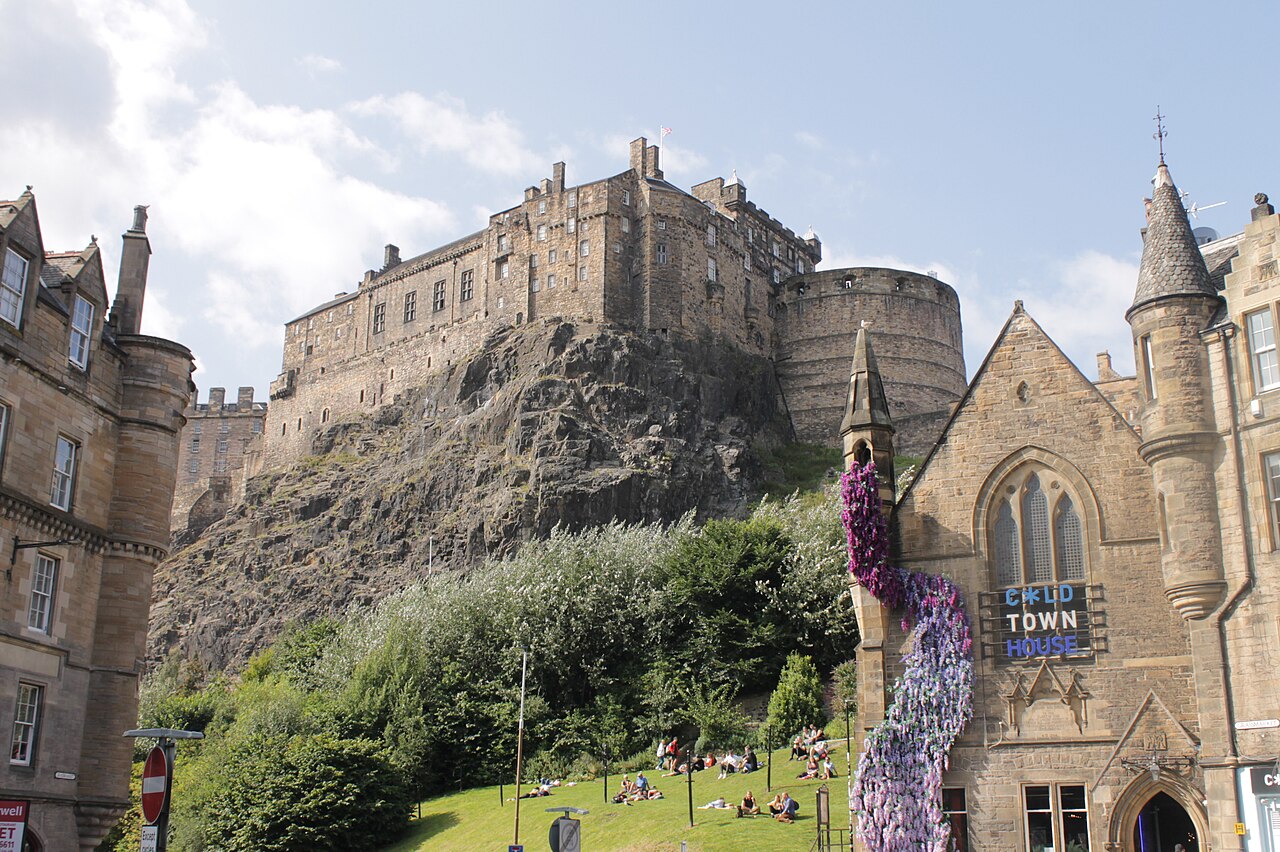
Edinburgh New Town
Edinburgh New Town represents a significant urban development born out of the Scottish Enlightenment in the 18th century. It was designed as a planned extension to the medieval Old Town of Edinburgh, providing a striking contrast with its orderly grid layout and broad streets compared to the Old Town's narrow, winding closes. The New Town's architecture is predominantly Georgian and neoclassical, reflecting the ideals of symmetry, proportion, and classical beauty that were highly valued during the Post-Renaissance period.
Urban planning and architectural design
The construction of Edinburgh New Town began in the mid-18th century, with the first phase starting around 1767. The layout was carefully planned to create a harmonious and elegant cityscape, featuring wide streets such as George Street, Queen Street, and Princess Street. These streets are lined with terraced townhouses, public squares, and gardens, all designed to accommodate the city's expanding wealthy and professional classes.
The architectural style is characterized by Georgian townhouses with uniform facades, sash windows, and classical details such as columns and pediments. The use of neoclassical elements is evident in the grand public buildings and townhouses, emphasizing order and rationality. The grid pattern was innovative for its time in Britain and set a precedent for urban design in other cities.
Notable buildings and cultural institutions
Among the most notable buildings in Edinburgh New Town is the Georgian House in Charlotte Square, which offers visitors insight into the lifestyle of Edinburgh's 18th-century elite. The house has been meticulously restored and furnished with period-appropriate decor, showcasing the domestic architecture and interior design of the era.
The Scottish National Portrait Gallery, located on Queen Street, is another prominent landmark. This building, recently refurbished, holds an extensive collection of portraits of Scotland's historical and cultural figures, connecting the New Town's architectural heritage with Scotland's broader cultural identity.
Commercial and social life
George Street serves as a vibrant commercial artery within the New Town, known for its upmarket shops, designer boutiques, and fashionable bars and restaurants. Nearby Dundas Street complements this with a more eclectic mix of galleries, antique shops, and independent stores, all housed within the elegant Georgian buildings that define the area.
The New Town's design and amenities reflect the social aspirations of Edinburgh's upper classes during the 18th and 19th centuries, making it a living example of urban development tied to social history.
Heritage status and preservation
Edinburgh New Town, together with the Old Town, was inscribed as a UNESCO World Heritage Site in 1995, recognizing its outstanding universal value. The designation helps protect the area's architectural integrity and promotes ongoing conservation efforts.
Today, the New Town remains well preserved, offering visitors an authentic experience of Georgian urban planning and architecture. Its streetscapes and buildings continue to be maintained with care, balancing historical preservation with modern urban life.
Frequently asked questions (FAQ)
- How do I get to Edinburgh New Town?
- Edinburgh New Town is easily accessible by public transport, including buses and trams that connect to various parts of the city. If you're traveling from the city center, it's just a short walk to the area, which is well-signposted. For those driving, there are several parking options available, but be aware of potential congestion charges.
- What is the historical significance of Edinburgh New Town?
- Edinburgh New Town was constructed in the late 18th and early 19th centuries as an expansion of the old city, designed to alleviate overcrowding. It showcases neoclassical architecture and is recognized as a UNESCO World Heritage Site due to its historical and architectural importance. The area reflects the ideals of the Enlightenment, aiming for aesthetic beauty and urban planning.
- When was Edinburgh New Town built?
- Construction of Edinburgh New Town began in 1767 and continued through the 1850s. The initial phase was designed by architects like James Craig, who laid out the grid pattern that still defines the area today. Over the decades, it evolved with additional buildings and enhancements, solidifying its status as a premier example of Georgian architecture.
- Can I visit Edinburgh New Town year-round?
- Yes, Edinburgh New Town is open for visitors year-round, allowing you to explore its beautiful streets, parks, and architectural wonders at any time. However, certain events and festivals may cause some areas to be busier during specific times of the year. It's advisable to check local event calendars to plan your visit accordingly.
- Why is Edinburgh New Town considered a masterclass in architecture?
- Edinburgh New Town is renowned for its cohesive neoclassical and Georgian architecture, characterized by elegant facades and meticulous urban planning. The area features iconic buildings such as St. Andrew's Square and Charlotte Square, designed by prominent architects. This architectural harmony reflects the cultural aspirations of its time and continues to attract architecture enthusiasts.
- Is it possible to take guided tours of Edinburgh New Town?
- Yes, guided tours of Edinburgh New Town are available and highly recommended for a deeper understanding of its history and architecture. Many local companies offer walking tours that highlight key landmarks and share fascinating stories about the area. These tours can enhance your visit by providing context and insights into the significance of the New Town.
- What are the opening hours for attractions in Edinburgh New Town?
- Most attractions in Edinburgh New Town have varying opening hours, generally operating from 10 AM to 5 PM. Some may extend their hours during peak tourist seasons or for special events. It's best to check individual attraction websites for the most accurate and up-to-date information before your visit.
- What are the ticket prices for attractions in Edinburgh New Town?
- Ticket prices for attractions in Edinburgh New Town vary depending on the site and the type of experience offered. Many outdoor spaces and parks are free to explore, while some museums and galleries may charge an entry fee ranging from £5 to £15. Discounts are often available for students, seniors, and families, so be sure to inquire.
- What nearby attractions should I visit while in Edinburgh New Town?
- While in Edinburgh New Town, you can visit the Scottish National Gallery, which is home to a vast collection of fine art. Additionally, the Botanic Gardens and the historic Dean Village are just a short walk away and offer stunning scenery and a peaceful atmosphere. These nearby attractions complement the charm of the New Town and provide a rich cultural experience.
Information
Loading map...
Visitor reviews
No reviews yet. Been here? Write the first review and help other travelers!
Write the first reviewVisited this castle? Share your experience
Your review helps other travelers and adds first-hand knowledge to our encyclopedia.