East Vyborg Fortress is a significant example of a 19th-century bastioned fortress located in the Russian Federation. This fortress represents the evolution of military architecture during the Modern period, characterized by the use of bastion fortifications designed to withstand artillery attacks and improve defensive capabilities.
Historical context and strategic importance
The fortress was constructed in the 19th century as part of the broader efforts to strengthen the defenses of the Vyborg region, which has historically been a contested area due to its proximity to the Baltic Sea and key trade routes. The location of East Vyborg Fortress was chosen for its strategic value in controlling access and providing a robust defensive position against potential invaders.
During this period, fortifications across Europe were transitioning from medieval designs to more modern, artillery-resistant structures. The East Vyborg Fortress exemplifies this shift with its bastioned design, which allowed defenders to cover all approaches with overlapping fields of fire, minimizing blind spots.
Architectural features and design
The fortress is classified as a bastioned fortress, a style that emerged in response to the increasing use of gunpowder and cannons in warfare. Its design incorporates angled bastions projecting outward from the main walls, enabling defenders to fire along the fortress's curtain walls and repel attackers effectively.
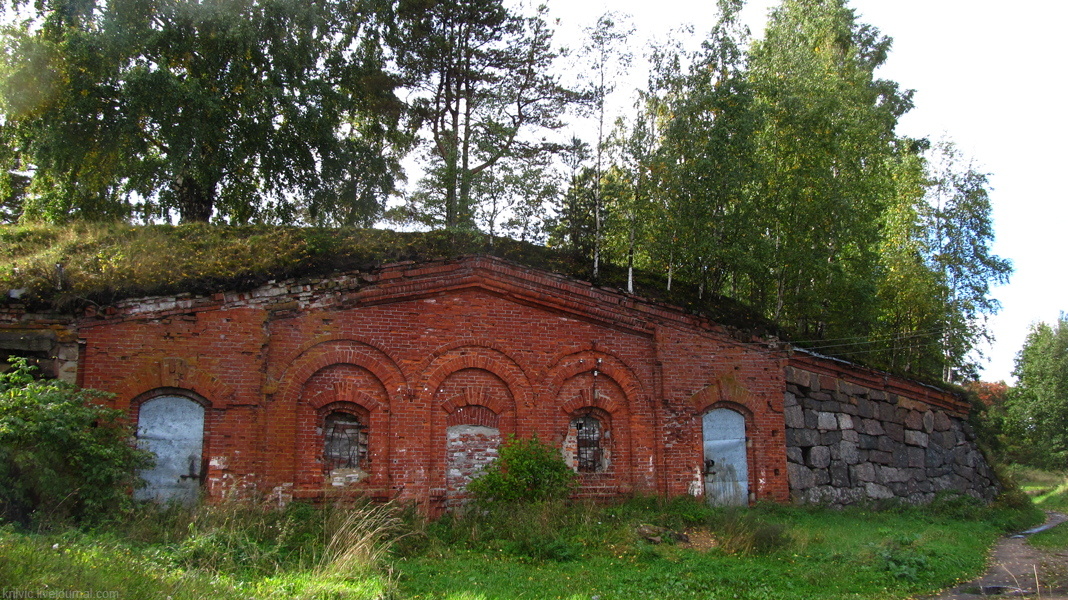
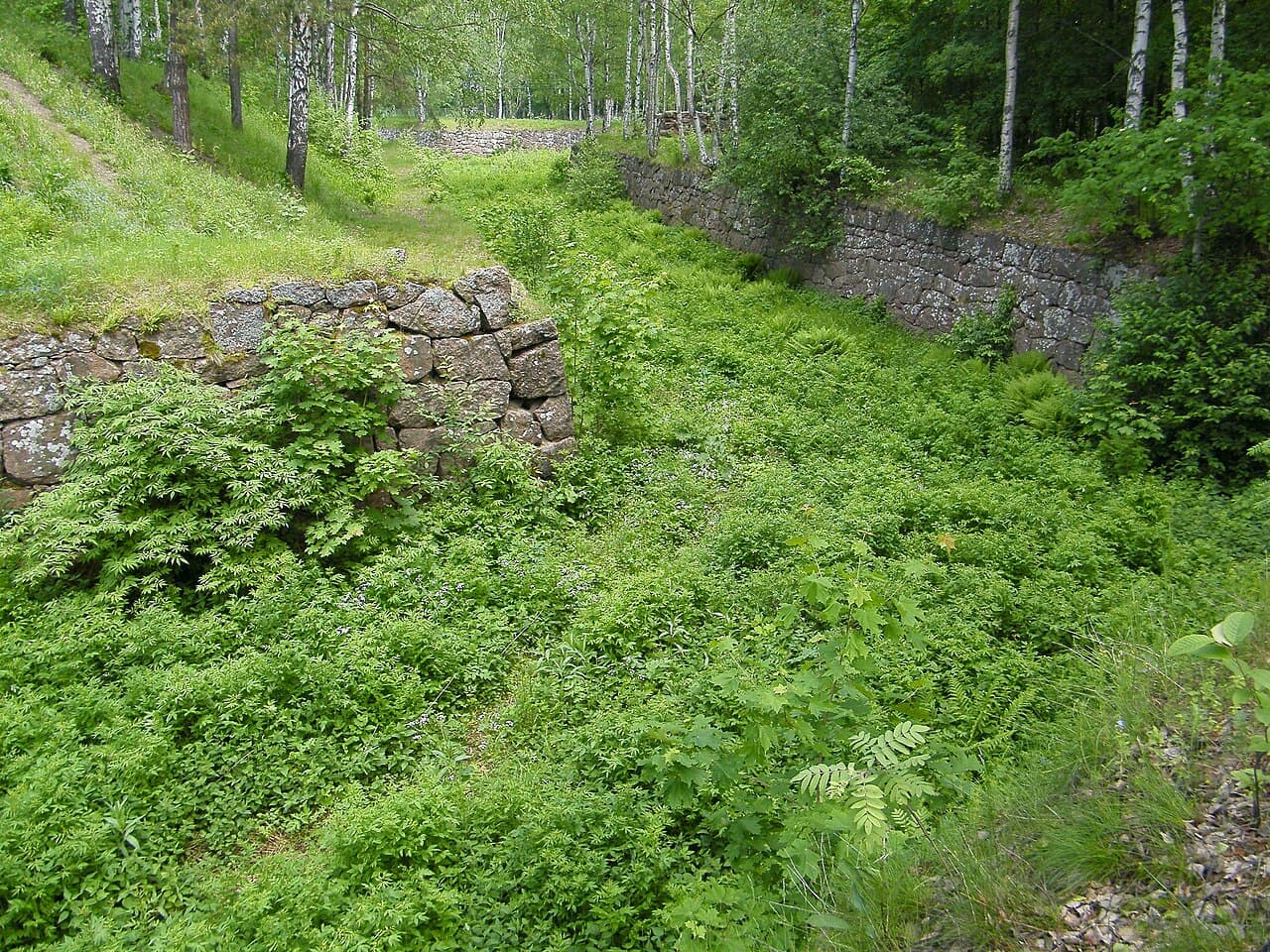
The walls of East Vyborg Fortress are constructed with thick masonry and earthworks, absorbing and deflecting artillery fire. The layout typically includes ravelins, curtain walls, moats, and casemates—covered gun emplacements within the walls. These features work together to create a layered defense system.
Inside the fortress, there would have been barracks, armories, and command posts, although specific details about the internal structures of East Vyborg Fortress are less documented. The fortress's design reflects the principles of military engineering of its time, emphasizing both defense and the ability to sustain a garrison during prolonged sieges.
Role in regional defense and military history
East Vyborg Fortress played a role in the defense strategy of the Russian Empire and later during periods of conflict in the region. Its presence helped secure the eastern approaches to Vyborg, a city with a long history of military significance due to its location near the Finnish border and the Baltic Sea.
While not as famous as some other fortresses in the area, East Vyborg Fortress contributed to the network of fortifications that protected the region from various military threats throughout the 19th and early 20th centuries.
Current condition and preservation
The fortress's current condition is not extensively documented, but like many fortifications of its era, it may be partially preserved or in a state of ruin due to the passage of time and changing military needs. Efforts to preserve such historical military architecture vary by location and funding.
Visitors interested in military history and fortress architecture may find the site of East Vyborg Fortress of interest, particularly as an example of Modern period bastioned fortifications in Russia.
Frequently asked questions (FAQ)
- How do I get to East Vyborg Fortress?
- East Vyborg Fortress is accessible by public transport and car from Vyborg city center. The fortress is located on an island in the Vyborg Bay, and visitors can reach it via a short walk from the nearest parking area.
- What is the historical significance of East Vyborg Fortress?
- East Vyborg Fortress, originally constructed in the 13th century, played a crucial role in the defense of the region against various invasions. It reflects a blend of different architectural styles influenced by Swedish, Russian, and Finnish history.
- When was East Vyborg Fortress built?
- Construction of East Vyborg Fortress began in 1293 and continued over several centuries. The fortress has undergone numerous renovations and expansions, particularly during the 16th and 17th centuries.
- Can I visit East Vyborg Fortress year-round?
- Yes, East Vyborg Fortress is open to visitors year-round, though some areas may have restricted access during winter months due to weather conditions. It's best to check local weather and any seasonal events before planning your visit.
- Why is East Vyborg Fortress a popular tourist attraction?
- East Vyborg Fortress attracts visitors due to its rich history, stunning architecture, and picturesque views of the surrounding bay. The fortress also hosts cultural events and exhibitions, making it a dynamic site for both history buffs and casual tourists.
- Is it possible to take guided tours of East Vyborg Fortress?
- Yes, guided tours of East Vyborg Fortress are available and highly recommended for a deeper understanding of its history and architecture. Tours typically cover key features of the fortress and provide insight into its role in regional conflicts.
- What are the opening hours of East Vyborg Fortress?
- The fortress is generally open to visitors from 10 AM to 6 PM, but hours may vary depending on the season or special events. Be sure to check the official website or local sources for the most current information before your visit.
- What are the ticket prices for East Vyborg Fortress?
- Ticket prices for East Vyborg Fortress are quite reasonable, typically ranging from 200 to 500 rubles depending on age and type of tour. Discounts are often available for students and seniors, so it's advisable to bring identification.
- What are some nearby attractions to visit along with East Vyborg Fortress?
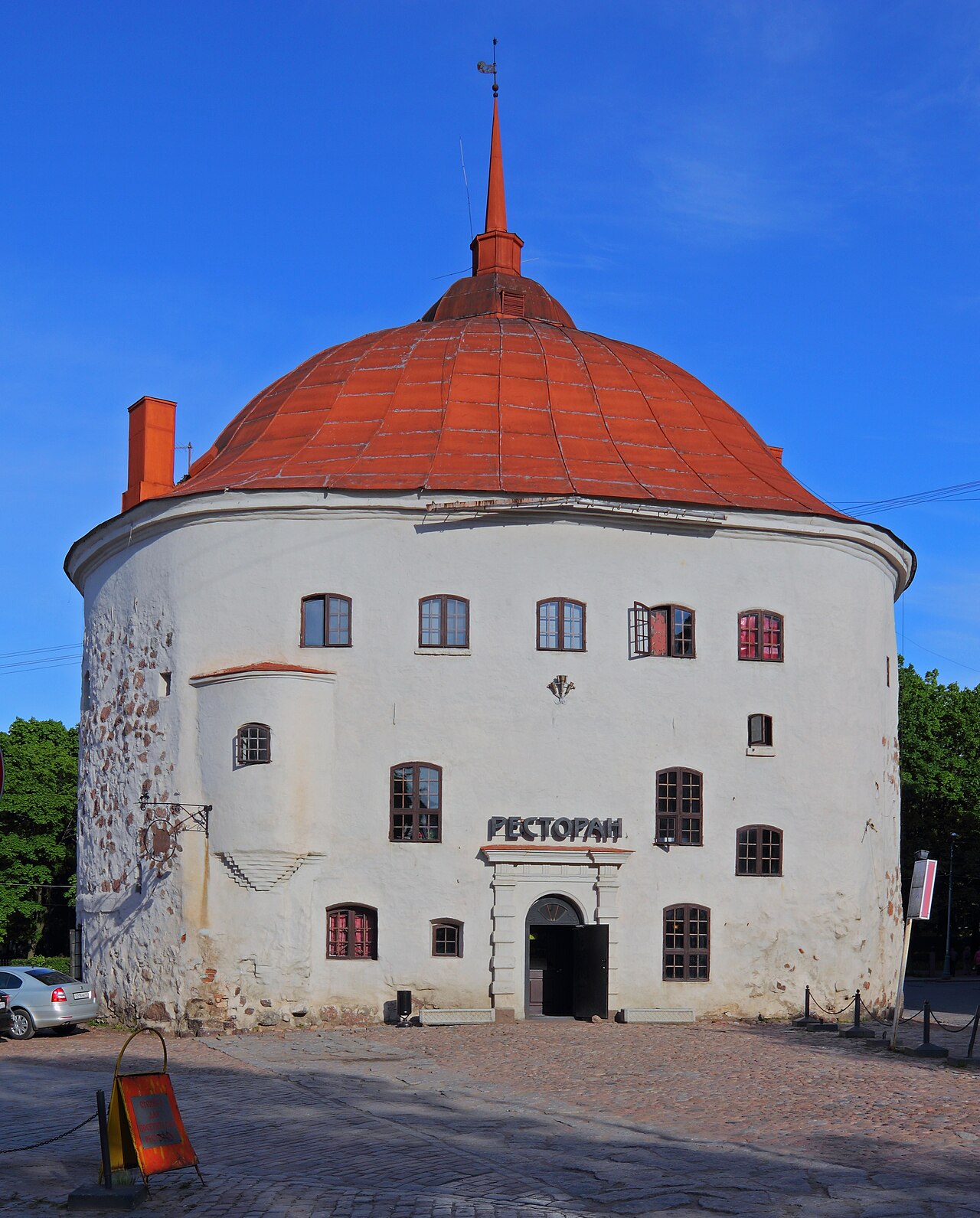
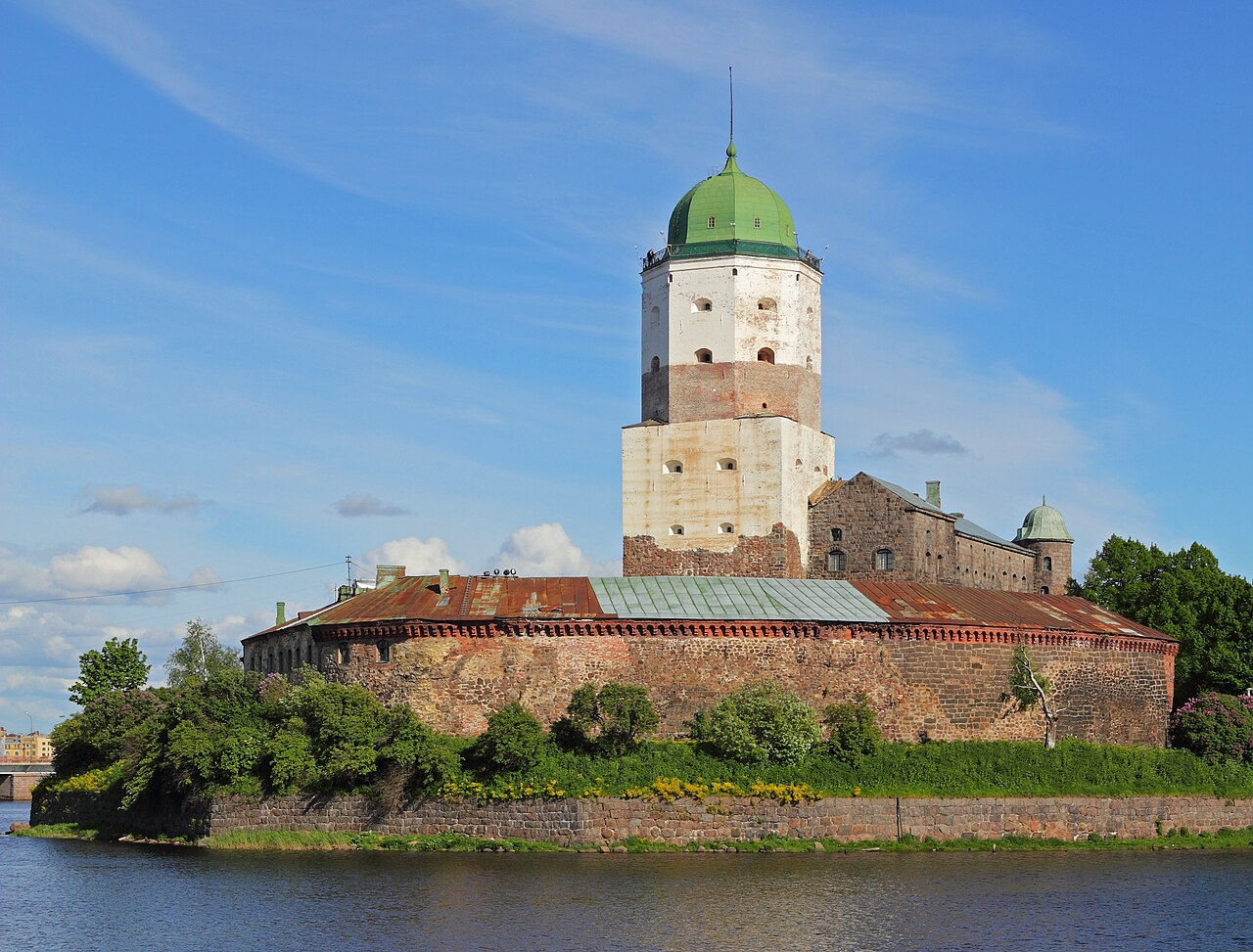
- In addition to the fortress, visitors can explore the charming Vyborg Old Town, with its medieval buildings and vibrant cultural scene. The Vyborg Castle and the Round Tower are also within walking distance, providing a fuller experience of the area's historical significance.
Photo gallery

Information
Loading map...
Visitor reviews
No reviews yet. Been here? Write the first review and help other travelers!
Write the first reviewVisited this castle? Share your experience
Your review helps other travelers and adds first-hand knowledge to our encyclopedia.