White Fortress
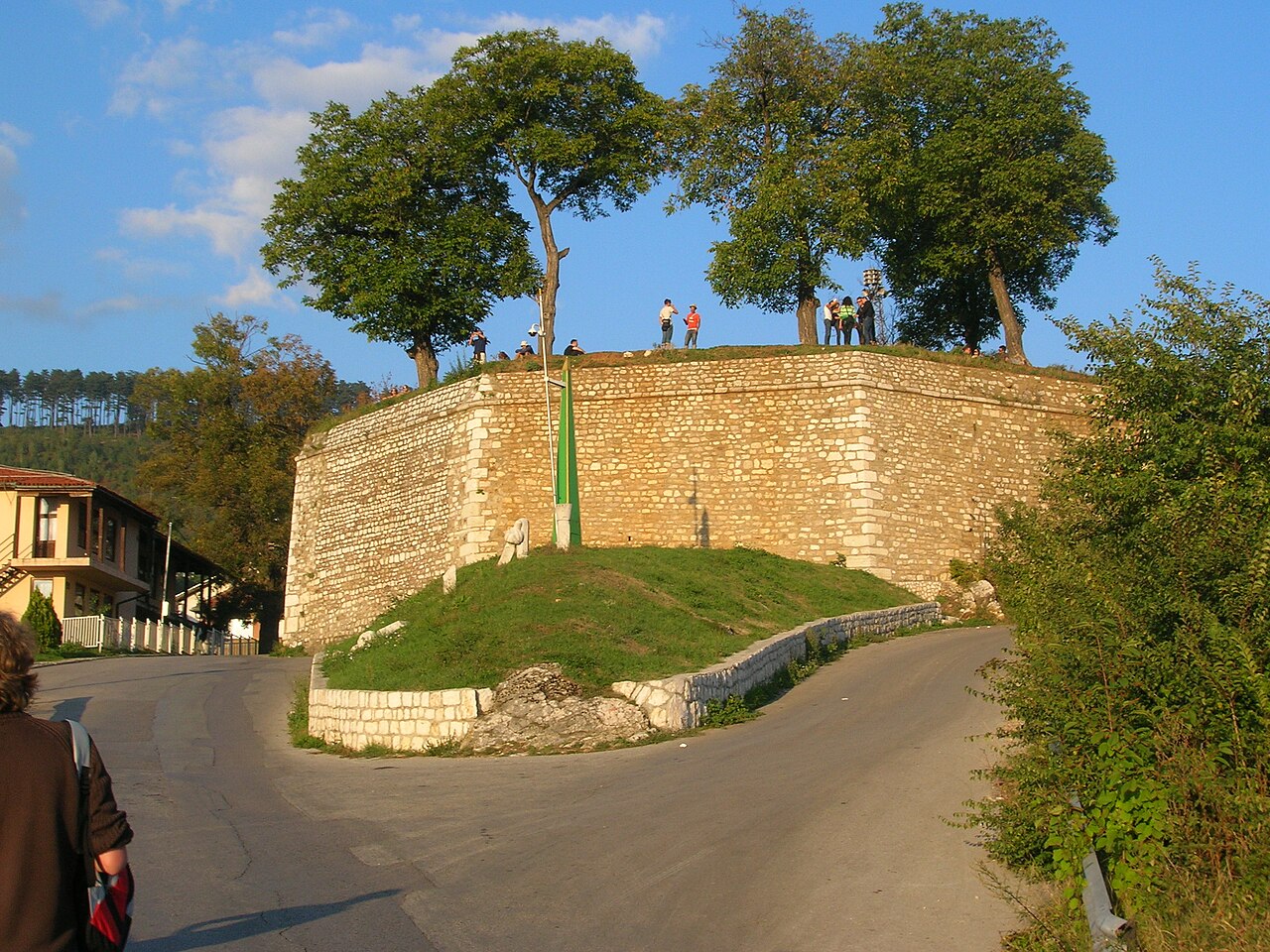
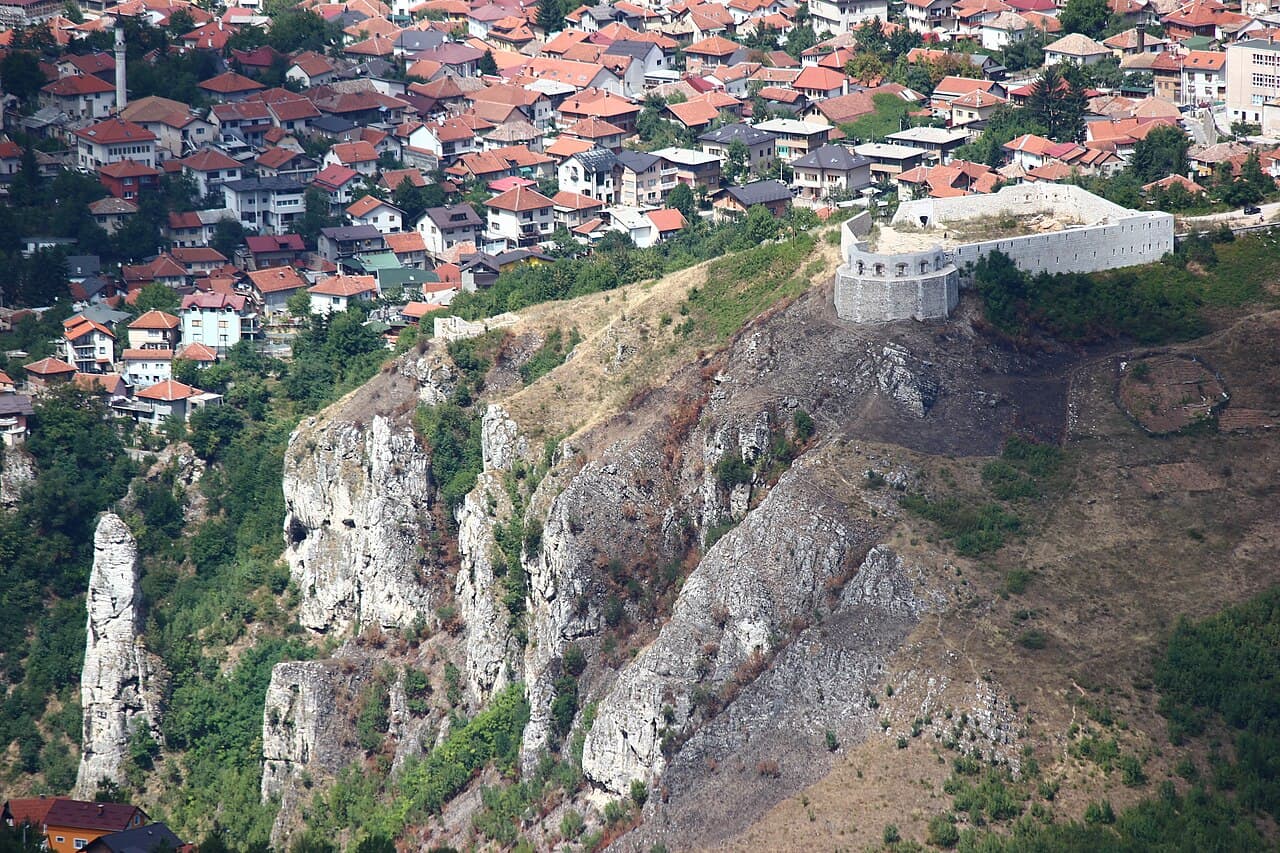
White Fortress (Bijela Tabija) stands as a significant historical fortification overlooking the historic core of Sarajevo, the capital of Bosnia and Herzegovina. This Renaissance-era bastioned fortress is situated at an elevation of 667 metres (2,188 ft) above sea level, commanding a strategic view over the Sarajevo valley and the natural eastern entrance to the city. Its imposing stone walls and cannon openings reflect its role as a military stronghold designed to defend the city against external threats.
Historical background and origins
The precise origins of Bijela Tabija are subject to historical debate, with evidence suggesting a layered past. One prevailing theory, based on travel writer Katarino Zeno's accounts, dates the fortress's construction to around 1550. This timeline aligns with the fortress's Renaissance architectural characteristics, particularly its bastioned design optimized for artillery defense.
However, archaeological and historical research indicates that a fortification existed on this site during the late medieval period, likely the late 14th or early 15th century. This earlier structure was a smaller fortress with a rectangular base, featuring four square towers at each corner and a fifth tower above the entrance gate. Such a configuration was typical of medieval defensive architecture, designed to protect the medieval settlement of Tornik, which occupied the area that would eventually become Sarajevo.
The location of Bijela Tabija, overlooking the entire Sarajevo valley, was ideal for a medieval fortress tasked with guarding the settlement and controlling access through the natural eastern gateway. This strategic positioning underscores the site's longstanding military significance, predating the Renaissance fortress that stands today.
Architectural features and military function
Bijela Tabija exemplifies the bastioned fortress type, a style developed in response to the increasing use of gunpowder artillery in warfare during the Renaissance. The fortress is constructed predominantly of stone, with thick walls designed to withstand cannon fire. The walls incorporate numerous openings specifically intended for mounting cannons, reflecting its primary function as an artillery fortification.
The fortress was historically staffed by a gun-crew and included ammunition storage facilities within its walls. Its design allowed defenders to cover the eastern approaches to Sarajevo effectively, making it a critical component of the city's defensive network, particularly as part of the larger Vratnik City walls.
Structural layout
The fortress projects outward from the main city walls, forming a prominent defensive bulwark. While the original medieval fortress had a rectangular plan with multiple towers, the Renaissance-era structure was adapted to the requirements of artillery warfare, incorporating bastions and reinforced walls to better absorb and deflect cannon shots.
Damage, preservation, and restoration efforts
Prior to the Bosnian War of the 1990s, the White Fortress suffered from neglect and poor maintenance, leading to significant deterioration. The site was further endangered by the illegal removal of construction materials such as stone and unauthorized housing developments in the surrounding area, which compromised the integrity of the fortress's ramparts and adjacent zones.
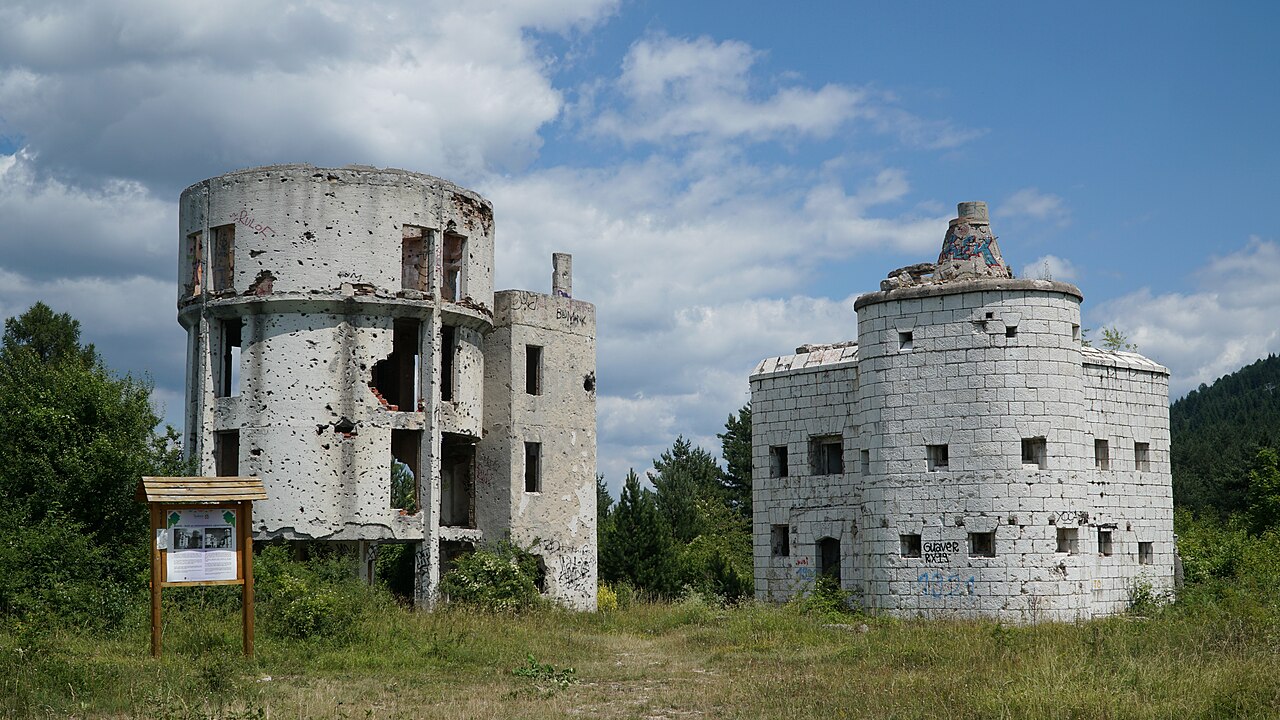
During the war, Bijela Tabija was subjected to direct shelling by heavy weaponry, exacerbating its damaged state. Despite these challenges, the fortress remains a protected national monument of Bosnia and Herzegovina, recognized for its cultural and historical value.
Current plans involve comprehensive structural repairs, preservation, and restoration aimed at revitalizing Bijela Tabija. The objective is to transform the fortress into a vibrant cultural venue, incorporating exhibition halls, shops, inns, and other tourist-related businesses. This initiative seeks to integrate the fortress into Sarajevo's contemporary art scene and enhance its appeal as a major tourist attraction.
Significance and cultural heritage
As a landmark overlooking Sarajevo, Bijela Tabija symbolizes the city's layered history, from its medieval origins through its Renaissance military adaptations. The fortress's enduring presence reflects the evolving defensive strategies employed over centuries and the importance of Sarajevo as a regional center.
Its designation as a national monument underscores its importance not only as a military structure but also as a cultural and historical emblem. The fortress offers visitors a tangible connection to Sarajevo's past, with panoramic views that highlight the city's geographic and strategic context.
Visitor experience
Today, visitors to Bijela Tabija can explore its robust stone walls and cannon embrasures while enjoying expansive views of Sarajevo and the surrounding valley. The ongoing restoration projects aim to enhance visitor facilities and cultural programming, making the fortress a dynamic site for education and tourism.
Frequently asked questions (FAQ)
- When was the White Fortress built?
- The White Fortress was likely built around 1550, during the Renaissance period, although it stands on the site of an earlier medieval fortification from the late 14th or early 15th century.
- What type of fortress is Bijela Tabija?
- Bijela Tabija is a bastioned fortress designed to accommodate artillery, featuring thick stone walls with cannon openings to defend Sarajevo's eastern entrance.
- Is the White Fortress open to visitors?
- Yes, the White Fortress is accessible to visitors. Restoration efforts are ongoing to improve facilities, and it is planned to become a cultural and tourist destination with exhibition spaces and shops.
- What damage did the fortress sustain during the Bosnian War?
- During the 1990s Bosnian War, the White Fortress was exposed to heavy shelling, which caused significant damage in addition to previous deterioration from neglect and illegal activities.
- Why is the White Fortress historically significant?
- The fortress represents Sarajevo's military history from the medieval period through the Renaissance, highlighting the evolution of defensive architecture and the city's strategic importance.
Photo gallery

Information
Current owner
State museum
Loading map...
Visitor reviews
No reviews yet. Been here? Write the first review and help other travelers!
Write the first reviewVisited this castle? Share your experience
Your review helps other travelers and adds first-hand knowledge to our encyclopedia.