Dubingiai Castle Ruins
Dubingiai Castle, located in the municipality of Dubingiai, Lithuania, is a historically significant Renaissance hill castle that played a pivotal role in the region's medieval and early modern history. Originally constructed in the early 15th century by Vytautas the Great, Grand Duke of Lithuania, the castle was strategically positioned on an island in Lake Asveja, now a peninsula, to protect the capital Vilnius from potential attacks by the Livonian Order. This location, known as Pilies Kalnas or Castle Hill, is one of the largest castle mounds in Lithuania, covering an area approximately 500 meters long and between 100 to 220 meters wide.
The earliest castle, built between 1412 and 1413, was primarily a wooden fortress with a Catholic church within its courtyard, reflecting both military and religious functions. Unfortunately, no detailed architectural records of this original structure survive. Ownership of the castle later passed to the influential Radziwiłł family prior to 1508, who transformed the site significantly, erecting a new palace in the Renaissance style during the first half of the 16th century. This palace was among the most luxurious residences in the Duchy of Lithuania, rivaling even the Royal Palace in grandeur.
Historical significance and ownership
The castle served as the main seat of the Biržai-Dubingiai line of the Radziwiłł family until the late 17th century. The Radziwiłłs were prominent nobles who influenced the political, religious, and cultural landscape of Lithuania and the Polish-Lithuanian Commonwealth. A notable historical episode includes the residence of Barbara Radziwiłł, wife of King Sigismund Augustus, who stayed at Dubingiai Castle for about five months after their marriage in 1547.
During the Reformation, Dubingiai became an important center for the Evangelical Reformed Church in Lithuania, especially after the castle's Catholic church transitioned to serve the Calvinist community around 1565. In 1620, Janusz Radziwiłł constructed a new masonry Calvinist Church of the Holy Spirit in the Renaissance style near the castle, which also functioned as the Radziwiłł family mausoleum. Several family members, including Mikołaj "the Black" Radziwiłł and Janusz Radziwiłł, were interred there, underscoring the site's religious and familial importance.
Architectural features and construction
The Renaissance palace built by the Radziwiłłs was a multi-story masonry structure with substantial walls and a tall tower, exhibiting architectural similarities to other Radziwiłł estates such as those in Nesvizh, Vilnius, and Kėdainiai. Excavations have revealed the palace’s foundations and cellars, providing insights into the scale and layout of the residence. The castle complex originally combined defensive earthworks, including ramparts on the southern and southwestern slopes, with residential and religious buildings, creating a fortified noble estate.
The 1620 Calvinist church was designed in the Renaissance style and included a burial crypt with a box-shaped sarcophagus that contained the remains of eight individuals arranged anatomically, a testament to the respectful burial customs of the Radziwiłł family. The church was destroyed by fire in 1735, but its foundations and crypt remain important archaeological sites.
Decline and archaeological research
The castle suffered damage and looting during the Polish-Swedish wars in the 17th century, including confiscation from Bogusław Radziwiłł. Although it was returned to the family later, the castle gradually fell into neglect and ruin by the mid-18th century. The property was sold in 1808 to Michał Tyszkiewicz, marking the end of Radziwiłł ownership.
Modern archaeological investigations began in 1939 and have continued intermittently, with significant excavations conducted by Vilnius University between 2003 and 2011. These efforts uncovered the remains of the castle’s palace, the Calvinist church, burial crypts, and numerous artifacts such as black polished marble fragments, floor and roof tiles, nails, a 1661 copper shilling, and a ring. These finds contribute to understanding the castle's material culture and the lifestyle of its noble inhabitants.
In 2009, the remains of prominent Radziwiłł family members, including Mikołaj "the Black" Radziwiłł and Barbara Radziwiłł, were ceremoniously reburied at Dubingiai, reaffirming the castle’s cultural and historical significance in Lithuania.
Current state and preservation
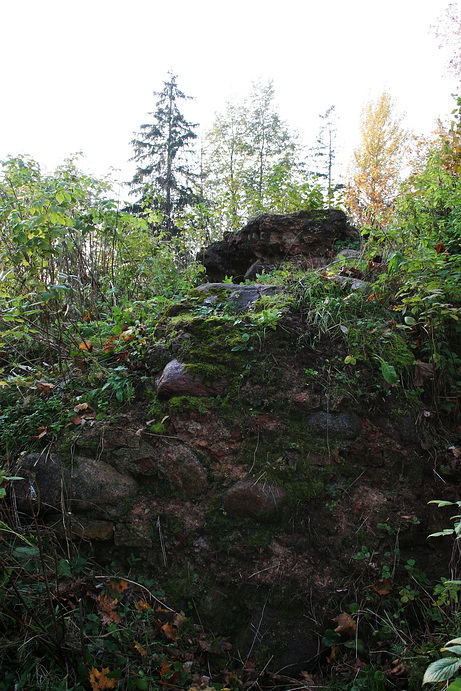
Today, Dubingiai Castle remains largely as ruins, with only foundations and several cellars preserved. The site is a key archaeological and cultural heritage location, offering valuable insights into the Renaissance architecture and noble life in Lithuania during the 15th to 17th centuries. Efforts to research and preserve the ruins continue, allowing visitors and scholars to explore this emblematic symbol of Lithuanian history.
The castle's location on what was once an island and is now a peninsula in Lake Asveja adds to its picturesque and strategic character, making it a notable destination for those interested in medieval and Renaissance fortifications, noble residences, and the history of the Radziwiłł family.
Frequently asked questions (FAQ)
- What is the historical significance of Dubingiai Castle Ruins?
- Dubingiai Castle Ruins are remnants of a 15th-century fortress that played an important role in the defense of the Grand Duchy of Lithuania. The castle was strategically located near trade routes and has been a witness to various historical events, including conflicts and political changes in the region.
- When was Dubingiai Castle originally built?
- Dubingiai Castle was originally constructed in the late 15th century, around the year 1490. It served as a stronghold for the local nobility and underwent several modifications over the years until it fell into disrepair.
- Can I visit the Dubingiai Castle Ruins?
- Yes, visitors are welcome to explore the Dubingiai Castle Ruins. The site is accessible to the public, allowing guests to wander through the remnants and enjoy the scenic views of the surrounding landscape.
- What are the opening hours for Dubingiai Castle Ruins?
- The Dubingiai Castle Ruins are generally open to visitors year-round, but specific opening hours may vary by season. It is recommended to check local resources or contact the tourism office for the most accurate information before your visit.
- Is there an entrance fee to visit the castle ruins?
- There is no entrance fee to visit the Dubingiai Castle Ruins, making it an accessible destination for all visitors. However, donations to help maintain the site are appreciated and can contribute to its preservation.
- What is the best time to visit Dubingiai Castle Ruins?
- The best time to visit Dubingiai Castle Ruins is during the late spring and early autumn months when the weather is mild and the surrounding nature is in full bloom. Visiting during these seasons allows for a more enjoyable experience while exploring the grounds.
- Are there any nearby attractions to explore while visiting Dubingiai?
- Yes, nearby attractions include the picturesque Lake Dubingiai, which offers opportunities for hiking, fishing, and boating. Additionally, the charming town of Dubingiai itself has historical sites and local eateries that provide a glimpse into Lithuanian culture.
- Is it possible to access the castle ruins with mobility aids?
- Access to Dubingiai Castle Ruins may be challenging for visitors with mobility aids due to uneven terrain and limited pathways. It is advisable to prepare accordingly and consider visiting with assistance or checking in advance for any available accommodations.
Photo gallery

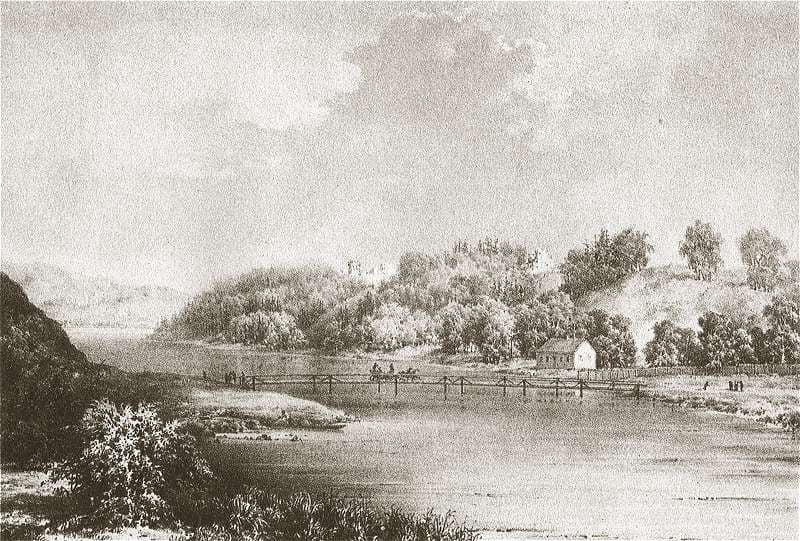
Photo by Napoleon Orda•Public domain
Information
Website
Visit websiteSources & official resources
Verify the information above using these authoritative references.
Loading map...
Visitor reviews
No reviews yet. Been here? Write the first review and help other travelers!
Write the first reviewVisited this castle? Share your experience
Your review helps other travelers and adds first-hand knowledge to our encyclopedia.