Duare Castle
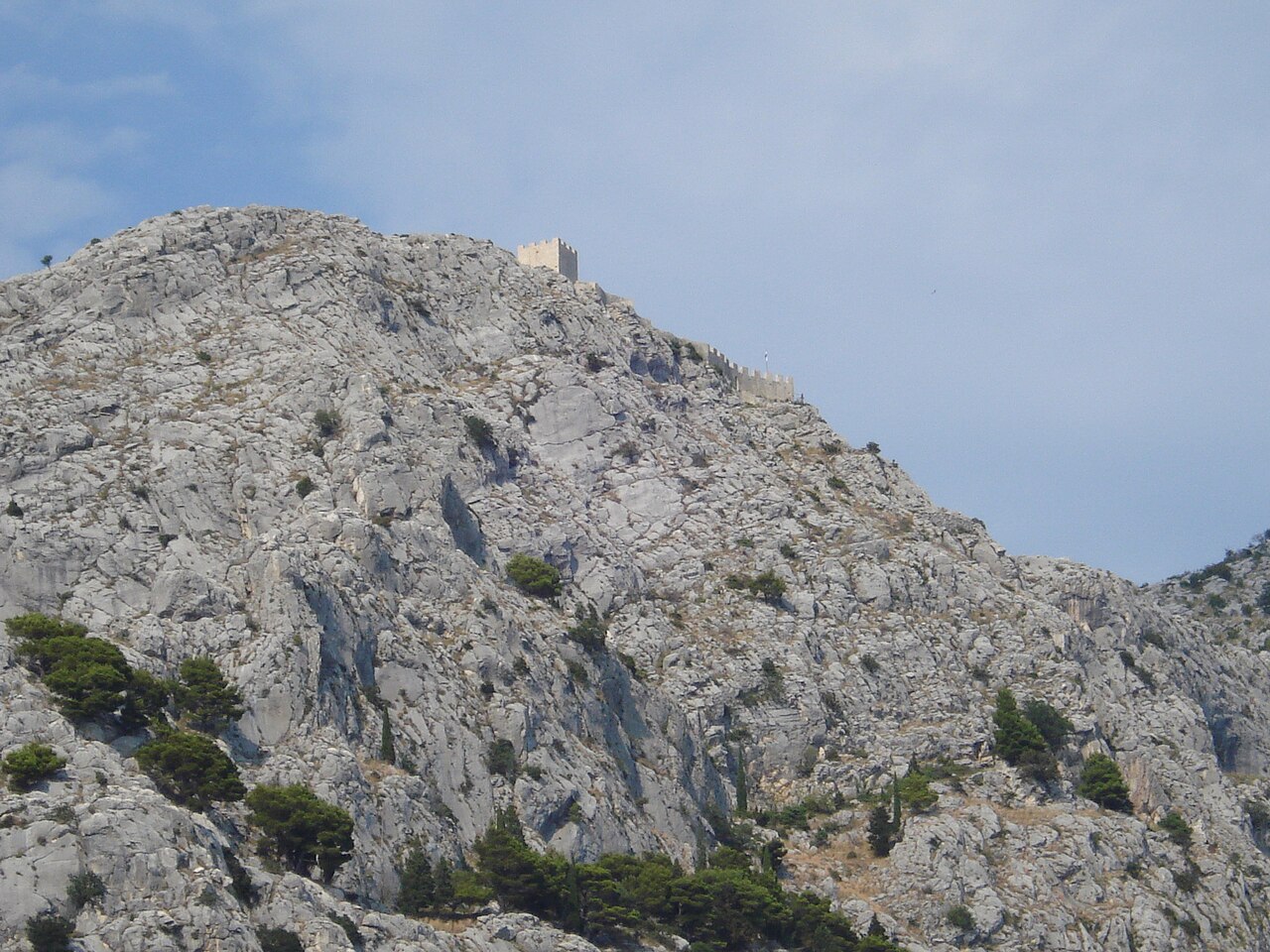
Duare Castle, also known locally as Utvrda Duare, is a significant late medieval fortress situated above the village of Zadvarje in the Split-Dalmatia County of Croatia. Its strategic position on a ridge overlooking the surrounding landscape highlights its military importance during the turbulent centuries of the 15th to 18th centuries.
The historical context and origins of Duare Castle
The village of Zadvarje was first mentioned in historical records in 1408 and was part of the medieval county of Radobilja. This region found itself at the crossroads of competing powers during the late medieval period. Following the fall of the Bosnian kingdom in 1463 to the expanding Ottoman Empire, Radobilja sought protection under the Republic of Venice. This shift in allegiance marked the beginning of Duare Castle's role as a key defensive outpost for Venetian possessions along the Dalmatian coast.
The castle itself was likely constructed under Venetian auspices, with the first documented mention appearing in 1482. Its initial purpose was to secure Venetian interests in the region against Ottoman incursions and to control the vital routes through the rugged terrain.
Architectural features and strategic design
Duare Castle is notable for its triangular plan, a design that maximizes defensive capabilities by reducing blind spots and allowing for efficient use of the natural ridge on which it stands. The castle's walls, though now partially ruined, would have been formidable in their time, constructed to withstand artillery and infantry assaults.
The castle's position on a ridge provided commanding views of the surrounding area, enabling early detection of approaching forces. This topographical advantage was critical during the frequent conflicts between the Ottomans and Venetians.
Additional fortifications by the Ottomans
After the Second Ottoman-Venetian War concluded in 1502 with the transfer of Duare Castle to Ottoman control, the fortress underwent significant strengthening. During the latter half of the 16th century, the Ottomans enhanced the castle's defenses and constructed additional towers to secure the surrounding mountains.
Two prominent towers, named Avala and Poletnica, were built on the eastern mountains, while two smaller towers were erected to the west. These outposts extended the defensive perimeter and served as early warning stations against Venetian counterattacks.
Military conflicts and changes in control
The 17th century was marked by renewed hostilities between the Ottoman Empire and the Republic of Venice, with Duare Castle frequently changing hands. The castle's strategic importance made it a focal point in the ongoing struggle for control over Dalmatia.
During one particularly violent siege, an explosion in the castle's gunpowder and weapons cache caused extensive damage, demolishing much of the north wall. Despite such setbacks, the castle remained a contested military asset until the Ottomans were finally expelled in 1684. The following year, Ottoman forces attempted unsuccessfully to retake the fortress.
Decline and current state
As the Ottoman Empire's influence waned in the region during the early 18th century, Duare Castle gradually lost its military significance. Nevertheless, it maintained a garrison until the early 19th century before being abandoned.
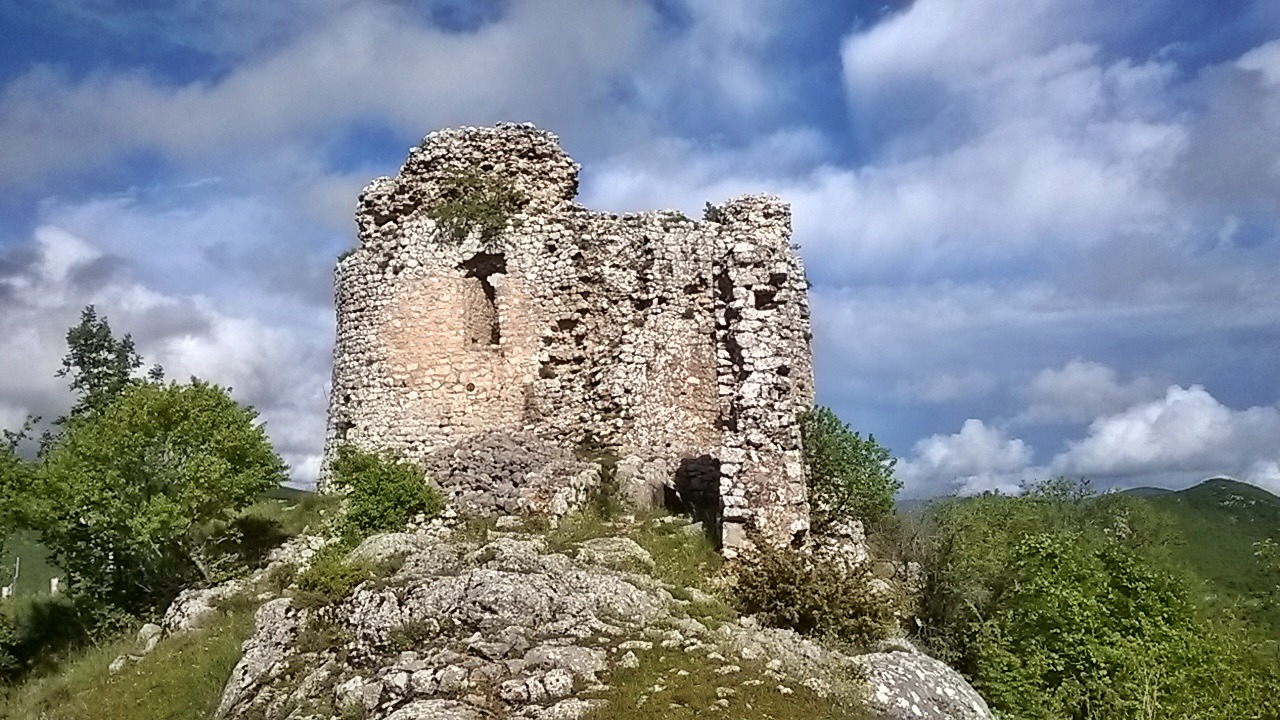
Today, the castle stands as a partially preserved ruin accessible to visitors. While the main fortress remains visible, no clear traces of the Ottoman-era towers mentioned in historical accounts are apparent on site. The castle can be reached by a short walk from the nearest road, offering visitors a glimpse into its storied past and commanding views of the Dalmatian landscape.
Visiting Duare Castle
The site is open to the public without restrictions, making it an attractive destination for those interested in medieval military architecture and Croatian history. Visitors should be prepared for a brief hike to reach the castle ruins, which provide a tangible connection to the region's complex history of Venetian and Ottoman conflict.
While the castle lacks extensive modern facilities, its authentic ruinous state offers a raw and evocative experience of a fortress that once played a pivotal role in the defense of Dalmatia.
Frequently asked questions (FAQ)
- How do I get to Duare Castle?
- Duare Castle is located in Zadvarje, Croatia, and can be easily accessed by car or public transport. If you are driving, the castle is situated approximately 30 kilometers from the city of Split, with clear road signs guiding you along the way.
- What is the historical significance of Duare Castle?
- Duare Castle dates back to the 15th century and played a crucial role in the defense of the region against invaders. Its strategic location and robust architecture reflect the tumultuous history of Croatia during the medieval period.
- When was Duare Castle built?
- Duare Castle was constructed in the early 15th century, around 1440, as a fortification to protect the local population. The castle has since undergone various renovations, preserving its historical essence while adapting to modern needs.
- Can I visit Duare Castle year-round?
- Yes, Duare Castle is open for visitors throughout the year, although it is advisable to check specific opening hours before your visit. The castle offers guided tours that provide insights into its rich history and architectural features.
- Why is Duare Castle a popular tourist attraction?
- Duare Castle is popular due to its stunning architecture, picturesque setting, and rich history. Visitors are captivated by its medieval charm and the breathtaking views of the surrounding landscape.
- Is it possible to explore the castle on my own?
- Yes, visitors can explore Duare Castle independently, although guided tours are available for those seeking a more in-depth understanding of its history. Self-guided exploration allows you to take your time and enjoy the castle's unique features at your own pace.
- What are the ticket prices for visiting Duare Castle?
- Ticket prices for Duare Castle are generally affordable, with discounts available for students and groups. It’s recommended to check the official website for the latest pricing information and any special promotions.
- What are the opening hours of Duare Castle?
- Duare Castle typically opens daily from 9 AM to 5 PM, but hours may vary depending on the season. It’s best to verify the current opening hours before planning your visit to ensure a smooth experience.
- What is the best time to visit Duare Castle?
- The best time to visit Duare Castle is during the spring and early autumn months when the weather is pleasant and crowds are smaller. Visiting during these times allows you to fully enjoy the castle and its stunning surroundings.
- Are there any nearby attractions to visit?
- Yes, there are several attractions near Duare Castle, including the beautiful Krka National Park and the historic town of Šibenik. Exploring these nearby sites can enhance your visit and provide a deeper appreciation of the region's cultural heritage.
Information
Loading map...
Visitor reviews
No reviews yet. Been here? Write the first review and help other travelers!
Write the first reviewVisited this castle? Share your experience
Your review helps other travelers and adds first-hand knowledge to our encyclopedia.