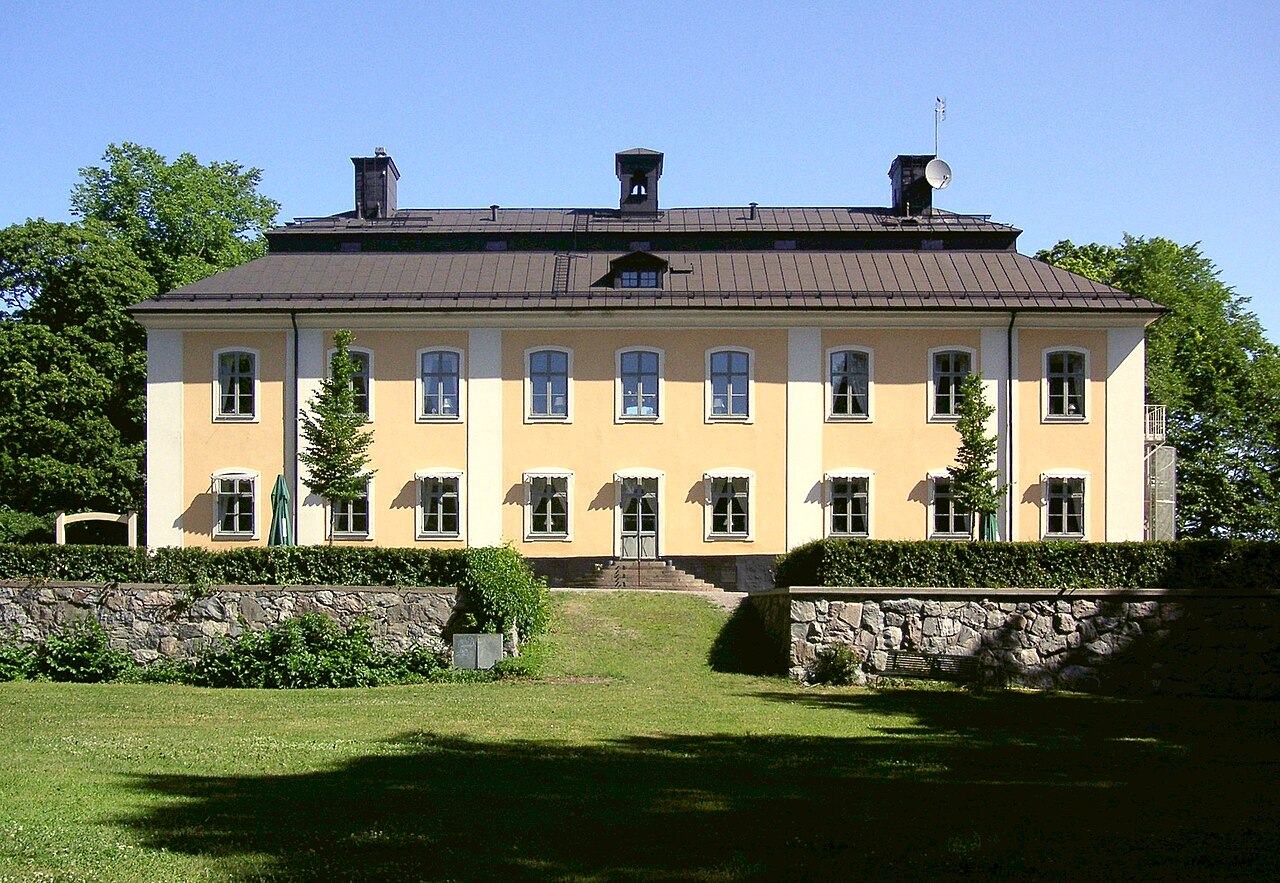
Drottningholm Castle - Stockholm
Drottningholm Castle, located on the island of Lovön in Lake Mälaren within Stockholm County, stands as one of Sweden's most significant royal residences and architectural treasures. Since 1981, it has served as the official residence of King Carl XVI Gustaf and Queen Silvia, symbolizing centuries of Swedish monarchy and cultural heritage. The castle's origins date back to the late 16th century, with its name first recorded in 1579 during the reign of King Johan III, who constructed a stone house for his queen, Katarina Jagellonica.
Architectural evolution and royal patronage
The present form of Drottningholm Castle was conceived in the 17th century under the initiative of Queen Hedvig Eleonora. The castle was extensively rebuilt and transformed into a grand palace between 1662 and approximately 1750. This ambitious project was guided by some of Sweden's most renowned architects, including Nicodemus Tessin the Elder, Nicodemus Tessin the Younger, and Carl Hårleman. Their work introduced a blend of Baroque and early Rococo architectural styles, which remain evident in the castle's elegant façades, grand halls, and intricate interior decorations.
In 1777, the Swedish state acquired the property from Queen Lovisa Ulrika, the Queen of Denmark by birth, further cementing its status as a royal possession. Following this acquisition, King Gustav III was granted disposal rights over the castle, ensuring its continuous use by the Swedish royal family. Over the centuries, various monarchs have left their mark on Drottningholm, adapting the castle and its grounds to reflect changing tastes and fashions.
Distinctive architectural features and estate components
Drottningholm Castle is renowned not only for its main palace building but also for the ensemble of structures and landscaped areas that compose the estate. Key components include the Chinese Pavilion (China Slottet), an exquisite example of 18th-century European fascination with East Asian art and architecture. The Drottningholm Palace Theatre is another highlight, famous for its well-preserved 18th-century stage machinery and original Baroque interior, offering visitors a glimpse into historical theatrical productions.
Other notable features within the castle grounds are the Gothic Tower (Götiska Tornet), the Little China pavilion, and the charming residential area known as Drottningholmsmalmen. The castle is surrounded by meticulously designed gardens combining a formal Baroque garden with an expansive English landscape park, showcasing the evolution of European garden design from strict geometrical patterns to naturalistic landscaping.
UNESCO World Heritage status and cultural significance
In 1991, Drottningholm Castle and its surrounding park were designated as a UNESCO World Heritage Site, marking it as Sweden's first entry on the prestigious list. The protected heritage area encompasses approximately 40 buildings, including the main palace, theater, pavilions, and various ancillary structures. This recognition underscores the castle's outstanding universal value as a well-preserved example of European royal architecture and landscape design.
The World Heritage designation also covers extensive parklands north and west of Ekerövägen, ensuring the preservation of the castle's historic setting. Many of the buildings within the estate are also classified as state building memorials, emphasizing their architectural and historical importance.
Current status, management, and public access
Owned by the Swedish state, Drottningholm Castle is managed by the State Property Agency, while the Standing Committee administers the King's disposal rights, balancing public access with royal privacy. The castle and its grounds attract around 700,000 visitors annually, drawn by the rich history, architectural splendor, and cultural events hosted on site.
While most of the castle park and buildings are open to the public, certain areas remain private for the royal family’s use. Visitors can explore the palace interiors, the theater, the Chinese Pavilion, and the extensive gardens, experiencing firsthand the grandeur of Sweden's royal heritage. The site also hosts theatrical performances and cultural exhibitions, further enhancing its role as a vibrant cultural landmark.
Historical context and royal influence
Drottningholm Castle reflects the evolution of Swedish royal architecture and court life from the Renaissance through the Baroque and Rococo periods into modern times. Its continuous use as a royal residence has allowed it to preserve an authentic atmosphere rarely found in European palaces. The involvement of prominent architects like the Tessins and Hårleman ensured that the castle incorporated contemporary artistic and architectural innovations, making it a showcase of Swedish craftsmanship and royal ambition.
The castle's gardens also mirror changing landscape aesthetics, transitioning from formal French-style parterres to the more naturalistic English park style, illustrating broader European trends in garden design. This blend of styles enhances the castle's visual appeal and historical depth.
Frequently asked questions (FAQ)
- What is the best time to visit Drottningholm Castle?
- The best time to visit Drottningholm Castle is during the late spring to early autumn months when the gardens are in full bloom and outdoor performances are held.
- Can I visit the Drottningholm Palace Theatre?
- Yes, the Drottningholm Palace Theatre is open to visitors and offers guided tours as well as occasional performances showcasing its historic stage machinery.
- Is Drottningholm Castle accessible by public transport from Stockholm?
- Yes, Drottningholm Castle is accessible by public transport from central Stockholm, including bus and ferry options, making it convenient for day trips.
- Are there guided tours available at Drottningholm Castle?
- Guided tours are available for the castle interiors, gardens, and theater, providing detailed insights into the history and architecture of the estate.
- Why is Drottningholm Castle a UNESCO World Heritage Site?
- Drottningholm Castle is a UNESCO World Heritage Site due to its outstanding preservation as a royal palace complex, its architectural significance, and its historic gardens reflecting European landscape design evolution.
Information
Current owner
Swedish state
Loading map...
Visitor reviews
No reviews yet. Been here? Write the first review and help other travelers!
Write the first reviewVisited this castle? Share your experience
Your review helps other travelers and adds first-hand knowledge to our encyclopedia.