Drachenburg

Schloss Drachenburg: 19th-century palace villa on Drachenfels hill
Königswinter, Germany
Modern (19th–20th c.)
Well Preserved

Schloss Drachenburg stands as a remarkable example of a 19th-century palace villa built in the historicist architectural style, located on the scenic Drachenfels hill in Königswinter, Germany. Constructed rapidly between 1882 and 1884, this private villa was designed to emulate the grandeur of traditional palaces, blending various stylistic elements to create a unique and imposing residence overlooking the Rhine River.

Historical context and construction

The castle was commissioned by the wealthy banker and railway entrepreneur Baron Stephan von Sarter, who sought to establish a prestigious summer residence that reflected his social status and passion for the arts and architecture. Despite being a private villa rather than a medieval fortress, Schloss Drachenburg was conceived with the romanticism and grandeur typical of the historicist movement prevalent in the late 19th century.

The construction was impressively completed in just two years, from 1882 to 1884, a rapid pace for such an elaborate building. The site on Drachenfels hill was carefully chosen for its commanding views of the Rhine valley and its proximity to the famous Drachenfels rock formation, a popular destination for tourists and locals alike.

Architectural features and style

Schloss Drachenburg is characterized by its eclectic mix of neo-Gothic, neo-Renaissance, and romantic historicist elements. The villa features towers, turrets, and ornate facades that evoke the grandeur of medieval castles while incorporating the comforts and aesthetics of a modern residence of its time.

The building's layout includes a grand entrance hall, richly decorated reception rooms, and a variety of living chambers arranged around a central courtyard. The interiors boast intricate woodwork, stained glass windows, and decorative murals, all designed to impress visitors and reflect the owner's refined taste.

The extensive use of stone masonry and detailed craftsmanship in the balconies, gables, and rooflines further enhance the villa's fairy-tale appearance. The castle also features well-maintained gardens and terraces that blend harmoniously with the natural surroundings of the hill.

Location and accessibility

Situated in the town of Königswinter, Schloss Drachenburg enjoys a strategic position on the Drachenfels hill, a prominent landmark on the east bank of the Rhine River near Bonn. The castle is easily accessible via the Drachenfels Railway, a historic cog railway that serves an intermediate station close to the villa. This railway has been a crucial transportation link for visitors since the early 20th century, facilitating tourism in the region.

The castle's proximity to the Rhine and the nearby Siebengebirge mountain range makes it a popular destination for tourists interested in both cultural heritage and natural beauty.

Preservation and current status

Today, Schloss Drachenburg is owned and managed by the State Foundation of North Rhine-Westphalia, which has undertaken extensive restoration efforts to preserve the villa's architectural integrity and historical significance. The castle is well-preserved and open to the public as a museum, showcasing its rich interiors and the lifestyle of the late 19th-century elite.

Visitors can explore the various rooms, enjoy guided tours, and attend cultural events hosted on the premises. The castle's maintenance as a heritage site ensures that its unique blend of historicist architecture and scenic location continues to attract scholars, tourists, and architecture enthusiasts alike.

Architectural significance and cultural impact

Schloss Drachenburg represents an important example of the historicist architectural movement that sought to revive and reinterpret styles from earlier periods, such as the Gothic and Renaissance, in a modern context. Its design reflects the aspirations of the rising bourgeoisie in the German Empire during the late 19th century, showcasing wealth, cultural ambition, and a romanticized view of the past.

The villa's eclectic style and rapid construction make it a unique case study in castle architecture, blending the aesthetics of traditional fortifications with the comforts of a modern residence. Its preservation contributes to the understanding of cultural and architectural trends in Germany during the Wilhelmine era.

Visiting Schloss Drachenburg

The castle is a favored destination for tourists visiting the Rhine region, offering a combination of architectural beauty, historical insight, and stunning natural views. Visitors can reach Schloss Drachenburg via the Drachenfels Railway or by hiking up the hill through scenic trails.

Inside, the castle features exhibitions on its history and architecture, and the surrounding gardens provide peaceful spots for relaxation. Seasonal events and guided tours enhance the visitor experience, making Schloss Drachenburg a vibrant cultural venue.

Frequently asked questions (FAQ)

How do I get to Drachenburg Castle?
Drachenburg Castle is located in Königswinter, Germany, and can be easily accessed by public transportation. The nearest train station is Königswinter, from where you can take a bus or a scenic walk through the park to reach the castle.
What is the historical significance of Drachenburg Castle?
Drachenburg Castle was built in the late 19th century and showcases the romantic architecture of that era. Although it was never a royal residence, it reflects the aspirations of the wealthy industrialists of the time and serves as a symbol of the region's historical development.
When was Drachenburg Castle constructed?
The construction of Drachenburg Castle began in 1882 and was completed in 1884. It was designed by the architect Stefan von Stengel and is a fine example of neo-Gothic architecture.
Can I visit Drachenburg Castle year-round?
Yes, you can visit Drachenburg Castle throughout the year, although specific opening hours may vary by season. It's advisable to check the official website for the most up-to-date information regarding visiting hours and any seasonal events.
Why is the architecture of Drachenburg Castle unique?
The architecture of Drachenburg Castle is unique due to its combination of neo-Gothic and eclectic styles, featuring ornate decorations and stunning towers. The castle's design is meant to evoke a fairy-tale atmosphere, making it a popular subject for photographs.
Is it possible to access Drachenburg Castle with a wheelchair?
Yes, Drachenburg Castle is committed to accessibility, and efforts have been made to facilitate visits for individuals with mobility challenges. However, certain areas may have limited access due to the castle's historical structure, so it's best to inquire in advance.
What are the ticket prices for Drachenburg Castle?
Ticket prices for Drachenburg Castle vary based on age and type of visit, with discounts available for children, students, and seniors. It is advisable to purchase tickets online in advance to ensure entry, especially during peak tourist seasons.
What is the best time to visit Drachenburg Castle?
The best time to visit Drachenburg Castle is during the spring and autumn months when the weather is pleasant and the surrounding gardens are in full bloom. Additionally, visiting during weekdays can help you avoid the larger crowds typical of weekends and holidays.
Are there any nearby attractions to visit after Drachenburg Castle?
Yes, after visiting Drachenburg Castle, you can explore the beautiful Drachenfels mountain and its historic railway. The area also offers hiking trails, stunning views of the Rhine River, and other attractions like the Siebengebirge Nature Park, making it a perfect day trip destination.

Information

Palace Castle

Current owner

State Foundation of North Rhine-Westphalia

Sources & official resources

Verify the information above using these authoritative references.

Loading map...

Visitor reviews

No reviews yet. Been here? Write the first review and help other travelers!

Write the first review

Visited this castle? Share your experience

Your review helps other travelers and adds first-hand knowledge to our encyclopedia.

Write a review

(5/5)

0/2000 characters

Your review will be visible after admin approval

Nearby castles

1.5 km

Drachenburg Castle

Königswinter, Germany

Drachenburg Castle, perched on the wooded slopes of the Drachenfels hill overlooking the River Rhine near Königswinter in North Rhine-Westphalia, Germany, is a striking example of late 19th-century eclectic architecture. Completed between 1882 and 1884, this palace-style villa combines elements reminiscent of a medieval castle, a gothic cathedral, and even iconic clock towers like Big Ben. Its fairy-tale appearance, with soaring spires, battlements, and a distinctive square clock tower, has made it a beloved landmark and a symbol of romantic historicism in the region. Architectural design and style Built in the modern period yet inspired by earlier architectural traditions, Schloss Drachenburg showcases a unique blend of styles. The design incorporates neo-gothic motifs such as pointed arches, ornate tracery, and steeply pitched roofs, alongside elements evocative of medieval fortifications like battlements and towers. The castle's imposing silhouette is complemented by richly decorated interiors that reflect the opulence of late 19th-century aristocratic tastes. The palace was constructed rapidly, in just under three years, under the direction of Baron Stephan von Sarter, a wealthy stockbroker and banker. Although intended as his private residence, von Sarter never lived in the castle. The building's design reflects his ambition and fascination with romanticized medieval and gothic architecture, creating a structure that is as much a statement piece as a home. Historical context and legends The castle's name, Drachenburg, meaning "Dragon Castle," ties it to local folklore. According to German legend, the hero Siegfried slew a dragon on the nearby mountain, embedding the site in mythic tradition. This connection enhances the castle's fairy-tale aura and cultural significance. Throughout its history, Drachenburg Castle has been a canvas for eccentric owners and ambitious projects. In 1910, an entrepreneur envisioned transforming it into a tourist destination featuring a Zeppelin landing area and a concert hall to rival the famed Bayreuth Wagner Festival. These plans, however, never fully materialized. In the 1970s, the castle gained a reputation for lavish costume parties hosted by an owner who dressed as an admiral. The events included concerts played on a concealed organ and the display of historical artifacts of questionable authenticity, such as a sculpture attributed to Michelangelo and a chair claimed to be the throne of King Louis XIV. These stories contribute to the castle's colorful and somewhat mysterious legacy. Preservation and current status Today, Schloss Drachenburg is owned by the State Foundation of North Rhine-Westphalia and has undergone extensive restoration to preserve its architectural integrity and historical significance. A significant renovation project costing approximately €31.5 million was completed recently, enhancing the castle's appeal as a cultural and tourist attraction in one of Europe's most picturesque regions. The castle is open to visitors who can explore its richly decorated halls, towers, and gardens while enjoying panoramic views of the Rhine Valley. Its well-preserved condition and accessible location make it a popular destination for those interested in historic architecture, romanticism, and German folklore. Architectural features and layout The castle's layout includes multiple towers, battlements, and a prominent clock tower that dominates the skyline. The exterior features intricate stonework and decorative elements typical of the neo-gothic revival. Inside, visitors find lavishly furnished rooms with period details, including ornate woodwork, stained glass windows, and richly patterned wallpapers. The surrounding grounds are landscaped to complement the castle's romantic aesthetic, with terraces and gardens that provide stunning views of the Rhine and the surrounding hills. The castle's elevated position on the Drachenfels hill adds to its commanding presence and strategic vantage point. Cultural impact and tourism Drachenburg Castle has become an iconic symbol of the Rhine region's rich cultural heritage. Its fairy-tale appearance and dramatic setting have inspired artists, filmmakers, and writers. The castle frequently hosts cultural events, exhibitions, and guided tours that highlight its architectural and historical significance. The castle's proximity to other attractions, such as the historic town of Königswinter and the famous Drachenfels mountain, makes it an essential stop for tourists exploring the Rhine Valley. Its blend of history, legend, and architectural grandeur offers a unique experience that appeals to a wide range of visitors.

Modern (19th–20th c.)
Details
1.9 km
Burg Drachenfels — Germany castle

Burg Drachenfels

Königswinter, Germany

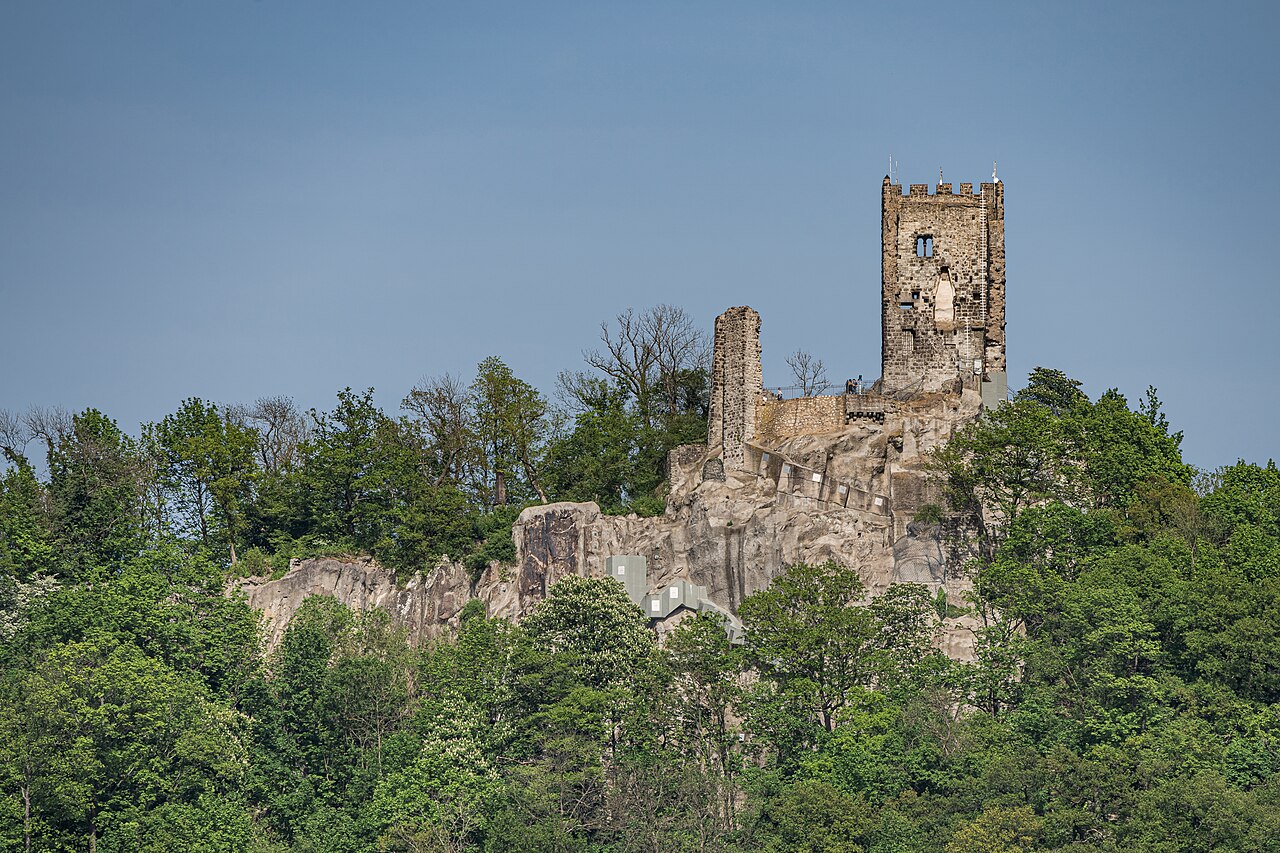
Burg Drachenfels stands as a captivating medieval hill castle ruin perched atop the thousand-foot Drachenfels hill in Königswinter, Nordrhein-Westfalen, Germany. This historic fortress, whose name means "Dragon's Rock," is steeped in rich legendary lore and significant medieval heritage. Built in the 12th century between 1138 and 1167 by Archbishop Arnold I of Cologne, the castle was strategically constructed to defend the Cologne region from southern threats. Its imposing bergfried tower, along with a chapel, living quarters, and defensive walls, formed a formidable stronghold that played a vital role in the region's medieval power dynamics. Legend and cultural significance The name Drachenfels is directly tied to numerous dragon legends that have captivated imaginations for centuries. One popular tale tells of a dragon that once inhabited the hill but was driven away by the prayers of a Christian maiden, symbolizing the triumph of faith over evil. Another legend recounts the defeat of a dragon through the use of early gunpowder, highlighting the castle’s connection to evolving military technology. Additionally, the myth of Fafnir, a dragon transformed from a cursed dwarf king's son and slain by the hero Sigurd, is linked to the treasure-filled caves believed to be located within the Drachenfels hill. Beyond mythology, the hill's name may also derive from its geological significance. The Drachenfels is renowned for its trachyte quarries, which have been exploited since Roman times. This volcanic rock was prized for construction, notably used around the year 1000 for the building of the St. Maria im Kapitol church in Cologne. The quarrying tradition deeply connects the castle to the natural landscape, providing materials that shaped regional architecture. Historical construction and strategic role Burg Drachenfels was commissioned by Archbishop Arnold I of Cologne and completed by Gerhard von Are, provost of the Bonn St.-Cassius collegiate church, by 1149. The castle's primary purpose was to serve as a defensive bastion guarding the approaches to Cologne from the south. Its design featured a central bergfried tower approximately 25 meters tall, which provided a vantage point for surveillance and defense. The castle complex included a main castle (Hauptburg) with residential and ceremonial spaces, a chapel for worship, and a lower castle or outer bailey (Vorburg) that housed service areas and additional defenses. Throughout the High Medieval period, the castle was managed by a hereditary family of burgraves, beginning with Godart von Drachenfels in 1176. This family maintained control until the early 16th century, overseeing the castle's operations and defense. The fortress witnessed several conflicts, including a violent family dispute in 1493 and occupation during the Cologne War in the late 16th century. Military history and decline Despite its initial strategic importance, the construction of the Bonn city walls in the mid-13th century diminished Burg Drachenfels' military role. The castle's significance further declined after its capture by Swedish Protestant troops during the Thirty Years' War in 1632. The following year, Spanish forces recaptured it, but Elector Ferdinand of Cologne ordered the demolition of the castle's outer defenses in 1634 to prevent future military use. After being slighted, the castle was never rebuilt and gradually fell into ruin. Concurrently, intensified quarrying of the Drachenfels trachyte stone encroached upon the ruins, accelerating their deterioration. Quarrying was eventually banned in 1807 to protect the site, and the summit was acquired by the Prussian government in 1836 to preserve its heritage. Architectural features and surviving remains The surviving ruins of Burg Drachenfels reveal a complex layout comprising three main areas: the bergfried tower, the main castle, and the lower castle or outer bailey. Constructed primarily from locally quarried trachyte stone, the castle's architecture reflects typical High Medieval defensive design. The bergfried is a rectangular tower about 25 meters tall with three internal floors. Its ground floor was windowless and lacked an entrance, emphasizing defense. The middle floor featured an eastern door, while the upper floor had three windows, one of which remains intact. A staircase once led to the roof, but a significant collapse in 1788 destroyed much of the southwest section. A large support pillar added in 1855 helps preserve the remaining structure. The main castle area includes remnants of walls and the distinctive "Kölner Fenster" (Cologne Window), a partially preserved architectural feature. A rounded corner turret once guarded the approach path, illustrating the castle's layered defensive strategy. The lower castle is accessed near the entrance gate, protected by a round tower likely two stories high. Surviving corbels indicate former wooden floors, and narrow arrow slits in the northern wall suggest a defensive walkway behind battlements. Archaeological evidence points to the presence of a knights' hall, residential buildings, a chapel, and service areas such as kitchens and stables, though some were lost in the 1788 rockfall. 19th and 20th-century preservation and cultural legacy In the 19th century, Burg Drachenfels became a symbol of Romanticism, attracting poets like Heinrich Heine, who immortalized the castle in his 1819 poem "Die Nacht auf dem Drachenfels." Restoration efforts included structural reinforcement in 1855 and repairs in the 1890s. The 20th century saw further stabilization following a major rockfall in 1967, with the installation of steel anchors and concrete supports between 1971 and 1973. Today, the castle is state-owned and managed by a conservation association dedicated to preserving the Siebengebirge region's natural and historical heritage. Modern additions on the summit include a 1914 obelisk and a replica of the 1814 Landsturm memorial. Visitors can enjoy panoramic views of the Rhine valley, the Cologne skyline, and nearby fortresses such as Godesburg. Burg Drachenfels remains a significant cultural and historical landmark, embodying centuries of medieval architecture, regional defense history, and legendary folklore. Its ruins offer a tangible connection to the past, inviting exploration and reflection on the complex interplay of nature, myth, and human endeavor in shaping this iconic German hill castle.

High Medieval (11th–13th c.)
Details
3.1 km
Godesburg Castle — Germany castle

Godesburg Castle

Bonn, Germany

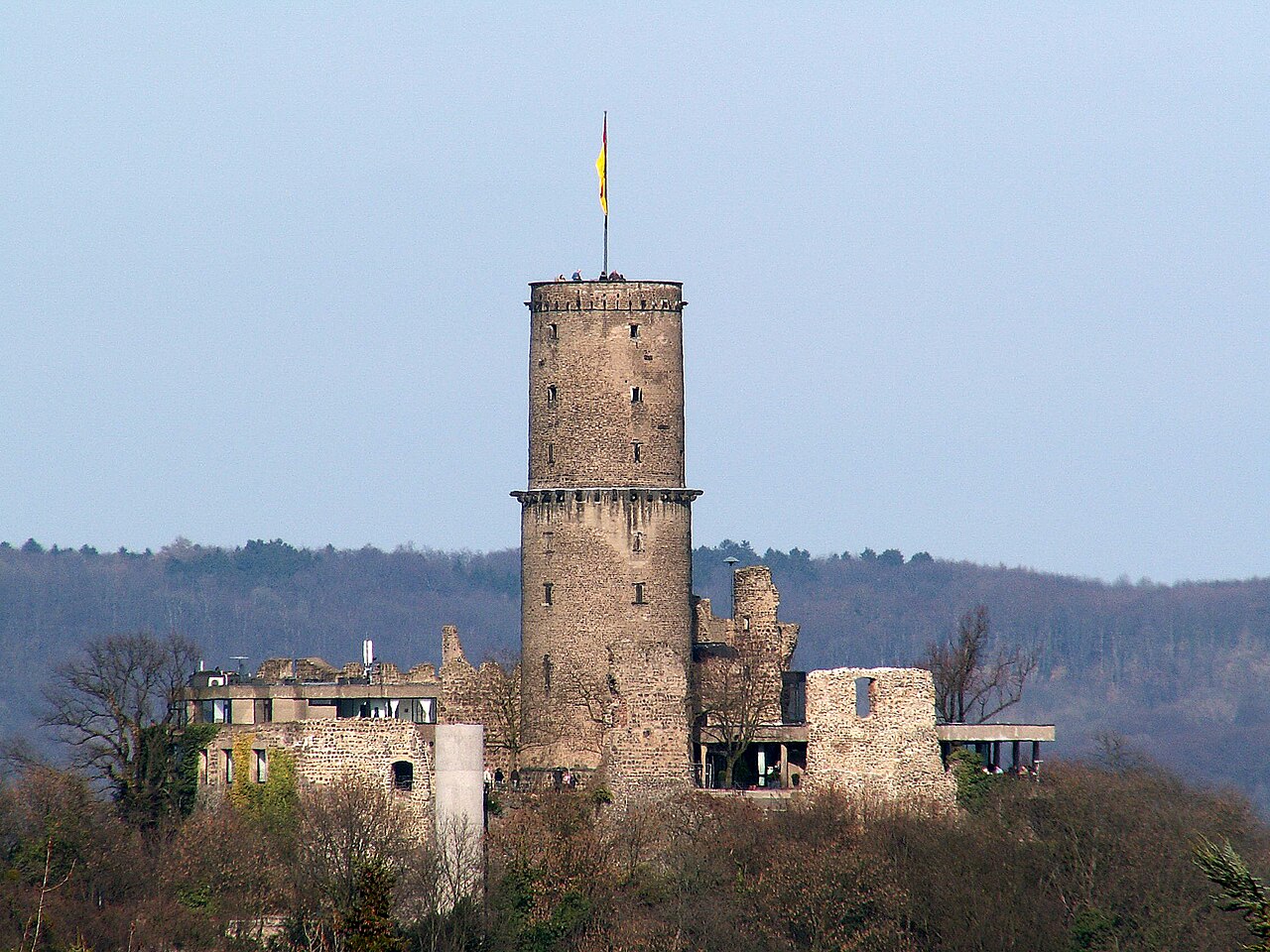
Godesburg castle stands as a significant medieval fortress located on the volcanic hill of Godesberg in what is now the Bad Godesberg district of Bonn, Germany. Constructed in the early 13th century, the castle was originally commissioned under the direction of Dietrich I, Archbishop of Cologne, and completed by his successors after his death in 1224. The fortress was strategically positioned on the hill to exert control over the surrounding region and to symbolize the archbishop's power during a period of frequent conflicts with the patricians of the imperial city of Cologne. Historical origins and early significance The site of Godesburg castle has a history that predates the medieval fortress. Documented references to the location date back to the early 8th century, when it was believed to be a cult site associated with ancient Germanic worship. The name "Godesburg" is derived from the old Germanic terms Wotansberg, Woudensberg, or Gotansberg, which relate to the god Wotan (Odin). This connection to pagan traditions highlights the site's longstanding cultural importance before its transformation into a Christian stronghold. Architectural development and fortifications The castle's initial construction in the High Medieval period featured typical medieval defensive elements, including thick stone walls, a moat, and a central keep. The castle's bergfried—a tall, cylindrical tower—was a distinctive feature, differing from the more common square donjons of the era. Over the centuries, successive archbishops enhanced the fortress's defenses by strengthening the walls, expanding the moats, and adding a curtain wall to improve protection. Notable architectural features The bergfried was raised in height and reinforced to serve both as a lookout and a last line of defense. The inner courtyard included a small residence, dungeons, and a chapel, reflecting the castle's dual role as a military fortress and an episcopal residence. Roads leading to the castle were improved for better access and supply lines. Military history and sieges Godesburg castle was a focal point in regional power struggles during the Middle Ages. Notably, during the reign of Siegfried II of Westwald (1275–1295), the fortress successfully withstood a five-week siege by Count William of Cleves, underscoring its strategic strength. The castle's military importance continued into the 16th century, during which it was further fortified with influences from Italian military architecture, reflecting advances in artillery and siege warfare. The siege of 1583 and destruction In 1583, at the outset of the Cologne War, Godesburg castle was besieged and largely destroyed. The siege marked a turning point in the castle's history, leading to its ruinous state. Despite its destruction, the castle remained a potent symbol of the Electorate of Cologne's authority. By the late 14th century, it had served as the repository for the Elector's valuables and archives, and by the mid-16th century, it was considered the Elector's "lieblingssitz" or favorite residence. Modern restoration and current use After centuries as a ruin, the site of Godesburg castle underwent significant restoration in the 20th century. In 1891, the castle ruins were donated to the city of Bad Godesberg by German Emperor Wilhelm II. Later, in 1959, renowned architect Gottfried Böhm led a reconstruction project that transformed the ruins into a mixed-use facility. The restoration preserved the castle's historic character while adapting it for modern use, including a restaurant and a hotel. Today, the former hotel section has been converted into private apartments, but the restaurant remains operational, offering visitors a unique opportunity to dine within the historic walls of this medieval fortress. The site continues to attract tourists and history enthusiasts interested in its architectural features and its role in the region's medieval and early modern history. Architectural style and classification Godesburg castle is classified as an archaeological ruins site, reflecting its partial preservation following the 1583 siege and subsequent centuries of decay. Its architectural style is primarily High Medieval, with later modifications influenced by Renaissance military engineering principles, particularly those popularized by Italian architects. The castle's strategic hilltop location classifies it as a hill castle, typical of medieval fortifications designed for defense and territorial control.

High Medieval (11th–13th c.)
Details