Donggosanseong — South Korea castle

Donggosanseong

Donggosanseong fortress in South Korea

Donggosanseong fortress is a significant example of military architecture in South Korea, embodying the strategic defensive principles typical of bastioned fortresses. Though specific historical records about its construction date and original builders are limited, the fortress reflects the military engineering techniques employed in the region to protect key territories.

Architectural features of Donggosanseong

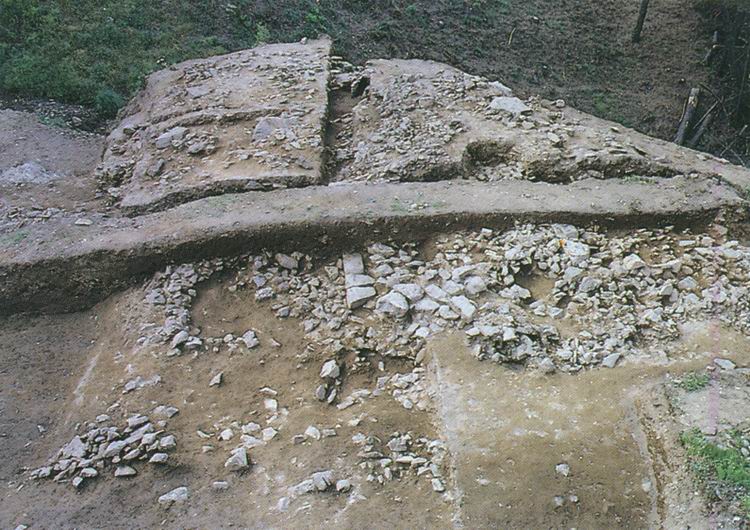
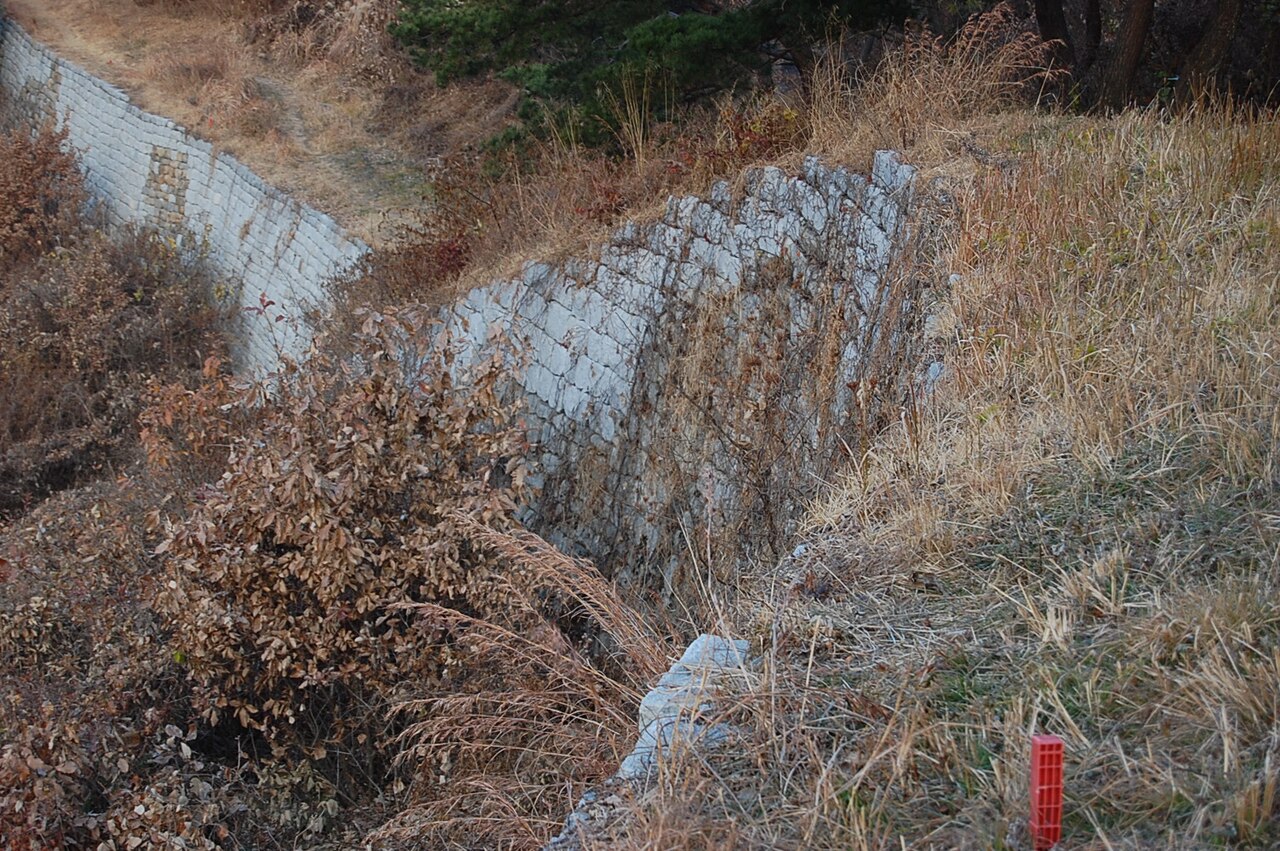
The fortress is characterized by its bastioned design, which includes projecting bastions that allowed defenders to cover adjacent walls with defensive fire, reducing blind spots and enhancing the fortress's resilience against siege warfare. The walls are constructed primarily of stone, forming a robust perimeter that encircles the defensive area.

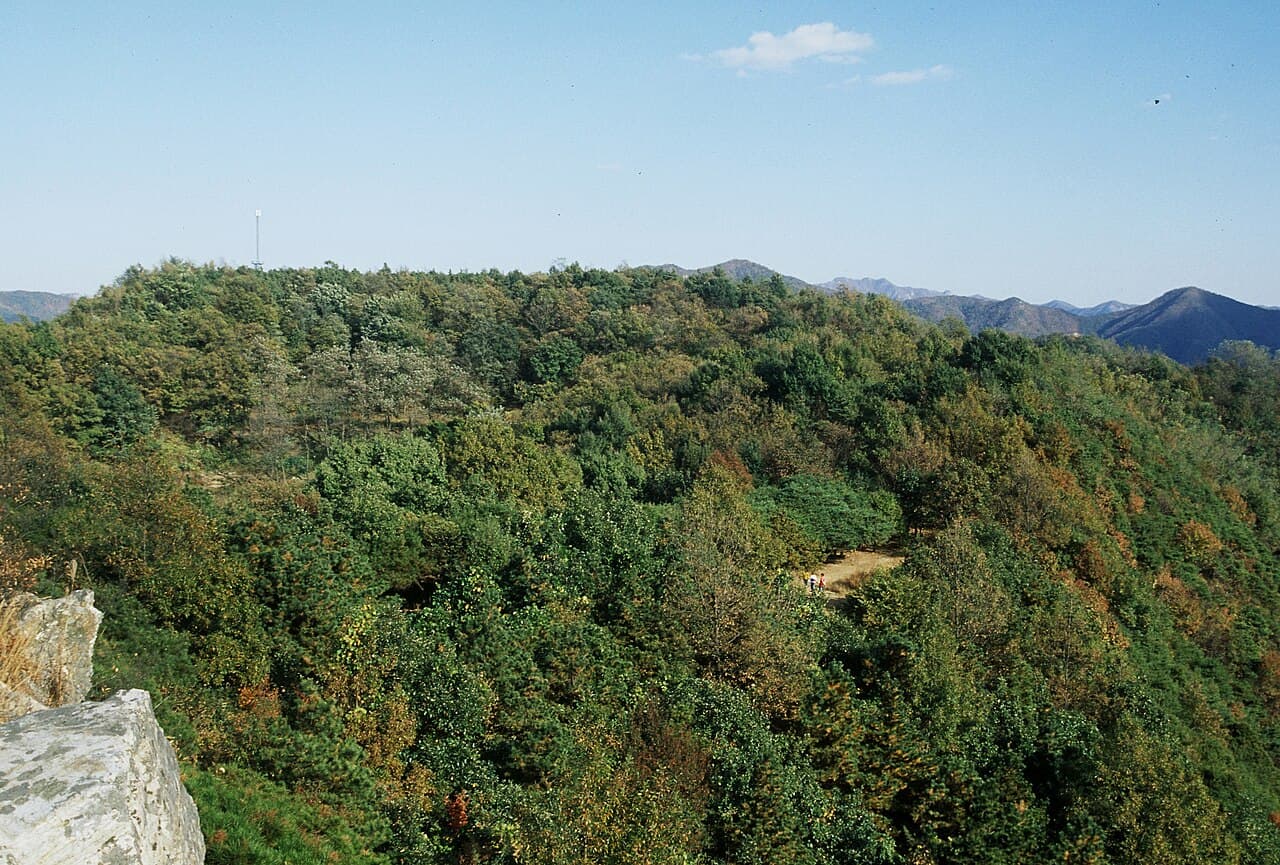
The layout likely incorporates curved curtain walls connecting the bastions, designed to deflect artillery fire and absorb impacts. The fortress's elevated position on a hill or mountain slope would have provided commanding views of the surrounding landscape, facilitating early detection of approaching enemies.

Historical context and significance

While the exact period of construction remains uncertain, the fortress's architectural style and defensive features suggest it was built or significantly modified during a period when bastioned fortifications were adopted in Korea, possibly in the late medieval to early modern era. Such fortresses were crucial in regional defense against invasions and internal conflicts.

Donggosanseong's strategic location would have made it an important military stronghold, controlling access routes and serving as a refuge for local populations during times of conflict.

Preservation and current status

The fortress remains a valuable cultural heritage site, though its current condition varies. Parts of the walls and bastions are preserved, allowing visitors to appreciate the scale and design of the original fortification. Efforts to maintain and restore sections of the fortress help to protect this historical monument for future generations.

Visiting Donggosanseong

Visitors to Donggosanseong can explore the remaining walls and bastions, gaining insight into Korean military architecture and history. The site offers scenic views and a tangible connection to Korea's defensive past. It is advisable to check local resources for visiting hours and accessibility information.

Frequently asked questions (FAQ)

What is Donggosanseong fortress known for?
Donggosanseong fortress is known for its bastioned defensive design, which enhanced protection against attacks through strategically placed bastions.
Can I visit Donggosanseong fortress?
Yes, visitors can explore the remains of Donggosanseong fortress to learn about Korean military architecture and enjoy the surrounding views.
When was Donggosanseong fortress built?
The exact construction date of Donggosanseong fortress is uncertain, but its architectural features suggest a late medieval to early modern period origin.

Photo gallery

Donggosanseong
Click to view

Photo by Academy of Korean Studies•KOGL Type 1

1 photo • Click any image to view in full screen

Information

Bastioned Fortress

Loading map...

Visitor reviews

No reviews yet. Been here? Write the first review and help other travelers!

Write the first review

Visited this castle? Share your experience

Your review helps other travelers and adds first-hand knowledge to our encyclopedia.
Write a review

(5/5)

0/2000 characters

Your review will be visible after admin approval

Nearby castles

23.4 km
Iksan Toseong — South Korea castle

Iksan Toseong

Iksan, South Korea

Iksan Toseong, also known as the Earthen Fortification, Iksan or Podŏksŏng (Bodeokseong), is a significant ancient Korean fortress located in Iksan, South Korea. This early medieval fortification was constructed primarily during the Baekje period, around the late 6th and early 7th centuries. The fortress is situated on the slopes of Ogeumsan mountain, a strategic hill that provided natural defensive advantages typical of hill castles of that era. Historical background and significance The construction of Iksan Toseong reflects the military and administrative strategies of the Baekje kingdom, one of the Three Kingdoms of Korea. Baekje was known for its advanced culture and fortification techniques, and Iksan Toseong exemplifies their approach to defense through earthen walls rather than stone. The fortress served as a military stronghold and a regional administrative center, controlling the surrounding area and protecting vital routes. Archaeological evidence indicates that the site remained in use beyond the Baekje period, with artifacts from the Unified Silla and Goryeo periods discovered within the fortification's remains. This continuity suggests that Iksan Toseong held ongoing strategic importance through several Korean dynasties, adapting to changing political and military contexts. Architectural features and construction Iksan Toseong is classified as a hill castle due to its placement on Ogeumsan mountain. Unlike stone castles common in later periods, this fortress was primarily constructed using earthen walls or ramparts, a technique prevalent in early Korean fortifications. The walls were built by compacting layers of soil and clay, forming thick, sturdy barriers that could absorb attacks and resist erosion. The fortress likely included gates, battlements, and possibly wooden structures atop the earthen walls to serve as watchtowers or defensive platforms. The natural topography of the mountain enhanced the fortress's defenses, with steep slopes making direct assaults difficult. The use of earth rather than stone also reflects the available materials and construction methods during the Baekje period. Layout and strategic location The layout of Iksan Toseong would have been designed to maximize the defensive potential of the hill. The walls likely enclosed a sizeable area, providing space for military personnel and possibly local inhabitants or administrative buildings. The fortress's location on Ogeumsan allowed surveillance over the surrounding plains and control of nearby transport routes, crucial for military and economic purposes. Archaeological discoveries and preservation Excavations at the site have uncovered various artifacts, including pottery, tools, and remnants of structures, which provide insight into the daily life and military functions of the fortress. The presence of artifacts from the Unified Silla and Goryeo periods indicates that the fortification was maintained or reused for several centuries after its initial construction. On January 21, 1963, the site of Iksan Toseong was officially designated a Historic Site of South Korea, recognizing its cultural and historical importance. Preservation efforts focus on protecting the remaining earthen walls and archaeological features, although the fortress exists primarily as an archaeological site today rather than a fully standing structure. Legacy and cultural importance Iksan Toseong represents an important example of early medieval Korean military architecture, highlighting the use of earthen fortifications before the widespread adoption of stone castles. Its long period of use through multiple dynasties underscores its strategic significance in Korean history. The fortress contributes to the understanding of Baekje's territorial control and defense strategies, as well as the broader historical landscape of the Korean peninsula during the early medieval period. Today, it serves as a valuable heritage site for scholars and visitors interested in Korea's ancient fortifications and historical development.

Early Medieval (5th–10th c.)
Details
45.5 km
Seocheon Geonji Mountain Fortress — South Korea castle

Seocheon Geonji Mountain Fortress

Seocheon County, South Korea

Seocheon Geonji Mountain Fortress (Korean: 건지산성; Hanja: 乾芝山城; RR: Geonjisanseong) is an ancient Korean fortress situated in Seocheon County, within South Chungcheong Province, South Korea. This fortress is recognized as Historic Site No. 60 by the South Korean government since January 21, 1963. It occupies a strategic position on Geonjisan Mountain, which provided natural defensive advantages typical of mountain fortresses in Korea. Historical background and significance The fortress is believed to have been constructed during the Baekje period (18 BCE – 660 CE), one of the Three Kingdoms of Korea, although exact construction dates remain uncertain due to limited historical records. The Baekje kingdom was known for its advanced culture and military architecture, and Geonji Mountain Fortress is an example of their mountain fortress construction techniques designed for defense and control of surrounding territories. Archaeological excavations began in 1999, revealing layers of occupation and construction phases. Among the findings was a building dating from the late Joseon period (1392–1897), indicating the fortress site continued to hold strategic or cultural importance through later Korean history. The presence of the Bongseosa Buddhist temple within the fortress walls highlights the site's religious significance during the Joseon era. Architectural features and layout As a mountain fortress, Seocheon Geonji Mountain Fortress utilizes the natural topography of Geonjisan Mountain to enhance its defenses. The fortress walls are constructed of stone, following the contours of the mountain ridges, a common feature in Korean mountain fortresses. The walls likely included bastions or protruding defensive structures to allow defenders to cover the surrounding approaches effectively, although detailed structural remains are limited. The fortress's design reflects typical Korean military architecture, emphasizing defensive walls, watchtowers, and gates positioned to maximize visibility and control over the surrounding landscape. The integration of a Buddhist temple within the walls also suggests a multifunctional use, combining military, administrative, and religious functions. Archaeological investigations and preservation Excavations carried out since 1999 have provided valuable insights into the fortress's construction techniques and historical usage. These investigations uncovered foundations of various buildings, artifacts, and evidence of repairs and modifications over centuries. The late Joseon period building found on site indicates ongoing occupation or reuse of the fortress area well beyond its initial Baekje origins. Today, the fortress remains a partially preserved historic site. Efforts to maintain and protect the ruins focus on preserving the stone walls and any remaining structural elements. The site's designation as a Historic Site ensures legal protection and promotes public awareness of its cultural value. Geographical context and accessibility Located in South Chungcheong Province, the fortress occupies a mountainous terrain that historically served as a natural defense barrier. The region has a rich history of fortifications due to its strategic importance in controlling access between Korea's interior and coastal areas. Visitors to the site can explore the remains of the fortress walls and the area where the Bongseosa temple once stood. The mountainous setting offers scenic views and a tangible connection to Korea's ancient military heritage. Legacy and cultural importance Seocheon Geonji Mountain Fortress stands as a testament to Korea's Baekje period military architecture and the enduring significance of mountain fortresses throughout Korean history. Its continuous use and adaptation through the Joseon period reflect the evolving nature of Korean fortifications and the integration of religious elements within military sites. The fortress is an important cultural heritage site, contributing to the understanding of Korea's historical landscape and the role of fortifications in shaping regional power dynamics. Its preservation allows scholars and visitors to appreciate the complexity of Korean fortress construction and the strategic importance of mountainous terrain in defense.

High Medieval (11th–13th c.)
Details
49.5 km
Garimseong Fortress — South Korea castle

Garimseong Fortress

, South Korea

Garimseong fortress (Korean: 가림성; Hanja: 加林城; RR: Garimseong) is a significant Baekje-era mountain fortress located on Seongheungsan mountain in present-day Buyeo County, South Chungcheong Province, South Korea. Constructed in the 6th century, specifically completed in 501 AD according to the Korean calendar, it served as a crucial defensive structure during the Early Medieval period of Korean history. The fortress is documented in the Samguk sagi, one of Korea's oldest surviving historical records, underscoring its importance in the military and political landscape of the time. Historical significance and role in Baekje kingdom The fortress was strategically built to protect two successive capitals of the Baekje kingdom, one of the Three Kingdoms of Korea that thrived from 18 BCE to 660 AD. Garimseong's location atop Seongheungsan mountain provided a commanding vantage point over the surrounding terrain, enabling early warning and defense against potential invasions. This mountain fortress exemplifies the military architecture of the Baekje era, reflecting the kingdom's emphasis on fortified positions to safeguard its political centers. Architectural features and fortification design As a mountain fortress, Garimseong was constructed to leverage the natural topography for defense. The fortress walls were built with stone masonry, designed to follow the contours of the mountain ridge. The use of bastioned fortress elements suggests advanced military engineering for its time, allowing defenders to cover multiple angles of attack. The walls likely included watchtowers and gates strategically placed for surveillance and controlled access. The fortress's design integrated ramparts and battlements to provide protection for archers and soldiers stationed along the walls. The rugged terrain combined with these fortifications made Garimseong a formidable defensive site. Remnants of the stone walls and fortifications remain today, offering insight into the construction techniques of the Baekje kingdom. Preservation and cultural heritage status Garimseong was officially designated as Historic Site No. 4 by the South Korean government on January 21, 1963. This status recognizes its cultural and historical value as a well-preserved example of Early Medieval Korean military architecture. While the fortress is in a partially preserved condition, ongoing efforts aim to maintain and study the site to better understand Baekje-era fortifications. The site is accessible to visitors interested in Korean history and archaeology, offering a glimpse into the defensive strategies employed by one of Korea's ancient kingdoms. Its location in Buyeo County, a region rich in Baekje heritage, makes it a key destination for cultural tourism and academic research. Garimseong in the context of Korean mountain fortresses Mountain fortresses like Garimseong were common in the Three Kingdoms period, serving as military strongholds that utilized Korea's rugged terrain. These fortresses were essential in controlling territory and protecting capitals from rival kingdoms and nomadic incursions. Garimseong stands out for its early construction date and its role in the Baekje kingdom's defense system. The fortress's integration with the natural landscape exemplifies the strategic use of geography in Korean fortress design. This approach maximized defensive capabilities while minimizing construction efforts, a hallmark of Korean mountain fortresses during the Early Medieval period.

Early Medieval (5th–10th c.)
Details