Doña Martina Castle
Doña Martina Castle stands as a significant historical fortress located in the municipality of Calatayud, Spain. Originating as a Muslim fortress constructed during the 11th century, it was built upon the foundations of earlier fortifications, marking it as a site of continuous strategic importance. The castle is a key example of the military architecture that evolved in the region during the High Medieval period, reflecting the complex cultural and political history of the Iberian Peninsula.
The origins of Calatayud and early fortifications
The history of Calatayud is deeply intertwined with the castle's development. The settlement was founded in 716 by Ayyub ben Habib al Lajmi on the very site where the castle now stands. This early establishment laid the groundwork for Calatayud's role as a strategic military and administrative center. By the mid-9th century, specifically in 862, the ruler Muhammad I commissioned Abderramán ben Abdelaziz el Tuyibí to strengthen the town’s defenses. This was a direct response to threats from the powerful Banu Qasi family who controlled nearby Zaragoza, emphasizing Calatayud's importance within the Emirate of Córdoba.
The defensive works from this period formed the basis for the later castle. The town served as the administrative seat over surrounding districts, including the district of Daroca, underscoring its regional significance.
Political shifts and military significance through the centuries
Calatayud's control shifted multiple times during the turbulent medieval period. In 937, the city was captured by Abderramán III following a revolt by the Tuyibí family, reaffirming the emirate’s dominance. Moving into the 11th century, Calatayud became a prominent urban center within the Taifa Kingdom of Zaragoza. Around 1050, the city briefly declared independence under the rule of Muhammad ben Hud, establishing its own taifa and even minting currency. This era brought economic growth and cultural development that lasted until approximately 1110.
The expansion of the Almoravid dynasty into the Iberian Peninsula in 1110 brought Calatayud under their control. However, their dominance was challenged when Alfonso I of Aragón besieged and captured the city in 1120 after the Almoravids’ defeat at the Battle of Cutanda. This event marked the beginning of Christian rule in Calatayud.
Throughout these centuries, the castle functioned as the alcazaba or citadel, anchoring a fortified complex that protected the upper town. This complex included five castles connected by nearly four kilometers of defensive walls, collectively safeguarding Calatayud’s strategic position in the region.
Architectural features and structural elements
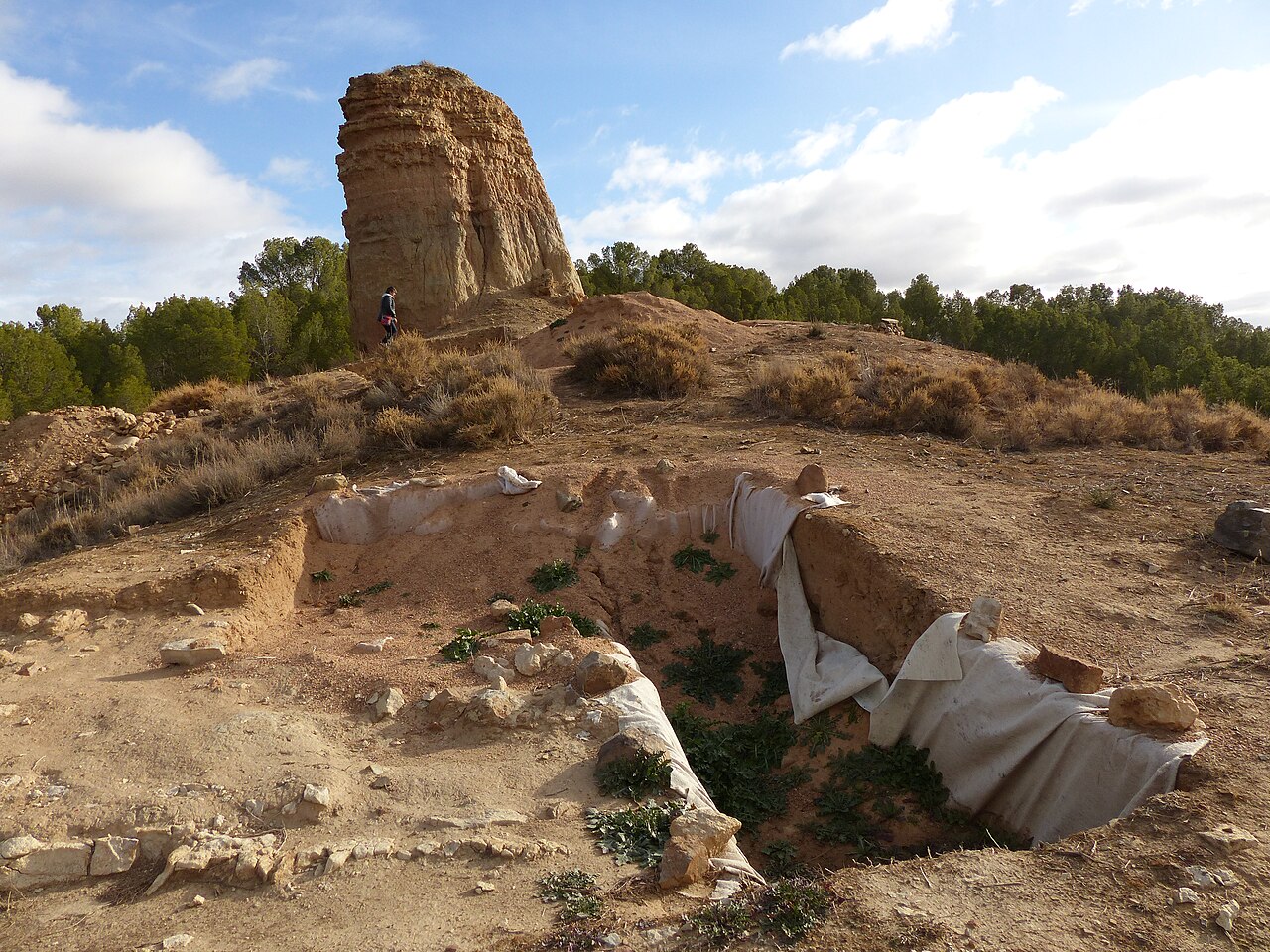
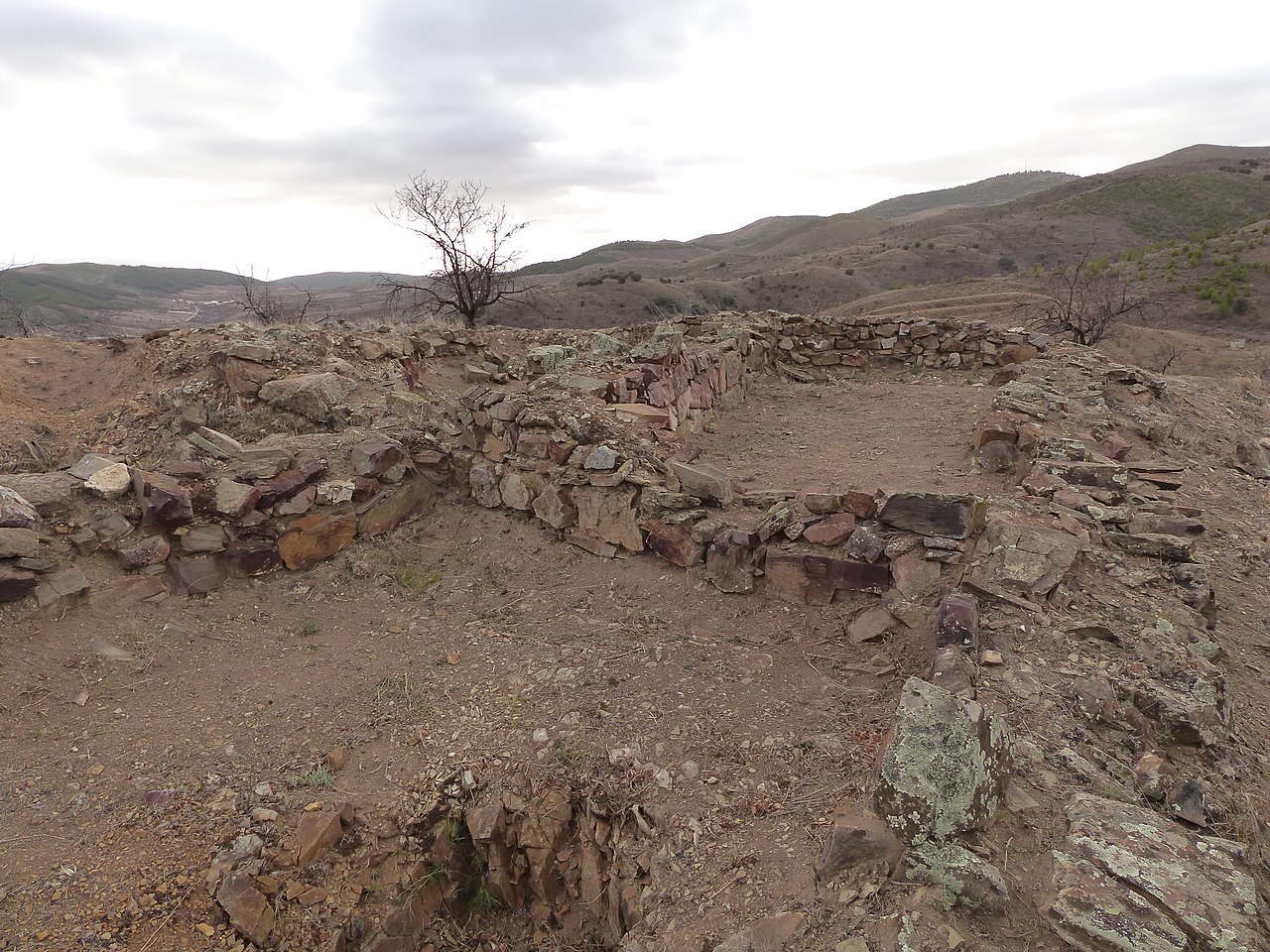
The remains of Doña Martina Castle occupy a central position within Calatayud’s upper town. The fortress extends in an elongated rectangular shape approximately 140 meters in length. Unique among the five castles forming the defensive complex, this castle was constructed predominantly from large ashlar stone blocks. These carefully cut and laid stones provided exceptional strength and durability, a characteristic feature of military architecture aimed at withstanding prolonged sieges.
On the western side, a robust wall survives featuring a wooden framework built using traditional Yemeni construction techniques. This combination of wood and stone is supported by three large buttresses that reinforce the structure. This composite method of construction was designed to enhance the fortress’s resilience against both siege warfare and natural erosion.
The eastern section reveals the foundations of a notably lowered tower and the beginnings of a curtain wall that descends toward the former Valencia Gate, located near the Rúa ravine. These remnants outline the castle’s defensive reach in both elevation and lateral extent, illustrating the strategic planning involved in its design.
Such architectural elements confirm the castle’s primary function as a citadel integrated into the broader ensemble of fortifications. The presence of the wooden framework and buttresses reflects a blend of Muslim building traditions and later adaptations from the 14th century. This layered construction preserves evidence of cultural exchanges and military engineering techniques spanning centuries.
Historical and cultural significance
Doña Martina Castle is a tangible link to the complex history of Calatayud and the wider region of Aragon. Its origins as a Muslim fortress and subsequent Christian adaptations mirror the broader historical narrative of the Iberian Peninsula during the Middle Ages. The castle's role as the alcazaba highlights its importance in the defense and administration of the city.
The castle's location within the upper town and its integration with a network of fortifications demonstrate the strategic military planning characteristic of medieval urban defense systems. The surviving architectural features, including the ashlar stone walls, wooden frameworks, and buttresses, provide valuable insights into the construction methods and cultural influences of the period.
Today, the remains of Doña Martina Castle stand as an important heritage site, offering visitors a glimpse into the layered history of Calatayud. The castle's preservation allows for the study and appreciation of medieval military architecture and the cultural dynamics that shaped the region over several centuries.
Visiting and exploring Doña Martina Castle
While the castle remains are primarily ruins, they are accessible to visitors interested in medieval history and architecture. The site offers an opportunity to explore the remnants of the fortress and understand its strategic role within the fortified city complex. Visitors can observe the distinctive construction techniques and the castle's position within Calatayud's upper town, providing a contextual understanding of its defensive function.
Calatayud itself is rich in historical sites, making Doña Martina Castle a key part of any cultural itinerary in the region. The castle's proximity to other medieval structures and the town’s historic center enhances its appeal to tourists and scholars alike.
Frequently asked questions (FAQ)
- What is the historical significance of Doña Martina Castle?
- Doña Martina Castle, located in Calatayud, Spain, dates back to the 11th century and is a fine example of medieval military architecture. It played a crucial role during the Reconquista, serving as a strategic point for the defense against invading forces. The castle's rich history reflects the cultural and political shifts in the region throughout the centuries.
- When was Doña Martina Castle built?
- Construction of Doña Martina Castle began in the early 11th century, making it one of the oldest fortifications in the area. Over the years, it underwent various renovations and expansions, particularly during the late Middle Ages, to enhance its defensive capabilities. Its architecture showcases the evolution of military design from the Islamic period to the Christian Reconquista.
- Is it possible to visit Doña Martina Castle?
- Yes, visitors are welcome to explore Doña Martina Castle. The site is open to the public, allowing guests to walk through its ancient walls and take in panoramic views of the surrounding landscape. Guided tours may also be available to provide deeper insights into the castle's history and architecture.
- What are the opening hours for Doña Martina Castle?
- Doña Martina Castle typically operates from 10 AM to 6 PM, but hours may vary seasonally. It is advisable to check the official website or contact the local tourist office for the most current information before planning your visit. Special holiday hours may apply, so it's best to confirm ahead of time.
- Can I bring my family to Doña Martina Castle?
- Absolutely! Doña Martina Castle is a family-friendly destination that offers a unique educational experience for visitors of all ages. Children will enjoy exploring the castle grounds, and parents can teach them about its fascinating history and architecture. Just keep in mind to supervise young children, as some areas may have steep drops.
- What is the best time to visit Doña Martina Castle?
- The best time to visit Doña Martina Castle is during the spring and fall months when the weather is mild and pleasant, making outdoor exploration enjoyable. Additionally, these seasons often see fewer crowds compared to the peak summer months, allowing for a more peaceful visit. Always check local events as festivals may also enhance your experience.
- Are there any nearby attractions to visit?
- Yes, while visiting Doña Martina Castle, you can also explore other historical sites in Calatayud, such as the Collegiate Church of Santa Maria and the ruins of the nearby Castillo de Ayud. Additionally, the picturesque old town offers charming streets and local eateries to enjoy. This makes for a full day of cultural exploration.
- What are the ticket prices for Doña Martina Castle?
- Ticket prices for Doña Martina Castle are generally affordable, with discounts available for students, seniors, and children. It is recommended to check the official website for the latest pricing information and any special promotions. Group rates may also be available for educational or organized tours.
- Is Doña Martina Castle accessible for visitors with disabilities?
- Doña Martina Castle aims to be accessible, but due to its historical nature, some areas may present challenges for wheelchair users. It is best to contact the castle staff in advance to inquire about specific accessibility options and assistance available on-site. They can provide information on accessible routes and facilities to enhance your visit.
Information
Website
Visit websiteSources & official resources
Verify the information above using these authoritative references.
Loading map...
Visitor reviews
No reviews yet. Been here? Write the first review and help other travelers!
Write the first reviewVisited this castle? Share your experience
Your review helps other travelers and adds first-hand knowledge to our encyclopedia.