Torrecid — Spain castle

Torrecid

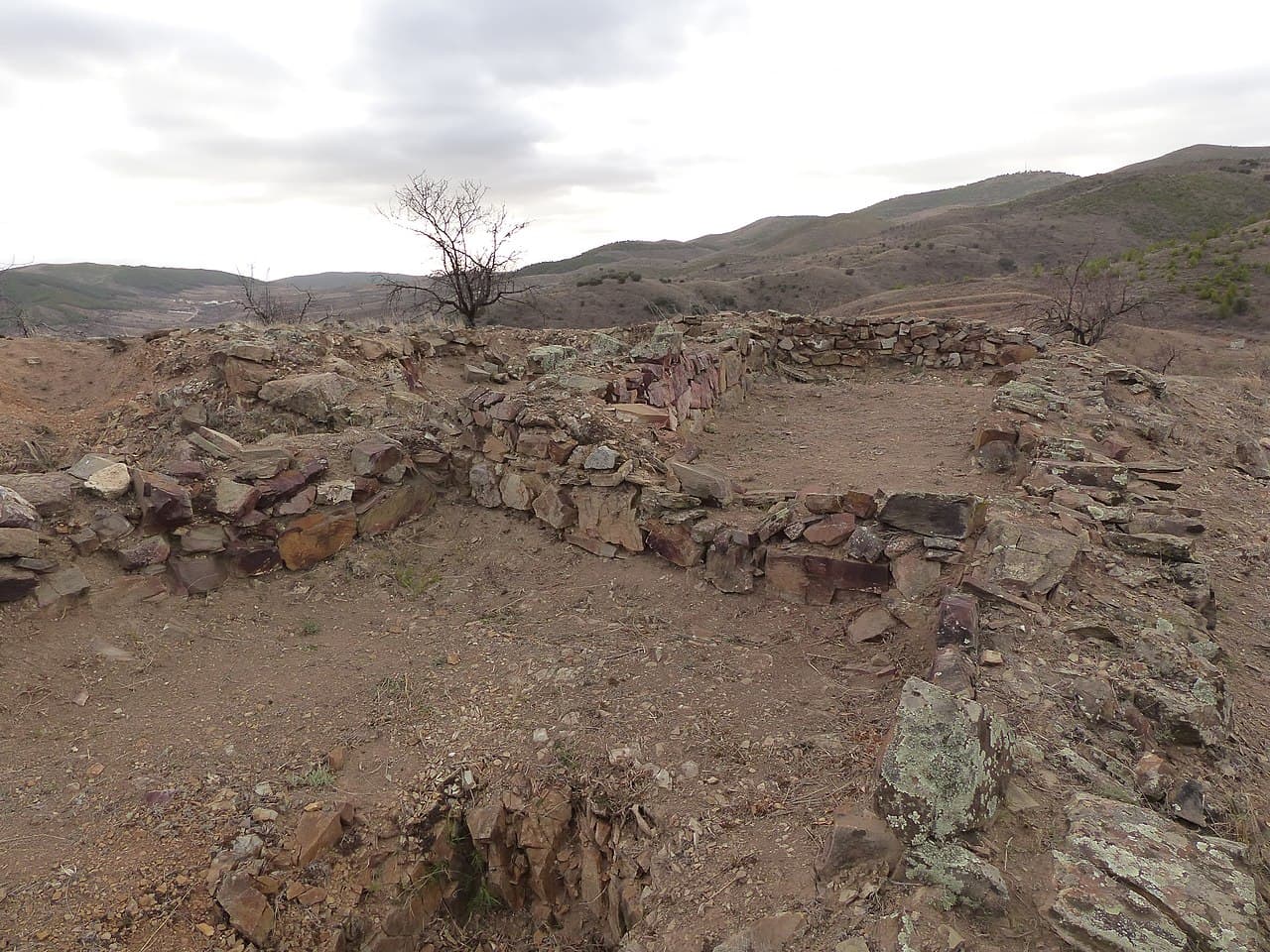
Torrecid castle archaeological ruins in Ateca, Spain
Ateca, Aragon, Spain
High Medieval (11th–13th c.)
Ruins

Torrecid castle is an important archaeological site located near the municipality of Ateca in the province of Zaragoza, Spain. This site represents the remains of a Christian motte-and-bailey castle dating back to the High Medieval period, around the late 11th century. According to legend and historical epic, it was here that the famous Castilian noble and military leader El Cid camped for approximately fifteen weeks around the year 1081, during the turbulent times of the Reconquista. The castle's strategic location in the valley of the Jalón river highlights its historical significance in controlling access routes and regional defense.

The historical context of Torrecid castle

Torrecid's role as a military encampment for El Cid is documented in the medieval epic poem Cantar de Mio Cid, which recounts his campaigns and exploits. The castle was part of the Christian frontier during the Reconquista, a period marked by frequent conflicts between Christian and Muslim forces on the Iberian Peninsula. The site exemplifies the type of fortifications used by Christian forces to establish and maintain territorial control in contested borderlands.

El Cid and the Reconquista

El Cid, also known as Rodrigo Díaz de Vivar, was a prominent figure in 11th-century Spain. His presence at Torrecid reflects the strategic importance of the site during his military campaigns. The castle served as a temporary stronghold and base of operations during his efforts to reclaim lands from Muslim rule.

Architectural features and layout

As a motte-and-bailey castle, Torrecid featured a raised earthwork mound (the motte) topped by a wooden or stone keep, accompanied by an enclosed courtyard (the bailey) surrounded by defensive palisades and ditches. This type of fortification was common in medieval Europe for its relative speed of construction and effectiveness in defense. Although the castle now lies in ruins and much of its original structure has been lost to time, archaeological excavations have revealed the outlines of the motte and the surrounding defensive features.

Archaeological discoveries

The site remained buried and unknown for nearly a millennium until recent archaeological efforts uncovered its location, confirming descriptions found in the Cantar de Mio Cid. Excavations have provided valuable insights into the castle's construction techniques, defensive arrangements, and the daily life of its occupants during the 11th century.

Preservation and legal status

Despite its historical and cultural significance, Torrecid has not yet been formally cataloged by the regional Government of Aragon. Its protection currently falls under the general provisions of the Decree of 22 April 1949 and the Law 16/1985 on the protection of Spanish Historical Heritage. These laws offer a framework for safeguarding archaeological sites, but the castle remains vulnerable without specific conservation measures or active management.

Current condition and access

The castle exists today as ruins, with minimal above-ground remains visible. Visitors to the area can observe the archaeological site, which offers a tangible connection to the medieval history of the region and the legendary figure of El Cid. The site’s location in the valley of the Jalón river provides a scenic backdrop and context for understanding its strategic importance.

Significance in Spanish medieval heritage

Torrecid castle holds a unique place in Spanish history as a physical link to the epic narratives of the Reconquista and the life of El Cid. Its discovery has enriched the understanding of medieval military architecture in the region and the historical geography of 11th-century Spain. The site continues to attract interest from historians, archaeologists, and visitors fascinated by Spain's medieval past and the enduring legacy of its legendary heroes.

Frequently asked questions (FAQ)

How do I get to Torrecid Castle?
Torrecid Castle is located in Ateca, Spain, which is accessible by car or public transportation. If you are driving, it is conveniently situated off the A-2 motorway, making it easy to reach from nearby cities.
What is the historical significance of Torrecid Castle?
Torrecid Castle dates back to the 13th century and played a crucial role during the Reconquista. It served as a strategic military stronghold, and its architecture reflects the historical influences of both the Moors and the Christians.
When was Torrecid Castle built?
Torrecid Castle was constructed in the 13th century, around the time when the region was being reclaimed from Moorish control. Its design and structure are representative of medieval military architecture in Spain.
Can I visit Torrecid Castle year-round?
Yes, Torrecid Castle is open for visitors throughout the year. However, it is advisable to check local resources for any seasonal closing days or hours that may affect your visit.
Why is Torrecid Castle considered an architectural gem?
Torrecid Castle boasts a unique blend of Gothic and Moorish architectural styles, showcasing the rich cultural heritage of the region. Its well-preserved towers and walls provide a glimpse into the past and highlight the craftsmanship of the era.
Is it possible to explore the interior of Torrecid Castle?
Currently, the interior of Torrecid Castle has limited access for visitors due to preservation efforts. However, guided tours often provide insights into its history and architecture, allowing guests to appreciate its significance from the exterior.
What are the best times to visit Torrecid Castle?
The best times to visit Torrecid Castle are during the spring and fall when the weather is mild and pleasant. Visiting in the early morning or late afternoon can help you avoid crowds and enjoy a more intimate experience.
Are there any nearby attractions to visit?
Yes, the area surrounding Torrecid Castle offers several attractions, including the charming town of Ateca with its historic streets and local eateries. Additionally, the scenic landscapes of the surrounding region provide great opportunities for hiking and photography.
What are the ticket prices for visiting Torrecid Castle?
Ticket prices for Torrecid Castle are generally affordable, making it accessible for all visitors. It is recommended to check the official website or local tourist information for the latest pricing and any available discounts.
What are the opening hours for Torrecid Castle?
Torrecid Castle typically opens in the morning and closes in the late afternoon, but exact hours can vary by season. Always check the official information before planning your visit to ensure you have the correct times.

Photo gallery

Torrecid
Click to view

Photo by Javiercsd•CC BY-SA 4.0

1 photo • Click any image to view in full screen

Information

Motte-and-Bailey

Current owner

Regional Government of Aragon

Loading map...

Visitor reviews

No reviews yet. Been here? Write the first review and help other travelers!

Write the first review

Visited this castle? Share your experience

Your review helps other travelers and adds first-hand knowledge to our encyclopedia.
Write a review

(5/5)

0/2000 characters

Your review will be visible after admin approval

Nearby castles

1.6 km
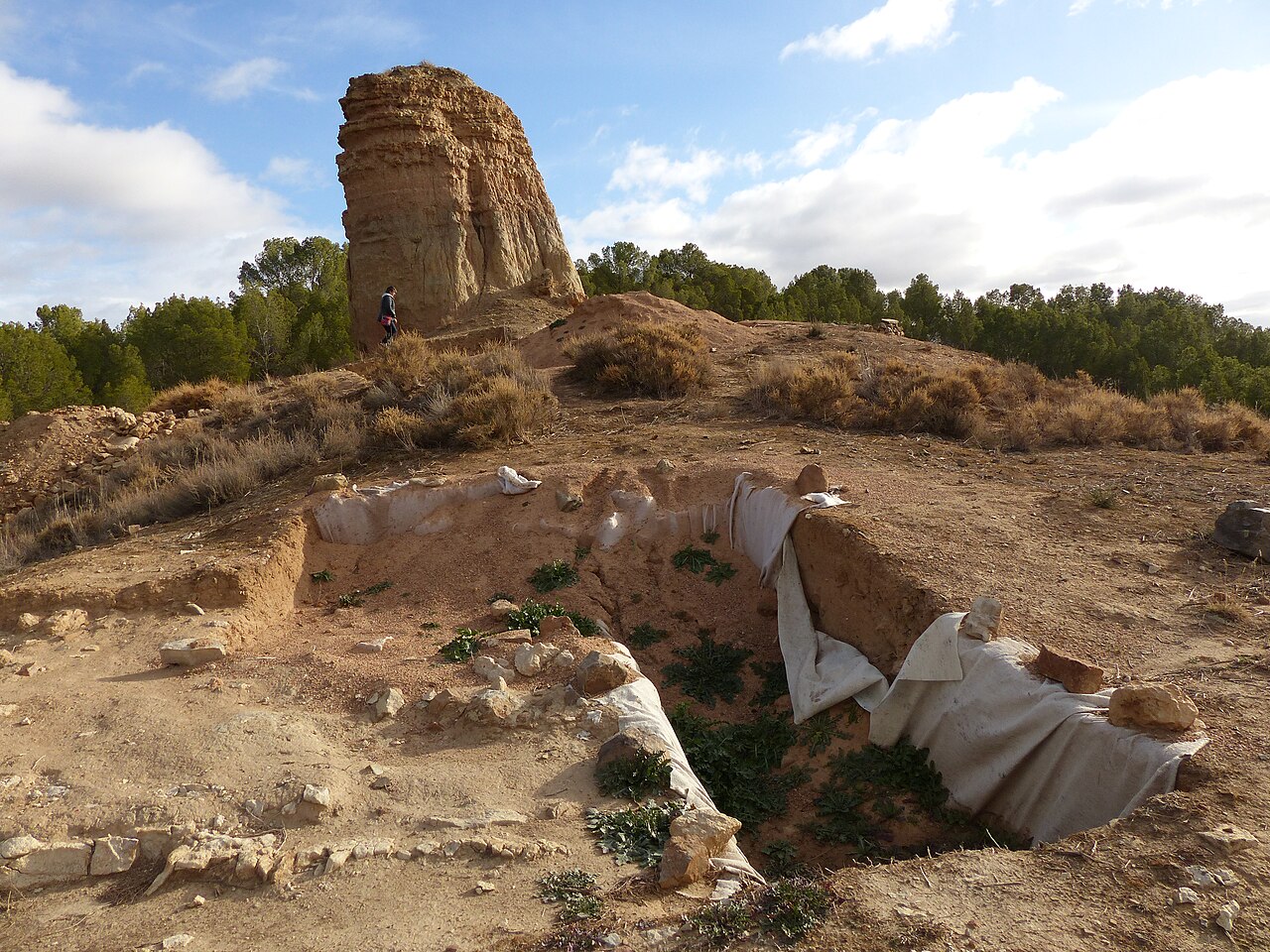
Castle of Alcocer — Spain castle

Castle of Alcocer

Ateca, Spain

The Castle of Alcocer is an important archaeological site located within the La Mora Encantada area in the municipality of Ateca, in the province of Zaragoza, Spain. It represents the remains of a fortified Muslim village dating back to the medieval Islamic period in the Iberian Peninsula. The site provides valuable insight into the defensive architecture and settlement patterns of Muslim communities in the region during the High to Late Medieval periods. Historical context and significance The Castle of Alcocer was part of a network of fortifications established during the time when much of the Iberian Peninsula was under Muslim rule, known as Al-Andalus. This period spanned several centuries, roughly from the 8th to the 15th century. The castle's strategic location in the region of Aragon was crucial for controlling routes and defending territory against Christian reconquest efforts. The fortified village served not only as a military stronghold but also as a local center of habitation and administration. Its walls and defensive structures reflect the typical characteristics of Muslim fortifications, which often combined residential and military functions within enclosed spaces. Architectural features and layout The site of Alcocer is classified as archaeological ruins, with remnants of defensive walls, towers, and residential buildings. Although much of the original structure has not survived intact, excavations have revealed the layout of the settlement, including the perimeter fortifications and internal divisions. The defensive walls were constructed using traditional materials such as stone and mortar, designed to withstand assaults. The remains suggest the presence of towers at key points for surveillance and defense, which was common in Muslim military architecture. The village likely included a citadel or keep area serving as the last line of defense. Defensive systems The castle's fortifications were adapted to the terrain, utilizing natural features to enhance its defensive capabilities. The walls were likely reinforced with battlements and possibly included a moat or other barriers to deter attackers. The positioning of towers allowed defenders to cover the walls with archery and other projectile weapons. Archaeological investigations and preservation Extensive archaeological work at the site has uncovered artifacts and structural remains that contribute to the understanding of life in a fortified Muslim village. These include pottery, tools, and other everyday items that illustrate the cultural and economic activities of its inhabitants. Preservation efforts focus on maintaining the integrity of the ruins while allowing public access for educational and cultural purposes. The site is a valuable resource for studying the military, social, and architectural history of Muslim Spain. Location and access The Castle of Alcocer is situated near the town of Ateca in the region of Aragon, Spain. While the exact street address is not specified, the archaeological site is accessible to visitors interested in medieval history and Islamic heritage in Spain. Visitors should prepare for a site that is primarily ruins, with limited facilities. It is recommended to check local tourism information for visiting hours and guided tours if available.

Details
2.6 km

Castle of Ateca

Ateca, Spain

The Castle of Ateca stands as a testament to centuries of military strategy and architectural evolution in the region of Ateca, Spain. Perched strategically on a hill, this hill castle has controlled a vital natural corridor linking the Ebro river valley with the Meseta plateau via the Jalón and Henares river valleys. Its location made it a coveted stronghold through various historical epochs, reflected in its layered construction and modifications. The castle's origins trace back to at least the 10th century, with early fortifications attributed to the Muslim Banu-Timlat family. This early fortress formed part of the defensive network during the period of Muslim rule in the Iberian Peninsula. The site’s strategic importance is underlined by its capture in 1081 by the famed Castilian knight Rodrigo Díaz de Vivar, known as El Cid, during his exile campaigns. This event marked the beginning of a gradual Christian reconquest of the area. Medieval military significance and evolving control By the early 12th century, the castle was firmly incorporated into the Kingdom of Aragón following military campaigns led by Alfonso I, the Battler, especially after his decisive victory at the Battle of Cutanda in 1120. The castle's role as a frontier fortress became prominent during the 14th century amidst the War of the Two Peters, a protracted conflict between Aragón and Castile. In 1357, the castle's defenses were notably strengthened to withstand sieges. Despite these fortifications, the castle fell in 1362 after a brief siege by forces loyal to Pedro I of Castile, where the defenders were killed. The castle’s military importance persisted into the 15th century, evidenced by King John II of Castile's unsuccessful attempt to capture it in 1427. By 1448, the castle had incorporated early artillery defenses, marking a modernization phase that deterred further sieges. Integrated defensive complex with fortified church and town walls The Castle of Ateca was part of a larger defensive system that included the fortified church of Santa María and the town's walls. This integrated complex provided robust protection for Ateca for centuries. The castle and its associated structures featured typical medieval defensive elements such as battlements, machicolations, and loopholes for archers and early firearms. 19th-century military adaptations and later history During the First Carlist War in the 19th century, the castle site was further adapted for modern warfare. In 1837, under the direction of Pedro de Ybarreta, a riflemen’s fort was constructed atop the ruins of earlier fortifications. This structure represented the evolution of military architecture from medieval to early modern styles, incorporating newer defensive needs and technologies. The castle's foundations reveal a complex history, with archaeological layers indicating Celtiberian, Roman, Visigothic, Muslim, and medieval occupation. This multi-period heritage enriches the site's cultural significance and provides valuable insights into the region's historical continuity. Architectural features and current remains The surviving remains of the Castle of Ateca occupy a small portion of the original medieval footprint, which was over ten times larger than the current 19th-century fortification. The castle's layout is irregular and extensive, with parts of the old walls now integrated into modern buildings and public spaces within the town. Construction primarily utilizes ashlar masonry with large squared stone blocks resting on natural rock foundations. Some walls originally employed the rammed earth technique (tapial), though these sections have mostly disappeared. A prominent surviving feature is the tower-gate, built in 1838, which served as the main entrance. This tower includes a guardhouse and retains a small door framed by an alfiz, a decorative rectangular frame typical of Muslim architecture, originally designed to support a drawbridge. Above the entrance, the tower features machicolations—projecting parapets with openings for dropping defensive materials on attackers. The walls also contain loopholes at ground level for firing weapons. While the original crenellations atop the walls were altered during a 2005 restoration, their outlines remain faintly visible. Historically, the castle’s defensive system was spatially linked with the fortified church and town walls, which included multiple gates and towers until their disappearance in the late 19th century. Today, the castle stands as a protected cultural heritage site, offering a layered glimpse into the evolution of military architecture from ancient times through the medieval period and into the modern era. Legacy and cultural importance The Castle of Ateca is recognized under Spanish heritage protection laws, reflecting its importance as a cultural and historical monument. Its remains provide valuable insights into the military, political, and architectural history of the region. The castle’s strategic location, architectural adaptations, and enduring presence through diverse historical periods make it a significant landmark for understanding the complex history of territorial control and defense in northeastern Spain.

Details
11.6 km

Doña Martina Castle

Calatayud, Spain

Doña Martina Castle stands as a significant historical fortress located in the municipality of Calatayud, Spain. Originating as a Muslim fortress constructed during the 11th century, it was built upon the foundations of earlier fortifications, marking it as a site of continuous strategic importance. The castle is a key example of the military architecture that evolved in the region during the High Medieval period, reflecting the complex cultural and political history of the Iberian Peninsula. The origins of Calatayud and early fortifications The history of Calatayud is deeply intertwined with the castle's development. The settlement was founded in 716 by Ayyub ben Habib al Lajmi on the very site where the castle now stands. This early establishment laid the groundwork for Calatayud's role as a strategic military and administrative center. By the mid-9th century, specifically in 862, the ruler Muhammad I commissioned Abderramán ben Abdelaziz el Tuyibí to strengthen the town’s defenses. This was a direct response to threats from the powerful Banu Qasi family who controlled nearby Zaragoza, emphasizing Calatayud's importance within the Emirate of Córdoba. The defensive works from this period formed the basis for the later castle. The town served as the administrative seat over surrounding districts, including the district of Daroca, underscoring its regional significance. Political shifts and military significance through the centuries Calatayud's control shifted multiple times during the turbulent medieval period. In 937, the city was captured by Abderramán III following a revolt by the Tuyibí family, reaffirming the emirate’s dominance. Moving into the 11th century, Calatayud became a prominent urban center within the Taifa Kingdom of Zaragoza. Around 1050, the city briefly declared independence under the rule of Muhammad ben Hud, establishing its own taifa and even minting currency. This era brought economic growth and cultural development that lasted until approximately 1110. The expansion of the Almoravid dynasty into the Iberian Peninsula in 1110 brought Calatayud under their control. However, their dominance was challenged when Alfonso I of Aragón besieged and captured the city in 1120 after the Almoravids’ defeat at the Battle of Cutanda. This event marked the beginning of Christian rule in Calatayud. Throughout these centuries, the castle functioned as the alcazaba or citadel, anchoring a fortified complex that protected the upper town. This complex included five castles connected by nearly four kilometers of defensive walls, collectively safeguarding Calatayud’s strategic position in the region. Architectural features and structural elements The remains of Doña Martina Castle occupy a central position within Calatayud’s upper town. The fortress extends in an elongated rectangular shape approximately 140 meters in length. Unique among the five castles forming the defensive complex, this castle was constructed predominantly from large ashlar stone blocks. These carefully cut and laid stones provided exceptional strength and durability, a characteristic feature of military architecture aimed at withstanding prolonged sieges. On the western side, a robust wall survives featuring a wooden framework built using traditional Yemeni construction techniques. This combination of wood and stone is supported by three large buttresses that reinforce the structure. This composite method of construction was designed to enhance the fortress’s resilience against both siege warfare and natural erosion. The eastern section reveals the foundations of a notably lowered tower and the beginnings of a curtain wall that descends toward the former Valencia Gate, located near the Rúa ravine. These remnants outline the castle’s defensive reach in both elevation and lateral extent, illustrating the strategic planning involved in its design. Such architectural elements confirm the castle’s primary function as a citadel integrated into the broader ensemble of fortifications. The presence of the wooden framework and buttresses reflects a blend of Muslim building traditions and later adaptations from the 14th century. This layered construction preserves evidence of cultural exchanges and military engineering techniques spanning centuries. Historical and cultural significance Doña Martina Castle is a tangible link to the complex history of Calatayud and the wider region of Aragon. Its origins as a Muslim fortress and subsequent Christian adaptations mirror the broader historical narrative of the Iberian Peninsula during the Middle Ages. The castle's role as the alcazaba highlights its importance in the defense and administration of the city. The castle's location within the upper town and its integration with a network of fortifications demonstrate the strategic military planning characteristic of medieval urban defense systems. The surviving architectural features, including the ashlar stone walls, wooden frameworks, and buttresses, provide valuable insights into the construction methods and cultural influences of the period. Today, the remains of Doña Martina Castle stand as an important heritage site, offering visitors a glimpse into the layered history of Calatayud. The castle's preservation allows for the study and appreciation of medieval military architecture and the cultural dynamics that shaped the region over several centuries. Visiting and exploring Doña Martina Castle While the castle remains are primarily ruins, they are accessible to visitors interested in medieval history and architecture. The site offers an opportunity to explore the remnants of the fortress and understand its strategic role within the fortified city complex. Visitors can observe the distinctive construction techniques and the castle's position within Calatayud's upper town, providing a contextual understanding of its defensive function. Calatayud itself is rich in historical sites, making Doña Martina Castle a key part of any cultural itinerary in the region. The castle's proximity to other medieval structures and the town’s historic center enhances its appeal to tourists and scholars alike.

High Medieval (11th–13th c.)
Details

