Clock Castle of Calatayud
The Clock Castle of Calatayud, locally known as Castillo del Reloj, is a significant medieval fortress located in the city of Calatayud, Spain. This castle stands as a testament to the region's complex history, reflecting the cultural and military shifts that have shaped the area from the Islamic period through Christian reconquest and beyond. Originating as a Muslim fortress in the 11th century, the castle’s foundations are deeply intertwined with the early urban development of Calatayud, which was founded in 716 by Ayyub ben Habib al Lajmi. Initially, the urban center was oriented around the nearby Doña Martina Castle, marking the early phases of fortified settlement in this strategic location.
Historical context and strategic importance
During the 9th century, Calatayud's defenses were significantly expanded under the rule of Muhammad I in 862. The emir appointed Abderramán ben Abdelaziz el Tuyibí to strengthen the fortifications, particularly to counter the influence of the Banu Qasi rulers based in Zaragoza. This period falls within the Emirate of Córdoba, during which Calatayud served as a strategic district capital in the Marca Superior, a frontier region governed from Zaragoza. The castle and city thus played a key military and administrative role in the Muslim-controlled territories of the Iberian Peninsula.
The 10th century saw further political shifts with Abderramán III restoring caliphal control over Calatayud in 937 by reclaiming it from the rebellious Tuyibí family. Following the decline of the Caliphate of Córdoba in the early 11th century, Calatayud became a prominent city within the Taifa of Zaragoza. Around 1050, the city briefly asserted independence under Muhammad ben Hud, minting its own currency, which signals its economic and political significance at the time.
The Almoravid dynasty from North Africa took control of the city in 1110, but their rule was short-lived. The Christian conquest began with Alfonso I of Aragón seizing Calatayud in 1120 after the Battle of Cutanda, marking the start of Christian dominance in the region. This transition introduced new political and social dynamics that reshaped the castle’s role and the city's development.
Architectural features and construction techniques
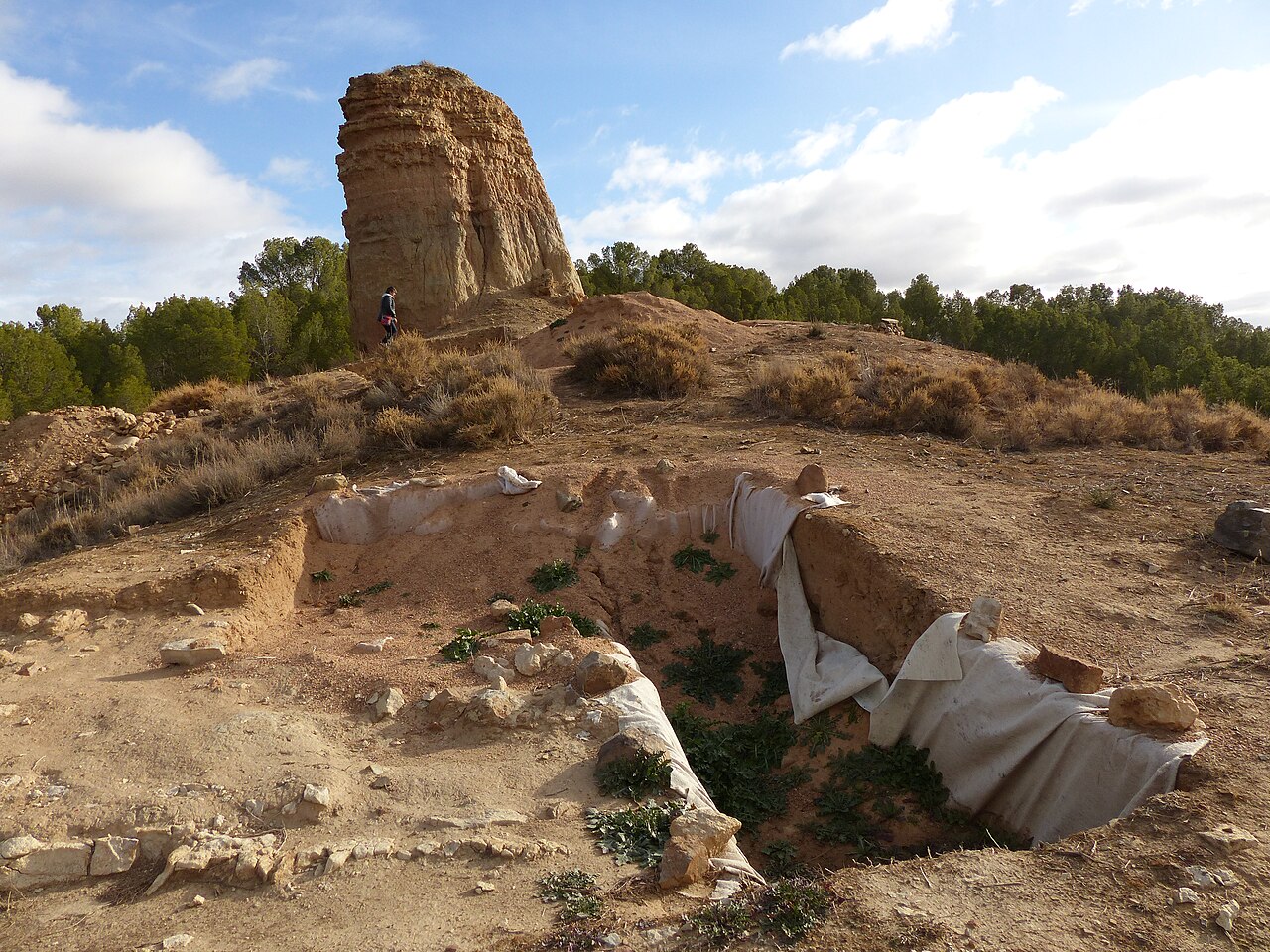
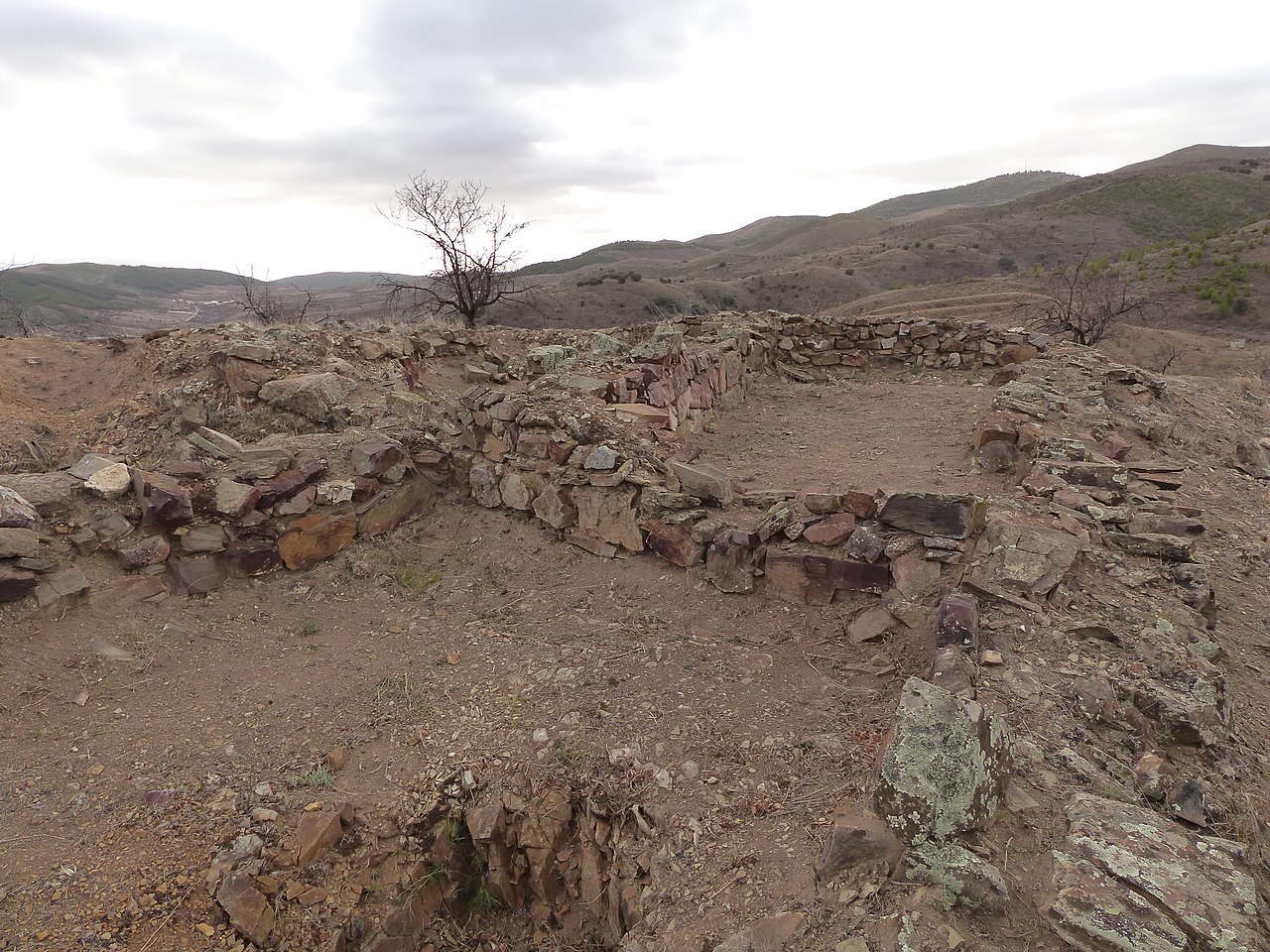
The surviving structure of the Clock Castle is primarily a large rectangular mass built using rammed earth, or tapial, a construction technique prevalent in the 14th century. This method involved compacting layers of earth mixed with other materials into wooden molds, producing thick, durable walls. The castle walls extend approximately 80 meters along the natural rock foundation, which provides a solid and imposing base.
The castle’s walls are connected to the nearby Ayyub Castle, with the Clock Castle positioned at a lower elevation to the south. Together, these fortifications form part of a defensive network of five castles encircling the upper city of Calatayud. This integrated system illustrates the strategic military planning of the medieval period, aimed at protecting the city from external threats.
Within the castle enclosure, there are circular underground chambers carved directly into the bedrock. These subterranean spaces likely served as storage areas, shelters, or military installations, although their precise original functions remain partially speculative. Such chambers are typical of fortresses designed for sustained defense and resource preservation during sieges.
The bell towers and the "foolish clock"
One of the castle’s most distinctive features is found at its summit, where two pillars resembling bell towers stand. Suspended between these towers is a large bell, originally a gift from King Pedro IV in 1366 as a tribute to Calatayud’s bravery during the War of the Two Peters, a conflict between Aragón and Castile in the 14th century. The current bell is a recast version of the original and has earned the nickname "Reloj Tonto", or "Foolish Clock," which has lent its name to the entire castle.
Historical records from the 19th century, notably by Pascual Madoz, mention an original bell tower that no longer exists. This loss highlights changes in the castle’s structure over time, reflecting shifts in its military and civic functions.
Military history and artifacts
The castle’s long martial history is evidenced by the discovery of numerous medieval artillery cannonballs within its grounds. These artifacts provide tangible proof of the castle’s active role in regional conflicts and the evolution of warfare technology over the centuries. The presence of such munitions also indicates the castle’s adaptation to changing military strategies, especially during the late medieval period when artillery became more prominent.
Throughout its history, the castle has witnessed the transition from Muslim to Christian control and the corresponding shifts in defensive architecture and military tactics. The castle’s preservation, despite periods of abandonment, allows for ongoing study of these historical transformations.
Later history and preservation
By the early 17th century, descriptions by João Baptista Lavanha referred to the fortress as a palace, suggesting a shift in its use or status from purely military to more residential or administrative functions. In the 19th century, Pascual Madoz noted that the castle remained well preserved despite advances in military technology that had rendered such fortifications less critical.
Some military refurbishments were undertaken in 1876, reflecting attempts to maintain the castle’s defensive utility. However, it was eventually abandoned as a military stronghold. Today, the castle stands as a partially preserved monument, offering insight into the layered history of Calatayud and the broader region.
The castle’s combination of Islamic military architecture and later Christian modifications make it a valuable site for understanding the cultural and political shifts in medieval Spain. The Clock Castle of Calatayud remains an important heritage site, attracting visitors interested in medieval fortifications, Spanish history, and architectural conservation.
Frequently asked questions (FAQ)
- How do I get to Clock Castle of Calatayud?
- Clock Castle is located in Calatayud, Spain, easily accessible by car or public transportation. If you're traveling by train, the nearest station is in Calatayud, from where you can take a short taxi ride or walk to the castle.
- What is the historical significance of Clock Castle?
- Clock Castle, dating back to the 11th century, played a crucial role in the defense of the region during the Reconquista. Its strategic location allowed it to serve as a stronghold for various rulers, reflecting the rich medieval history of Calatayud.
- When was Clock Castle built?
- Construction of Clock Castle began in the early 11th century, during the time of the Muslim rule in Spain. Over the centuries, it underwent several renovations and expansions which contributed to its unique architectural features.
- Can I access the interior of Clock Castle?
- Yes, visitors can access the interior of Clock Castle during opening hours. Guided tours are available, providing insights into the castle’s history and architectural details.
- Why is Clock Castle known for its architecture?
- Clock Castle is renowned for its blend of Moorish and Christian architectural styles, showcasing intricate stonework and impressive battlements. The castle's layout and design reflect the military needs of its time, making it a fascinating subject for architecture enthusiasts.
- Is it possible to visit Clock Castle year-round?
- Yes, Clock Castle is open to visitors throughout the year, although opening hours may vary by season. It is advisable to check the official website for the most accurate information before your visit.
- What are the ticket prices for visiting Clock Castle?
- Ticket prices for Clock Castle are quite affordable, with discounts available for students and seniors. Family passes are also offered, making it an economical option for groups.
- What is the best time to visit Clock Castle?
- The best time to visit Clock Castle is during the spring and fall when the weather is mild and pleasant for exploring. These seasons also offer fewer tourists, allowing for a more enjoyable experience.
- Are there any nearby attractions to visit?
- Yes, nearby attractions include the historic center of Calatayud, the Church of San Andrés, and the Monastery of Calatayud. These sites complement your visit to Clock Castle and offer a deeper understanding of the region's history.
Information
Loading map...
Visitor reviews
No reviews yet. Been here? Write the first review and help other travelers!
Write the first reviewVisited this castle? Share your experience
Your review helps other travelers and adds first-hand knowledge to our encyclopedia.