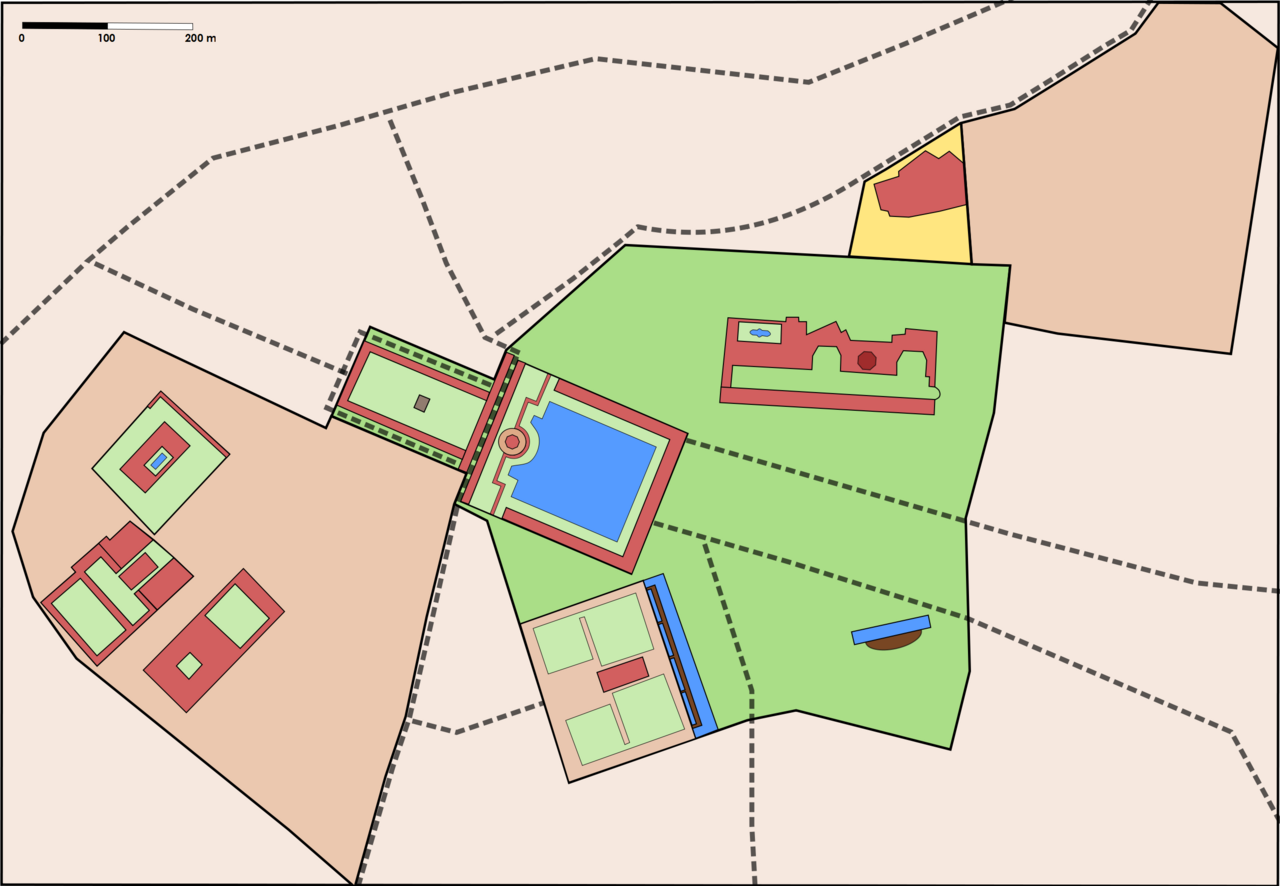
The Domus Transitoria, meaning "House of Passage," was the initial imperial residence constructed by Roman emperor Nero during his reign from 54 to 68 AD. This palace served as a crucial architectural precursor to Nero's later and more famous Domus Aurea (Golden House). The Domus Transitoria was strategically designed to connect various parts of the Palatine Hill and the Esquiline Hill, effectively linking Nero’s existing residences and gardens into a sprawling imperial complex.
Architectural significance and layout
The palace was innovative in its use of space and design, reflecting Nero's ambition to create a grand and unified imperial residence. The Domus Transitoria featured extensive corridors, grand halls, and elaborate frescoes that adorned its interiors. The palace's design incorporated water features and gardens, elements that would be dramatically expanded in the subsequent Domus Aurea. The architectural style combined Roman imperial grandeur with emerging trends in luxury and comfort, setting a precedent for later imperial palaces.
Connection to the domus aurea
After the Great Fire of Rome in 64 AD, which devastated large parts of the city, the Domus Transitoria suffered significant damage. Nero seized the opportunity to expand and transform the site into the Domus Aurea, an even more lavish palace complex characterized by vast gardens, artificial lakes, and innovative architectural features such as octagonal rooms and extensive use of gold leaf decoration. The Domus Transitoria thus represents the foundational phase of Nero's grand architectural vision.
Historical context and significance
The Domus Transitoria was built during a period of significant political and social change in Rome. Nero’s reign is often remembered for its extravagance and the emperor’s ambitious building projects. The palace not only served as a residence but also as a symbol of imperial power and prestige. Its construction demonstrated Nero's desire to consolidate his rule and impress both the Roman elite and the populace.
Impact of the great fire
The Great Fire of Rome in 64 AD was a pivotal event in the history of the city and Nero’s reign. The fire destroyed much of Rome’s residential and public buildings, including the Domus Transitoria. In the aftermath, Nero’s reconstruction efforts, including the expansion into the Domus Aurea, were part of a broader urban renewal plan. The Domus Transitoria’s ruins reveal insights into the scale and ambition of Nero’s architectural projects.
Archaeological remains and preservation
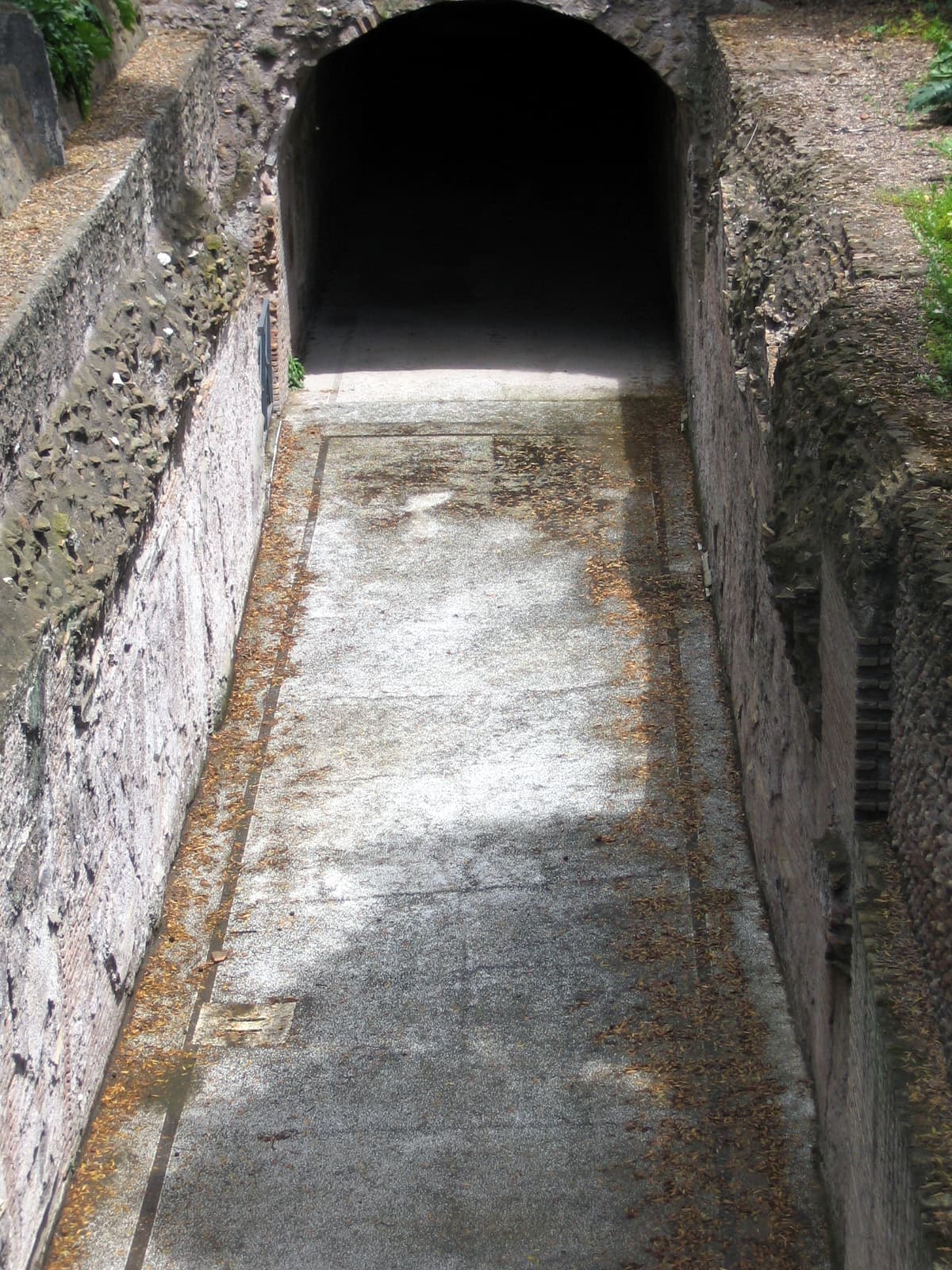
Today, the Domus Transitoria exists primarily as archaeological ruins beneath the Palatine Hill in Rome. Excavations have uncovered fragments of its walls, frescoes, and structural elements that highlight the palace’s original grandeur. The site is significant for understanding early imperial Roman architecture and the evolution of palace design. Despite its ruined state, the remains provide valuable information about construction techniques and artistic styles of the period.
Current condition and access
The ruins of the Domus Transitoria are partially accessible to visitors through guided tours of the Palatine Hill archaeological area. Conservation efforts aim to stabilize the site and preserve its delicate frescoes and masonry. Visitors can appreciate the palace’s layout and its role in the broader context of Nero’s building programs, though much of the structure remains underground and fragmentary.
Legacy and cultural importance
The Domus Transitoria holds a unique place in the history of Roman imperial architecture as Nero’s first palace project and a stepping stone to the more famous Domus Aurea. Its remains contribute to our understanding of Roman imperial ideology expressed through architecture. The palace reflects the complexities of Nero’s reign, combining artistic innovation with political symbolism.
As an archaeological site, the Domus Transitoria continues to attract scholars and tourists interested in ancient Rome’s imperial past. Its study enriches knowledge of Roman construction methods, decorative arts, and urban development during the 1st century AD.
Frequently asked questions (FAQ)
- What is Domus Transitoria?
- Domus Transitoria was an ancient Roman palace built by Emperor Nero in the first century AD. This remarkable structure served as a link between Nero's Golden House and the Palatine Hill, showcasing the opulence of Roman architecture and imperial lifestyle.
- When was Domus Transitoria constructed?
- Domus Transitoria was constructed around 64 AD during Emperor Nero's reign. It was one of the first significant structures built after the Great Fire of Rome, representing a new architectural vision for the city.
- How do I visit Domus Transitoria?
- Currently, Domus Transitoria is not a standalone tourist attraction, but it can be viewed as part of guided tours that explore the archaeological sites around the Palatine Hill. Make sure to check local tour operators for availability and schedules.
- What are the opening hours for Domus Transitoria?
- As Domus Transitoria is part of the larger archaeological complex, the opening hours usually align with those of the Palatine Hill and Roman Forum. Generally, the site is open from 9 AM to one hour before sunset, but it's best to verify current hours before your visit.
- Is it possible to access Domus Transitoria with a wheelchair?
- Access to the archaeological sites in Rome, including the area around Domus Transitoria, can be challenging due to uneven terrain and historical structures. However, there are some pathways and areas that are wheelchair accessible, so it is advisable to check specific accessibility options before your visit.
- Why is Domus Transitoria significant in Roman history?
- Domus Transitoria is significant because it represents the extravagant lifestyle of Emperor Nero and the architectural innovations of ancient Rome. Its ruins provide insight into the imperial ambitions and artistic achievements of the era, marking a key period in the evolution of Roman architecture.
- What nearby attractions should I visit while at Domus Transitoria?
- While visiting Domus Transitoria, you can explore the nearby Palatine Hill, Roman Forum, and the Colosseum. These attractions offer a comprehensive view of ancient Roman life and architecture, making them essential stops for history enthusiasts.
- Can I buy tickets for Domus Transitoria online?
- Tickets for the archaeological area that includes Domus Transitoria can generally be purchased online through official websites. It is recommended to buy tickets in advance to avoid long queues and ensure entry into the popular sites in the area.
Photo gallery

Information
Loading map...
Visitor reviews
No reviews yet. Been here? Write the first review and help other travelers!
Write the first reviewVisited this castle? Share your experience
Your review helps other travelers and adds first-hand knowledge to our encyclopedia.