Ditchan Kala
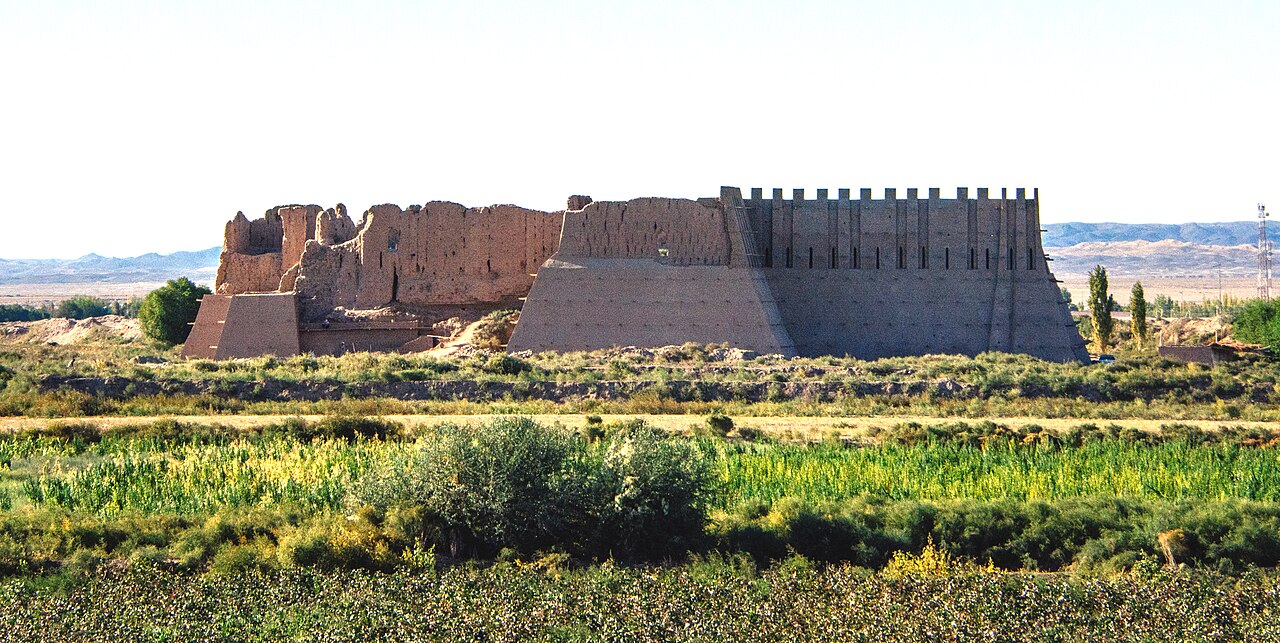
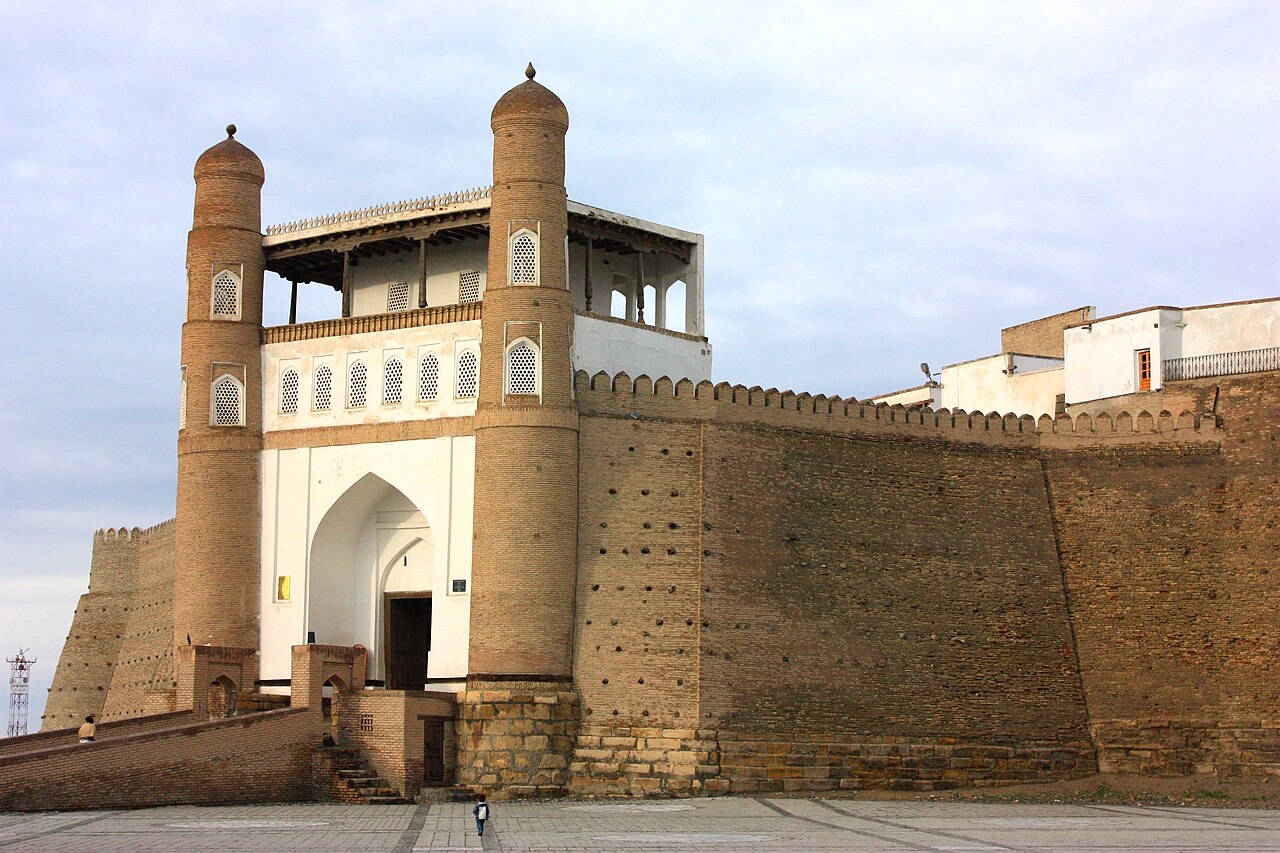
Ditchan Kala, also known as the Outer Fortress (Uzbek: Dishan Qal’a), is a significant part of the historic citadel complex of Khiva in Uzbekistan. Constructed in 1842 under the rule of Khiva khan Allahquli Khan, this bastioned fortress was designed to protect the city from external threats during a turbulent period in Central Asian history. Remarkably, the fortress was completed in just six weeks, a testament to the large workforce and efficient organization involved in its construction.
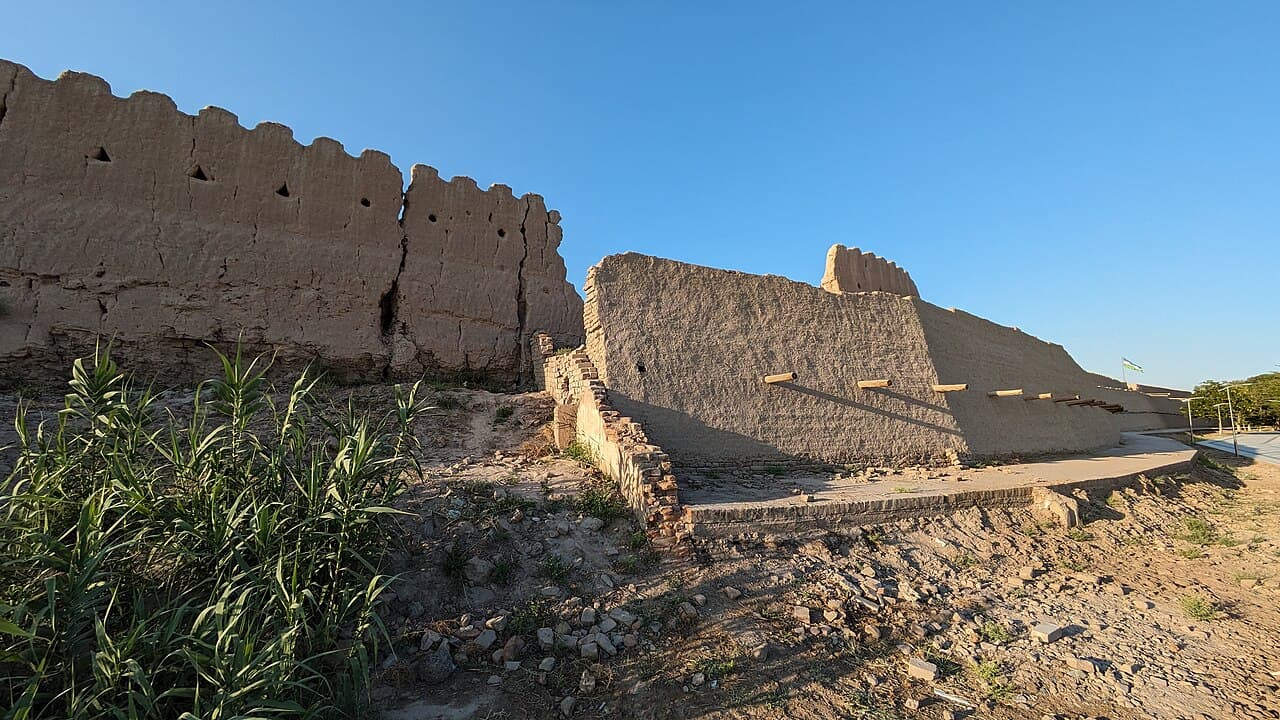
The fortress is characterized by its massive defensive walls, which stretch approximately 6250 meters in length, with a height ranging from 7 to 8 meters and a thickness of 5 to 6 meters. These formidable walls enclose the fortress, providing a strong defensive barrier. The fortress was originally equipped with 10 gates, which controlled access and facilitated movement in and out of the fortified area.
Architectural features and fortifications
Ditchan Kala is classified as a bastioned fortress, a style that incorporates projecting bastions along the walls to provide overlapping fields of fire for defenders. This design was a common military architectural approach in the 19th century, intended to maximize defensive capabilities against artillery and infantry assaults. The fortress walls are constructed from local materials, with thick masonry designed to absorb and deflect enemy attacks.
The fortress layout includes wide streets, such as Hazorasp, Bogi Shamol, Shohimardon, and Qosh, which run through the interior and connect various parts of the complex. These streets have preserved numerous historic monuments, reflecting the cultural and architectural heritage of Khiva.
Notable monuments within Ditchan Kala
Within the walls of Ditchan Kala, several important structures have been preserved, including the Nurullaboy Palace, known for its intricate tile work and traditional Uzbek architecture. The Sayidboy Madrasah and Mosque represent significant religious and educational centers from the period. Other notable sites include the Sayid Mohi Rui Jahan, Toʻrt Shabboz, and the Abdolbobo Complexes, which collectively showcase the rich cultural tapestry of Khiva during the 19th century.
Historical context and significance
The construction of Ditchan Kala in the mid-19th century was driven by the need to defend Khiva against growing external threats, including incursions by neighboring powers and tribal conflicts. The fortress served as a critical military installation, safeguarding the city and its inhabitants. Its rapid construction reflects the urgency and strategic importance placed on fortifying Khiva at that time.
Over the years, Ditchan Kala has transitioned from a purely military fortress to a complex that includes administrative and residential buildings, as well as courtyards that served various civic functions. This evolution illustrates the changing role of the fortress in the social and political life of Khiva.
Preservation and current condition
Today, Ditchan Kala is well preserved and remains an integral part of Khiva's historic cityscape. It attracts visitors interested in Central Asian history, military architecture, and Uzbek cultural heritage. The fortress's extensive walls and gates, along with the preserved monuments inside, offer valuable insights into 19th-century fortress construction and urban design in the region.
The fortress continues to be a symbol of Khiva’s resilience and historical significance, contributing to the city’s status as a UNESCO World Heritage site. Visitors can explore the fortress's streets, admire the architectural details of the palaces and madrasahs, and gain a deeper understanding of the region’s past.
Frequently asked questions (FAQ)
- When was Ditchan Kala built and by whom?
- Ditchan Kala was built in 1842 by Khiva khan Allahquli Khan to protect the city from external attacks.
- What are the main architectural features of Ditchan Kala?
- Ditchan Kala is a bastioned fortress featuring massive walls up to 8 meters high and 6 meters thick, with 10 gates and bastions for defense.
- Can visitors see historic monuments inside Ditchan Kala?
- Yes, visitors can explore historic monuments such as Nurullaboy Palace, Sayidboy Madrasah and Mosque, and the Abdolbobo Complexes within the fortress.
- Is Ditchan Kala well preserved for tourism?
- Yes, the fortress is well preserved and forms part of Khiva’s UNESCO World Heritage site, attracting tourists interested in history and architecture.
- What is the significance of Ditchan Kala in Khiva’s history?
- Ditchan Kala played a crucial role in defending Khiva during the 19th century and reflects the city’s strategic military architecture of that period.
Photo gallery

Information
Loading map...
Visitor reviews
No reviews yet. Been here? Write the first review and help other travelers!
Write the first reviewVisited this castle? Share your experience
Your review helps other travelers and adds first-hand knowledge to our encyclopedia.