Dinaburga Castle Ruins
Dinaburga Castle, also known by its German name Dünaburg and Latvian names Vecdaugavpils or Vecpils, stands as a significant medieval fortress located in Naujene Parish, within the Augšdaugava Municipality of the Latgale region in eastern Latvia. Positioned strategically on a high bank of the Daugava River, this castle played a vital role in the military and political landscape of the region during the High Medieval period.
Construction and strategic importance
The castle was constructed between 1273 and 1277 by the Livonian Order, a branch of the Teutonic Knights active in the Baltic region. Its location on the elevated riverbank provided a commanding view of the surrounding area and control over the important waterway of the Daugava River, which was a crucial trade and military route at the time. This strategic positioning allowed Dinaburga Castle to serve as both a defensive stronghold and a base for military operations in the contested borderlands between Livonia and the Russian principalities.
Architectural features and layout
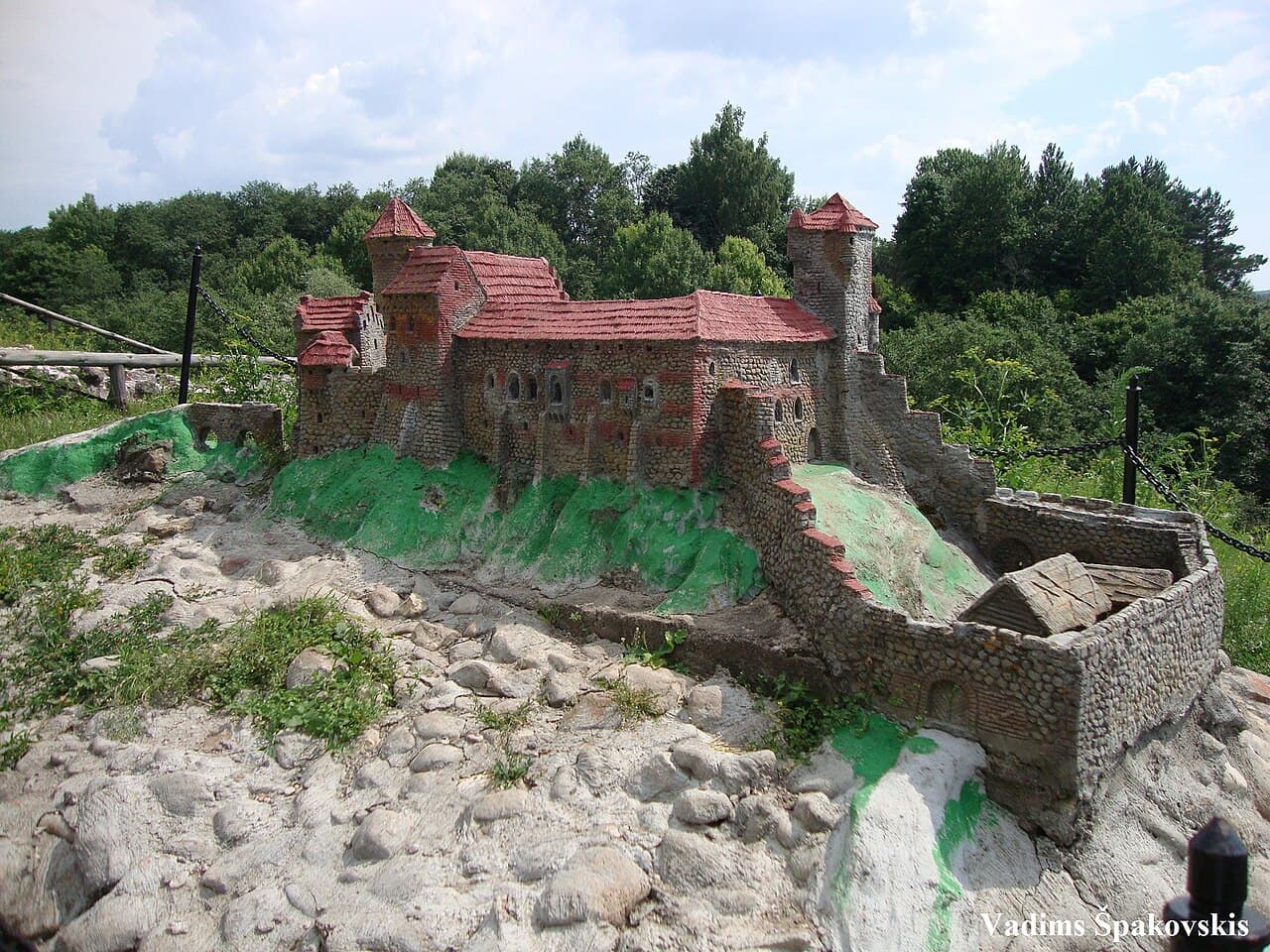
While much of the castle is now lost, archaeological studies and remaining foundations reveal that Dinaburga Castle was built in the typical style of High Medieval fortifications used by the Livonian Order. The castle featured robust stone walls, defensive towers, and a fortified gatehouse designed to withstand sieges. Its layout likely included a central courtyard surrounded by residential and administrative buildings, as was common in castles of this order and period.
Defensive structures
The castle's walls were constructed from local stone, thick enough to resist artillery and battering during assaults. Defensive towers provided vantage points for archers and lookouts, while the gatehouse controlled access to the interior. The elevated position on the riverbank also functioned as a natural defense, with steep slopes limiting enemy approach.
Historical context and destruction
Dinaburga Castle was a focal point during the frequent conflicts between the Livonian Order and the expanding Russian principalities. It was besieged multiple times, reflecting the turbulent history of the Baltic region in the late Middle Ages. The castle was ultimately destroyed by Russian troops before 1577, during the Livonian War (1558–1583), a conflict that reshaped the political boundaries of the Baltics.
Archaeological significance and current state
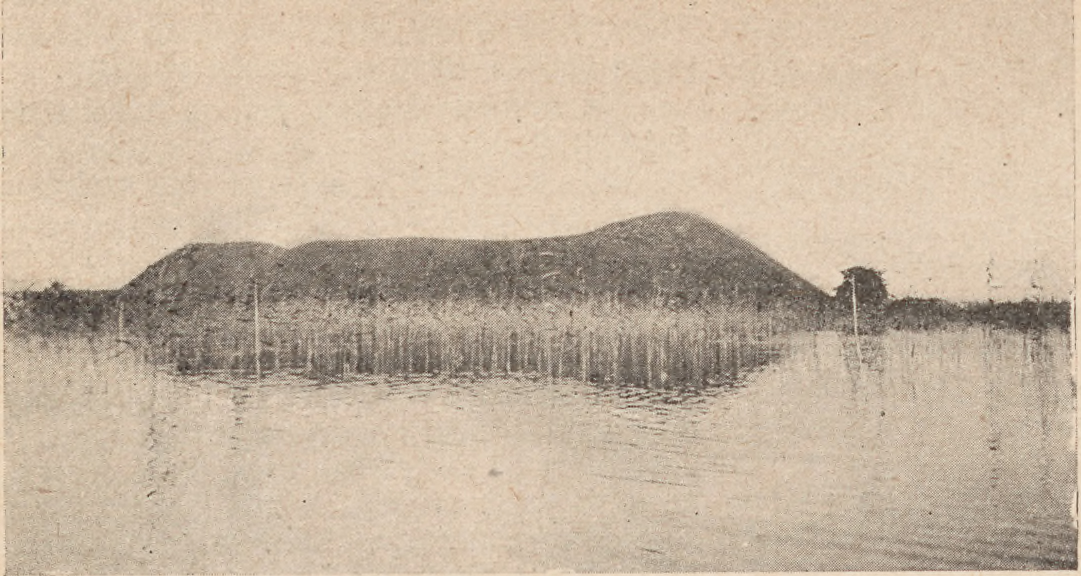
Today, Dinaburga Castle exists as archaeological ruins with only fragments of its foundations exposed. These remains provide valuable insights into the construction techniques and military architecture of the Livonian Order during the High Medieval period. The site is an important cultural heritage location that attracts historians and archaeologists interested in medieval Baltic history.
Preservation and access
The ruins are accessible to visitors who can explore the site and imagine the castle's former grandeur. Efforts have been made to preserve the visible foundations and interpret the historical significance of the location. The castle's position near the Daugava River continues to offer scenic views and a tangible connection to Latvia's medieval past.
Frequently asked questions (FAQ)
- What is the historical significance of Dinaburga Castle Ruins?
- Dinaburga Castle, built in the 13th century, played a vital role in the defense of Livonia against various invaders. It was strategically located near the Daugava River, serving as a military stronghold and administrative center for the region. Today, it stands as a testament to the medieval architecture and history of Latvia.
- When was Dinaburga Castle constructed?
- Dinaburga Castle was constructed in 1270, during a time when the Livonian Order was expanding its influence in the Baltic region. The castle underwent several modifications and renovations over the years, reflecting the architectural styles of different periods until it fell into disrepair.
- Can I visit Dinaburga Castle Ruins?
- Yes, Dinaburga Castle Ruins are open to visitors, allowing them to explore the remnants of this historic site. Visitors can wander through the ruins and enjoy the scenic views of the surrounding landscape. It is advisable to check local guidelines for any access restrictions.
- Is it possible to access the castle by public transport?
- While public transport options may be limited, it is possible to reach Dinaburga Castle by bus or taxi from nearby towns. Many visitors opt to drive, as parking is available near the site. Planning your visit in advance can help ensure a smooth journey.
- What are the opening hours for Dinaburga Castle Ruins?
- Dinaburga Castle Ruins are typically open year-round, but visiting hours may vary depending on the season. It is recommended to check the local tourism website or contact the visitor center for the most accurate and up-to-date information regarding opening hours.
- When is the best time to visit Dinaburga Castle?
- The best time to visit Dinaburga Castle is during the late spring and early autumn months when the weather is mild and conducive for outdoor exploration. This period also offers beautiful natural scenery, enhancing the experience of the castle's historic atmosphere. Summer is popular among tourists, while fall provides a quieter experience.
- Are there any nearby attractions to visit?
- Yes, the area surrounding Dinaburga Castle offers several attractions, including the picturesque Daugava River and various hiking trails. Visitors can also explore the nearby town of Naujene, which features charming local architecture and cultural sites. Combining these experiences can make for a fulfilling day trip.
- What are the ticket prices for visiting Dinaburga Castle Ruins?
- Entry to Dinaburga Castle Ruins is usually free, allowing visitors to appreciate the historical site without any cost. However, for guided tours or special events, there may be a fee. It is advisable to check for any updates or changes in pricing before your visit.
Photo gallery

Information
Loading map...
Visitor reviews
No reviews yet. Been here? Write the first review and help other travelers!
Write the first reviewVisited this castle? Share your experience
Your review helps other travelers and adds first-hand knowledge to our encyclopedia.