Dieppe Castle
Dieppe Castle, known locally as Château-Musée de Dieppe, stands prominently in the coastal town of Dieppe in the Normandie region of France. Perched on a cliff approximately 30 feet above sea level, it commands a strategic view over the English Channel, a location that has shaped its military and historical significance since the High Medieval period.
The original fortress at this site was constructed in 1188 under the orders of King Henry II of England and his son, Richard the Lionheart. This early castle was primarily intended to defend the town and monitor maritime activity along the Channel coast. However, this initial structure was short-lived; it was destroyed in 1195 by King Philip II of France during the power struggles of the era.
The medieval origins and early fortifications
Following the destruction of the original castle, the site lay dormant until the 14th century, a time when Dieppe faced threats from both Flemish forces and the English. Around 1360, the town walls were constructed to fortify Dieppe, and a new fortification was erected on the site of the former castle. This phase marked the beginning of Dieppe's transformation into a fortified stronghold.
Reconstruction under Charles des Marets
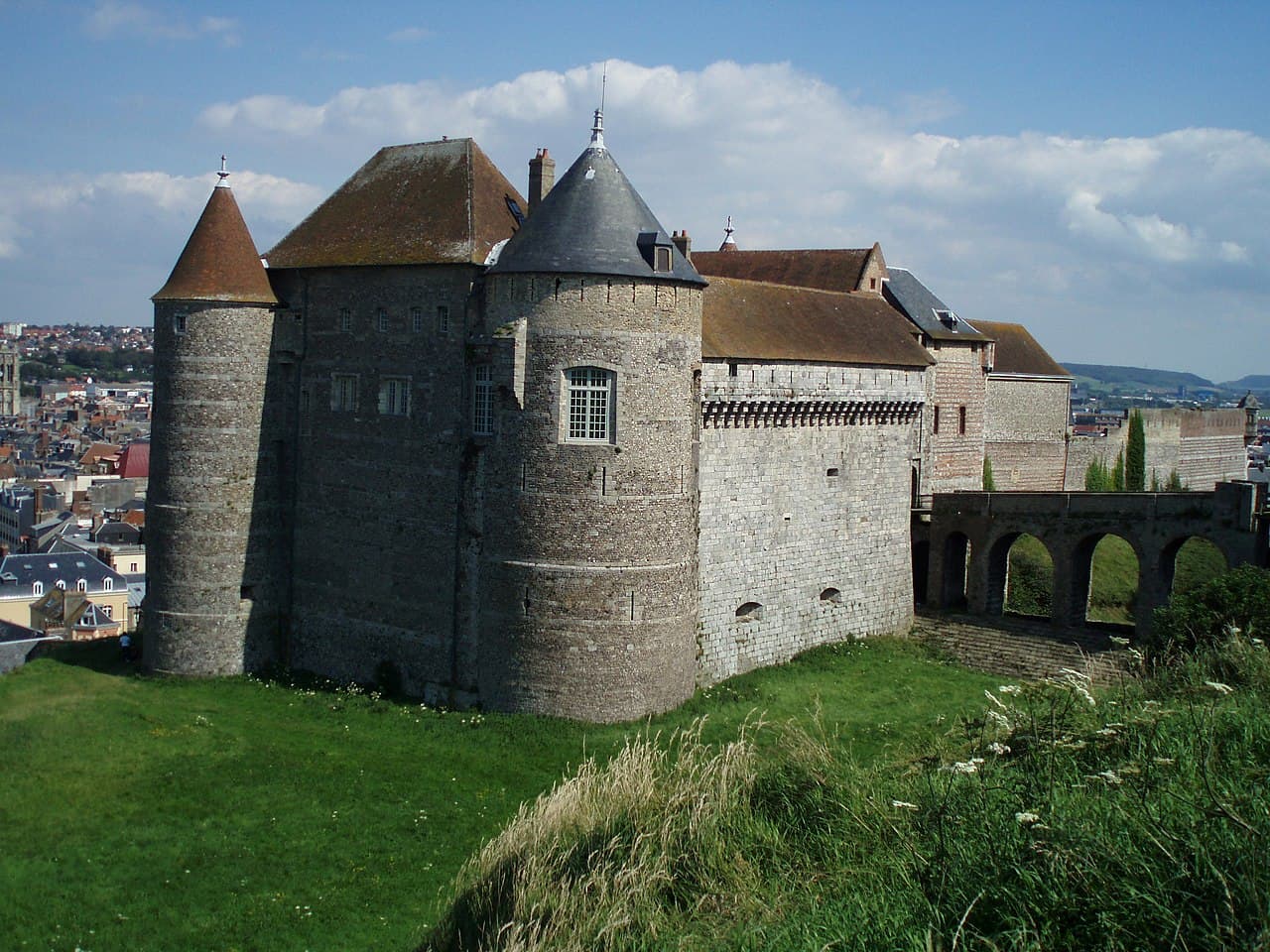
In 1435, Dieppe was liberated from English control by Charles des Marets, a captain serving under King Charles VII of France. Between 1443 and 1455, des Marets oversaw the construction of a new castle on the historic site. This castle featured a rectangular enclosure fortified by four towers and a gate tower protecting a drawbridge. The castle was integrated with the town's defensive walls, enhancing the overall fortification system.
Enhancements for artillery defense and architectural evolution
During the 16th century, the castle underwent significant modifications to adapt to the evolving nature of warfare, especially the increasing use of artillery. A barbican was constructed to safeguard the southeast façade, and a new tower was added at the base of the castle, linked to the existing fortifications. Later in the century, a square tower was built to the south, and the enclosure was extended in that direction to incorporate the square bell tower of the Saint Rémy church.
Architectural materials and styles
The castle’s construction showcases a blend of architectural styles reflecting its long history. The use of flint and sandstone is prominent in the walls and towers. The large west tower, possibly dating from the 14th century, served as the keep and is a key feature of the castle's medieval character. Over time, elements of brick bastions and other buildings were incorporated, demonstrating adaptations to changing military technologies.
Transition from fortress to residence and museum
From the 17th century onward, Dieppe Castle gradually lost its military function. It was repurposed as barracks and later as the residence for the city's governor. During this period, the castle’s defensive features were softened; large windows were installed in the walls, and the towers were topped with roofs, reflecting its new residential role.
In the 20th century, the castle played roles in both World Wars. British troops occupied it during World War I, and German forces held it from 1940 to 1944 during World War II. The castle’s military significance had diminished, but its strategic location remained important.
Current status as a cultural and historical museum
Today, Dieppe Castle serves as a museum that houses an impressive collection of ivory artifacts including crucifixes, rosaries, statuettes, fans, and snuffboxes. The museum also features maritime exhibits and preserves the papers and personal belongings of the renowned composer Camille Saint-Saëns, who was born in Dieppe.
The castle offers visitors panoramic views over the town and the coastline, making it a popular destination for both history enthusiasts and tourists. It has been officially classified as a monument historique by the French Ministry of Culture since 1862, underscoring its cultural and architectural significance.
Visitor information and accessibility
The castle is located at 6 Rue de Chastes in Dieppe and is open to the public for a fee. Its well-preserved and restored condition allows visitors to explore various parts of the fortress, including the towers, courtyards, and museum galleries. The site provides an educational glimpse into the military architecture of the High Medieval and Renaissance periods, as well as the evolving role of such fortifications in French history.
Historical significance and architectural legacy
Dieppe Castle exemplifies the evolution of medieval military architecture in Normandy. Its origins in the 12th century and subsequent reconstructions reflect the turbulent history of the region, marked by Anglo-French conflicts and advances in siege technology. The castle’s integration with town walls and its adaptations to artillery defense demonstrate the strategic importance of coastal fortifications.
The castle’s preservation and conversion into a museum ensure that its rich history remains accessible. Its collections, architecture, and commanding location continue to attract visitors interested in the heritage of Normandy and the broader history of medieval fortifications in France.
Frequently asked questions (FAQ)
- What is the historical significance of Dieppe Castle?
- Dieppe Castle, built in the 15th century, played a crucial role in the defense of the town against invasions, particularly during the Hundred Years' War. Its imposing structure and strategic location reflect the military architecture of the period, offering insight into the historical conflicts of the region.
- When was Dieppe Castle built?
- Construction of Dieppe Castle began in 1430 and was completed in 1450. It was originally commissioned by King Charles VII as a fortification to protect the port town of Dieppe from English attacks.
- What are the opening hours for Dieppe Castle?
- Dieppe Castle is typically open to visitors from 10 AM to 6 PM daily, but these hours may vary during the off-season. It is advisable to check the official website for any seasonal changes or special events that might affect accessibility.
- Can I visit Dieppe Castle with my family?
- Yes, Dieppe Castle is family-friendly and offers a range of activities suitable for visitors of all ages. The castle grounds provide ample space for exploration, and educational exhibits make it an engaging experience for children.
- Is Dieppe Castle accessible for visitors with disabilities?
- Yes, Dieppe Castle strives to be accessible for all visitors, including those with disabilities. There are designated pathways and facilities to ensure a comfortable visit, but it is recommended to check in advance for specific accessibility options.
- What is the best time to visit Dieppe Castle?
- The best time to visit Dieppe Castle is during the spring and early autumn months when the weather is mild and pleasant. This allows visitors to enjoy the scenic views and gardens surrounding the castle without the summer crowds.
- What are the ticket prices for Dieppe Castle?
- Tickets for Dieppe Castle are generally priced at around €7 for adults, with discounts available for students and children. Special rates may apply for group visits, and it’s advisable to check online for the latest pricing and any potential free entry days.
- Are there nearby attractions to visit after exploring Dieppe Castle?
- Yes, after visiting Dieppe Castle, you can explore nearby attractions such as the Dieppe Museum, which showcases local history and art, and the beautiful Dieppe Beach. The charming streets of Dieppe also offer various shops and cafes for a complete day out.
Photo gallery

Information
Address
6 Rue de Chastes, Dieppe, France
Loading map...
Visitor reviews
No reviews yet. Been here? Write the first review and help other travelers!
Write the first reviewVisited this castle? Share your experience
Your review helps other travelers and adds first-hand knowledge to our encyclopedia.