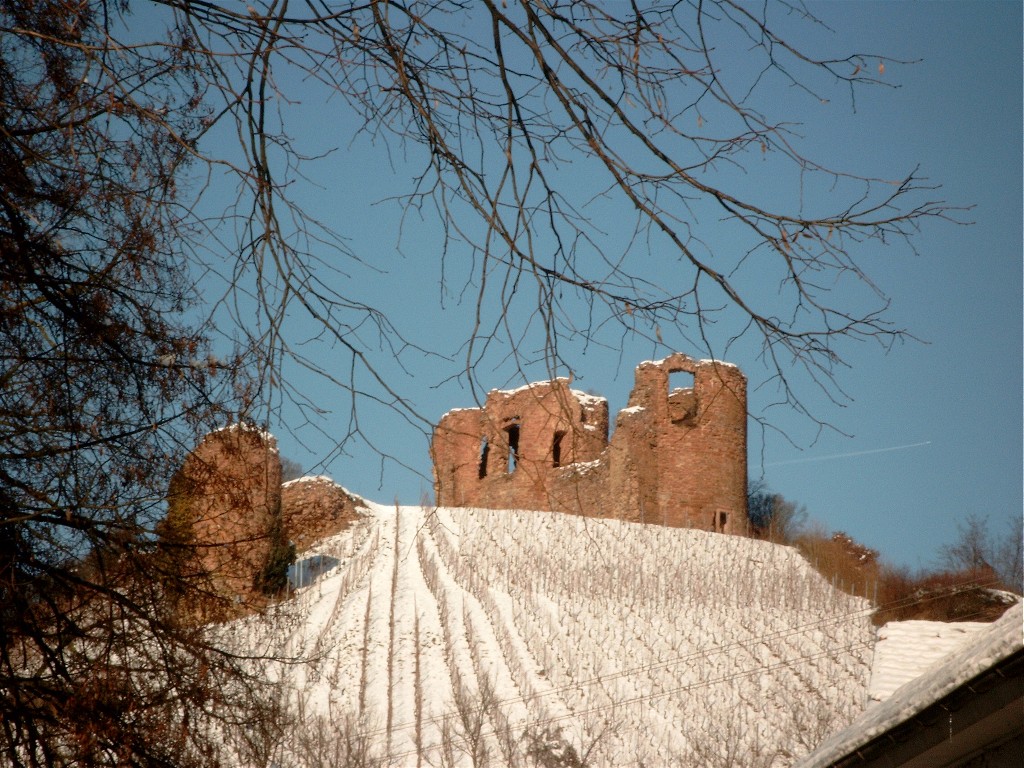
Dalberg Castle
Dalberg Castle, located in Dalberg, Germany, is a medieval fortress with origins dating back to the mid-12th century. Constructed between approximately 1150 and 1170, the castle was strategically positioned to oversee and control the surrounding region during the High Medieval period. Its location and architecture reflect the typical defensive and residential needs of noble families during this era.
Historical background and construction
The castle was initially established as a stronghold for the Dalberg noble family, who played a significant role in the local governance and military affairs of the region. Built during the High Medieval period, the structure was primarily designed to serve both as a fortified residence and a defensive bastion.
Dalberg Castle's original construction included a Romanesque keep, which remains one of the most prominent surviving features. This keep was the central fortified tower, serving as the last line of defense and the living quarters for the lord of the castle. The use of Romanesque architectural elements, such as thick walls and rounded arches, was typical of the period and aimed at maximizing security.
Architectural features and surviving structures
Despite suffering destruction during the wars of 1635 and 1689, significant portions of the castle have survived. The Romanesque keep stands as a testament to the castle's original medieval design. Alongside the keep, the residential quarters from the 14th century remain partially intact, illustrating the evolution of the castle's use and architectural style over time.
Another notable surviving feature is the former Saint Anthony's Chapel, which served the spiritual needs of the castle's inhabitants. The chapel's remains provide insight into the religious practices and the integration of ecclesiastical architecture within a fortified complex.
Destruction and preservation
Dalberg Castle was severely damaged during two major conflicts in the 17th century. The first destruction occurred in 1635, likely during the Thirty Years' War, a period marked by widespread military campaigns across Germany. The second significant damage was inflicted in 1689, possibly related to the Nine Years' War, which also saw many castles and fortifications targeted and destroyed.
Today, the castle exists as a partially preserved site, with the Romanesque keep, residential quarters, and chapel remains providing valuable historical and architectural insights. These surviving elements allow visitors and researchers to appreciate the castle's medieval origins and subsequent adaptations.
Architectural significance and style
The castle exemplifies Romanesque architectural style prevalent in the 12th century, characterized by robust construction, rounded arches, and thick stone walls. The later additions and modifications in the 14th century introduced elements typical of medieval residential architecture, reflecting changes in comfort and domestic needs.
Dalberg Castle is classified as a hill castle due to its elevated position, which provided strategic advantages for defense and surveillance. The combination of its Romanesque keep and later residential structures offers a layered architectural narrative spanning several centuries.
Visiting Dalberg Castle
While Dalberg Castle is not as extensively restored or developed as some other German castles, its remains are significant for those interested in medieval architecture and history. The site offers a glimpse into the military and domestic life of the High Medieval nobility in the region.
Visitors can explore the ruins of the keep, the residential quarters, and the chapel remains, gaining an understanding of the castle's layout and construction techniques. The castle's setting in the German countryside adds to its historical ambiance.
Frequently asked questions (FAQ)
- What is the historical significance of Dalberg Castle?
- Dalberg Castle, located in the picturesque region of Dalberg, Germany, dates back to the 12th century and has played an essential role in the local history. Originally built as a fortress, it has served various functions over the centuries, including residence for nobility and a military stronghold during conflicts.
- When was Dalberg Castle built?
- Dalberg Castle was constructed in the 12th century, with significant renovations occurring in later periods. Its architecture reflects the medieval style, showcasing elements from both the Romanesque and Gothic eras, making it a fascinating site for history enthusiasts.
- Can I visit Dalberg Castle?
- Yes, Dalberg Castle is open to the public, allowing visitors to explore its rich history and stunning architecture. Guided tours are available, providing insights into the castle's past and its significance in the region.
- What are the opening hours for Dalberg Castle?
- Dalberg Castle is typically open from Tuesday to Sunday, 10 AM to 5 PM. It is advisable to check the official website for any seasonal changes or special closures before planning your visit.
- Is it possible to host events at Dalberg Castle?
- Yes, Dalberg Castle offers facilities for various events, including weddings, corporate meetings, and private gatherings. The unique historical setting provides a remarkable backdrop for any occasion, and interested parties should contact the castle administration for more details.
- What are the ticket prices for visiting Dalberg Castle?
- Admission to Dalberg Castle is reasonably priced, with discounts available for students and seniors. Family passes are also offered, making it an affordable outing for visitors of all ages.
- When is the best time to visit Dalberg Castle?
- The best time to visit Dalberg Castle is during the spring and early autumn months when the weather is mild and pleasant. This also coincides with various local festivals and events that enhance the visitor experience.
- Are there any nearby attractions to explore?
- Yes, the area surrounding Dalberg Castle offers several attractions, including beautiful hiking trails and quaint villages. Visitors can also explore local museums and enjoy the scenic landscapes that characterize this charming region of Germany.
- How do I get to Dalberg Castle?
- Dalberg Castle is easily accessible by car and public transportation, with clear signage directing visitors to the site. For those traveling by train, the nearest station is a short taxi ride away, making it convenient for both local and international travelers.
- Is Dalberg Castle accessible for individuals with disabilities?
- Dalberg Castle is committed to providing accessibility for all visitors, including those with disabilities. The main areas of the castle are equipped with ramps and other accommodations to ensure everyone can enjoy the historical site.
Information
Loading map...
Visitor reviews
No reviews yet. Been here? Write the first review and help other travelers!
Write the first reviewVisited this castle? Share your experience
Your review helps other travelers and adds first-hand knowledge to our encyclopedia.