Cundy House
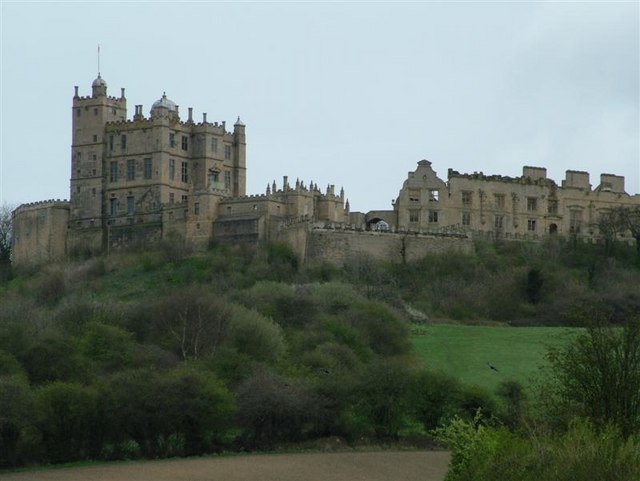
Cundy House at Bolsover in Derbyshire, England, is a fascinating example of early modern water supply engineering closely linked to the nearby Bolsover Castle, located just 300 metres away. This restored 17th-century conduit house, also known as a "Cundy House," served a vital role in channeling water to the castle, reflecting the ingenuity of period hydraulic technology and estate management.
Historical context and purpose
Constructed in the 17th century, the Cundy House was part of a network of similar structures designed to supply water to Bolsover Castle, a prominent high medieval fortress that later became a stately residence. These conduit houses collected and conveyed water from natural springs or sources along the magnesian limestone escarpment upon which the castle is situated. The system exemplifies the practical adaptation of natural topography for estate utility.
Until the 1920s, the Cundy House was operational, channeling water through a lead pipe that descended towards the main road before rising again to the castle's cistern house via a siphon effect. From the cistern, water was manually pumped to elevated tanks, which supplied various uses including a decorative fountain within the castle grounds. This hand pump was unfortunately severed during road construction in the 1920s, ending the conduit house's original function.
Architectural features and design
The Cundy House is a small, robust structure typical of conduit houses of the period, built primarily of local stone. Its design includes a distinctive slit-like window positioned high on the facade overlooking the valley, which historically led to local misconceptions about its purpose. The building's compact form and strategic placement along the escarpment highlight its role as a functional water conduit rather than a defensive or residential structure.
Interestingly, these conduit houses were colloquially known as "sentry boxes" or "watchtowers" by local children in the early 20th century, who used them as play spaces. This misidentification was even reflected in official maps for some time before their true function was clarified by historians and conservationists.
Relationship to Bolsover Castle and surrounding structures
Bolsover Castle itself is a notable example of a high medieval castle later adapted into a Renaissance-style palace, with extensive gardens and water features. The Cundy House was integral to maintaining the castle's water supply, supporting both practical needs and ornamental features such as fountains. The proximity of multiple similar conduit houses along the escarpment indicates a well-planned water management system serving the estate.
Restoration and current status
The Cundy House underwent restoration in 2003 and is now under the custodianship of English Heritage. The restoration preserved the structure as an important example of early water engineering and local heritage. It stands as a testament to the ingenuity of 17th-century hydraulic systems and offers visitors insight into the functional infrastructure that supported grand estates like Bolsover Castle.
Today, the Cundy House is recognized not only for its technical significance but also as a cultural landmark reflecting the daily life and practical challenges of maintaining a large historic estate. Its preservation enriches the understanding of water management history in England and complements the broader heritage experience of visiting Bolsover Castle.
Visiting information and cultural significance
Located within easy walking distance of Bolsover Castle, the Cundy House is accessible to visitors interested in the lesser-known aspects of castle infrastructure. While smaller and less grandiose than the castle itself, it provides a unique glimpse into the essential services that sustained such estates. The site is an excellent example of how historical utility buildings contribute to the complete narrative of castle life and estate management.
Visitors can appreciate the juxtaposition of military architecture and practical engineering, gaining a fuller understanding of how castles functioned beyond their defensive roles. The conduit house also highlights the importance of water supply systems in historic properties, often overlooked in favor of more prominent architectural features.
Frequently asked questions (FAQ)
- What is Cundy House and its historical purpose?
- Cundy House is a 17th-century conduit house built to supply water to Bolsover Castle. It functioned as part of a system channeling water through lead pipes to the castle's cistern and fountains.
- Is Cundy House open to visitors?
- Yes, Cundy House is accessible to visitors as part of the English Heritage sites near Bolsover Castle. It offers insight into historical water supply systems.
- How was water supplied from Cundy House to Bolsover Castle?
- Water was conveyed via a lead pipe using a siphon effect to the castle's cistern house, then pumped by hand to elevated tanks supplying fountains and other uses.
- Why were Cundy Houses mistaken for watchtowers?
- The buildings have slit-like windows and a small, robust form resembling sentry boxes, leading locals to call them watchtowers before their true function was understood.
- When was Cundy House restored?
- Cundy House was restored in 2003 and is now maintained by English Heritage to preserve its historical significance.
Information
Sources & official resources
Verify the information above using these authoritative references.
Loading map...
Visitor reviews
No reviews yet. Been here? Write the first review and help other travelers!
Write the first reviewVisited this castle? Share your experience
Your review helps other travelers and adds first-hand knowledge to our encyclopedia.