Csővár Castle
Csővár Castle stands as a remarkable example of a Hungarian hill castle with a complex history spanning several centuries. Located near the village of Csővár, approximately 20 kilometers east of Vác, this fortress was originally established in the mid-13th century during the reign of King Béla IV. The castle's strategic position atop a rocky hill provided a commanding view of the surrounding landscape, which was essential for defense and control in the turbulent medieval period.
The earliest phase of Csővár Castle was likely constructed by the noble families of Csői and Nézsai, who held estates in the region. Archaeological finds, including silver coins, support the involvement of these families in building the initial smaller fortress. This early structure served as a fortified residence and a defensive stronghold amid the feudal conflicts of the time.
Medieval origins and early history
Csővár's medieval history is marked by conflict and change. In the early 14th century, the castle was besieged and destroyed by Máté Csák, a powerful feudal lord who controlled vast territories in northern Hungary. Following this destruction, the castle lay in ruins for roughly a century, with limited records about its ownership or condition during this period.
By 1423, the castle was significant enough to be considered for royal grants. King Sigismund intended to award Csővár to the noble János Garai, but this transfer was blocked by the king’s adviser, András Chapy. This incident reflects the castle’s importance in the political maneuverings of the Hungarian nobility.
Alliance with the Hussites and decline of the original noble families
In 1444, the impoverished Csői and Nézsai families allied with the Hussite forces led by the military commander Giskra. Together, they captured Csővár, turning it into a base for raids against nearby villages. This period tarnished the castle's reputation as a refuge for bandits and rebels.
The decline of the Csői family culminated in the loss of estates by Csői Miklós in 1470 after acts of fratricide and disorderly conduct. The castle remained in the hands of the Nézsai family until 1474, when the death of the last male heirs caused the property to revert to the royal treasury.
Renaissance transformation and royal ownership
Under the reign of King Matthias Corvinus, Csővár Castle entered a new chapter. Initially pawned to György Parlaghy, the castle was later transferred to the king’s son, Corvin János. After Matthias’s death, János retained possession for some time before the castle passed to Ráskay Balázs, a high-ranking court official.
During Ráskay’s ownership and the ensuing decades, the castle underwent substantial renovations that transformed it from a purely medieval fortress into a Renaissance-style residential castle. These changes reflected broader architectural trends in Hungary, where fortresses were adapted to accommodate more comfortable living spaces while maintaining defensive capabilities.
Fortifications and artillery adaptations
The military significance of Csővár increased notably after the fall of Buda in 1541, when Ottoman forces advanced into Hungary. In response, the castle’s defenses were enhanced with strengthened walls and the addition of an outer bailey, a fortified courtyard providing extra protection. A distinctive feature from this period is the large rondel tower, approximately 20 meters in diameter, designed specifically to mount artillery pieces. This adaptation illustrates the castle’s evolution to meet the challenges posed by gunpowder warfare.
Ottoman occupation and later history
In 1551, a small Ottoman detachment captured Csővár, and the castle remained under Ottoman control for several decades. This occupation was part of the broader Ottoman expansion into Central Europe during the 16th century. After the Ottoman withdrawal, the castle was restored to the descendants of the Ráskay family.
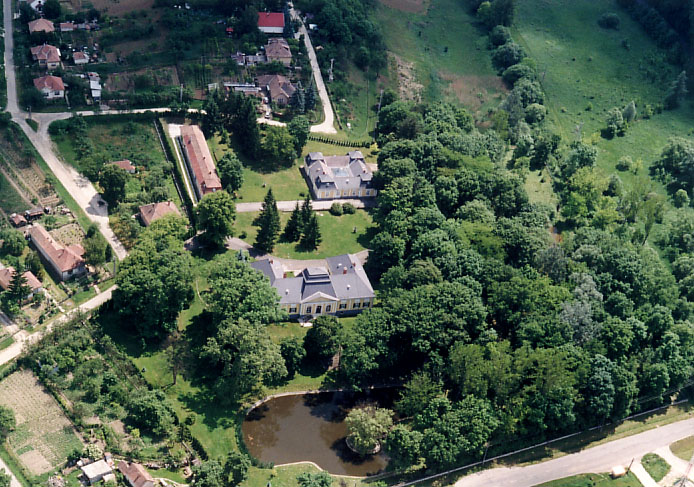
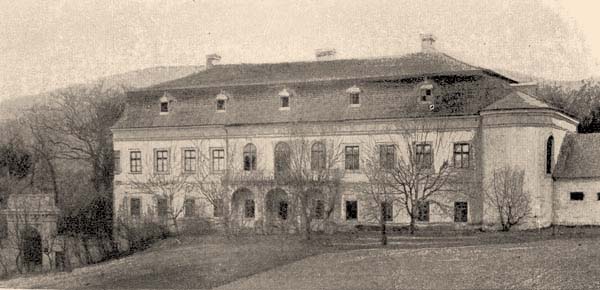
Ownership later passed through marriage to the Károlyi family, and around 1730, the castle exchanged hands to the Prónay family, who held it until the mid-20th century. During the 18th century, parts of the castle were dismantled, and stones were repurposed for constructing the Prónay mansion in the nearby town of Acsa. The Prónay family also introduced Gothic-style windows into the former chapel walls, blending medieval and later architectural elements.
Architectural features and ruins today
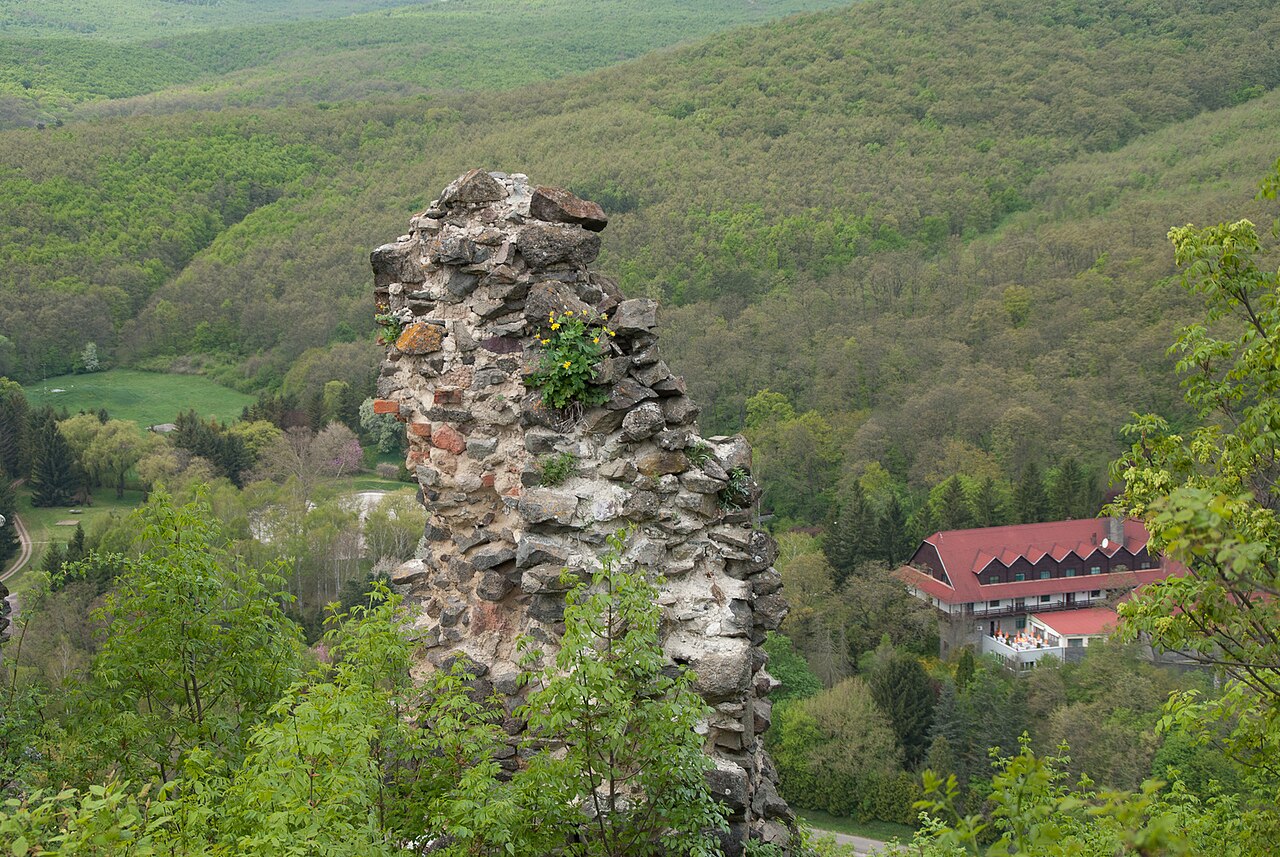
The ruins of Csővár Castle occupy a rocky hill accessible by a hiking path that ascends about 125 meters. The site’s layout reveals its layered history, combining medieval defensive elements with Renaissance residential adaptations. The most prominent surviving structure is a tower stabilized in the mid-20th century to prevent collapse, serving as a key indicator of the castle’s original fortifications.
Excavations in the 1950s and 1960s uncovered a cistern, an underground water reservoir essential for sustaining the castle during sieges. Although fenced off for safety, the cistern provides valuable insight into the castle’s infrastructure.
The Renaissance-era outer bailey and the large rondel tower remain significant features. The rondel’s design accommodated artillery, reflecting the castle’s adaptation to evolving military technology. Narrow, uneven paths and natural hazards such as pits and steep cliffs characterize the site, requiring visitors to exercise caution.
Heritage and scholarly attention
Csővár Castle has attracted scholarly interest since the 18th century, with detailed descriptions and drawings by figures such as Lajos György Arányi in 1875. Restoration efforts led by Lajos Jakus in the mid-20th century focused on stabilizing structures and clearing vegetation. Despite these efforts, no extensive archaeological excavations have been conducted to fully explore the castle’s historical layers.
Today, Csővár Castle stands as a testament to Hungary’s medieval and Renaissance heritage, reflecting the region’s complex history of feudal power struggles, Ottoman occupation, and architectural evolution. Its ruins offer visitors a tangible connection to the past and an opportunity to explore the adaptations of a fortress through centuries of change.
Frequently asked questions (FAQ)
- How do I get to Csővár Castle?
- Csővár Castle is located in Csővár, Hungary, and can be easily reached by car or public transportation. If you are driving, there are parking facilities nearby. For those using public transport, check local bus schedules for the best routes to the castle.
- What is the historical significance of Csővár Castle?
- Csővár Castle dates back to the 13th century and played a crucial role in the defense against invasions in medieval Hungary. It has witnessed numerous historical events and changes in ownership, reflecting the region's tumultuous history. Today, it stands as a testament to Hungary's architectural heritage and medieval military strategy.
- When was Csővár Castle built?
- Csővár Castle was constructed in the early 13th century, making it one of the oldest fortifications in the region. Over the centuries, it has been modified and expanded, resulting in a unique blend of architectural styles that tell the story of its long history.
- Can I visit Csővár Castle year-round?
- Yes, Csővár Castle is open to visitors throughout the year. However, it's advisable to check for any seasonal events or maintenance closures that might affect your visit. The best time to explore the castle is during the spring and fall when the weather is pleasant.
- Why is Csővár Castle a popular tourist destination?
- Csővár Castle attracts visitors due to its rich history, stunning architecture, and picturesque surroundings. The castle offers breathtaking views of the surrounding landscape, making it a perfect spot for photography and exploration. Additionally, various events and guided tours provide deeper insights into its historical significance.
- Is it possible to take guided tours at Csővár Castle?
- Yes, guided tours are available at Csővár Castle, offering visitors an informative experience of its history and architecture. These tours are conducted by knowledgeable guides who share fascinating stories and facts. It is recommended to book in advance during peak tourist seasons.
- What are the opening hours of Csővár Castle?
- Csővár Castle typically opens at 9 AM and closes at 6 PM, though hours may vary based on the season. It's best to check the official website or contact the castle directly for the most current information before your visit.
- What are the ticket prices for visiting Csővár Castle?
- Ticket prices for Csővár Castle vary depending on the age and status of the visitor, with discounted rates available for students and seniors. Children under a certain age may enter for free. Always check the latest pricing information on the castle's official site before your visit.
- Are there any nearby attractions to visit while at Csővár Castle?
- Yes, there are several nearby attractions, including the beautiful natural landscapes of the surrounding hills and hiking trails. Visitors can also explore the local village of Csővár, which offers charming shops and restaurants. Consider spending some time in the region to fully appreciate its beauty and history.
Information
Loading map...
Visitor reviews
No reviews yet. Been here? Write the first review and help other travelers!
Write the first reviewVisited this castle? Share your experience
Your review helps other travelers and adds first-hand knowledge to our encyclopedia.