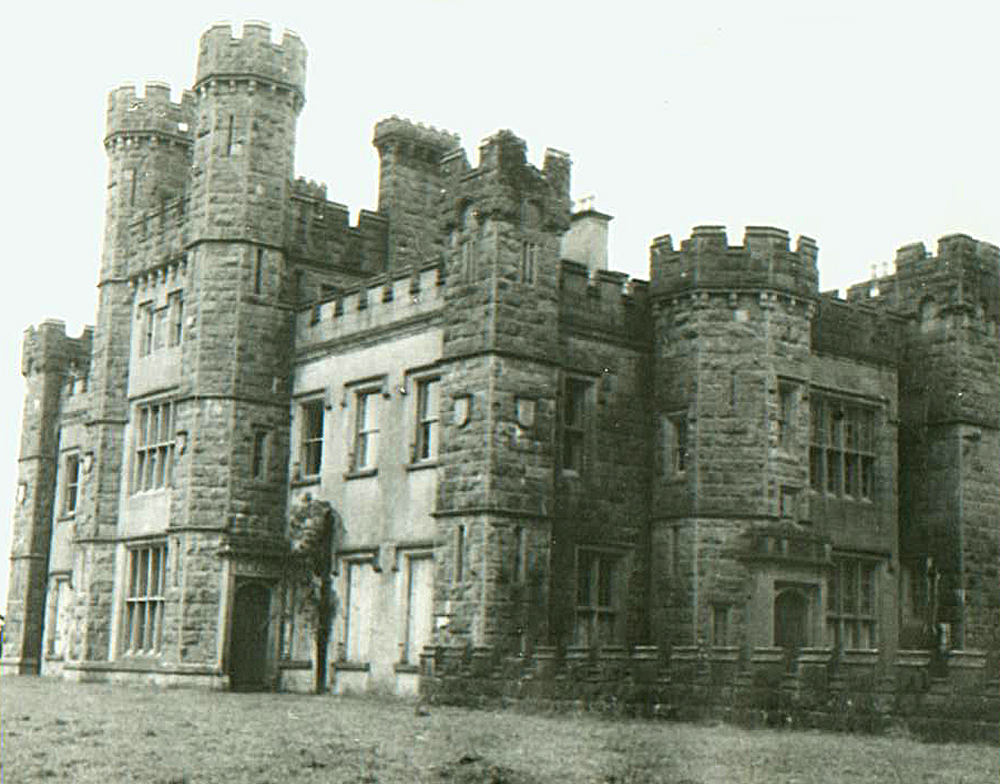
Crom Castle
Crom Castle stands as a notable example of a Victorian country house built in 1820 near Enniskillen, Northern Ireland. Although constructed before the official start of the Victorian era, the castle exhibits many of the architectural features characteristic of early Victorian style, reflecting the transition from Georgian to Victorian tastes. It has been the ancestral home of the Creighton family, later known as the Crichton family, Earls of Erne, for over two centuries.
Historical background and ownership
The estate on which Crom Castle sits has a rich history extending far beyond the current house. The Crom Estate includes the ruins of the Old Crom Castle, a tower house dating back to the early 17th century. This earlier castle was originally owned by the Balfour family until it was acquired by the Creighton family in 1609. The old tower house, now a ruin, provides a tangible link to the estate's early modern period history and the turbulent times of the Irish Plantation and local conflicts.
Architectural features of the Victorian Crom Castle
The present Crom Castle was designed and built in 1820, displaying a blend of Gothic Revival and Victorian architectural elements. The building features a symmetrical façade with battlemented parapets and turrets that evoke the medieval castles of earlier centuries, a popular motif in Victorian country house design. The use of pointed arch windows and decorative stonework reflects the influence of the Gothic Revival movement prevalent in the 19th century.
The interior contains large reception rooms and family living spaces arranged around a central hall. The castle's west wing is currently used for hosting weddings and private events, while parts of the castle are available for holiday stays, offering visitors a chance to experience historic grandeur firsthand.
Estate grounds and historical features
The Crom Estate covers a vast area featuring a variety of historical and functional buildings beyond the main castle. Among these are the old farmyard, a boathouse that once housed the Lough Erne Yacht Club, a tea house, a church, and a schoolhouse. These structures illustrate the self-contained nature of the estate in previous centuries, supporting both the family and estate workers.
The estate is managed by the National Trust, ensuring the preservation of its natural beauty and historical buildings. Visitors can explore the grounds, enjoy the scenic views of Lough Erne, and learn about the estate's rich heritage through the visitor centre located in the old farmyard area.
Current use and visitor experience
Although Crom Castle remains privately owned by the Creighton family, the estate is open to the public in various capacities. The National Trust's management allows visitors to access the grounds and some of the estate's historical features. The castle itself offers exclusive use of the west wing for weddings and private events, while guests can also book stays in this part of the castle for a unique accommodation experience.
The estate's combination of natural landscapes, historic architecture, and preserved outbuildings provides a comprehensive glimpse into the lifestyle of an Irish aristocratic family from the 17th century through to the modern day.
Frequently asked questions (FAQ)
- How do I visit Crom Castle and its estate?
- Crom Castle's estate is managed by the National Trust and open to visitors during specified hours. Visitors can explore the grounds, ruins, and visitor centre. Check the National Trust website for current opening times and any guided tours available.
- What is the historical significance of Crom Castle?
- Crom Castle has been the home of the Creighton family since 1609 and includes the ruins of an earlier 17th-century tower house. It reflects Victorian architectural styles and the history of Irish aristocracy and estate life.
- Can I stay overnight at Crom Castle?
- Yes, the west wing of Crom Castle is available for private stays on a weekly or long weekend basis, offering a unique experience of living in a historic Victorian country house.
- What architectural style is Crom Castle built in?
- Crom Castle is built in a Victorian style with strong Gothic Revival influences, featuring battlemented parapets, turrets, and pointed arch windows typical of the Romantic Neo-Gothic movement.
- Is Crom Castle accessible for weddings and events?
- The west wing of Crom Castle is used for weddings and private events, providing a historic and picturesque setting for special occasions.
- Are there other attractions on the Crom Estate?
- Yes, the estate includes the old farmyard, boathouse, tea house, church, and schoolhouse, all part of the historic estate complex open to visitors.
Information
Sources & official resources
Verify the information above using these authoritative references.
Loading map...
Visitor reviews
No reviews yet. Been here? Write the first review and help other travelers!
Write the first reviewVisited this castle? Share your experience
Your review helps other travelers and adds first-hand knowledge to our encyclopedia.