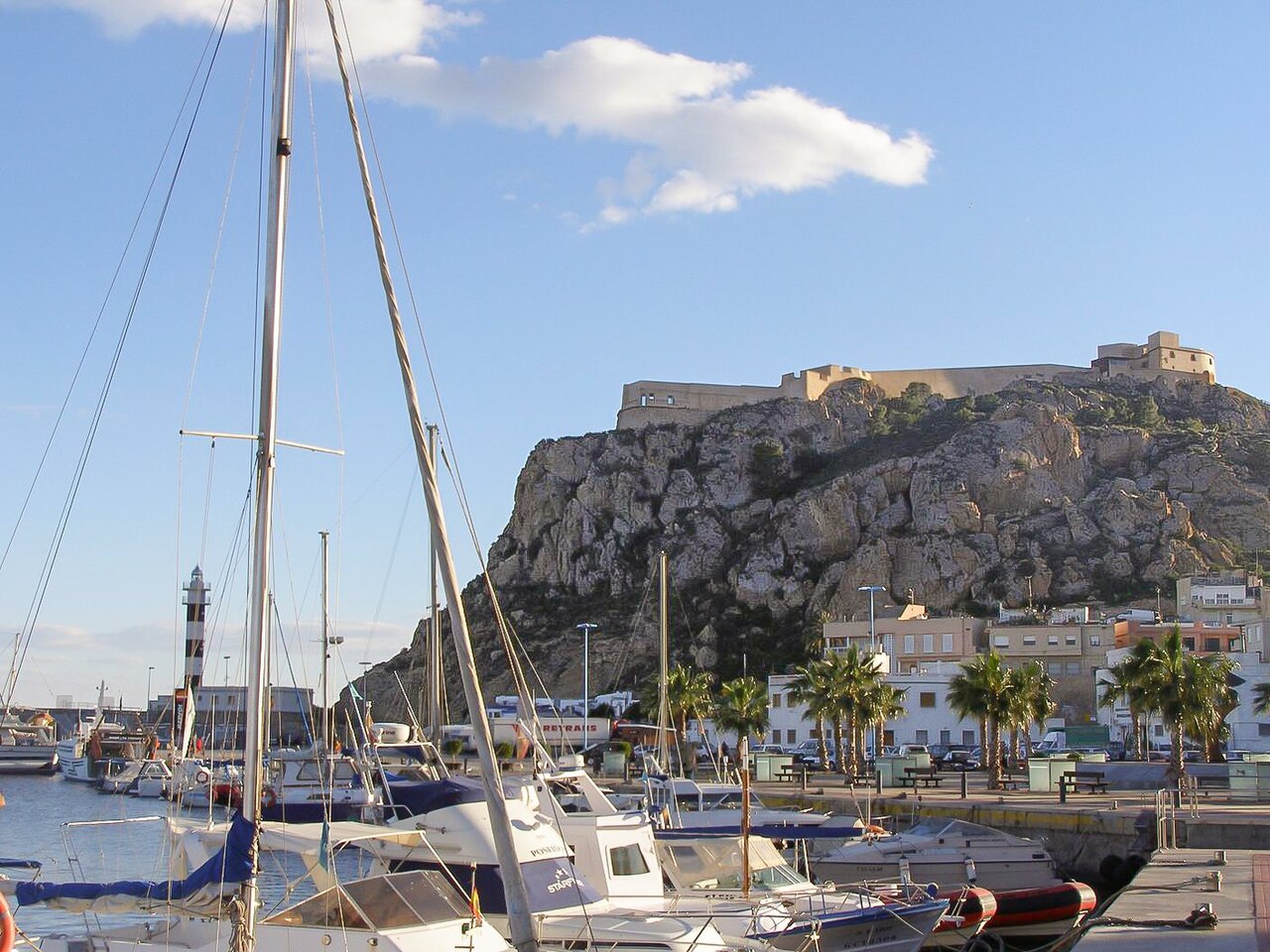
Cope Tower
Cope Tower, locally known as Torre de Cope, is a historic coastal watchtower located next to the sea, east of the town of Calabardina in the province of Murcia, Spain. This tower is a significant example of the defensive architecture developed during the Renaissance period to protect the Spanish Mediterranean coast from pirate incursions.
The historical context of Cope Tower
During the early 16th century, the Spanish Mediterranean coastline faced increasing threats from Barbary pirates operating from North Africa. The establishment of the Turkish settlement in Algiers in 1516 intensified these raids, as pirates frequently landed on Spanish shores to plunder settlements and capture inhabitants as slaves. In response, the Spanish Crown initiated a comprehensive coastal defense strategy.
In 1552, under the reign of Charles V, Holy Roman Emperor, construction began on a network of defensive watchtowers stretching from Alicante to Cádiz. These towers were designed to serve as early warning posts and defensive outposts against pirate attacks. The majority of these towers were completed or enhanced during the reign of his son, Philip II of Spain, in the latter half of the 16th century.
Construction and architectural features of Cope Tower
Cope Tower was initially founded in 1530, although its construction was not completed until 1574. The tower is notable for its peculiar triangular ground plan, which distinguishes it from the more common circular or square coastal towers of the period. This triangular design may have been intended to provide better vantage points and facilitate defense on multiple fronts.
The tower was manned by a small garrison of three to four guards, equipped with only small-caliber weapons. This limited armament proved insufficient to repel repeated pirate attacks, and the tower was vulnerable to being overrun. Historical records indicate that the guards were captured several times during these raids, underscoring the challenges faced in coastal defense during this era.
Decline, reconstruction, and restoration
By the end of the 16th century, Cope Tower had fallen into a state of ruin due to the sustained attacks and the inability to maintain effective defense. In 1663, the tower was rebuilt, resulting in the structure that largely survives today. The reconstruction preserved its distinctive triangular layout while reinforcing its defensive capabilities.
In the early 1990s, the tower underwent a significant restoration aimed at preserving its historic fabric and making it accessible to visitors. Today, the exterior of Cope Tower is freely accessible, offering visitors the opportunity to appreciate its architectural form and coastal setting. However, the interior is generally closed to the public.
Architectural significance and coastal defense role
Cope Tower is an important example of Renaissance military architecture adapted to the specific needs of coastal defense against piracy. Its triangular plan is unusual among Spanish watchtowers, which typically feature circular or square designs. This unique shape may have provided enhanced fields of fire and observation angles, critical for early detection of pirate ships.
The tower's location along the Mediterranean coast of Murcia was strategically chosen to monitor and protect a vulnerable stretch of shoreline. It formed part of a broader network of towers that communicated via signals to alert inland settlements and larger fortresses of impending threats.
Visiting Cope Tower
Visitors to Cope Tower can enjoy its scenic location next to a beach along the Mediterranean coast. While the tower's interior is typically closed, the exterior and surrounding area provide a picturesque setting for photography and exploration. Its proximity to the RM-015 road makes it easily accessible for those traveling in the Murcia region.
The tower stands as a tangible reminder of the historical challenges faced by coastal communities in Spain during the Renaissance and the architectural responses developed to meet those threats.
Frequently asked questions (FAQ)
- How do I get to Cope Tower?
- Cope Tower is conveniently located next to the RM-015 road in Spain, making it easily accessible by car. There are also public transport options available from nearby towns that can take you close to the castle.
- What is the historical significance of Cope Tower?
- Cope Tower dates back to the medieval period and served as a strategic defensive structure in the region. Its historical importance lies in its role during various conflicts, showcasing the architectural evolution of military fortifications in Spain.
- When was Cope Tower built?
- Cope Tower was constructed in the late 15th century, a time when many fortifications were built to protect against invasions. The exact date of its completion is not documented, but it reflects the architectural styles of its era.
- Can I visit Cope Tower?
- Yes, visitors are welcome at Cope Tower, where they can explore its grounds and learn about its history. Guided tours are often available, providing deeper insights into its architectural features and historical context.
- Why is the architecture of Cope Tower unique?
- The architecture of Cope Tower is characterized by its robust stone walls and strategic design meant for defense. Its unique blend of Gothic and Renaissance styles reflects the transitional period in which it was built.
- Is it possible to access the tower's interior?
- Access to the interior of Cope Tower may vary based on preservation efforts and safety regulations. Visitors are encouraged to check ahead for any specific tours that allow entrance to explore its historical interior.
- What are the opening hours for Cope Tower?
- Cope Tower typically opens to visitors from 10 AM to 6 PM, but hours may vary seasonally. It's advisable to check the official website or contact local tourism offices for the most current information before planning your visit.
- What is the best time to visit Cope Tower?
- The best time to visit Cope Tower is during the spring and fall months when the weather is pleasant for outdoor exploration. Additionally, these seasons often have fewer tourists, allowing for a more intimate experience of the castle.
- Are there any nearby attractions to Cope Tower?
- Yes, there are several nearby attractions, including local museums and scenic hiking trails that showcase the beauty of the surrounding landscape. Exploring these attractions can enhance your visit to Cope Tower and provide a broader understanding of the area's history.
- What are the ticket prices for visiting Cope Tower?
- Ticket prices for Cope Tower are generally affordable, with discounts available for children, students, and seniors. It's best to check the official website for the latest pricing and any special offers that may be available during your visit.
Information
Address
Next to the RM-015 road, Spain
Loading map...
Visitor reviews
No reviews yet. Been here? Write the first review and help other travelers!
Write the first reviewVisited this castle? Share your experience
Your review helps other travelers and adds first-hand knowledge to our encyclopedia.