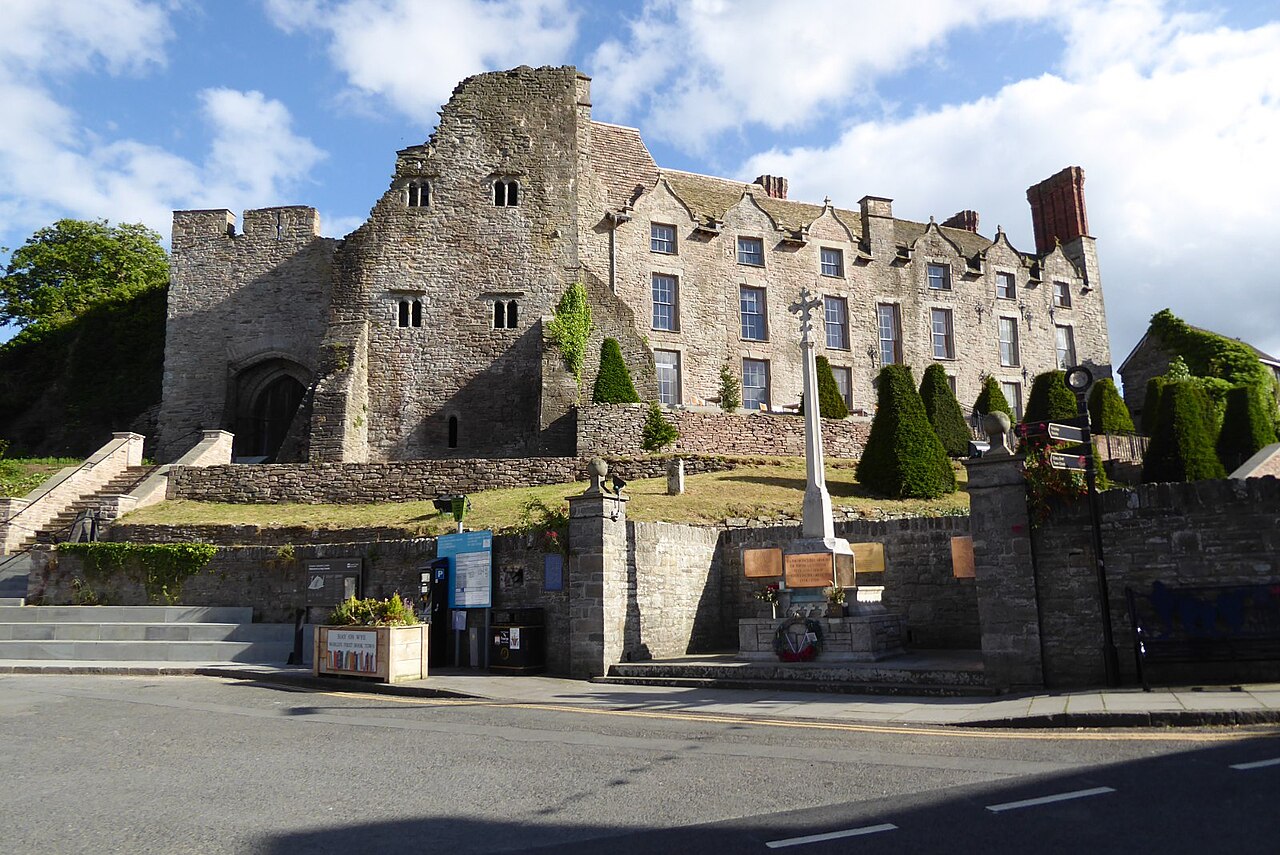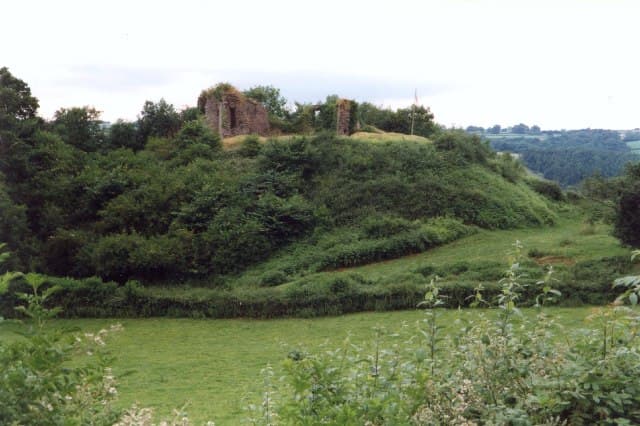
Clifford Castle and Barbican
Clifford Castle is a significant hill castle located in the village of Clifford, approximately 2.5 miles north-east of Hay-on-Wye in the scenic Wye Valley of Herefordshire, England. This castle was the caput, or administrative center, of the feudal barony of Clifford, a notable Marcher Lordship which owed allegiance directly to the English king but was distinct from the rest of the kingdom. The castle's position on a prominent hill provided strategic oversight of the surrounding landscape, a typical feature of hill castles designed for defense and control during the medieval period.
Historical background and significance
The origins of Clifford Castle date back to the late 11th or early 12th century, shortly after the Norman Conquest of England. It was established as part of the Norman efforts to consolidate control over the Welsh borderlands, known as the Marches. The castle served as a stronghold for the Clifford family, powerful Marcher lords who played a critical role in the defense and administration of this volatile frontier region.
As a Marcher Lordship, Clifford Castle held a unique legal status, allowing its lords considerable autonomy from the crown, including rights to build fortifications, administer justice, and wage private war. This autonomy was essential in managing the frequent conflicts and skirmishes along the border with Wales throughout the medieval period.
Architectural features and layout
Though now in ruins, Clifford Castle originally comprised a keep or donjon situated on a motte, a raised earthwork typical of Norman castle construction. The keep was the primary defensive and residential structure, designed to withstand sieges and provide a secure residence for the lord and his retinue.
Surrounding the keep was a bailey, an enclosed courtyard protected by defensive walls and a barbican, a fortified outpost or gateway that enhanced the castle's defenses. The barbican at Clifford Castle was a notable feature, providing an additional layer of protection to the main entrance and controlling access to the interior.
The castle's fortifications included thick stone walls, battlements, and possibly a moat or ditch, although the exact details of these features have been lost or obscured over time. The layout reflects typical Norman military architecture adapted to the rugged terrain of the Welsh Marches.
The barbican's role and design
The barbican at Clifford Castle was a crucial defensive structure, acting as a fortified gateway that protected the main entrance to the castle. It would have included arrow slits, murder holes, and possibly a portcullis to repel attackers. Barbicans were common in castles of this period as a means to delay or prevent enemy forces from breaching the inner defenses.
Later history and decline
Clifford Castle saw various phases of occupation and conflict throughout the medieval period, including involvement in the border wars between England and Wales. Its strategic importance diminished over time as political conditions stabilized and military technology evolved.
By the post-medieval period, the castle had fallen into disuse and decay. Today, it survives as a ruined castle, with only fragments of the original structures visible. The site lies within the grounds of a private residence and is accessible to the public only on certain days, preserving its historic character.
Visiting Clifford Castle
Visitors to Clifford Castle can explore the ruins and appreciate the castle's commanding position overlooking the Wye Valley. The site offers insight into the Norman military architecture and the complex history of the Marcher Lordships. Due to its location on private land, access is limited, so prospective visitors should check opening times before planning a visit.
The castle's cultural and heritage importance
Clifford Castle remains an important heritage site in Herefordshire, representing the Norman conquest and the turbulent history of the Welsh border. Its ruins provide valuable archaeological and historical information about medieval fortifications and feudal lordship in the Marches. The castle's association with the Clifford family and its role in regional defense highlight its significance in English medieval history.
Frequently asked questions (FAQ)
- How do I visit Clifford Castle?
- Clifford Castle is located on private land and is only open to the public on certain days of the year. Visitors should check local information or the owner's announcements for specific opening times before planning their visit.
- What is the historical significance of Clifford Castle?
- Clifford Castle was the caput of the feudal barony of Clifford and a Marcher Lordship, playing a key role in the defense and administration of the Welsh border during the medieval period.
- What architectural features does Clifford Castle have?
- The castle originally featured a keep on a motte, a bailey, and a fortified barbican protecting the main entrance. These are typical elements of Norman military architecture in the Marches.
- Is Clifford Castle accessible for people with limited mobility?
- Due to its ruined state and hilltop location, Clifford Castle may not be easily accessible for visitors with limited mobility. The terrain and preservation conditions should be considered before visiting.
- When was Clifford Castle built?
- Clifford Castle was constructed in the late 11th or early 12th century, shortly after the Norman Conquest of England, as part of efforts to control the Welsh borderlands.
Photo gallery

Information
Current owner
Private owner
Loading map...
Visitor reviews
No reviews yet. Been here? Write the first review and help other travelers!
Write the first reviewVisited this castle? Share your experience
Your review helps other travelers and adds first-hand knowledge to our encyclopedia.