Ciudad Rodrigo Castle
Ciudad Rodrigo Castle, located in the historic town of Ciudad Rodrigo in Spain, stands as a remarkable example of late medieval military architecture. Constructed originally in 1372 under the reign of King Enrique II of Castile, this hill castle was strategically positioned to oversee and defend the surrounding territory. Its imposing structure and robust fortifications reflect the turbulent period of the 14th century when the Kingdom of Castile sought to consolidate power and secure its borders.
The castle is not only a symbol of medieval military ingenuity but also a testament to centuries of architectural evolution and adaptation. Its walls have witnessed the rise and fall of dynasties, the development of artillery defenses in the early 16th century, and a transformation from a fortress to a cultural monument and hospitality venue in modern times. This rich history is embedded in the very stones of the castle, which display a fascinating array of masons’ marks and construction techniques.
Historical context and construction phases
The origins of Ciudad Rodrigo Castle trace back to an earlier fortification established during the reign of King Fernando II of León. This initial defensive structure was built atop an even older settlement, highlighting the site’s longstanding strategic importance. However, the most significant phase of construction began in 1372 under the direction of King Enrique II of Castile, founder of the House of Trastámara. Enrique II commissioned the architect Lope Arias Jenízaro from Zamora to oversee the rebuilding, marking a pivotal moment in the castle’s history. A commemorative plaque above the main entrance still bears the date June 1, 1372, underscoring the royal patronage and the importance of this project.
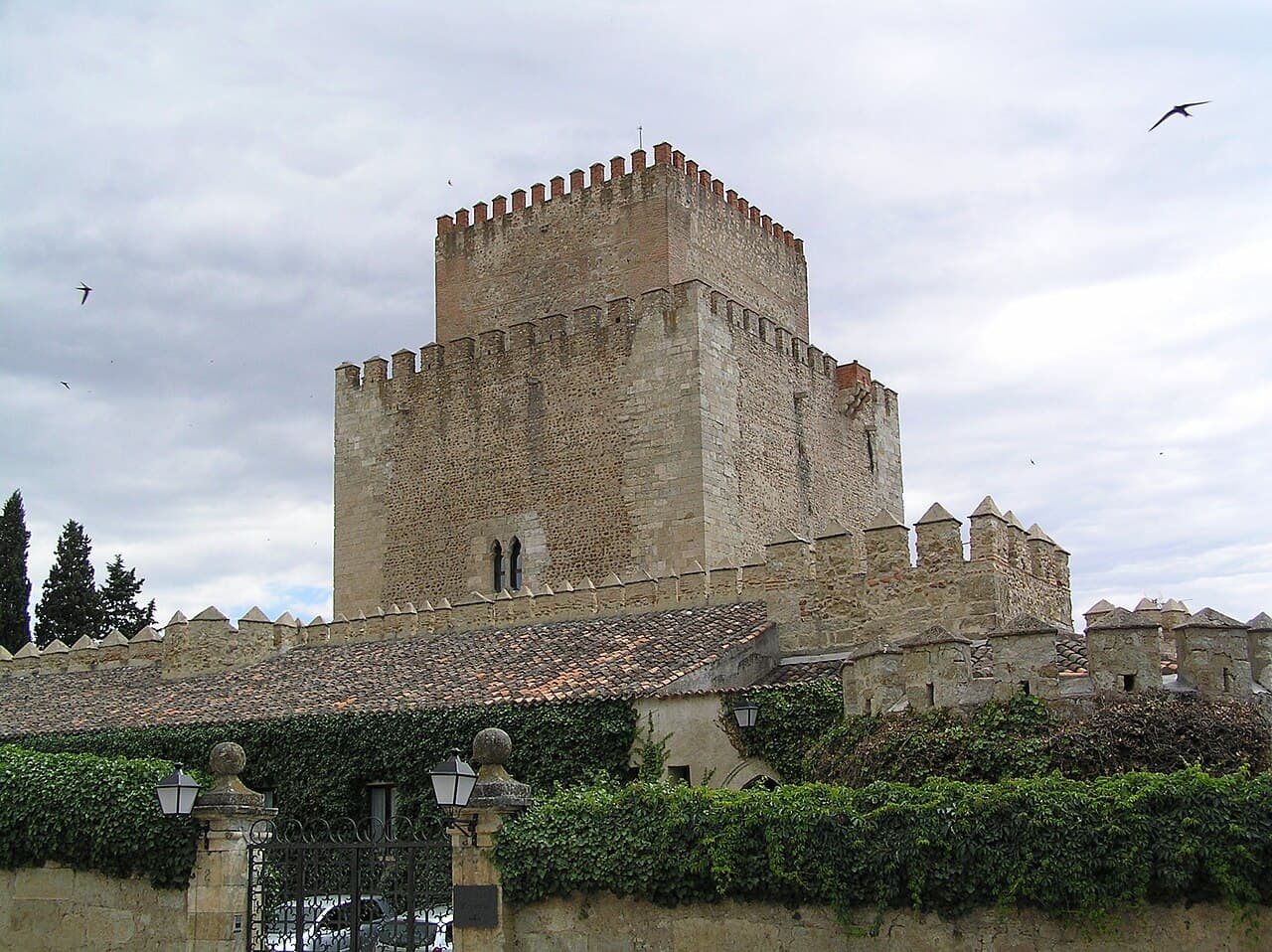
This reconstruction reflected the architectural and military needs of the late medieval period, focusing on robust stone construction and defensive features suitable for the warfare of the time. The castle was designed with a primarily square layout centered around a large keep or tower of homage, which served as the stronghold and last refuge during sieges.
Enhancements and urban fortifications
In the 15th century, under the rule of King Fernando III, the defensive capabilities of Ciudad Rodrigo were significantly enhanced. The renowned Galician architect Juan de Cabrera was commissioned to design and build extensive urban walls that enclosed the castle within a larger fortified perimeter. This new fortification formed a roughly oval circuit extending over two kilometers, integrating the castle fully into the city’s defenses. The walls included multiple gates, towers, and bastions, reflecting advances in military architecture and the increasing importance of artillery defense.
During the early 16th century, the castle’s defenses were further adapted to meet the challenges posed by emerging artillery technology. The addition of an artillery barrier around the castle exemplifies this evolution, showcasing the transition from medieval to early modern fortification styles.
Architectural features and layout
The castle’s layout is dominated by its square plan centered on the massive keep, which measures approximately 17 meters on each side and rises two stories high, topped by a terrace that offers commanding views of the surrounding landscape. This central tower of homage was the heart of the fortress, designed to be both a defensive stronghold and a symbol of lordly power.
Surrounding the keep is a robust defensive wall featuring two smaller square towers at either end. At each corner of the fortress stand crenellated towers, except along the side bordering the Águeda River, where natural terrain provided additional protection. The walls themselves exhibit a fascinating combination of construction materials and techniques. The exterior faces are built of finely cut ashlar limestone blocks, providing strength and an imposing appearance. In contrast, the interior wall sections show evidence of later modifications using rubble masonry and brick, indicating ongoing repairs and adaptations over the centuries.
Entrances and internal structure
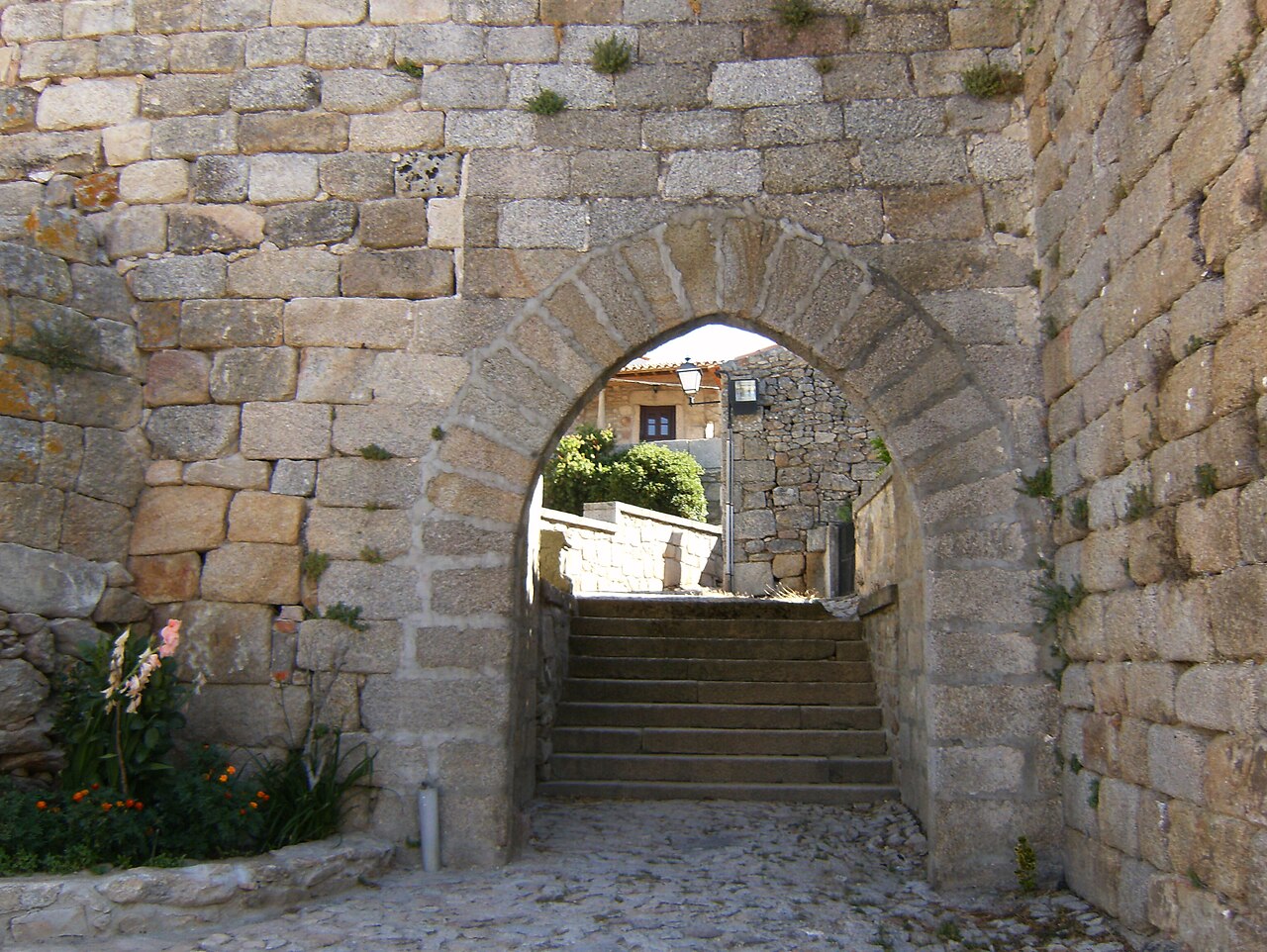
Access to the castle is primarily through a pointed arch gate on the southeast side, flanked by defensive features designed to control entry. Additional entrances on the eastern wall and other functional openings facilitate movement within the fortress and connect it to the city. Inside, the castle’s halls are constructed entirely of finely squared ashlar stones, with vaulted ceilings supported by internal buttresses. These structural elements allowed for expansive covered spaces, suitable for both military and residential use.
Throughout the 16th and 17th centuries, the castle underwent considerable modifications to enhance both its defensive capabilities and its suitability as a residence. These changes reflect the shifting nature of warfare and domestic life during the Renaissance and early modern periods.
Masonry marks and craftsmanship
One of the most remarkable features of Ciudad Rodrigo Castle is the extensive collection of masons’ marks found throughout its masonry. Scholars have identified 1,484 individual marks representing 214 distinct types. These marks include six symbols attributed to master masons and references to seventeen different mason lodges or guilds. The marks fall into three primary categories: simple straight lines, geometric shapes, and ideograms with religious or protective significance.
The highest concentration of these marks is found within the interior spaces of the fortress, providing invaluable insight into the organization of medieval construction labor and the transmission of craftsmanship knowledge. These marks serve as a unique historical record, connecting the castle’s physical fabric to the human stories of its builders.
Modern use and preservation
In the 20th century, Ciudad Rodrigo Castle transitioned from a military fortress to a cultural and civic landmark. Between 1928 and 1936, it housed the Regional Museum of Ciudad Rodrigo, showcasing the area’s rich heritage. Starting in 1929, the castle also served as a municipal guesthouse, and from 1931 it became part of Spain’s prestigious Paradores network, operating as a hotel that offers visitors a unique opportunity to experience history firsthand.
The castle has undergone several significant restoration campaigns to preserve its structural integrity and historical character. Notably, renovations in 1943 led by architect José María Muguruza Otaño and in 2000 under Carlos Fernández-Cuenca Gómez have ensured that the castle remains a vibrant part of Ciudad Rodrigo’s cultural landscape. These efforts balance the need for modern amenities with respect for the castle’s architectural heritage.
Cultural and heritage significance
Ciudad Rodrigo Castle is not only a monument of military architecture but also a cultural icon that embodies the history and identity of the region. Its preservation as a well-preserved late medieval hill castle allows visitors to engage deeply with Spain’s medieval past. The castle’s integration into the urban fabric of Ciudad Rodrigo, its architectural evolution, and its role in regional defense highlight its importance as a heritage site.
Today, the castle continues to attract historians, architects, and tourists alike, drawn by its impressive fortifications, rich history, and the unique experience of staying within its ancient walls. It stands as a testament to the enduring legacy of medieval fortifications and the ongoing efforts to preserve Spain’s architectural treasures.
Frequently asked questions (FAQ)
- When was Ciudad Rodrigo Castle originally built?
- Ciudad Rodrigo Castle was originally constructed in 1372 under King Enrique II of Castile, marking an important phase in its history.
- What architectural style characterizes Ciudad Rodrigo Castle?
- The castle is primarily a late medieval fortress featuring a square plan with a large keep, crenellated towers, and robust stone walls typical of the period.
- Can visitors stay overnight at Ciudad Rodrigo Castle?
- Yes, since 1931, Ciudad Rodrigo Castle has been part of Spain's Paradores network, operating as a hotel where guests can experience its historic ambiance.
- What makes the masonry of Ciudad Rodrigo Castle unique?
- The castle contains 1,484 masons’ marks of 214 types, including symbols from master masons and guilds, offering rare insights into medieval construction practices.
- Is Ciudad Rodrigo Castle accessible to the public year-round?
- The castle is open to visitors year-round as part of the Paradores hotel network, though specific visiting hours may vary depending on hotel operations.
Photo gallery

Information
Website
Visit websiteSources & official resources
Verify the information above using these authoritative references.
Loading map...
Visitor reviews
No reviews yet. Been here? Write the first review and help other travelers!
Write the first reviewVisited this castle? Share your experience
Your review helps other travelers and adds first-hand knowledge to our encyclopedia.